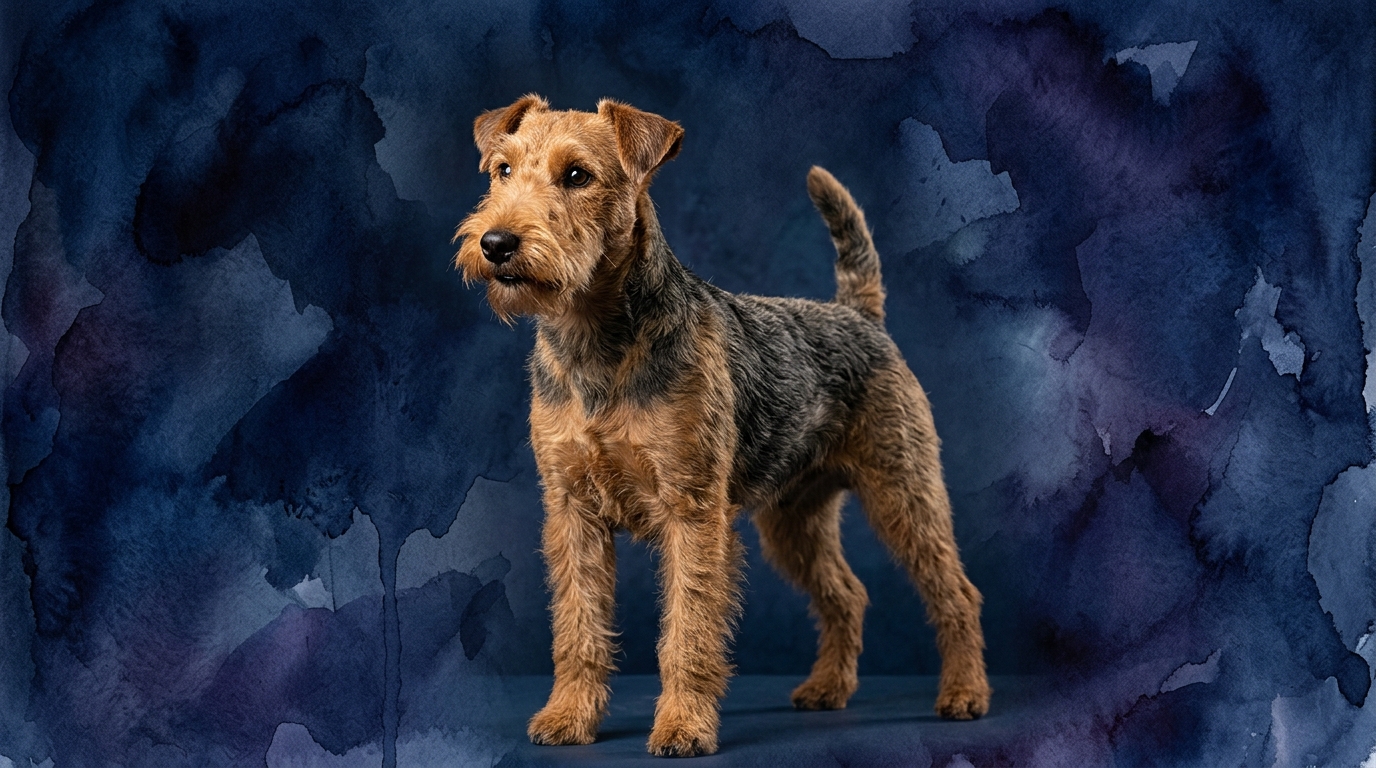
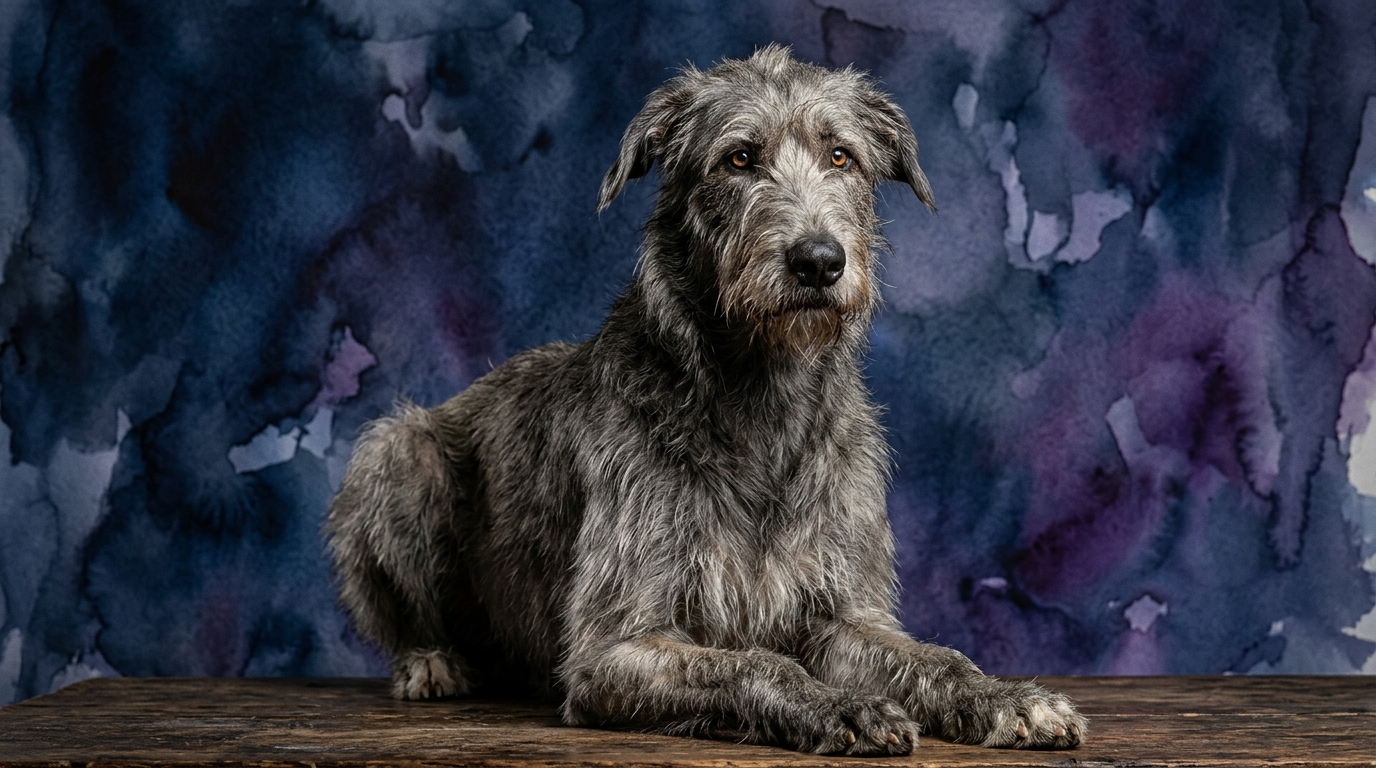
Side-by-Side IQ Profile
The Cosmic Pet Pet IQ Lab's assessment provides a detailed look into the cognitive strengths of both the Welsh Terrier and the Irish Wolfhound. Despite identical 3/5 ratings across all five dimensions, understanding their breed-specific interpretations is key to appreciating their individual cognitive styles.
For the **Welsh Terrier (Terrier)**:
**Problem Solving (3/5)**: The Welsh Terrier's problem-solving often manifests as determined persistence, typical of a terrier bred to independently root out quarry. They excel at figuring out how to access desired objects or navigate tricky environments, often through trial and error, driven by a strong inner motivation rather than direct human instruction.
**Training Speed (3/5)**: These terriers grasp new commands and routines with reasonable quickness. However, their independent nature means that while they understand what is asked, they might not always comply immediately if a more interesting distraction arises. Consistency and engaging, positive reinforcement are crucial to foster reliable responses.
**Social Intelligence (3/5)**: Welsh Terriers generally navigate social interactions with a balanced awareness. They can be discerning with strangers and other animals, often preferring familiar company but capable of polite greetings. Their social cues are clear, and they learn household dynamics readily, understanding their place within the family unit.
**Instinctive Drive (3/5)**: Their instinctive drive is moderately strong, primarily focused on their terrier heritage of hunting and chasing. This manifests as a keen interest in small, moving objects and a desire to explore and dig. This drive requires thoughtful management and outlets to prevent it from becoming disruptive.
**Memory (3/5)**: Welsh Terriers possess a solid memory for commands, routines, and experiences. They recall people, places, and learned behaviors effectively, which aids in long-term training and adapting to new situations. This memory contributes to their ability to learn from past interactions.
For the **Irish Wolfhound (Hound)**:
**Problem Solving (3/5)**: The Irish Wolfhound's problem-solving often involves a thoughtful, observational approach. Given their historical role as sight hounds, they tend to assess situations before acting, seeking the most efficient or least confrontational path. Their solutions might appear more deliberate, focusing on spatial awareness and understanding consequences.
**Training Speed (3/5)**: Irish Wolfhounds absorb training quite well, often understanding new commands with a few repetitions. Their generally calm and willing disposition makes them receptive to learning. However, their independent hound nature means they require clear, fair, and consistent motivation, often becoming bored with overly repetitive training.
**Social Intelligence (3/5)**: These gentle giants exhibit a high degree of social awareness, often described as 'old souls.' They are typically serene and tolerant, displaying a quiet understanding of human moods and social dynamics. They interact gracefully with family members and are generally reserved but polite with strangers.
**Instinctive Drive (3/5)**: The Irish Wolfhound's instinctive drive is present but typically manifests as a sighthound's urge to chase moving objects, rather than a terrier's digging or hunting tenacity. Their protective instincts towards their family are also a component of this drive, but it's generally expressed with a calm, watchful demeanor.
**Memory (3/5)**: Irish Wolfhounds possess a good memory, retaining commands, learned behaviors, and social interactions over time. They remember their experiences vividly, which contributes to their stable temperament and ability to form strong, lasting bonds, helping them navigate their environment with confidence.
Where Welsh Terrier Wins Cognitively
Despite identical 3/5 scores, the Welsh Terrier's cognitive strengths shine particularly in scenarios demanding tenacious, self-directed action. Their 3/5 problem-solving, for instance, is often expressed through a terrier's characteristic ingenuity when faced with a barrier to a desired outcome. If a treat is hidden, a Welsh Terrier is more likely to engage in persistent digging, nudging, or even strategic whining to achieve their goal, showcasing a determined, goal-oriented application of their cognitive abilities. This isn't necessarily 'smarter' but a different kind of smart, one that thrives on independent task completion. Their 3/5 instinctive drive, while needing management, means they are often highly motivated by a 'task' – whether it's a scent trail in the yard or a puzzle toy, they channel their cognitive energy into solving it with an energetic, focused intensity. This self-starter quality, a hallmark of their terrier lineage, can be incredibly rewarding for owners who appreciate a dog with an active, inquisitive mind ready to engage with challenges on its own terms.
Where Irish Wolfhound Wins Cognitively
The Irish Wolfhound’s 3/5 cognitive scores manifest distinct advantages, particularly in areas requiring calm observation and empathetic understanding. Their problem-solving, while rated similarly, often involves a more measured, reflective approach. Instead of immediate physical action, a Wolfhound might first observe a situation, such as a child struggling with a toy, and then calmly intervene or seek help, demonstrating a thoughtful assessment of the environment. This observational intelligence, rooted in their sighthound heritage where keen sight and judicious action were paramount, allows them to process complex social cues with a quiet dignity. Their social intelligence, also rated 3/5, translates into a remarkable capacity for empathy and a gentle presence, making them adept at sensing human moods and providing comfort without being overly demonstrative. This gentle, discerning cognitive style makes them exceptionally intuitive companions, excelling in environments where a composed, understanding presence is valued over boisterous engagement.
Which Is Easier to Train and Why
Determining which breed is 'easier' to train between the Welsh Terrier and the Irish Wolfhound, both rated 3/5 in training speed, hinges significantly on an owner's approach and expectations. The Welsh Terrier's independent nature, a cornerstone of its terrier temperament, means that while it grasps commands quickly, its compliance can be situational. A Welshie might understand 'sit' perfectly but choose not to perform if a squirrel is in sight, demanding consistent, engaging, and highly rewarding positive reinforcement to build reliability. Their occasional stubborn streak isn't a lack of understanding but a strong will. In contrast, the Irish Wolfhound, despite its sighthound independence, often possesses a more eager-to-please disposition and a calmer demeanor. They might learn at a similar pace, but their inherent desire for companionship and their less reactive nature often translates into more consistent responses once a command is learned. However, their sheer size and potential for boredom with repetitive tasks mean that training must be varied, fair, and based on mutual respect. Therefore, an owner seeking a dog that responds with quiet willingness might find the Wolfhound 'easier' in terms of consistency, while an owner who enjoys the challenge of channeling a spirited, clever mind might find the Welsh Terrier more engaging, provided they commit to creative and firm training methods.
Which Suits Active Owners vs Relaxed Owners
When considering lifestyles, the Welsh Terrier and Irish Wolfhound cater to different paces, despite their balanced 3/5 instinctive drive scores. The Welsh Terrier, with its energetic terrier spirit, is generally better suited for active owners. Their instinct to explore, dig, and chase requires regular engagement and outlets for their physical and mental energy. Owners who enjoy daily walks, interactive play, agility, or even Earthdog trials will find a Welsh Terrier a willing and enthusiastic partner. Their 3/5 instinctive drive means they need structured activities to prevent boredom, which can lead to undesirable behaviors. In contrast, the Irish Wolfhound, while requiring regular exercise to maintain its large frame, is often described as a 'couch potato' indoors. Their 3/5 instinctive drive manifests more as a sighthound's need for a good sprint in a secure area, followed by extensive periods of rest. They are ideal for relaxed owners who appreciate a calm, majestic presence in the home and are content with leisurely strolls and occasional bursts of outdoor activity. While they need space, their indoor temperament is generally serene, making them surprisingly adaptable to less overtly 'active' households, provided their exercise needs are met.
The Verdict
If you seek a spirited, tenacious companion with a clever, independent mind that thrives on engaging challenges and an active lifestyle, the Welsh Terrier is an excellent choice.
Opt for the Irish Wolfhound if you desire a gentle giant, a calm and empathetic presence that offers quiet companionship and requires thoughtful, patient guidance alongside ample space and moderate exercise.
🧠 Find Your Pet's IQ Score
Our Pet IQ Lab assessment covers 25+ tests across 5 cognitive dimensions — personalized to your breed.
Take the Full IQ Test →Frequently Asked Questions
Do Welsh Terriers and Irish Wolfhounds learn new tricks at the same rate?
Both breeds are rated 3/5 for training speed, indicating they grasp new commands reasonably well. However, the Welsh Terrier's independent nature might mean it understands but chooses to comply less consistently, while the Irish Wolfhound's calmer disposition often leads to more reliable responses once learned.
Which breed is better at adapting to new environments or routines?
Both breeds have a 3/5 memory score, suggesting solid recall of experiences and routines. The Welsh Terrier's adaptability might be driven by curiosity and resilience, while the Irish Wolfhound's calm observation and stable temperament allow for a more measured adjustment to changes.
How do their social intelligence scores of 3/5 differ in real-world interactions?
The Welsh Terrier's 3/5 social intelligence often means they are discerning and can be quite selective in their social circles, showing clear preferences. The Irish Wolfhound's 3/5 social intelligence typically manifests as a gentle, tolerant, and quietly empathetic demeanor, making them generally reserved but gracious in most social settings.