Side-by-Side IQ Profile: Unpacking Identical Scores
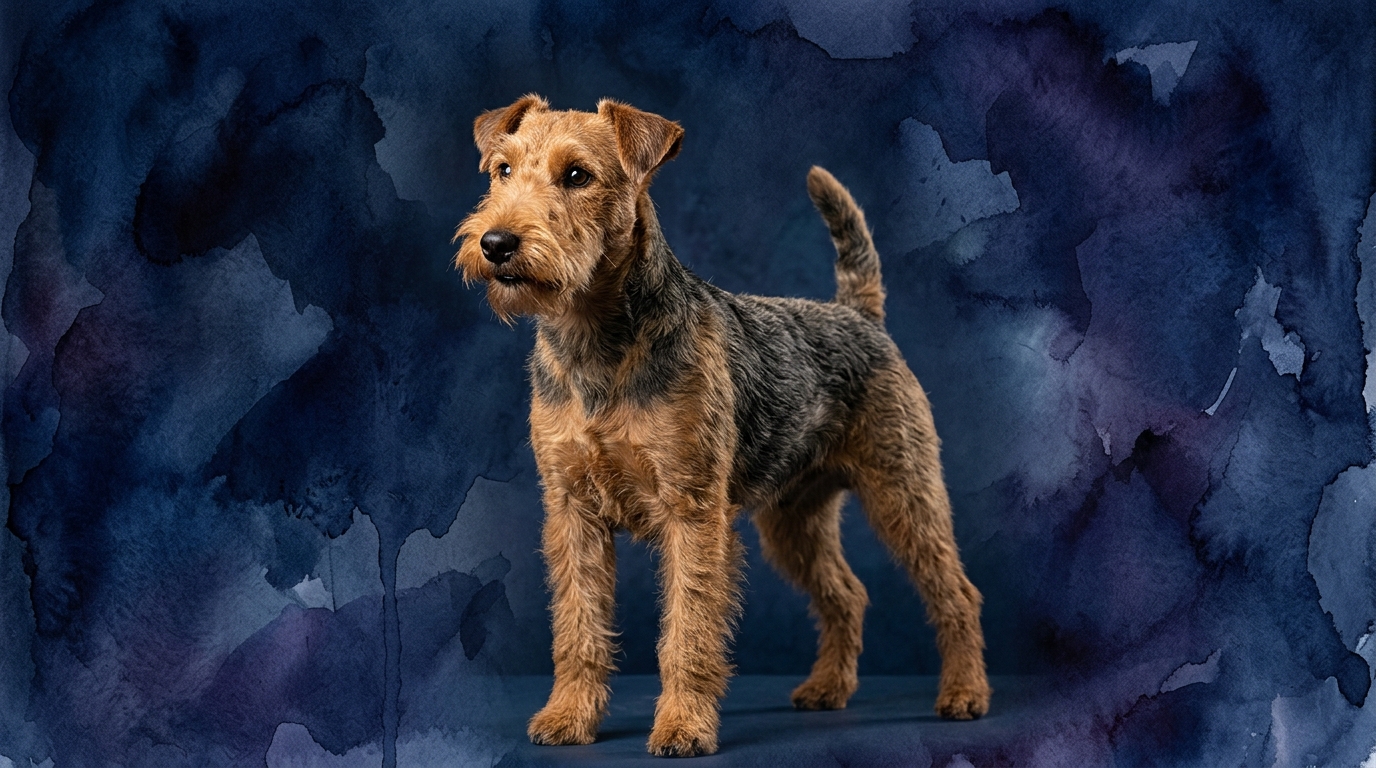
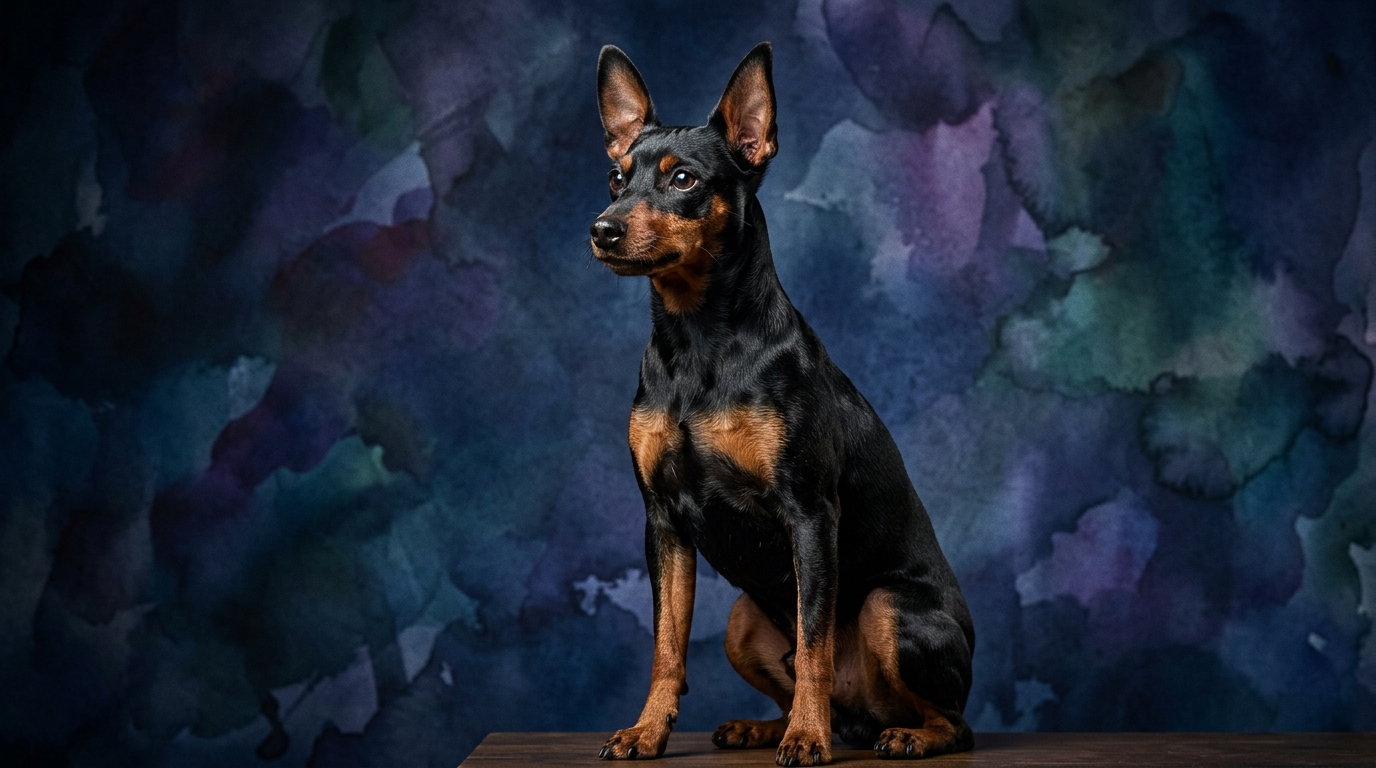
The Cosmic Pet Pet IQ Lab assesses five crucial dimensions of canine intelligence, providing a nuanced perspective on a dog's cognitive strengths. Both the Welsh Terrier and the Miniature Pinscher, surprisingly, achieve a consistent 3/5 across all categories. This identical scoring doesn't suggest a lack of distinction but rather invites a focused examination of how a "moderate" score might manifest uniquely in breeds with such divergent backgrounds; understanding this requires moving beyond the numerical value to appreciate the behavioral context of each breed.
A 3/5 in Problem Solving indicates a moderate capacity for independent thought and figuring out novel situations. For the Welsh Terrier, this often translates into resourceful, terrier-typical strategies for overcoming obstacles, such as strategizing how to access a forbidden area or outsmarting a small critter; their historical role demanded a dog capable of independent decision-making in the field. The Miniature Pinscher, on the other hand, might apply its 3/5 score to navigating complex household environments, figuring out how to get attention, or identifying patterns in daily routines; their problem-solving is often geared towards their immediate social environment and personal comfort.
A 3/5 in Training Speed suggests both breeds can learn new commands and behaviors at a moderate pace, neither exceptionally quick nor particularly slow. For the Welsh Terrier, this means that while they grasp concepts, their independent nature and strong will can sometimes make execution inconsistent without patient, engaging methods; their learning is often tied to their perceived benefit or intrinsic motivation. The Miniature Pinscher also learns moderately fast, but their "big dog in a small body" assertiveness can lead to selective hearing if the reward isn't compelling or the handler isn't consistent; both require an approach that respects their individual drive rather than rote repetition.
A 3/5 in Social Intelligence implies a moderate ability to understand and respond to human and canine social cues. The Welsh Terrier, while affectionate with its family, often displays a more independent social demeanor, capable of reading situations but not necessarily driven by constant appeasement; they can be discerning in their social interactions. The Miniature Pinscher, by contrast, often exhibits a more intensely focused social intelligence towards its primary human, keenly observing moods and anticipating needs, sometimes to the point of being demanding; their social world often revolves tightly around their immediate family unit, making them adept at manipulating interactions for their benefit.
Both breeds score a 3/5 in Instinctive Drive, indicating moderate strength in their innate, hardwired behaviors. For the Welsh Terrier, this score strongly reflects its terrier heritage: a moderate but persistent prey drive, a desire to dig, and a watchful nature; these drives are deeply ingrained and require appropriate outlets. The Miniature Pinscher’s 3/5 drive manifests as a keen alertness, a strong territorial instinct often expressed through vocalization, and a historical "ratter" instinct, even if rarely put to use today; both breeds possess an internal motor that needs constructive direction.
A 3/5 in Memory signifies that both breeds retain learned information and experiences at a moderate level. The Welsh Terrier will remember commands, routines, and experiences, both positive and negative, contributing to their consistent character; their memory helps them navigate their environment and maintain learned boundaries. The Miniature Pinscher also exhibits a solid memory for commands, house rules, and the people and places they encounter; their memory often plays a role in their protective tendencies, recalling who belongs and who might be perceived as an intruder, as well as remembering past training successes or failures to influence future behavior.
Where the Welsh Terrier Wins Cognitively
Despite identical scores, the Welsh Terrier's cognitive strengths often shine in scenarios demanding independent action and robust persistence. Their 3/5 Problem Solving, combined with their history as a working terrier, means they excel at tasks requiring sustained focus and self-reliance in outdoor or challenging environments. They are less likely to rely solely on human direction when faced with a novel puzzle, preferring to methodically work through it themselves. This manifests as a tenacious approach to exploring, scent-following, or figuring out how to retrieve a toy from an awkward spot, often using their physical agility and digging instincts as part of their problem-solving toolkit.
The Welsh Terrier's 3/5 Instinctive Drive provides a wellspring of determination that can translate into cognitive advantages in specific contexts. While not an overwhelming drive, it is channeled into purposeful activity. This allows them to maintain focus on a task, such as tracking a scent or engaging with a puzzle toy, even when distractions are present. Their memory (3/5) reinforces this, allowing them to recall previous successes and apply learned strategies to new challenges, making them adept at tasks that build upon prior experiences. Their social intelligence (3/5) means they can work alongside a human, understanding cues, but without being overly dependent, fostering a collaborative rather than subordinate dynamic in problem-solving.
Where the Miniature Pinscher Wins Cognitively
The Miniature Pinscher's cognitive strengths, while also rated 3/5, are often best observed in their adaptability and acute awareness of their immediate social and home environment. Their Problem Solving (3/5) is often directed towards navigating intricate indoor spaces, manipulating situations to their advantage (e.g., getting preferred seating), or quickly understanding household routines; they are masters of their domain, however small it may be. This translates into a sharp ability to adapt to new rules or changes within the home, quickly assessing how best to integrate themselves into a shifting dynamic. Their quick reflexes, combined with their cognitive processing, allow for rapid responses to perceived changes in their surroundings.
The Miniature Pinscher's 3/5 Social Intelligence is particularly sharp when it comes to their primary caregivers, enabling them to pick up on subtle human emotions and intentions with remarkable precision. This allows them to form strong, deeply communicative bonds, often anticipating needs or moods before they are explicitly expressed. Their Instinctive Drive (3/5) manifests as an exceptional alertness and watchdog capability; they are quick to notice and react to anything out of place, demonstrating a rapid assessment of potential threats. This combination of social acuity and vigilance, supported by a solid memory (3/5) for patterns and individuals, makes them highly effective communicators within their family unit and diligent protectors of their home.
Which is Easier to Train and Why
Despite both breeds scoring 3/5 in Training Speed, the actual experience of training a Welsh Terrier versus a Miniature Pinscher can differ significantly due to their inherent temperaments and motivations. The Welsh Terrier's independent streak and strong prey drive, hallmarks of its terrier heritage, mean that while they are capable of learning, they often require highly engaging and varied training methods to maintain their focus. They can be prone to "selective deafness" when their instincts are aroused, making consistent recall a particular challenge without dedicated effort; a trainer must be patient, creative, and firm, consistently demonstrating why cooperation is more rewarding than independent action, often leveraging play and scent work to their advantage.
The Miniature Pinscher, while also possessing a moderate training speed, often presents challenges rooted in their assertive and sometimes stubborn nature, combined with their high alertness. They can be very vocal and possessive, and their keen intelligence means they quickly learn what they can get away with if boundaries aren't consistently enforced. Training a Min Pin requires a confident, consistent leader who can establish clear rules without resorting to harshness. Their strong desire to be involved with their human can be a powerful motivator, but it must be channeled effectively. While they might learn commands quickly, mastering impulse control and curbing their watchdog tendencies can be an ongoing process, demanding diligent socialization and desensitization from a young age to prevent excessive barking or territoriality; neither breed is inherently "easier" than the other; rather, they demand different training approaches tailored to their unique behavioral profiles.
Which Suits Active Owners vs Relaxed Owners
Both the Welsh Terrier and the Miniature Pinscher tend to suit more active owners, though their energy expenditure and exercise needs manifest differently. The Welsh Terrier, with its robust build and working dog background, requires significant physical and mental exercise to thrive. Their 3/5 instinctive drive for chasing and digging means they benefit from long walks, off-leash exploration in secure areas, and engaging games that stimulate their problem-solving abilities. An owner who enjoys outdoor activities, provides consistent training, and can channel their terrier energy into constructive outlets will find a rewarding companion. Without sufficient activity, a Welsh Terrier's cognitive and physical energy can lead to destructive behaviors, such as excessive digging or chewing, as they find their own "work."
The Miniature Pinscher, despite its smaller size, is not a sedentary lap dog. Its 3/5 instinctive drive, coupled with its active personality, means it possesses surprising stamina and requires regular opportunities to expend energy. They are often described as "indoor athletes" who enjoy brisk walks, playtime in a secure yard, and mental challenges like puzzle toys or agility training; their social intelligence (3/5) means they thrive on interaction with their family during these activities. While they can adapt to apartment living, they still need dedicated playtime and walks to prevent boredom and potential behavioral issues like excessive barking or nervous energy. A relaxed owner who expects a low-maintenance companion might find the Min Pin's persistent energy and need for engagement overwhelming. Both breeds demand owners who are prepared to actively participate in their dog's physical and mental well-being, rather than expecting a purely passive companion.
The Verdict
Opt for a Welsh Terrier if you are an active individual or family seeking a spirited, independent companion for outdoor adventures and engaging, varied training. They thrive with owners who appreciate a dog with a strong will and a methodical approach to problem-solving, offering a rewarding partnership for those who enjoy channeling tenacious energy.
Select a Miniature Pinscher if you desire a sharp, alert, and highly social companion who will be intensely devoted to its family, excelling in a home where consistent boundaries and engaging indoor activities are a priority. They are ideal for owners who appreciate a watchful, energetic small dog capable of sophisticated communication and rapid adaptation to its immediate environment.
🧠 Find Your Pet's IQ Score
Our Pet IQ Lab assessment covers 25+ tests across 5 cognitive dimensions — personalized to your breed.
Take the Full IQ Test →Frequently Asked Questions
Do Welsh Terriers and Miniature Pinschers learn at the same rate?
Both breeds score 3/5 in Training Speed, suggesting they learn new commands at a moderate pace. However, the Welsh Terrier's independence and the Miniature Pinscher's assertiveness mean that practical training experiences can differ, requiring tailored approaches to achieve consistent results.
Which breed is better at problem-solving?
Both breeds score 3/5 in Problem Solving. Welsh Terriers often apply their skills to independent, robust tasks in varied environments, while Miniature Pinschers tend to focus their problem-solving on navigating their social and home environments, often to their own advantage or for communication.
Are Welsh Terriers or Miniature Pinschers more social?
Both breeds have a 3/5 Social Intelligence rating. Welsh Terriers are generally affectionate but more independent, while Miniature Pinschers often display a more intense and focused social bond with their primary caregivers, keenly observing and reacting to their human's cues and moods.