Side-by-Side Cognitive Profiles
At The Cosmic Pet Pet IQ Lab, we assess cognitive abilities across five key dimensions. Interestingly, both the Welsh Terrier and the Norwegian Lundehund score a consistent 3/5 across the board, yet the manifestation of these scores is profoundly distinct, shaped by their ancestral roles.
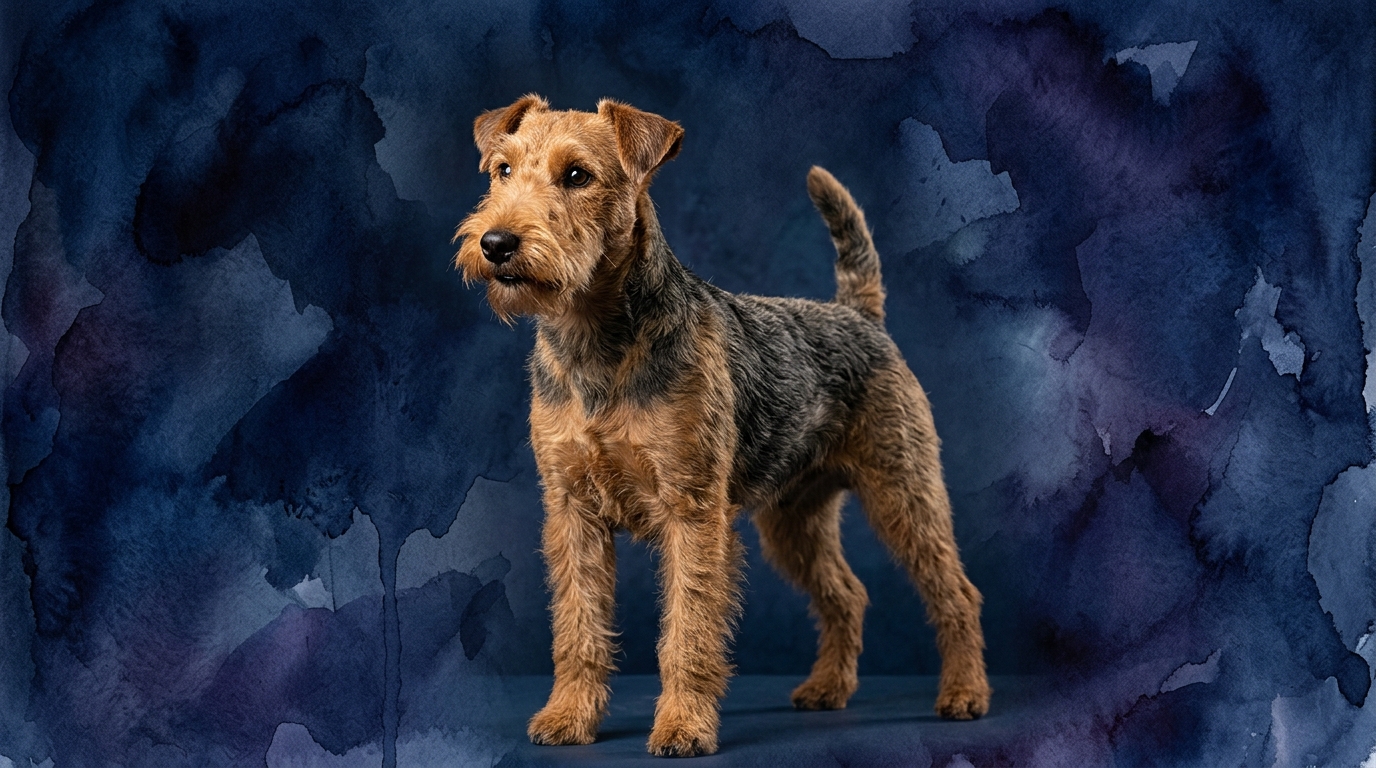
The Welsh Terrier, a spirited member of the Terrier group, exhibits a practical and persistent form of Problem Solving (3/5). Their lineage as vermin hunters means they excel at independent thought and strategizing to achieve tangible goals, such as figuring out how to retrieve a hidden toy or navigating a complex scent trail. Their Training Speed (3/5) is moderate; they are capable learners, but their independent spirit and inherent drive to pursue their own interests can make them appear stubborn, requiring consistent, engaging methods. In Social Intelligence (3/5), they form strong bonds with their human families and are perceptive to household dynamics, though they can be discerning or assertive with unfamiliar individuals. Their Instinctive Drive (3/5) is characterized by a strong prey drive and a keen interest in exploring and digging. Finally, their Memory (3/5) is solid for routines, learned commands, and significant experiences, contributing to their adaptability once established.
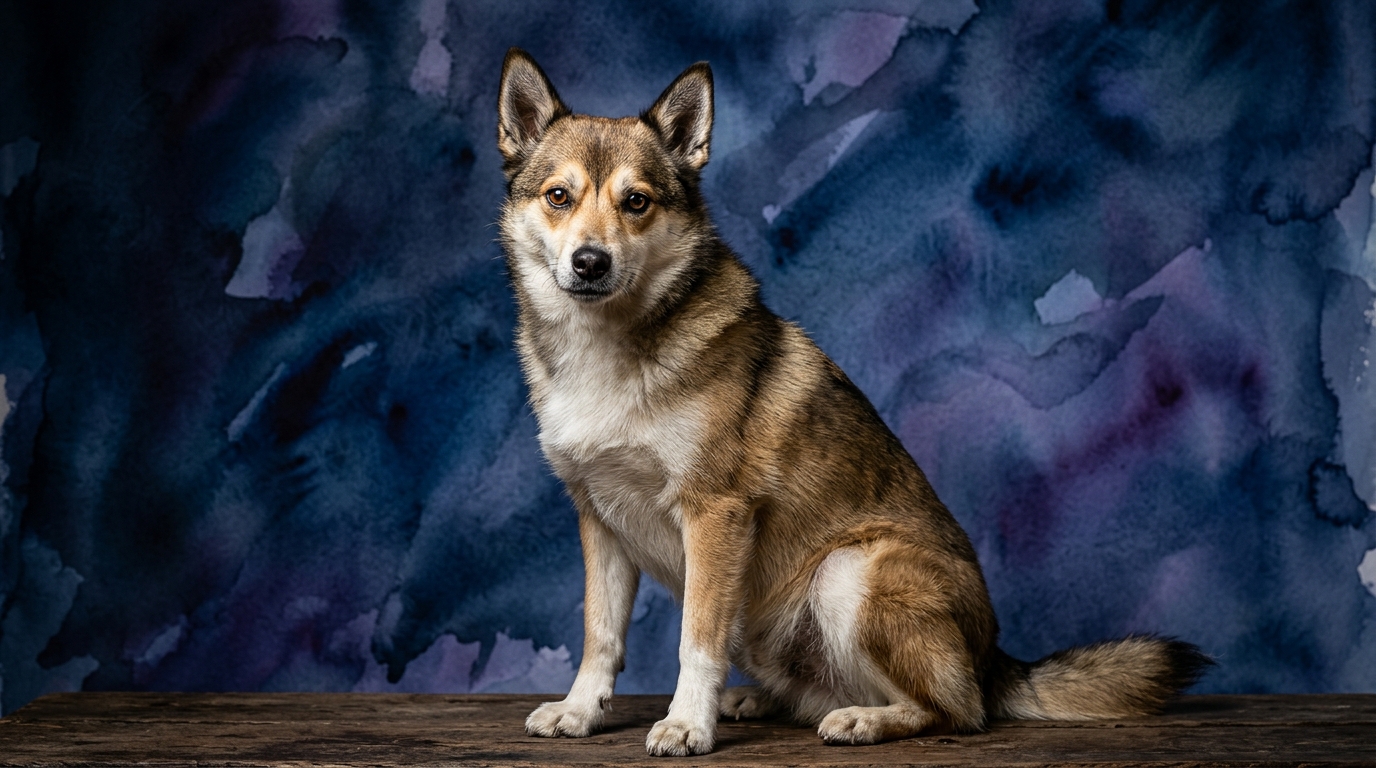
The Norwegian Lundehund, a unique breed from the Non-Sporting group, showcases a distinct set of cognitive strengths. Their Problem Solving (3/5) is exceptionally practical and spatially oriented, stemming from their history of hunting puffins on treacherous coastal cliffs. This involves an innate ability to assess and navigate complex, uneven terrain, finding hidden nooks, and strategizing movement in challenging three-dimensional spaces, a unique manifestation of their cognitive score. Their Training Speed (3/5) is also moderate; while capable, their independent nature and sometimes wary disposition mean they respond best to positive reinforcement and patient, consistent methods, often questioning the necessity of a command. In Social Intelligence (3/5), they are deeply devoted to their primary caregivers and exhibit a nuanced understanding of their human family's moods, but their historical isolation means they can be reserved around strangers. Their Instinctive Drive (3/5) is characterized by a strong urge for exploration, climbing, and maneuvering within varied environments, leveraging their remarkable physical adaptations. Their Memory (3/5) is robust, particularly for complex routes, hidden stashes, and significant events, crucial for their ancestral tasks.
Where the Welsh Terrier Cognitively Excels
While both breeds score a 3/5 in problem-solving, the Welsh Terrier's approach often manifests as a tenacious, focused persistence particularly suited for singular, goal-oriented tasks. Their terrier spirit drives them to methodically work through a challenge, whether it's dismantling a puzzle toy or pursuing a specific scent trail, often exhibiting a single-minded dedication until the objective is met. This focused determination can give them an edge in situations requiring sustained effort on a defined problem, making them adept at tasks that demand grit and an unwavering pursuit of a target.
Where the Norwegian Lundehund Cognitively Shines
The Norwegian Lundehund's cognitive strengths shine in their exceptional spatial reasoning and adaptability to complex physical environments. Their ancestral role demanded a unique brand of problem-solving involving navigating treacherous cliffs and tight spaces, leading to a cognitive profile that excels at assessing and manipulating their surroundings with remarkable dexterity. This manifests as superior balance, agility, and a profound understanding of how their body interacts with intricate three-dimensional spaces, allowing them to scale, burrow, and explore with unparalleled precision and foresight, a truly specialized form of intelligence.
Which is Easier to Train, and Why
When comparing trainability, both breeds present moderate challenges, each stemming from distinct temperaments. The Welsh Terrier's 3/5 training speed is often tempered by their independent nature and strong prey drive; they are capable learners but require consistent, engaging methods to overcome their occasional stubborn streak and inclination to follow their nose. Their focus can be diverted by environmental stimuli, demanding an owner who can make training more rewarding than external distractions and adapt to their zestful energy.
In contrast, the Norwegian Lundehund, also rated 3/5, can be equally independent, coupled with a wary disposition towards new experiences or people. Their historical role fostered a self-reliant mindset, meaning they often question the necessity of a command rather than blindly obeying. Lundehunds thrive with patient, positive reinforcement and an understanding that their compliance is earned through trust and clear communication, rather than assumed authority. While neither is a 'beginner's dog' in terms of training, the Welsh Terrier's challenge often lies in managing their focused instinctual urges, while the Lundehund's challenge centers on building deep trust and understanding their nuanced, often reserved, approach to cooperation.
Matching Breed to Lifestyle: Active vs. Relaxed Owners
Both the Welsh Terrier and the Norwegian Lundehund are best suited for active owners who can provide consistent mental and physical stimulation, though their activity preferences differ significantly. The Welsh Terrier, with its lively terrier spirit and moderate instinctive drive, thrives on varied activities that engage both body and mind, such as long walks, interactive play, agility, or earthdog trials. They need owners who can channel their energetic curiosity and prevent boredom from leading to undesirable behaviors, making them a good fit for individuals who enjoy structured outdoor adventures and consistent engagement.
The Norwegian Lundehund, while also energetic, requires a more specific type of activity that leverages their unique physical capabilities and problem-solving skills. They excel in environments where they can climb, explore, and navigate complex terrains, making them ideal for owners who appreciate hiking, canine parkour, or activities that mimic their ancestral puffin-hunting role. Their need for careful, positive socialization also means owners must be proactive in exposing them to new sights and sounds in a controlled manner. Neither breed is well-suited for a truly 'relaxed' owner seeking a sedentary companion; both demand dedication to their physical and cognitive well-being to thrive.
The Verdict
Choose the Welsh Terrier if you appreciate a confident, spirited companion with a focused drive, ready for engaging activities and consistent, firm-but-fair training.
Opt for the Norwegian Lundehund if you are intrigued by a unique, independent breed that excels in spatial problem-solving and thrives on adventurous exploration in varied, stimulating environments.
🧠 Find Your Pet's IQ Score
Our Pet IQ Lab assessment covers 25+ tests across 5 cognitive dimensions — personalized to your breed.
Take the Full IQ Test →Frequently Asked Questions
Are Welsh Terriers good family dogs?
Welsh Terriers typically form strong bonds with their families and can be affectionate companions. They thrive in active households that provide consistent training, mental stimulation, and clear boundaries, making them suitable for families prepared to meet their energetic needs and manage their terrier tendencies.
What are the unique physical traits of a Norwegian Lundehund?
Norwegian Lundehunds possess several distinctive physical traits, including six functional toes on each foot, a highly flexible neck that allows them to touch their back, and shoulder joints that can rotate nearly 360 degrees. These remarkable adaptations were essential for navigating treacherous cliffs during their historical role as puffin hunters.
Do Lundehunds bark a lot?
Lundehunds are not typically excessive barkers, but they can be vocal when excited, alerting to strangers, or expressing their needs. Their communication often includes a variety of sounds beyond barking, reflecting their unique and expressive personalities and their often reserved nature with unfamiliar stimuli.