Side-by-Side Cognitive Profiles: A Nuanced Look
While both the Welsh Terrier and the Scottish Deerhound register a consistent 3/5 across all five cognitive dimensions in The Cosmic Pet Pet IQ Lab, understanding these scores requires delving into how each breed's inherent nature shapes their manifestation. Identical numerical ratings do not imply identical cognitive experiences or expressions; rather, they suggest a similar capacity applied through distinct lenses of breed-specific drives and temperaments.
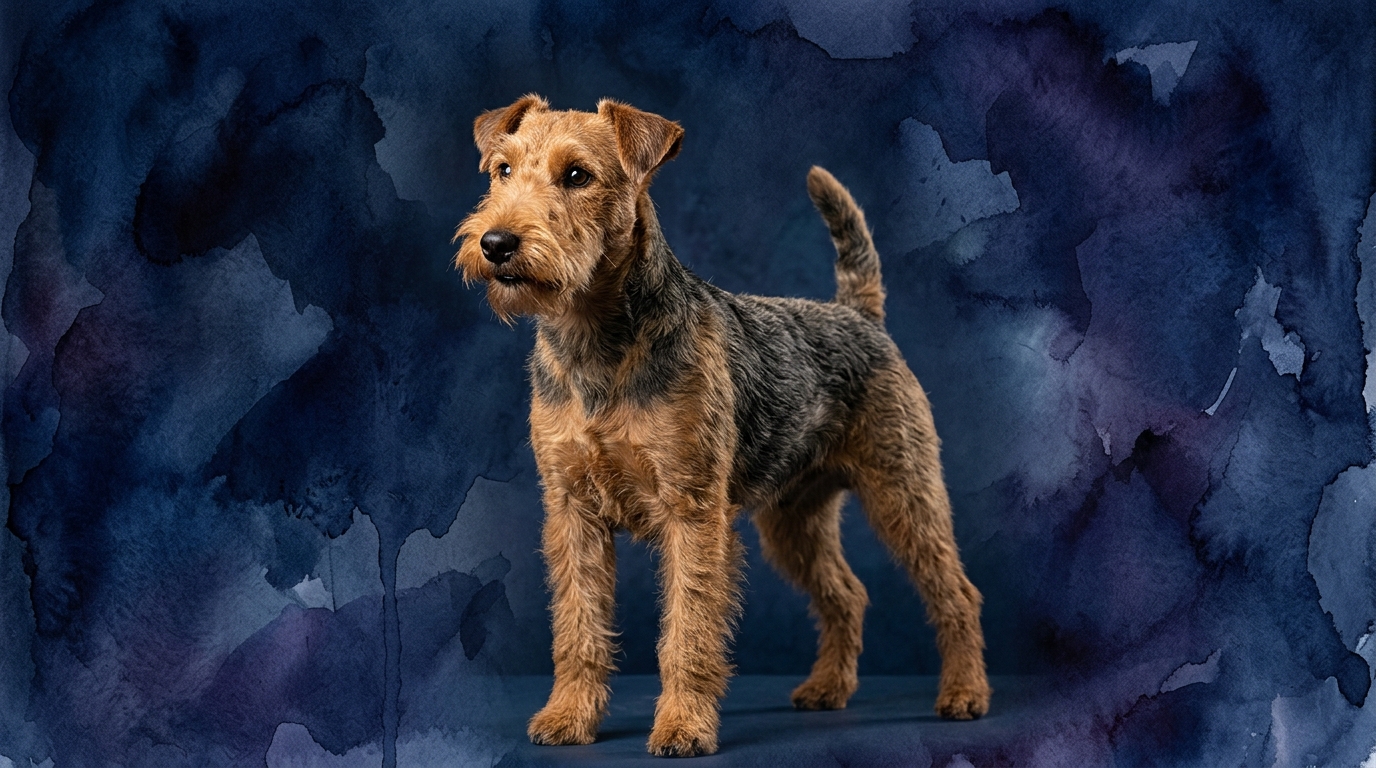
For the **Welsh Terrier**, a classic terrier, a 3/5 in **Problem Solving** often translates into tenacious, goal-oriented thinking, particularly when pursuing a perceived 'quarry' or navigating obstacles to reach a desired object. Their solutions tend to be direct and persistent. Their **Training Speed** at 3/5 reflects a quick grasp of concepts combined with an independent streak that can sometimes appear as selective hearing; they understand, but may choose their own timing for compliance. **Social Intelligence** at 3/5 for a Welshie typically means strong loyalty and attunement to their immediate family, often accompanied by a reserved or even assertive demeanor towards strangers or unfamiliar dogs. Their **Instinctive Drive** at 3/5 is distinctly terrier: a potent blend of digging, barking, and a fierce prey drive for small game. Finally, their **Memory** at 3/5 is robust, enabling them to recall routines, commands, and the locations of interesting scents or buried treasures with impressive accuracy.
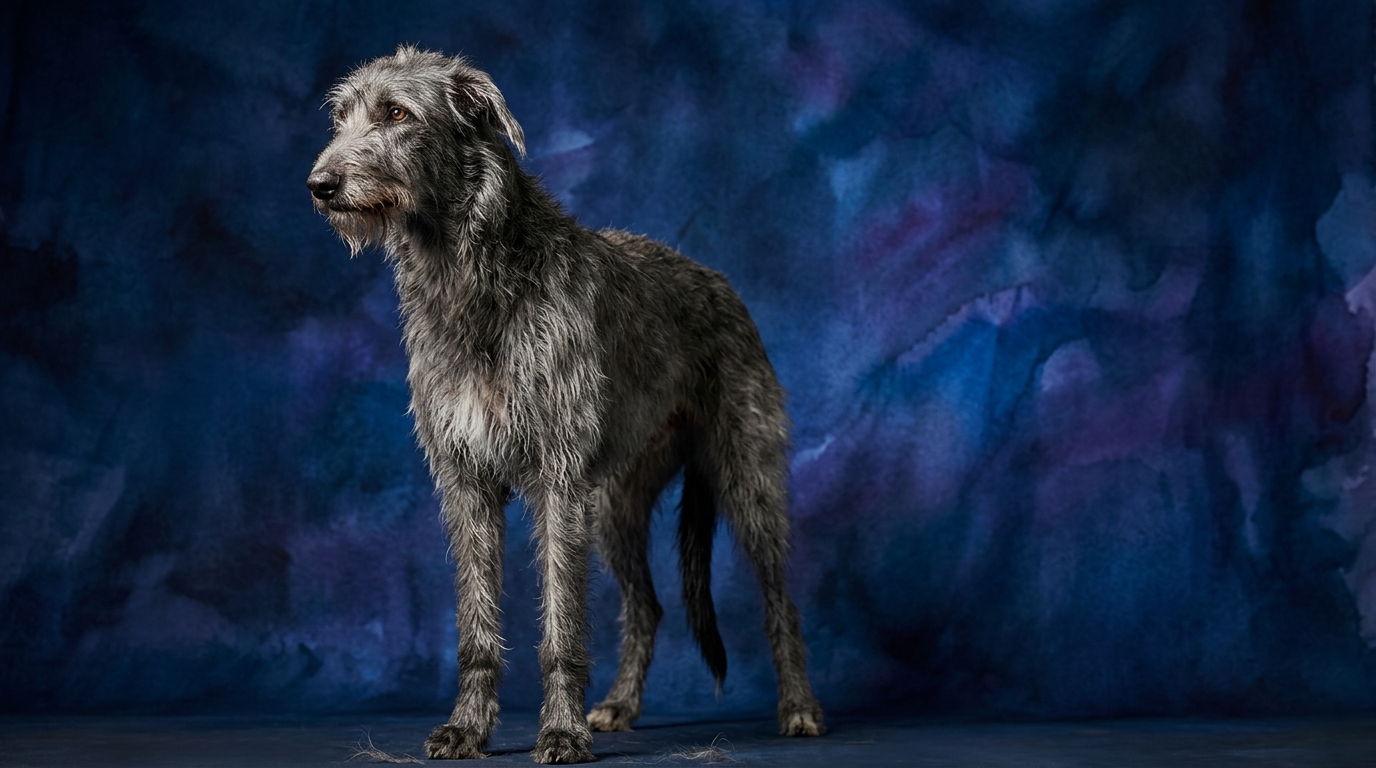
The **Scottish Deerhound**, a majestic sighthound, interprets these same 3/5 scores through a different cognitive framework. Their 3/5 in **Problem Solving** often manifests as intelligent observation and strategic navigation, particularly in open spaces or when assessing pathways during a chase. They might find elegant, efficient solutions rather than a terrier's more direct approach. A 3/5 in **Training Speed** for a Deerhound means they learn effectively with gentle, consistent methods, but can be sensitive to harshness or easily distracted by visual stimuli, requiring patience and engaging techniques. Their **Social Intelligence** at 3/5 is characterized by a gentle, sensitive nature; they are typically attuned to human emotions and can be quite empathetic, though they may display a quiet aloofness with strangers. The **Instinctive Drive** at 3/5 for a Deerhound is overwhelmingly focused on the chase – a powerful, ingrained impulse to pursue moving objects over distance. Lastly, their **Memory** at 3/5 is excellent for remembering people, places, and established routines, often displaying a strong recall for the layout of their environment and past experiences.
Where the Welsh Terrier Wins Cognitively
Despite identical numerical scores, the Welsh Terrier often demonstrates a cognitive advantage in scenarios demanding persistent, independent thought within a defined space. Their 3/5 problem-solving skill, coupled with their inherent terrier tenacity, means they excel at figuring out how to bypass barriers to reach a goal, whether it's getting a toy from under furniture or navigating a complex scent trail. This persistent drive, part of their 3/5 instinctive nature, fuels a focused determination that can be perceived as superior in situations requiring sustained effort against perceived obstacles. Their social intelligence, while perhaps more guarded, allows for rapid assessment of family dynamics and quick reactions to changes within their immediate human pack, making them keenly aware of their owners' moods and intentions in a direct, reciprocal way. Furthermore, their memory for specific locations and objects, particularly those associated with their keen interests, can be remarkably precise.
Where the Scottish Deerhound Wins Cognitively
The Scottish Deerhound's cognitive strengths shine particularly in areas requiring keen observation, spatial reasoning, and a nuanced understanding of their environment, especially in open settings. Their 3/5 problem-solving ability often translates into sophisticated route planning during a chase, or an intuitive understanding of how to best position themselves for comfort and safety. This involves a more expansive, less 'nose-to-the-ground' type of intelligence. Their social intelligence, also 3/5, is characterized by a gentle perceptiveness; they are highly attuned to subtle emotional cues and can offer a calm, empathetic presence, often understanding unspoken needs without demanding overt interaction. This sensitivity makes them adept at navigating complex social situations with grace. Their memory, also 3/5, excels at recalling vast landscapes, the movements of game, and the subtle cues of their human companions over long periods, making them excellent companions for established routines and familiar environments.
Training Dynamics: A Tale of Two Temperaments
When it comes to training, the identical 3/5 'Training Speed' score for both breeds belies a significant difference in the *experience* of training them. The Welsh Terrier's independent spirit, typical of terriers, means they learn quickly but often require consistent, engaging motivation to *perform* reliably. Their problem-solving skills might even be applied to figuring out how to get what they want without fully complying with a command. Training a Welshie often feels like a negotiation, where positive reinforcement and varied exercises are crucial to keep their interest and harness their inherent drive. They can become bored or 'stubborn' if not mentally stimulated, requiring an owner who enjoys the challenge of a thinking dog.
The Scottish Deerhound, by contrast, is known for its sensitivity. While they learn concepts at a similar pace (3/5), harsh training methods can quickly shut them down, making them resistant or anxious. Their sighthound nature means they can be easily distracted by movement in their environment, requiring training in quiet, focused settings initially. Training a Deerhound demands patience, gentle encouragement, and a deep understanding of their sensitive nature. They respond best to positive reinforcement and a calm, reassuring trainer. Their independence stems less from defiance and more from a sighthound's self-reliant nature, which means they might not always see the immediate benefit in performing a command if a more interesting visual stimulus presents itself.
Matching Minds to Lifestyles: Active vs. Relaxed Owners
The choice between a Welsh Terrier and a Scottish Deerhound often comes down to the owner's lifestyle and their preferred type of canine engagement. The Welsh Terrier, with its lively problem-solving and strong instinctive drives, thrives with an active owner who enjoys consistent mental and physical stimulation. They are well-suited for families who participate in dog sports, regular varied walks, or who simply love to engage their dog in puzzles and training games daily. Their tenacious nature means they need an outlet for their energy and curiosity, making them excellent companions for owners who are always on the go and appreciate a dog that is ready for anything. They are not content to be couch potatoes and will create their own entertainment if not adequately stimulated.
The Scottish Deerhound, while requiring bursts of intense exercise in a secure, expansive area, is generally a calm and relaxed companion indoors. Their impressive speed and chase drive necessitate owners who can provide safe opportunities for them to run freely and express their sighthound instincts, typically in a large, fenced yard or private land. However, once their exercise needs are met, their sensitive social intelligence and gentle nature make them ideal for more relaxed owners who appreciate a quiet, dignified presence in the home. They are content to lounge and observe, making them suitable for individuals or families who enjoy a calm home environment but can commit to providing those essential, vigorous outdoor sprints. Their cognitive strengths lie in observation and quiet companionship rather than constant, active engagement.
The Verdict: When to Choose Each Breed
The Verdict
Choose the Welsh Terrier if you are an active, engaging owner who thrives on a dog's independent spirit, enjoys consistent mental challenges, and is prepared to channel a tenacious, problem-solving mind into varied activities and training.
Opt for the Scottish Deerhound if you appreciate a gentle, sensitive companion, can provide secure space for intense, short bursts of exercise, and seek a dignified, calm presence in your home that is deeply attuned to your emotional landscape.
🧠 Find Your Pet's IQ Score
Our Pet IQ Lab assessment covers 25+ tests across 5 cognitive dimensions — personalized to your breed.
Take the Full IQ Test →Frequently Asked Questions
Do Welsh Terriers genuinely learn slower than other breeds?
No, their 3/5 training speed indicates they grasp concepts effectively, but their independent terrier nature means consistent motivation and varied training approaches are essential to maintain their engagement and ensure reliable performance, which can sometimes be mistaken for slower learning.
How does the Scottish Deerhound's instinctive drive impact daily life?
Their 3/5 instinctive drive is primarily focused on chasing, meaning they have a powerful urge to pursue moving objects. This necessitates a securely fenced area for off-leash exercise and careful leash management in open spaces to prevent them from bolting after perceived 'prey'.
Which breed is more suitable for a first-time dog owner, considering their IQ scores?
Neither breed is inherently 'easier' based on identical IQ scores; suitability depends more on lifestyle and personality match. A first-time owner comfortable with consistent, positive training and an active companion might lean towards the Welsh Terrier, while one who values a calm indoor presence and can provide safe, ample running space might prefer the Scottish Deerhound, provided they understand sighthound sensitivities.