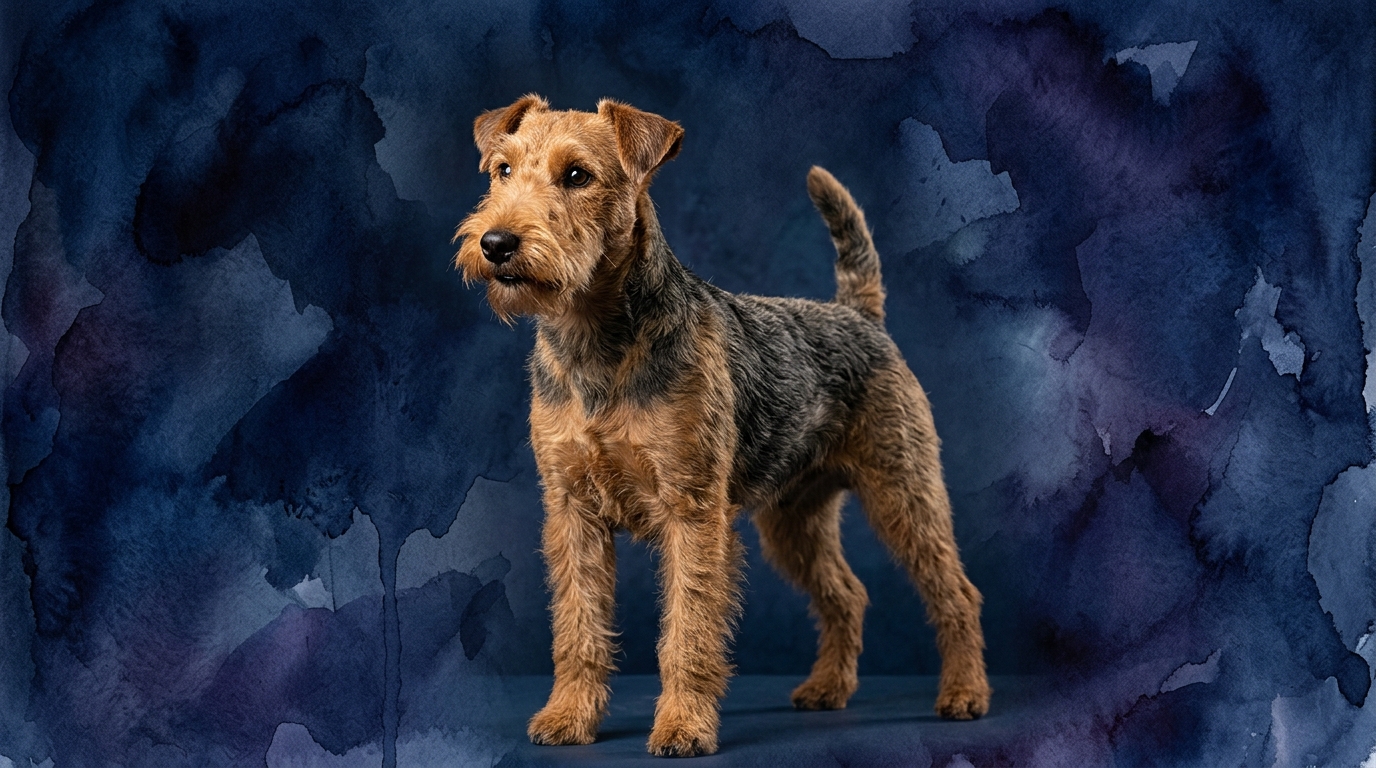
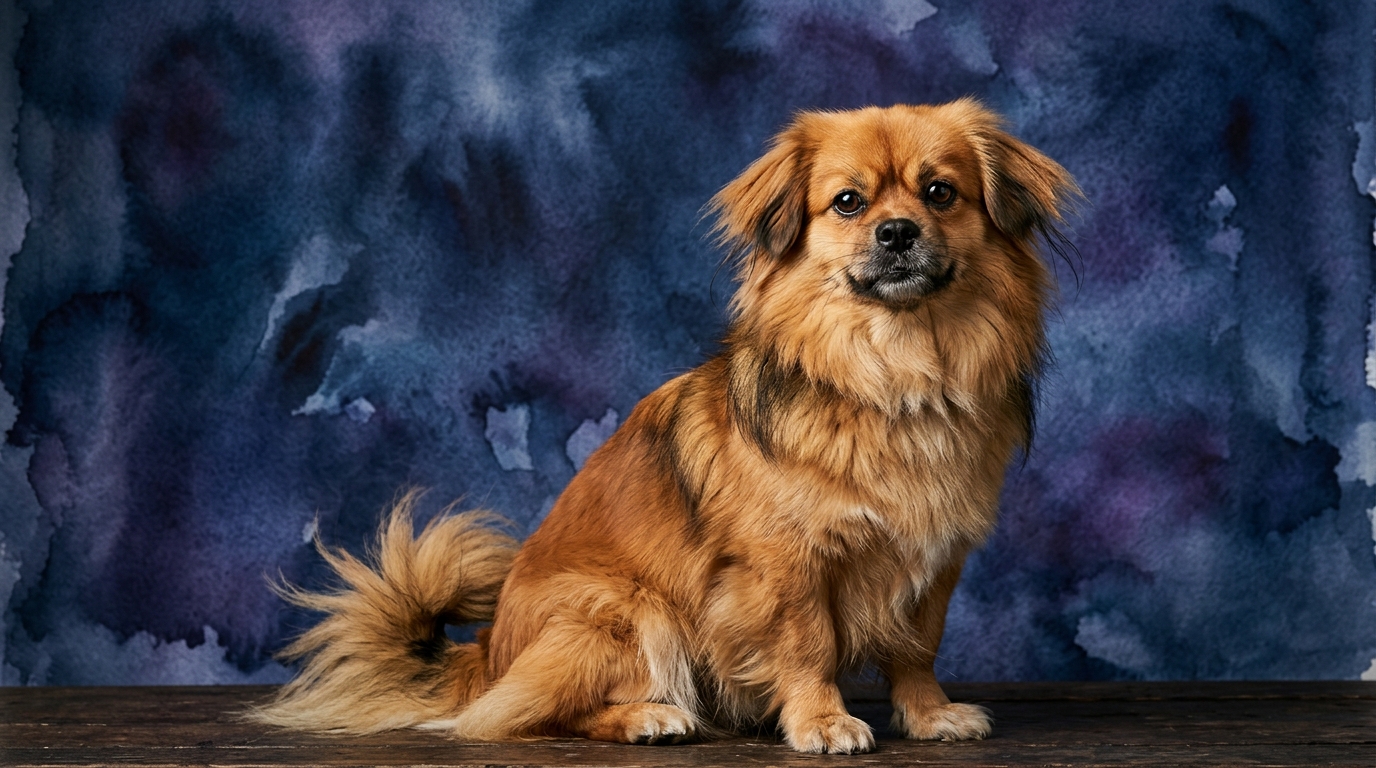
Side-by-Side Cognitive Profiles
The Cosmic Pet Pet IQ Lab assesses canine intelligence across five key dimensions, and both the Welsh Terrier and the Tibetan Spaniel register a consistent 3 out of 5 in each category. While the numerical scores are identical, the manifestation of these cognitive traits varies significantly between the breeds, shaped by their historical roles and inherent temperaments.
For **Problem Solving (3/5)**, the Welsh Terrier exhibits an independent and tenacious approach. They are adept at figuring out how to achieve a desired outcome, often through physical manipulation of their environment, like opening a gate or burrowing under a fence. Their solutions are often driven by instinct and a persistent desire to explore or pursue a scent. The Tibetan Spaniel, conversely, approaches problem-solving with a more observational and socially oriented strategy. They excel at understanding human routines and subtle cues, using this knowledge to 'solve' problems like getting a favored spot on the couch or eliciting a treat, often through charming persistence rather than brute force.
Regarding **Training Speed (3/5)**, the Welsh Terrier can grasp commands relatively quickly, but their independent streak and strong will mean that compliance is not always immediate or consistent. Training requires significant engagement, variety, and a clear understanding of what motivates them. They are not dogs that blindly obey; they question the 'why.' The Tibetan Spaniel also learns at a moderate pace, often eager to please their favored people. However, their attention can wander with repetitive drills, and they respond best to positive reinforcement, short sessions, and a patient, gentle approach, as they are sensitive to harsh corrections.
In **Social Intelligence (3/5)**, the Welsh Terrier demonstrates an ability to read human intentions and moods, but their social interactions tend to be direct and sometimes challenging. They understand pack hierarchy and dynamics, even if they sometimes push boundaries. They are loyal to their family but can be reserved with strangers, evaluating new social situations with a discerning eye. The Tibetan Spaniel, on the other hand, exhibits a highly refined social intelligence, deeply attuned to the emotional states of their human companions. They often act as sensitive barometers of household moods, offering comfort or seeking attention with remarkable subtlety. Their bond with their family is paramount, and they thrive on close interaction and understanding their place within the social unit.
The **Instinctive Drive (3/5)** in a Welsh Terrier is notably strong, manifesting as a pronounced prey drive, an urge to dig, and a territorial vigilance. These instincts are deeply ingrained, requiring consistent management and appropriate outlets. They are driven by their senses to hunt, track, and guard. The Tibetan Spaniel possesses a more moderate instinctive drive, primarily expressed as an alert watchdog tendency—they are quick to bark at perceived intruders or unusual sounds. While they may chase a squirrel, their prey drive is significantly less intense than that of a terrier, and their primary drive is often companionship and observation.
Finally, for **Memory (3/5)**, the Welsh Terrier has a good memory for routines, commands, and the people they encounter. They also have a tendency to remember past experiences, both positive and negative, which can inform their future interactions. They are not quick to forget a perceived slight or a particularly rewarding adventure. The Tibetan Spaniel also demonstrates a good memory, particularly for their favored humans, established routines, and the locations of comfort or treats. They remember which family member is most likely to give them attention or a lap to curl up on, and they learn household patterns with impressive recall.
Where the Welsh Terrier Excels Cognitively
The Welsh Terrier's cognitive strengths truly shine in scenarios demanding independent thought and persistent, goal-oriented action, particularly in physical problem-solving. Their ability to assess a barrier and devise a method to overcome it—whether it's figuring out how to open a kitchen cabinet or navigating a complex outdoor environment—is a testament to their sharp, self-reliant minds. This breed excels when presented with tasks that require sustained effort and a certain degree of cunning, often driven by their strong instinctive motivations. They will tirelessly work to achieve a goal they deem worthwhile, demonstrating a unique blend of intelligence and unwavering determination.
Where the Tibetan Spaniel Excels Cognitively
The Tibetan Spaniel's cognitive advantages are most evident in their nuanced social intelligence and observational learning. They possess an exceptional ability to read human emotions and subtle cues, often anticipating their owner's next move or mood before a word is spoken. This breed excels at understanding complex household dynamics and routines, seamlessly integrating themselves into family life through quiet observation and sensitive interaction. Their capacity to subtly communicate their needs or desires, often through body language rather than overt demands, showcases a sophisticated understanding of their human companions and their environment, making them masters of charming persuasion.
Training Dynamics: Welsh Terrier vs. Tibetan Spaniel
When it comes to trainability, the distinctions between these two breeds become quite pronounced, despite their identical 'Training Speed' scores. The Welsh Terrier's independent spirit and deeply ingrained terrier instincts mean that training can be a consistent challenge. They require an owner who is patient, firm, and creative, using positive reinforcement and engaging methods to make training feel like a game or a puzzle they want to solve. Their tendency to question commands and their strong prey drive can lead to selective hearing, necessitating early socialization and consistent boundary setting. Without proper mental stimulation and consistent training, their intelligence can be channeled into destructive behaviors.
The Tibetan Spaniel, while scoring the same in training speed, often presents a different set of considerations. They are generally more willing to please their beloved family members, which can make initial training seem smoother. However, their sensitive nature means they do not respond well to harsh corrections, and their moderate attention span for repetitive tasks means training sessions need to be kept short, fun, and varied. They are intelligent and learn quickly in a positive environment, but their occasional stubborn streak, coupled with their propensity for being easily distracted, means consistency and gentle guidance are key. They thrive on praise and connection, making relationship-based training highly effective.
Lifestyle Match: Active vs. Relaxed Owners
The energy levels and intrinsic drives of these breeds dictate very different lifestyle matches. The Welsh Terrier is an ideal companion for active owners who relish outdoor adventures and can provide consistent mental and physical engagement. Their robust energy levels demand daily vigorous exercise, such as long walks, runs, or challenging games that tap into their terrier instincts. Owners who enjoy hiking, agility, or earthdog trials will find a willing and capable partner in a Welsh Terrier. Without sufficient outlets for their energy and intellect, they can become bored, leading to undesirable behaviors like excessive digging or chewing.
In contrast, the Tibetan Spaniel is perfectly suited for more relaxed owners who prioritize companionship and a comfortable home life. While they enjoy daily walks and playtime, their exercise needs are moderate. Their primary desire is to be close to their human family, participating in daily routines and enjoying cozy indoor living. They are content to observe the world from a comfortable perch and thrive on being an integral part of the family unit. Owners who appreciate a sensitive, devoted companion content with a moderate activity level and abundant affection will find the Tibetan Spaniel a perfect fit.
The Verdict
Choose the Welsh Terrier if you are an active, experienced owner seeking a spirited, independent, and tenacious companion for outdoor adventures and engaging mental challenges.
Choose the Tibetan Spaniel if you desire a sensitive, observant, and devoted companion who thrives on close family bonds and a more relaxed, comfortable home environment.
🧠 Find Your Pet's IQ Score
Our Pet IQ Lab assessment covers 25+ tests across 5 cognitive dimensions — personalized to your breed.
Take the Full IQ Test →Frequently Asked Questions
Do Welsh Terriers do well in apartments?
Welsh Terriers can adapt to apartment living if their significant exercise and mental stimulation needs are consistently met. Daily vigorous walks, playtime, and engaging training are crucial to prevent boredom and destructive behaviors.
Are Tibetan Spaniels good with children?
Tibetan Spaniels can be good with older, respectful children who understand how to interact gently with a small dog. Their sensitive nature means they prefer calm interactions and may not tolerate rough play.
How do their grooming needs compare?
Welsh Terriers require regular hand-stripping or professional grooming every few months to maintain their wiry coat, plus daily brushing to prevent matting. Tibetan Spaniels have a double coat that needs regular brushing, especially around their feathering, but generally less intensive professional grooming.