Side-by-Side Cognitive Profiles: Whippet vs. Bedlington Terrier
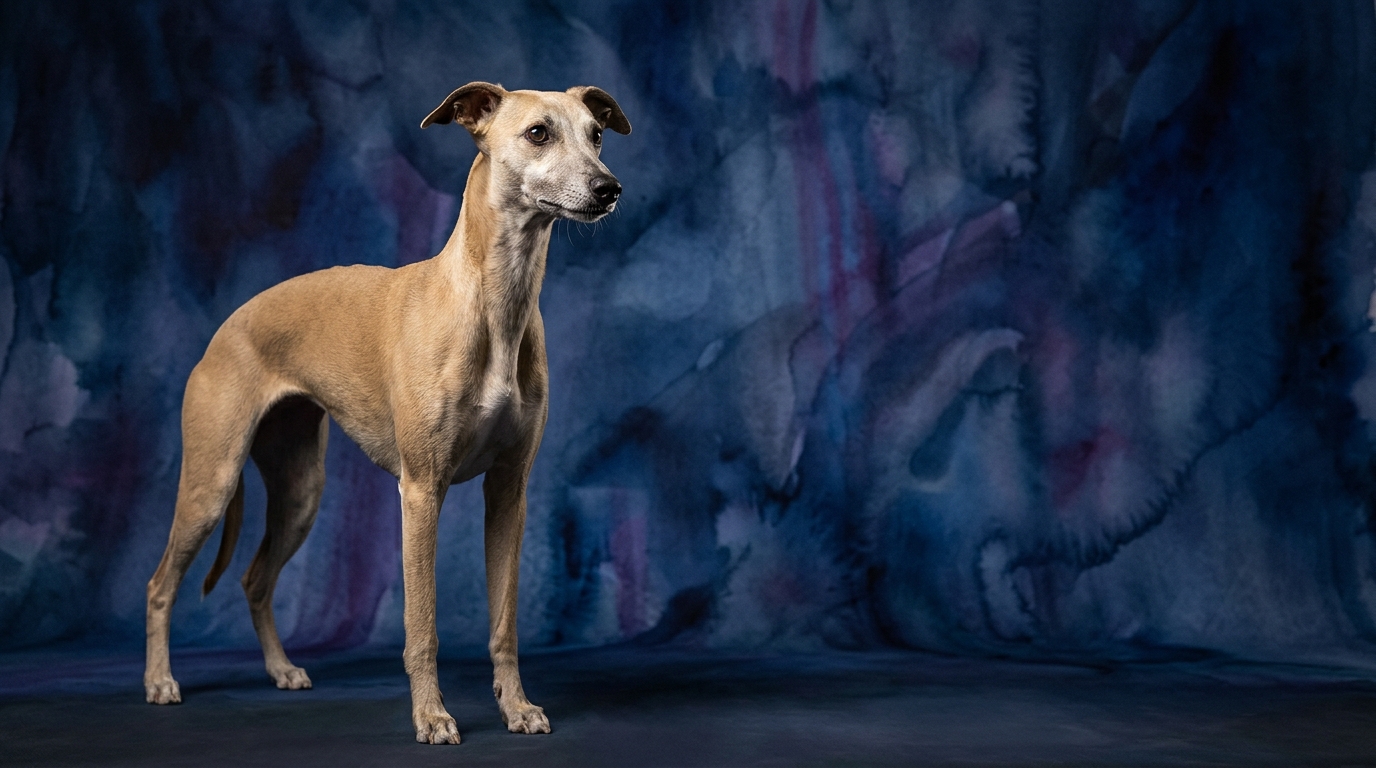
The Whippet, a sighthound breed, holds a Coren rank of #51, indicating a solid capacity for understanding and obeying new commands. Our Pet IQ Lab data shows their Problem Solving at 3/5, suggesting they can navigate direct obstacles but may not seek complex solutions without clear motivation. Their Training Speed is 2/5, reflecting a natural independence that requires consistent, positive reinforcement to overcome. Social Intelligence shines at 4/5, as they are often deeply attuned to human emotional states and subtle cues. Instinctive Drive is a powerful 5/5, dominated by their chase instinct, which significantly influences their focus. Memory stands at 3/5, allowing them to retain learned behaviors and routines effectively.
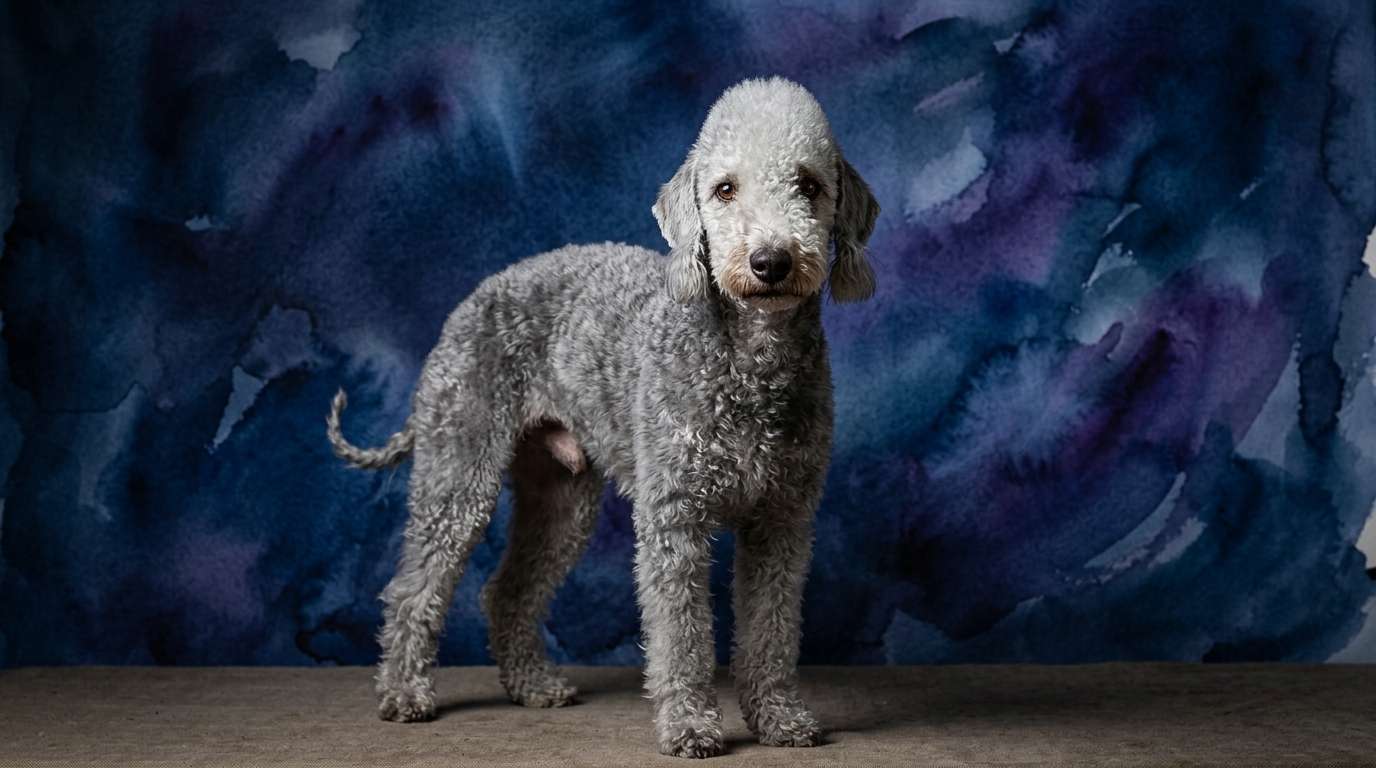
The Bedlington Terrier, a spirited terrier, is not Coren-ranked, yet our IQ metrics provide valuable insight into their cognitive makeup. Their Problem Solving is rated 3/5, indicating a practical ability to figure out how to access desired items or navigate immediate challenges. Training Speed is a moderate 3/5; they are generally responsive and willing to engage, though terrier tenacity can occasionally emerge. Social Intelligence sits at 3/5, meaning they interact well and understand direct human communication, though perhaps with less nuanced emotional sensitivity than a Whippet. Instinctive Drive is a balanced 3/5, encompassing typical terrier traits like digging and a moderate prey drive without the overwhelming intensity of a sighthound. Memory is also 3/5, signifying reliable recall for commands and established routines.
Where the Whippet Excels Cognitively
The Whippet's most prominent cognitive strength lies in their exceptional Social Intelligence, scoring 4/5 compared to the Bedlington Terrier's 3/5. This higher sensitivity translates into an acute awareness of human moods and intentions, fostering a profound, empathetic bond with their owners. They often seem to anticipate needs or offer comfort simply by reading subtle shifts in body language or tone.
Furthermore, the Whippet's intense Instinctive Drive, rated 5/5, represents a specialized form of cognitive excellence. While challenging for general obedience, this unparalleled focus on visual tracking and pursuit endows them with incredible precision and speed in activities like lure coursing. Their ability to process visual stimuli and react with such immediate, coordinated physical response is a testament to their highly evolved sighthound brain, a distinct cognitive advantage in their specialized field.
Where the Bedlington Terrier Shines Cognitively
The Bedlington Terrier demonstrates cognitive advantages in areas related to trainability and adaptability. With a Training Speed of 3/5, they generally pick up new commands and behaviors more readily than the Whippet (2/5). This is often due to their inherent desire to engage with their handler and a less pronounced independent streak, making initial training sessions more fluid and rewarding.
Their more balanced Instinctive Drive (3/5 vs. Whippet's 5/5) also offers a cognitive edge in everyday living. While still possessing terrier instincts, this moderation means they are less likely to be singularly fixated on a chase, allowing their Problem Solving (3/5) to be applied to a wider variety of environmental challenges or interactive puzzle toys. This broader cognitive focus contributes to their versatility and suitability for diverse activities beyond high-speed pursuit.
Training Dynamics: Which is Easier and Why?
When it comes to ease of training, the Bedlington Terrier generally holds an advantage. Their Training Speed score of 3/5, combined with a more moderate Instinctive Drive (3/5), means they are often more amenable to structured learning. Bedlingtons typically enjoy engaging with their people and are less prone to being overwhelmed by external stimuli compared to a Whippet, making recall and focus easier to establish.
The Whippet, with a Training Speed of 2/5 and an overwhelming Instinctive Drive of 5/5, presents a different training landscape. Their sighthound heritage means they were bred to work independently, often ignoring human commands in favor of a visual trigger. This innate independence and the powerful urge to chase can make reliable recall a lifelong endeavor, particularly in unfenced areas or when a small animal appears. Training a Whippet requires immense patience, very high-value rewards, and a deep understanding of their unique motivations, recognizing that their independence isn't defiance but ingrained purpose.
Matching Cognitive Profiles to Lifestyles: Active vs. Relaxed Owners
For owners seeking an active companion, the Whippet's cognitive profile aligns well with a lifestyle that can accommodate intense bursts of energy. Their powerful Instinctive Drive (5/5) necessitates outlets like lure coursing, sprinting in secure, fenced areas, or long, brisk walks. While known for their calm demeanor indoors, neglecting their need for high-speed activity can lead to frustration. Owners who appreciate a dog that can transition from an athletic powerhouse to a quiet, sensitive presence on the sofa will find the Whippet rewarding, provided they can consistently fulfill their distinct exercise requirements.
The Bedlington Terrier, with its more balanced Instinctive Drive (3/5) and moderate activity needs, is well-suited for owners who might describe themselves as more relaxed, yet still appreciate daily engagement. Their cognitive makeup allows them to be content with regular walks, playtime in the yard, and puzzle-solving activities, without the same imperative for specialized, high-intensity exercise. They adapt readily to apartment living with appropriate mental and physical stimulation, making them a good fit for those seeking an engaging companion without the commitment to managing extreme athletic demands.
The Verdict
Choose the Whippet if you value a deeply empathetic companion, are prepared to manage a powerful chase drive with secure environments, and can provide bursts of high-speed athletic activity balanced with serene indoor relaxation.
Opt for the Bedlington Terrier if you seek an engaging, moderately active dog with a balanced cognitive profile, who enjoys varied activities and is generally more responsive to diverse training and social settings.
🧠 Find Your Pet's IQ Score
Our Pet IQ Lab assessment covers 25+ tests across 5 cognitive dimensions — personalized to your breed.
Take the Full IQ Test →Frequently Asked Questions
Are Whippets good at learning tricks?
Whippets can learn tricks, but their Training Speed of 2/5 suggests it might take more repetition and highly motivating rewards than some other breeds. Their independence means they often need a clear 'what's in it for me?' before committing to a new behavior, especially if it doesn't align with their natural drives.
Do Bedlington Terriers get along with other pets?
Bedlington Terriers, with a Social Intelligence of 3/5 and a moderate Instinctive Drive of 3/5, can generally coexist peacefully with other pets, especially if introduced early. However, their terrier instincts mean supervision is always wise, particularly with smaller, fast-moving critters that might trigger their chase drive.
How do their problem-solving skills differ in everyday life?
Both breeds have a Problem Solving score of 3/5, meaning they're adept at practical, immediate challenges. A Whippet might excel at figuring out how to get onto a favorite couch, while a Bedlington Terrier might apply similar ingenuity to accessing a food puzzle or digging under a fence to explore. Their application of these skills is often shaped by their dominant drives and motivations.