Side-by-side IQ profile
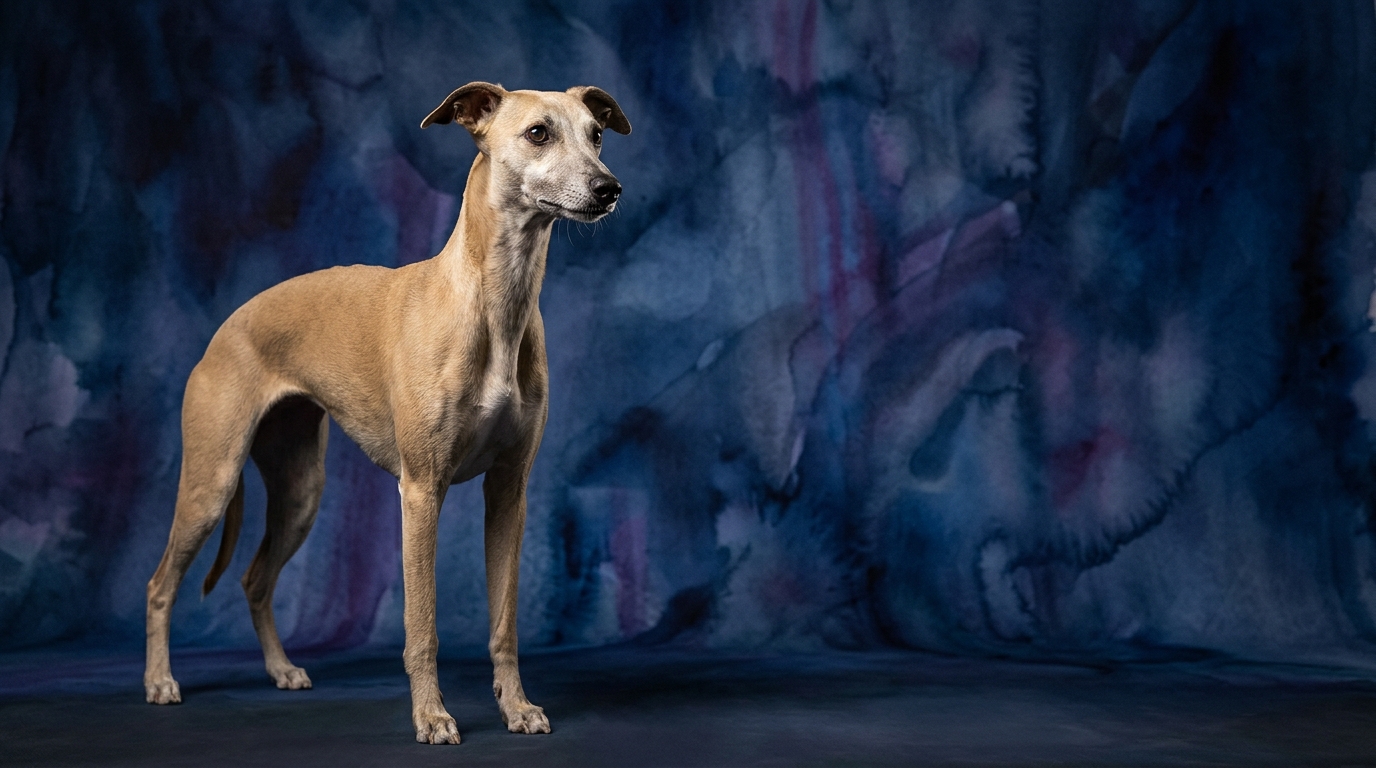
Whippet: This sighthound, ranked #51 by Coren for working and obedience intelligence, demonstrates a keen practical intellect. Their Problem Solving is rated 3/5, indicating an ability to navigate physical environments efficiently, often finding the quickest path or route, rather than engaging in complex abstract reasoning. Training Speed, at 2/5, suggests they can learn but often require patient, engaging methods due to their independent nature, sometimes prioritizing their own instincts over immediate compliance. Social Intelligence shines at 4/5, showing a remarkable capacity to read human moods and respond to subtle social cues, often adapting their behavior to match the household's emotional tone. Their Instinctive Drive is a powerful 5/5, a hallmark of the sighthound, characterized by an intense chase response and an innate understanding of movement and pursuit. Memory, at 3/5, allows them to recall routines, familiar people, and places reliably.
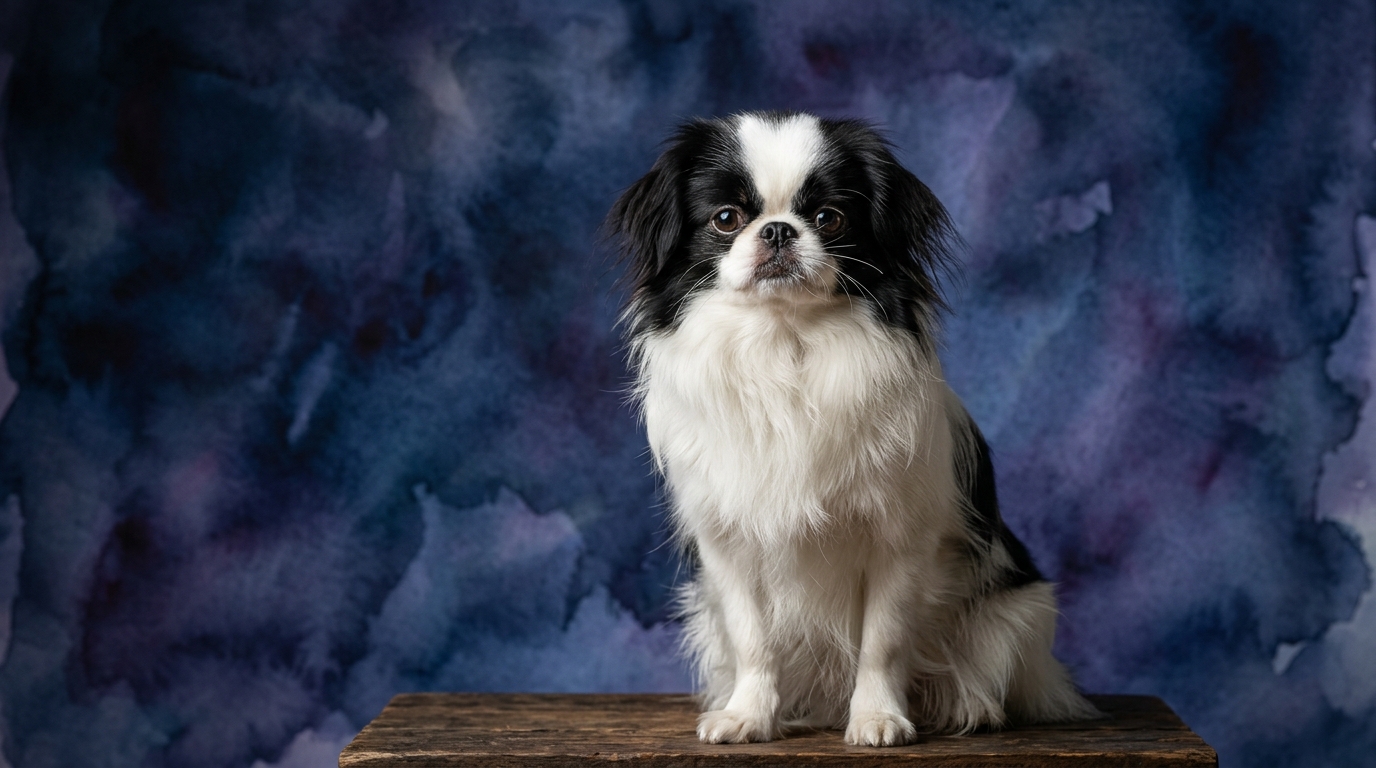
Japanese Chin: Not included in Coren's ranking, this toy breed's intelligence profile is tailored more to companionship than complex tasks. Their Problem Solving is 3/5, enabling them to figure out household challenges like opening cupboards or manipulating objects to gain attention or comfort, though not typically excelling in intricate puzzle-solving. Training Speed is a solid 3/5, indicating a responsive nature; they are generally eager to please their primary human and can pick up commands and tricks with positive reinforcement. Social Intelligence also stands at 3/5; they form deep bonds and are attuned to their owner's presence, though perhaps less adept at reading nuanced group dynamics than a Whippet. Instinctive Drive is 3/5, manifesting as playful curiosity or a desire to engage with toys, rather than a strong prey or working drive. Memory, rated 3/5, ensures they remember their routines, their favorite people, and pleasant interactions consistently.
Where Whippet wins cognitively
The Whippet's cognitive strengths distinctly outshine the Japanese Chin in areas tied to their sighthound heritage and social acumen. Their Instinctive Drive, a perfect 5/5, is unmatched, manifesting as superior spatial awareness and the rapid processing needed for high-speed pursuit and navigation. This isn't just about speed, but the intelligent application of it: predicting a moving object's trajectory and finding the most efficient path to intercept. Furthermore, the Whippet's 4/5 Social Intelligence gives them an edge in interpreting complex human emotional states and family dynamics, often adjusting their presence and interactions with a subtle understanding of the household's mood, making them incredibly intuitive companions. They excel at reading non-verbal cues and adapting accordingly, a skill less pronounced in the Chin.
Where Japanese Chin wins cognitively
The Japanese Chin demonstrates cognitive advantages particularly in its responsiveness and focus within a domestic environment. With a Training Speed of 3/5 compared to the Whippet's 2/5, the Chin often proves more amenable to learning new commands and house rules with fewer repetitions. Their inherent desire to be close to and please their primary human, combined with a less dominant independent streak, makes them quicker to grasp and execute learned behaviors. While both breeds score 3/5 in Problem Solving, the Chin's approach is often geared towards manipulating its immediate environment for comfort or attention, such as strategically placing itself for a lap invitation or nudging a toy for engagement, whereas the Whippet's problem-solving is more about efficient movement. This breed offers a more consistently engaged learning partner for basic obedience and tricks.
Which is easier to train and why
When considering ease of training, the Japanese Chin generally presents a more straightforward experience for the average owner. Their 3/5 Training Speed, coupled with a lower Instinctive Drive (3/5), means they are less likely to be distracted by external stimuli and more inclined to focus on their handler during sessions. They are often motivated by attention and treats, eager to perform for their beloved human. In contrast, the Whippet's 2/5 Training Speed and powerful 5/5 Instinctive Drive mean training requires more strategic engagement and patience. While intelligent, their sighthound nature often means a fleeting squirrel or distant movement can override learned commands, demanding consistent, high-value reinforcement and strong recall training from a young age. Whippets can learn, but their independent spirit and innate chase drive necessitate a different training approach.
Which suits active owners vs relaxed owners
The choice between these two breeds largely hinges on an owner's lifestyle and activity level. The Whippet is an ideal match for active owners who appreciate short bursts of intense exercise, such as lure coursing, sprints in a secure yard, or long, brisk walks, followed by extended periods of serene companionship indoors. Their need to expend energy in a focused manner means they thrive with owners who can provide consistent outlets for their formidable speed and chase instinct. Conversely, the Japanese Chin is perfectly suited for more relaxed owners who desire a devoted, charming indoor companion. Content with gentle strolls, indoor play, and significant lap time, the Chin requires minimal strenuous activity, making them excellent partners for apartment dwellers, seniors, or anyone seeking a calm, constant presence.
The Verdict
Opt for the Whippet if you seek an elegant, athletic companion who thrives on structured bursts of speed and offers nuanced social interaction, provided you can manage their powerful instinctive drive.
Select the Japanese Chin if your lifestyle is calmer, valuing a responsive, charming indoor companion whose primary desire is devoted presence and gentle engagement.
🧠 Find Your Pet's IQ Score
Our Pet IQ Lab assessment covers 25+ tests across 5 cognitive dimensions — personalized to your breed.
Take the Full IQ Test →Frequently Asked Questions
Does the Whippet's Coren rank of #51 accurately reflect its intelligence?
Coren's ranking primarily measures 'working and obedience intelligence,' reflecting how quickly a dog learns and obeys commands. While #51 suggests average trainability in this specific context, it doesn't encompass the Whippet's exceptional instinctive drive, social intelligence, or problem-solving abilities related to its sighthound nature.
How does a Japanese Chin's lack of Coren ranking impact its perceived intelligence?
The absence of a Coren ranking for the Japanese Chin doesn't imply a lack of intelligence; rather, it indicates they weren't evaluated within that specific obedience-focused framework. Their cognitive strengths lie in companionship-oriented skills, such as social bonding, responsiveness to their human, and practical problem-solving within a home environment, which are not captured by Coren's criteria.
Can a Japanese Chin be trained for agility or complex tasks despite its toy breed status?
Absolutely, Japanese Chins can excel in activities like agility, obedience, and even trick training due to their 3/5 training speed and eagerness to please. While they may not have the raw athletic power of larger breeds, their intelligence and responsiveness make them capable and enthusiastic participants in various canine sports and learning endeavors.