Side-by-Side IQ Profile: Whippet vs. Keeshond
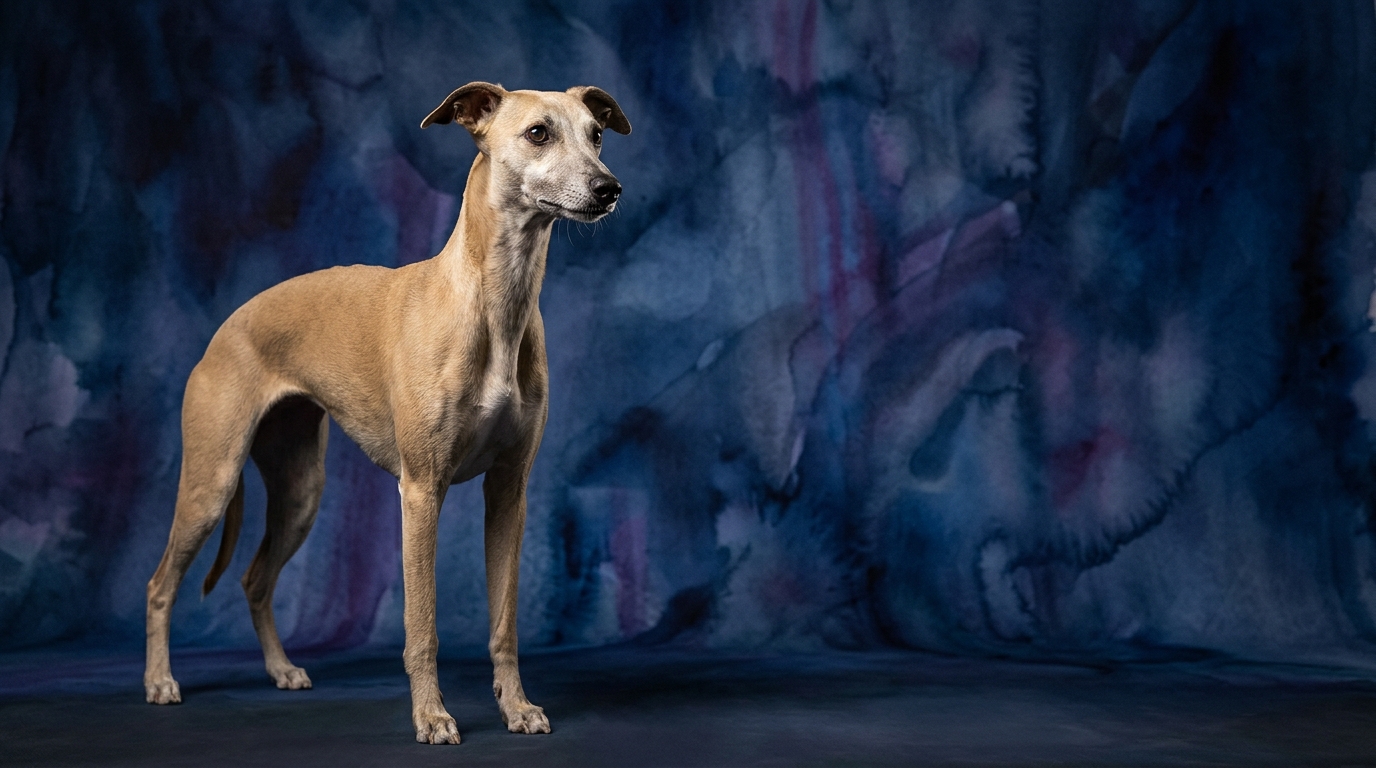
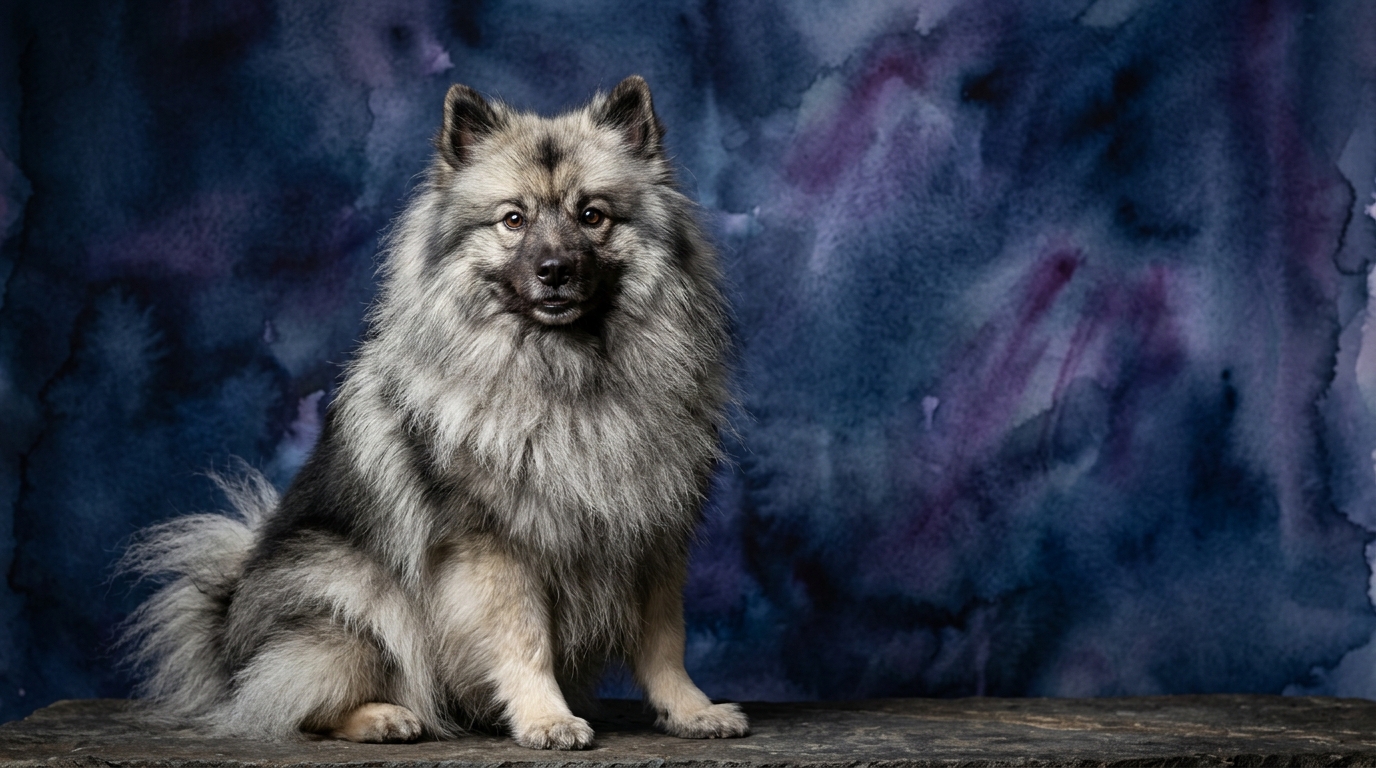
At The Cosmic Pet Pet IQ Lab, we evaluate canine intelligence across five key dimensions, providing a nuanced understanding beyond simple rankings. The Whippet, with a Coren rank of #51, and the Keeshond, ranked #16, present distinct cognitive landscapes worth exploring in detail.
The Whippet's problem-solving ability scores 3/5, indicating a moderate capacity for navigating novel challenges. They often prefer to use their innate speed and agility to bypass obstacles rather than engaging in complex, multi-step strategizing. Their training speed is rated 2/5, suggesting that while capable of learning, they may require more repetitions and patience due to their independent sighthound nature. Social intelligence, however, is a strength for the Whippet at 4/5, enabling them to form deep, intuitive bonds and keenly read human emotions. Their instinctive drive is exceptionally high at 5/5, reflecting their powerful, hardwired impulse to chase and pursue. Memory for the Whippet stands at 3/5, meaning they retain important information but might not excel in recalling intricate sequences over long periods.
In contrast, the Keeshond demonstrates a problem-solving score of 4/5, showing a more robust aptitude for understanding cause-and-effect and devising solutions to new situations. Their training speed is rated 4/5, indicating a quicker grasp of new commands and a greater eagerness to comply. Social intelligence for the Keeshond is 3/5; while affectionate and people-oriented, they might be less subtly attuned to human emotional nuances compared to the Whippet. Their instinctive drive is 3/5, present but generally more manageable than a sighthound's, often manifesting as a desire to bark and alert. A standout feature for the Keeshond is their memory, scoring a remarkable 5/5, allowing them to retain vast amounts of information and complex routines with impressive recall.
Where the Whippet Excels Cognitively
The Whippet's cognitive strengths lie primarily in their social intelligence and an unparalleled instinctive drive. Their 4/5 social intelligence allows them to connect with humans on a deeply empathetic level, often sensing moods and intentions with surprising accuracy. This makes them incredibly sensitive and intuitive companions, fostering a bond built on subtle communication and mutual understanding. They excel at reading body language and emotional cues, making them profoundly responsive to their family's inner world.
Furthermore, the Whippet's 5/5 instinctive drive is a testament to their specialized sighthound heritage. This isn't merely a physical attribute but a complex cognitive program involving rapid visual processing, immediate decision-making, and an innate understanding of pursuit mechanics. While this drive requires careful management in domestic settings, it represents a highly evolved form of intelligence focused on specific, ancient tasks. Their quick reaction times and ability to process visual stimuli for pursuit are cognitive marvels, showcasing a mind uniquely adapted for speed and precision in a dynamic environment.
Where the Keeshond Holds the Cognitive Advantage
The Keeshond shines brightest in areas of memory, training speed, and problem-solving. Their exceptional 5/5 memory is a significant cognitive asset, enabling them to retain an extensive repertoire of commands, routines, and spatial information. This superior recall means they can learn complex sequences and remember past experiences with remarkable clarity, making them adept at tasks requiring sequential understanding and long-term retention. This strong memory underpins much of their trainability and adaptability.
Coupled with their memory, the Keeshond's 4/5 training speed allows them to absorb new information and commands quickly. This readiness to learn, combined with a 4/5 problem-solving ability, means they are often eager participants in training sessions, capable of figuring out what's expected of them and adapting their behavior accordingly. They demonstrate a capacity for understanding and resolving challenges, suggesting a mind that actively processes information to achieve desired outcomes. Their cognitive profile makes them highly receptive to structured learning and mentally stimulating activities.
Training Dynamics: Which is Easier to Guide?
When considering ease of training, the Keeshond generally presents a smoother path for most owners. Their 4/5 training speed, combined with a remarkable 5/5 memory and solid 4/5 problem-solving, means they grasp new commands swiftly and retain them effectively. Keeshonds typically possess an innate desire to please and a high motivation for engagement, which translates into a more cooperative and rewarding training experience, especially for foundational obedience and advanced tricks.
The Whippet, with a 2/5 training speed, can be more challenging to train, not due to a lack of understanding, but rather their inherent independence and powerful instinctive drive. Their 5/5 instinctive drive means that external stimuli, particularly anything moving quickly, can easily override their focus on a handler. While they are intelligent and capable of learning, their motivation often needs to be more carefully curated, and consistency is paramount. Training a Whippet often requires significant patience, positive reinforcement, and a deep understanding of their sighthound nature to keep them engaged and compliant, particularly in distracting environments.
Matching Cognitive Profiles to Owner Lifestyles
The Whippet's cognitive profile makes them an excellent fit for owners who appreciate a blend of athletic prowess and serene companionship. Their high instinctive drive means they thrive with opportunities for controlled sprints and chasing games in secure areas, satisfying their fundamental cognitive programming. However, their moderate problem-solving and training speed, combined with high social intelligence, means they also deeply value quiet, affectionate companionship and respond well to emotionally intelligent handling. They suit owners who can provide bursts of physical activity followed by peaceful, cuddly indoor living.
The Keeshond, with their superior memory, faster training speed, and robust problem-solving, is well-suited for owners who enjoy consistent mental engagement and companionship. They thrive on learning new tasks, participating in dog sports like agility or obedience, and engaging in interactive puzzle toys that challenge their cognitive abilities. Their moderate instinctive drive and social intelligence make them wonderfully adaptable family companions who enjoy being involved in daily activities, making them ideal for owners seeking an interactive, trainable, and watchful canine partner who loves to be at the heart of the home.
The Verdict
Choose a Whippet if you seek an empathetic, independent companion who thrives on intense bursts of physical activity and deep, quiet bonds, and you are prepared for a more nuanced training journey.
Opt for a Keeshond if you desire a highly trainable, intelligent partner eager to learn and engage in mentally stimulating activities, offering consistent companionship and a watchful presence.
🧠 Find Your Pet's IQ Score
Our Pet IQ Lab assessment covers 25+ tests across 5 cognitive dimensions — personalized to your breed.
Take the Full IQ Test →Frequently Asked Questions
Do Whippets need a lot of mental stimulation?
While Whippets have a moderate problem-solving ability, their primary mental stimulation comes from satisfying their strong instinctive drive through controlled chasing and exploring varied environments. They also benefit greatly from social interaction that engages their high social intelligence, rather than complex puzzle toys.
Are Keeshonds good for first-time dog owners?
Yes, Keeshonds can be an excellent choice for first-time dog owners due to their higher training speed and exceptional memory, which generally makes them easier to teach and manage. Their problem-solving abilities and eagerness to learn contribute to a more straightforward and rewarding training experience for novices.
How does social intelligence impact daily life with these breeds?
A Whippet's high social intelligence means they are acutely sensitive to human emotions and thrive on close, intuitive connections, often preferring quiet companionship. A Keeshond's moderate social intelligence means they are affectionate and enjoy being part of family activities, but might be less attuned to subtle emotional cues, focusing more on direct interaction and their role as a family member.