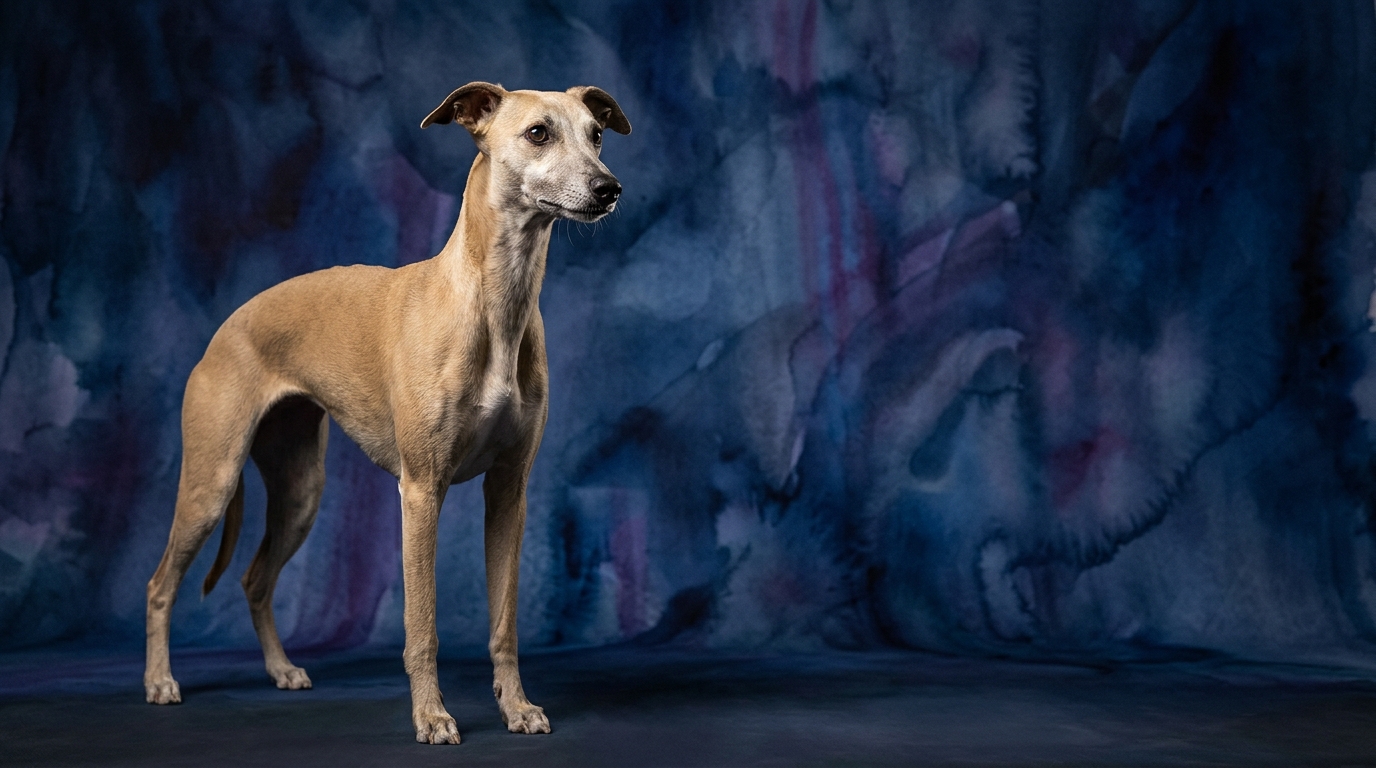
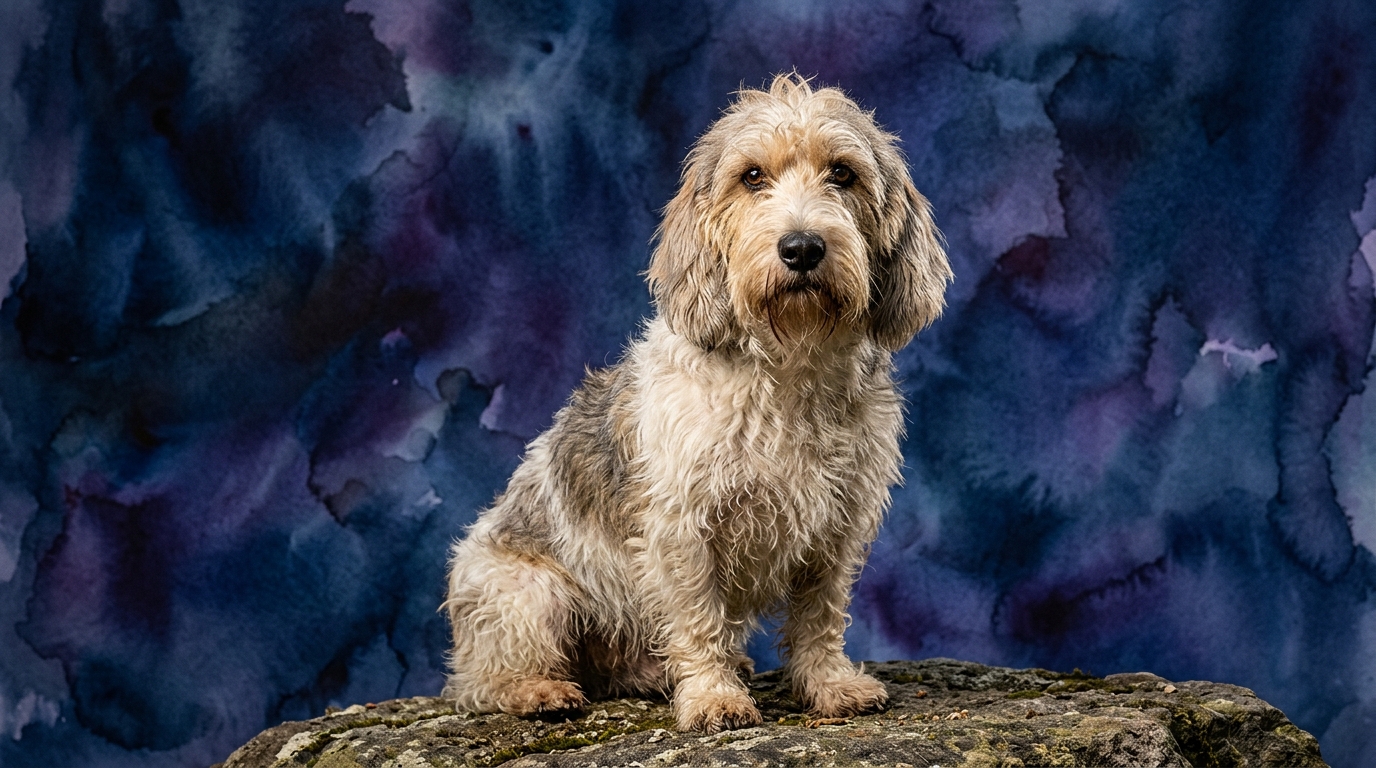
Side-by-Side IQ Profile: Whippet vs. PBGV
The Cosmic Pet Pet IQ Lab provides a unique lens through which to compare these two distinct breeds. Here’s a detailed breakdown of their cognitive dimensions:
**Whippet (Coren Rank #51):**
**Problem Solving (3/5):** Whippets show moderate capacity for independent problem-solving, often preferring direct routes to a desired outcome like a chase or a comfortable spot. Complex, multi-step puzzles might not hold their interest as long as immediate gratification.
**Training Speed (2/5):** Learning new commands isn't always quick for a Whippet due to their independent nature. Consistent, patient, and highly engaging training methods, with high-value rewards, are crucial to maintain their focus and achieve results at their own pace.
**Social Intelligence (4/5):** This breed excels at understanding human cues and emotions, forming strong bonds and offering subtle comfort. They are highly attuned to their family's moods, making them empathetic and responsive companions.
**Instinctive Drive (5/5):** The Whippet's exceptionally strong instinctive drive is primarily a powerful prey drive and an innate desire to run. This deeply influences their behavior, compelling them towards activities that satisfy this primal urge, like chasing movement.
**Memory (3/5):** Whippets possess a solid, average memory for routines, familiar people, and learned commands, especially those linked to positive experiences. Their recall is reliable for established habits rather than a vast array of complex, new behaviors.
**Petit Basset Griffon Vendéen (Not Coren-Ranked):**
**Problem Solving (3/5):** PBGVs exhibit a moderate aptitude for problem-solving, often driven by their keen sense of smell to access items or navigate obstacles. Their approach tends to be more exploratory and persistent than quick and strategic.
**Training Speed (3/5):** PBGVs grasp new commands with reasonable efficiency, slightly better than Whippets. Their eagerness and zest for life can make training sessions productive, though their independent hound nature still requires engaging, consistent methods.
**Social Intelligence (3/5):** PBGVs have good social intelligence, interacting well with families and other dogs. They understand basic social cues and respond to affection, though perhaps with less nuanced emotional attunement than a Whippet.
**Instinctive Drive (3/5):** The PBGV's instinctive drive is rooted in its scent hound heritage, leading to a strong desire to follow interesting smells. This drive is present but less intensely overwhelming than a Whippet's prey drive, allowing for broader attention.
**Memory (3/5):** PBGVs possess an average memory, reliably recalling learned behaviors, routines, and scent locations. Their memory supports environmental navigation and habits without being particularly exceptional.
Where the Whippet Wins Cognitively
The Whippet truly shines in its social intelligence, scoring a robust 4/5. This means they possess a remarkable ability to read and respond to human emotions and subtle social cues. Owners often describe Whippets as empathetic companions, intuitively sensing when their presence is needed for comfort or quiet companionship, making them highly attuned family members.
Furthermore, the Whippet's instinctive drive, rated at a perfect 5/5, is a profound cognitive strength in its own right. This isn't just about physical speed, but a deeply ingrained, laser-like focus on movement and pursuit. This intense drive means they are incredibly motivated by activities that engage their sighthound instincts, whether it's lure coursing or a vigorous game of fetch, showcasing a singular cognitive dedication to their ancestral purpose.
Where the Petit Basset Griffon Vendéen Wins Cognitively
The Petit Basset Griffon Vendéen holds a slight edge in training speed, scoring 3/5 compared to the Whippet's 2/5. This indicates they generally pick up new commands and routines a bit more readily. Their slightly higher enthusiasm and perhaps a less intensely focused singular drive allow for a broader engagement with training exercises, making them potentially more adaptable to diverse learning tasks early on.
While both breeds share a 3/5 in problem-solving, the PBGV's approach is often characterized by a persistent, exploratory curiosity driven by scent. This can manifest as a distinct cognitive advantage when the challenge involves tracking or uncovering hidden items. Their moderate instinctive drive, focused on scent, allows them to methodically work through environmental puzzles that might not capture a Whippet's attention in the same way.
Which is Easier to Train and Why
Based on their respective "Training Speed" scores, the Petit Basset Griffon Vendéen (PBGV) is generally considered slightly easier to train, with a score of 3/5 compared to the Whippet's 2/5. The PBGV's zest for life and less overwhelming instinctive drive mean they can often be more receptive to instruction. While they might still get distracted by an interesting scent, their overall willingness to engage in structured learning sessions can be more consistent, responding well to positive reinforcement.
Whippets, with their lower training speed and formidable instinctive drive, require a more nuanced and patient approach. Their independent nature means they often need compelling reasons, like high-value treats or the promise of a chase, to focus on commands that don't directly align with their innate desires. While they are capable learners, their training journey often demands greater creativity and consistency from their human counterparts to overcome their selective attention and profound chase instinct.
Which Suits Active Owners vs. Relaxed Owners
For active owners seeking a companion for regular, intense bursts of physical activity, the Whippet is an excellent match. Their supreme instinctive drive (5/5) for running and chasing, combined with their moderate problem-solving, means they thrive on activities like lure coursing, sprint training, or vigorous games of fetch in a secure area. However, their lower training speed and occasional independent streak mean owners must be prepared to invest consistent effort in recall and leash training, especially given their powerful prey drive, balancing their need for speed with safety.
Conversely, the Petit Basset Griffon Vendéen, with its balanced instinctive drive (3/5) and slightly better training speed, can appeal to owners who enjoy active exploration but perhaps less intense, sustained bursts of speed. PBGVs are energetic and love to investigate their surroundings, making them ideal for long walks, hikes, and scent-work games. Their good social intelligence, though not as acutely sensitive as the Whippet's, makes them robust companions for families looking for an engaging, fun-loving dog that can adapt to a variety of activities without the same singular focus on chase.
The Verdict
Choose a Whippet if you value a deeply empathetic, socially intelligent companion who will offer quiet affection and shares your enthusiasm for intense, short bursts of activity.
Choose a Petit Basset Griffon Vendéen if you prefer a slightly more trainable dog with a balanced, curious nature, eager for exploratory adventures and robust family interaction.
🧠 Find Your Pet's IQ Score
Our Pet IQ Lab assessment covers 25+ tests across 5 cognitive dimensions — personalized to your breed.
Take the Full IQ Test →Frequently Asked Questions
Does a Whippet's high instinctive drive make them difficult to live with?
While their 5/5 instinctive drive is powerful, primarily for chase, it can be managed. Providing appropriate outlets like lure coursing and secure off-leash areas and consistent training helps channel this drive positively, leading to a content companion.
Can a PBGV be trained for advanced obedience given its 3/5 training speed?
Yes, a PBGV can excel in advanced obedience or scent work. Their 3/5 training speed and curious nature make them receptive to engaging, reward-based training. Consistency and positive reinforcement are key to their success.
How do these breeds typically interact with children or other pets?
Whippets, with 4/5 social intelligence, are generally gentle with children and other pets, forming strong bonds. PBGVs, scoring 3/5, are outgoing and robust, usually getting along well with other dogs and enjoying family life, though their boisterousness might need supervision with very young children.