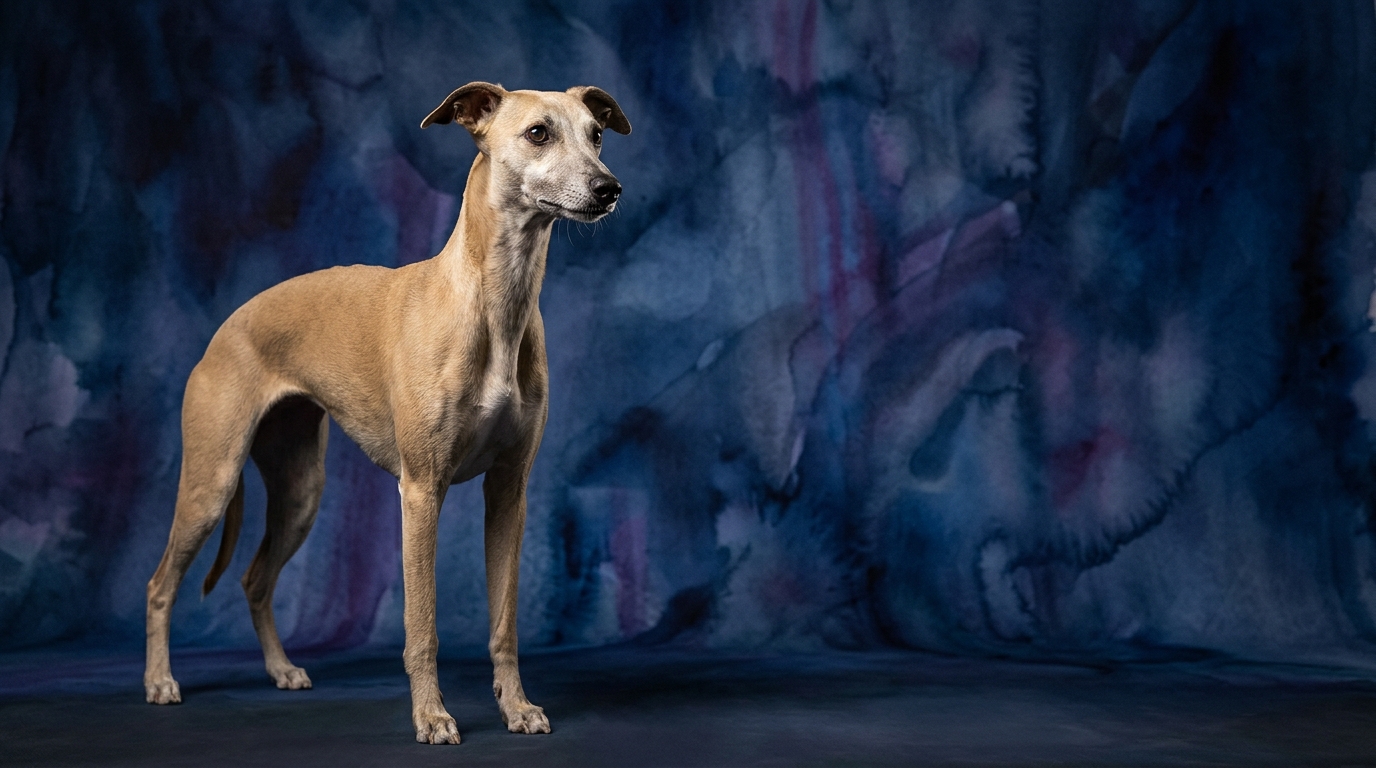
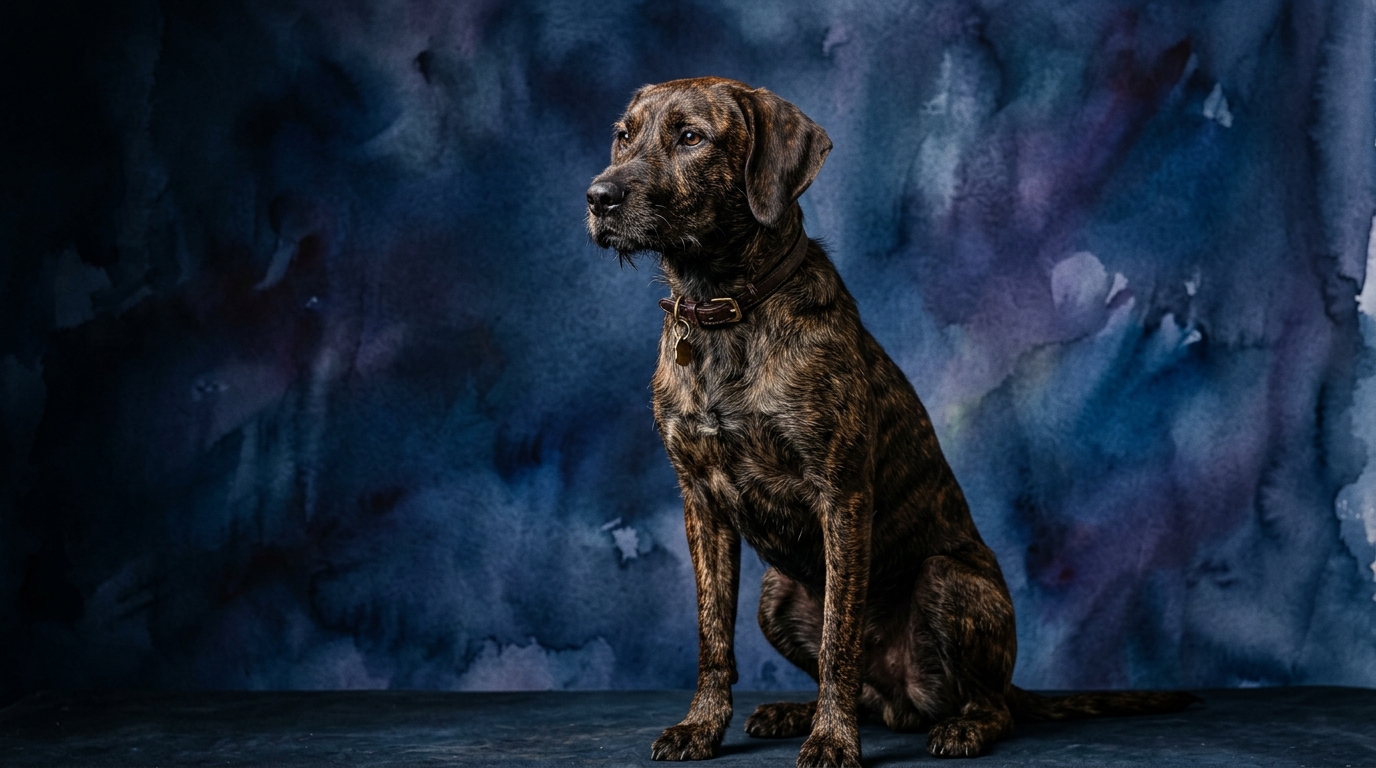
Side-by-Side IQ Profile: Whippet vs. Plott Hound
From The Cosmic Pet Pet IQ Lab, here's how these two hounds measure up on our five cognitive dimensions:
**Whippet (Coren Rank #51)**: Problem Solving (3/5): Whippets demonstrate a practical approach to challenges, often seeking the most direct path to their goal. While they can navigate moderately complex scenarios, their solutions typically involve physical agility or direct interaction rather than abstract strategic planning. They excel at figuring out how to get to a toy or a comfortable spot. Training Speed (2/5): Learning new commands requires significant repetition and patience with a Whippet. They grasp concepts but may not always see the immediate value in complying, often exhibiting an independent streak. Consistency and high-value rewards are essential to overcome their occasional selective hearing. Social Intelligence (4/5): Exceptionally attuned to human emotions and subtle social cues, Whippets form profound bonds with their families. They are highly responsive to their owners' moods and often seek to comfort or engage based on perceived emotional states, making them incredibly empathetic companions. Instinctive Drive (5/5): Their sighthound heritage manifests as an unparalleled prey drive, primarily visual. The instinct to detect, assess, and explosively pursue fast-moving objects, whether a lure or a squirrel, is exceptionally strong and a defining, deeply ingrained cognitive program. Memory (3/5): Whippets possess a solid memory for routines, familiar people, and positive or negative experiences. They recall learned commands and their environment effectively, though intricate sequences or highly nuanced details might fade without regular reinforcement.
**Plott Hound (Not Coren-Ranked)**: Problem Solving (3/5): Plott Hounds exhibit robust, practical problem-solving skills, particularly when these challenges relate to their ancestral hunting tasks. They are adept at navigating complex terrain or figuring out how to follow a scent trail, but they are not typically inclined towards abstract puzzle-solving for its own sake. Training Speed (3/5): Moderately responsive to training, Plott Hounds are capable of learning and retaining commands and routines with a fair degree of consistency. They appreciate clear structure and purpose in their training, though their powerful scent drive can sometimes lead to distractions, requiring focused attention from the handler. Social Intelligence (3/5): Plott Hounds form strong, loyal connections with their families and are generally affable and protective. While they are attentive to their human companions, their social awareness is often expressed through a more functional, cooperative lens, rather than the overt emotional sensitivity seen in some other breeds. Instinctive Drive (3/5): This breed possesses a distinct, powerful scent-driven hunting instinct. Their drive is focused on tracking, baying, and treeing game, demanding endurance and concentration. While strong, it differs from the Whippet's high-speed visual pursuit, being more about persistent investigation and vocal notification. Memory (3/5): Plott Hounds demonstrate a strong memory for scent trails, territory, and established routines, which is crucial for their working roles. Their recall for general obedience commands is reliable, though they may prioritize a compelling scent over a verbal cue if not thoroughly proofed.
Where the Whippet Wins Cognitively
Whippets distinctly outperform Plott Hounds in social intelligence, scoring a 4/5 compared to the Plott’s 3/5. This higher rating reflects their exceptional capacity to read and respond to human emotions and subtle body language. A Whippet often seems to anticipate their owner's needs or moods, offering comfort or engaging in play based on perceived emotional states, fostering an incredibly deep and intuitive bond. This empathetic resonance is a hallmark of their cognitive makeup.
Furthermore, the Whippet’s instinctive drive, rated at a perfect 5/5, is a testament to their specialized sighthound heritage. This isn't merely a general inclination to chase; it's a finely honed cognitive system for rapid visual processing, target acquisition, and explosive pursuit. Their entire mental framework is optimized for speed and visual tracking, making them uniquely adept at activities like lure coursing, where this specific cognitive strength can be fully expressed and admired.
Where the Plott Hound Wins Cognitively
The Plott Hound edges out the Whippet in training speed, scoring a 3/5 compared to the Whippet’s 2/5. This indicates that while both breeds benefit from consistent effort, the Plott Hound tends to process and integrate new commands and routines with slightly more readiness and less repetition. Their historical role as a cooperative hunting dog means they often possess a desire to work with their handler, which translates into a more receptive attitude during training sessions.
This marginally higher training speed suggests a cognitive framework that, when properly motivated, can assimilate and execute learned behaviors a bit more efficiently. For owners seeking a dog that responds a touch quicker to structured obedience and enjoys the collaborative aspect of training, the Plott Hound presents a cognitive advantage in this specific dimension.
Which is Easier to Train and Why
Based on our Pet IQ Lab metrics, the Plott Hound is marginally easier to train than the Whippet, primarily due to its 3/5 training speed score compared to the Whippet’s 2/5. Plott Hounds often possess a strong work ethic and a desire to please their handler, stemming from their cooperative hunting background. They tend to respond well to clear, consistent instruction and can be motivated by praise and food. While their scent drive can be a distraction, it also provides a powerful avenue for engaging, purpose-driven training exercises that align with their natural inclinations.
Conversely, the Whippet’s lower training speed score reflects a more independent and sometimes selective approach to learning. Whippets understand commands but may choose to comply only if they perceive sufficient motivation or if it aligns with their immediate interest. Their intense prey drive (5/5) means that in stimulating environments, a fast-moving object can instantly override learned commands, making reliable recall and focus particularly challenging. Training a Whippet often requires significant patience, creativity, and a deep understanding of positive reinforcement to encourage their cooperation without stifling their unique spirit.
Which Suits Active Owners vs. Relaxed Owners
When considering lifestyle compatibility, the Whippet and Plott Hound present distinct profiles for active versus relaxed owners. The Whippet, despite its reputation as a calm house dog, possesses an extreme instinctive drive (5/5) for short, intense bursts of speed. Active owners who enjoy activities like lure coursing, competitive dog sports, or who can provide secure, expansive areas for daily, high-speed off-leash running will find the Whippet to be an exhilarating companion. However, their ability to 'turn off' indoors and settle quietly makes them surprisingly suitable for owners who appreciate a calm home life, provided their intense exercise needs are met.
The Plott Hound, with its 3/5 instinctive drive, suits active owners who prefer more sustained, moderate activity, particularly those involving scent work, long hikes, or trail running. They are less about explosive sprints and more about endurance and persistent investigation. For owners leading a more relaxed lifestyle, neither breed is truly sedentary. However, the Plott Hound's unfulfilled working instincts can lead to restlessness, vocalization, or destructive behaviors if not adequately stimulated mentally and physically, making them less ideal for genuinely sedentary households compared to a well-exercised Whippet.
The Verdict
Choose a Whippet if you appreciate a deeply socially intelligent companion who thrives on intense, short bursts of exercise and then relaxes completely indoors, and you're prepared for their independent training style and strong prey drive.
Opt for a Plott Hound if you seek a moderately trainable, hardy working dog for sustained outdoor activities, particularly scent-based pursuits, and can provide consistent mental and physical challenges.
🧠 Find Your Pet's IQ Score
Our Pet IQ Lab assessment covers 25+ tests across 5 cognitive dimensions — personalized to your breed.
Take the Full IQ Test →Frequently Asked Questions
Is a Whippet good with other pets?
Whippets generally coexist well with other dogs, especially if socialized early. However, their extreme prey drive means careful introductions and constant supervision are crucial around smaller, fast-moving pets like cats or rabbits, as their instinct to chase can be overwhelming.
Do Plott Hounds make good family dogs?
Plott Hounds can be loyal and affectionate family dogs, forming strong bonds with their pack. They are generally good with children, especially if raised together, but their energy and vocal nature mean they thrive in active households that can meet their needs for exercise and companionship.
Which breed is more vocal, Whippet or Plott Hound?
Plott Hounds are typically far more vocal than Whippets, known for their characteristic baying and howling, especially when on a scent or feeling neglected. Whippets are generally quiet dogs, reserving their barks for specific alerts or moments of excitement.