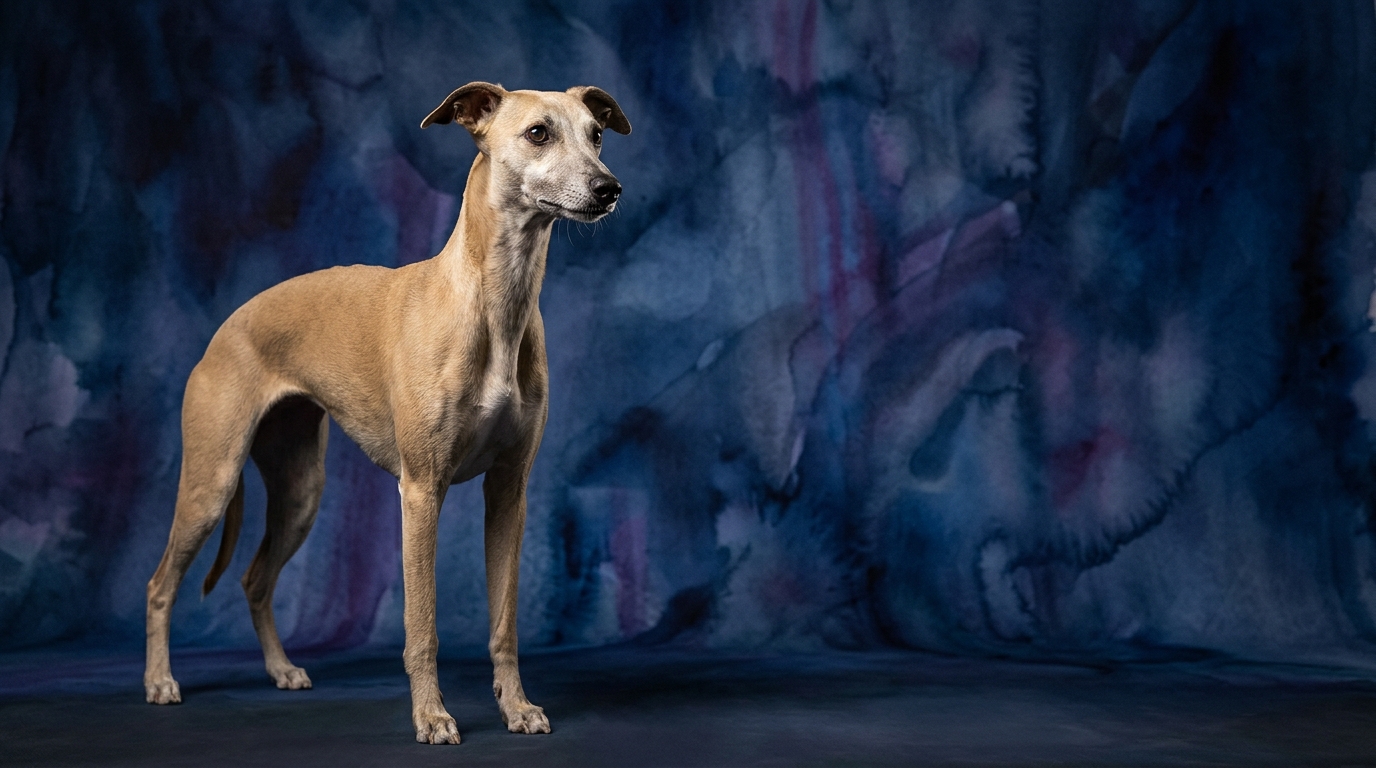
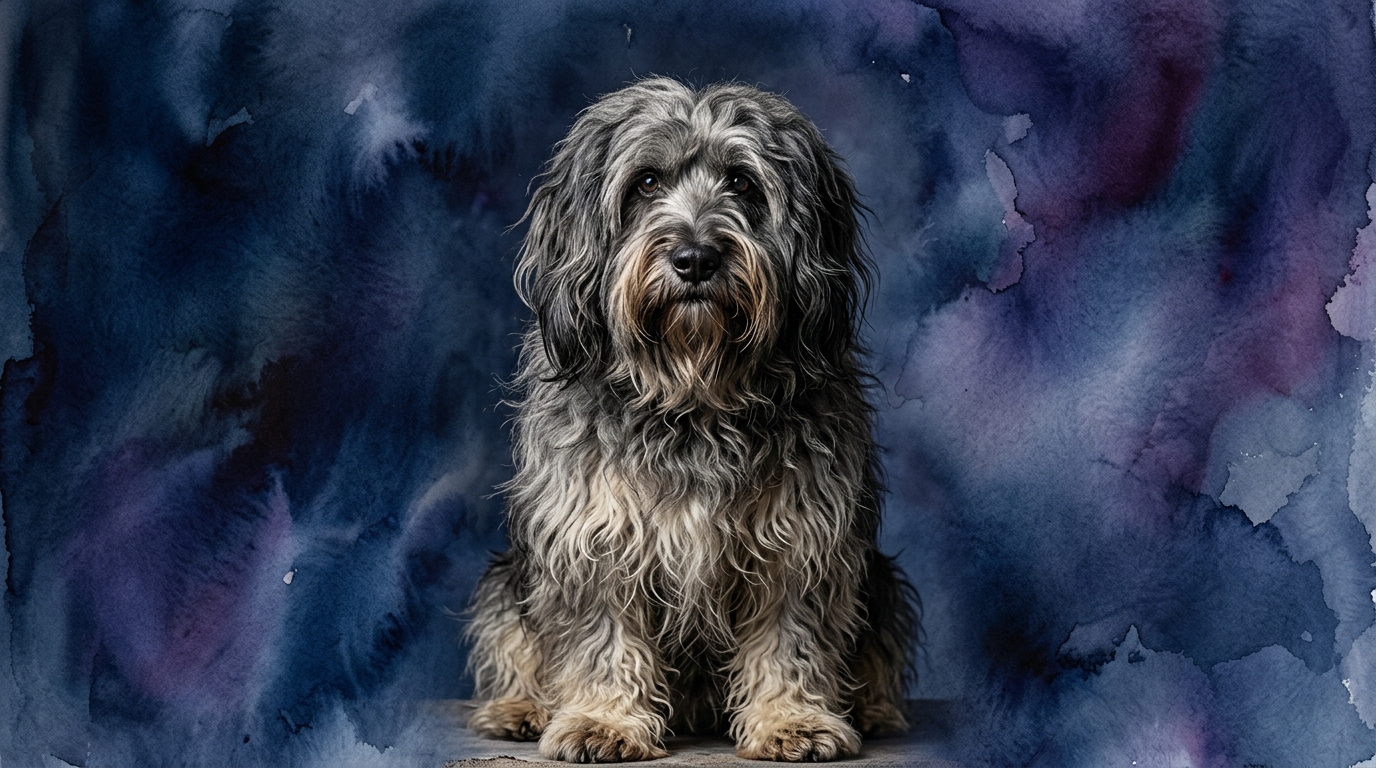
Side-by-Side IQ Profile: Whippet vs. Polish Lowland Sheepdog
The Whippet's cognitive profile reflects its heritage as a pursuit hunter, blending elegance with bursts of intense focus. Their problem-solving capacity sits at a solid 3/5, suggesting they can navigate straightforward challenges but aren't typically known for complex puzzle-solving. Training speed is rated 2/5, indicating they may require more repetition and creative motivation to master new commands. Where they truly excel is in social intelligence, scoring 4/5; Whippets are keenly attuned to human emotions and subtle cues, making them remarkably empathetic companions. Their instinctive drive, a powerful 5/5, is dominated by a strong prey drive and an urge to chase, a core part of their being. Memory is an average 3/5, sufficient for daily routines but not outstanding for intricate learned sequences.
The Polish Lowland Sheepdog (PLS) presents a different cognitive landscape, shaped by centuries of working livestock. Their problem-solving ability matches the Whippet at 3/5, but this often manifests in strategic thinking related to managing and moving animals, or navigating complex environments. Their training speed is a slightly more receptive 3/5, suggesting they can learn new tasks with reasonable efficiency, though perhaps not with lightning speed. Social intelligence is 3/5; while affectionate and loyal, their focus might be more on task execution or independent decision-making than constant human emotional mirroring. Their instinctive drive is a moderate 3/5, primarily expressed as a herding impulse to gather and control, rather than chase. Memory, like the Whippet, is rated 3/5, providing a reliable recall for their working duties and daily life. The absence of a Coren ranking for the PLS doesn't imply a lack of mental capacity, but rather that their intelligence hasn't been primarily evaluated through the obedience-centric lens Coren's methodology often employs.
Where the Whippet Wins Cognitively
The Whippet's standout cognitive advantage lies in its exceptional social intelligence, scoring 4/5 compared to the PLS's 3/5. This means Whippets are often more adept at reading human body language, tone of voice, and emotional states, making them incredibly intuitive and sensitive companions. They can anticipate needs or moods with remarkable accuracy, fostering a deep, empathetic bond with their owners. This heightened social awareness contributes to their reputation as "velcro dogs" who thrive on close companionship. Furthermore, while their powerful instinctive drive (5/5) can pose training challenges, it is also a testament to a highly specialized form of cognition. This intense focus on a moving target, the speed of processing visual stimuli, and the rapid decision-making required for a chase are sophisticated mental processes. For owners engaged in activities like lure coursing, this drive represents a pinnacle of natural athletic and cognitive prowess, a singular focus that few other breeds possess to the same degree.
Where the Polish Lowland Sheepdog Wins Cognitively
The Polish Lowland Sheepdog demonstrates a subtle but significant cognitive edge in its overall training speed, rated 3/5 against the Whippet's 2/5. While neither breed is a "lightning learner," the PLS tends to grasp new commands and routines with slightly less repetition. This difference often stems from their working heritage, where responsiveness to handler cues was crucial for effective livestock management. Their problem-solving abilities, though numerically equal to the Whippet's at 3/5, often manifest in a more strategic and independent manner. A PLS might excel at figuring out how to open a gate or navigate a complex obstacle course to achieve a goal, reflecting a practical, adaptable intelligence honed by centuries of independent decision-making on the pasture. Their instinctive drive (3/5), while lower than the Whippet's, is also a win in terms of balance. This moderate herding drive is less likely to override all other cognitive functions, making them more amenable to diverse training tasks and less prone to single-minded pursuits than a sighthound might be. Their drive is about control and management, requiring a different set of cognitive skills than pure chase.
Which is Easier to Train and Why
Based on our IQ Lab metrics, the Polish Lowland Sheepdog holds a slight advantage in ease of training, primarily due to its 3/5 training speed compared to the Whippet’s 2/5. This suggests that a PLS is generally more receptive to learning new commands and establishing routines, often showing a greater inclination to engage with tasks set by their handler. Their herding background instills a desire for a "job" and a cooperative spirit, which can be harnessed effectively in training. In contrast, the Whippet's training can be a more patient endeavor. Their lower training speed rating isn't a reflection of a lack of mental capacity, but rather their independent hound nature and their overwhelming instinctive drive (5/5). A Whippet’s world is often dominated by visual stimuli and the urge to chase, making sustained focus on obedience commands challenging, especially in stimulating environments. They are easily distracted by movement, and their strong prey drive means they may choose to follow their nose or eyes over a verbal cue, requiring consistent, positive reinforcement and an understanding of their deep-seated motivations.
Which Suits Active Owners vs. Relaxed Owners
For owners seeking a harmonious blend of activity and tranquility, the Whippet is often an ideal match. While they possess an explosive instinctive drive (5/5) that demands opportunities for full-speed sprints in secure environments, these bursts of energy are typically short-lived. After a vigorous run or a session of lure coursing, Whippets transform into quintessential "couch potatoes," content to lounge and enjoy quiet companionship. Their high social intelligence (4/5) means they thrive on human interaction and physical closeness, making them excellent companions for relaxed evenings. They suit owners who appreciate short, intense exercise followed by long periods of calm. The Polish Lowland Sheepdog, on the other hand, is better suited for consistently active owners who appreciate a working breed's need for engagement. Their moderate instinctive drive (3/5) and herding background mean they require regular mental stimulation and physical activity to prevent boredom and potential destructive behaviors. They aren't content with just a quick sprint; they need purpose, whether it's advanced obedience, agility, herding games, or extensive walks that challenge their problem-solving abilities. Owners who enjoy teaching new tricks, engaging in dog sports, or providing a consistent "job" will find the PLS a rewarding and dedicated partner.
The Verdict
Choose a Whippet if you seek an empathetic, sensitive companion who thrives on close connection, appreciates explosive bursts of activity followed by long, peaceful lounging, and you're prepared to manage a strong chase instinct.
Opt for a Polish Lowland Sheepdog if you desire a robust, intelligent working partner who needs consistent mental engagement, enjoys problem-solving challenges, and you can provide a structured, active lifestyle.
🧠 Find Your Pet's IQ Score
Our Pet IQ Lab assessment covers 25+ tests across 5 cognitive dimensions — personalized to your breed.
Take the Full IQ Test →Frequently Asked Questions
Do Whippets require a lot of exercise daily?
Whippets need opportunities for short, intense sprints in a safe, enclosed area to satisfy their strong instinctive drive. Beyond these bursts, they are relatively low-energy indoors and enjoy lounging, making their exercise needs more about quality than constant duration.
Are Polish Lowland Sheepdogs good for first-time dog owners?
Polish Lowland Sheepdogs can be a challenge for first-time owners due to their need for consistent training, mental stimulation, and a clear leader. Their independent problem-solving and herding instincts require an owner dedicated to engagement and structure.
How do the social needs of a Whippet compare to a Polish Lowland Sheepdog?
Whippets, with their 4/5 social intelligence, often form very deep, empathetic bonds and thrive on close physical proximity and human interaction, often preferring to be near their family. Polish Lowland Sheepdogs, at 3/5 social intelligence, are loyal and affectionate but may exhibit more independence and a focus on tasks rather than constant emotional mirroring.