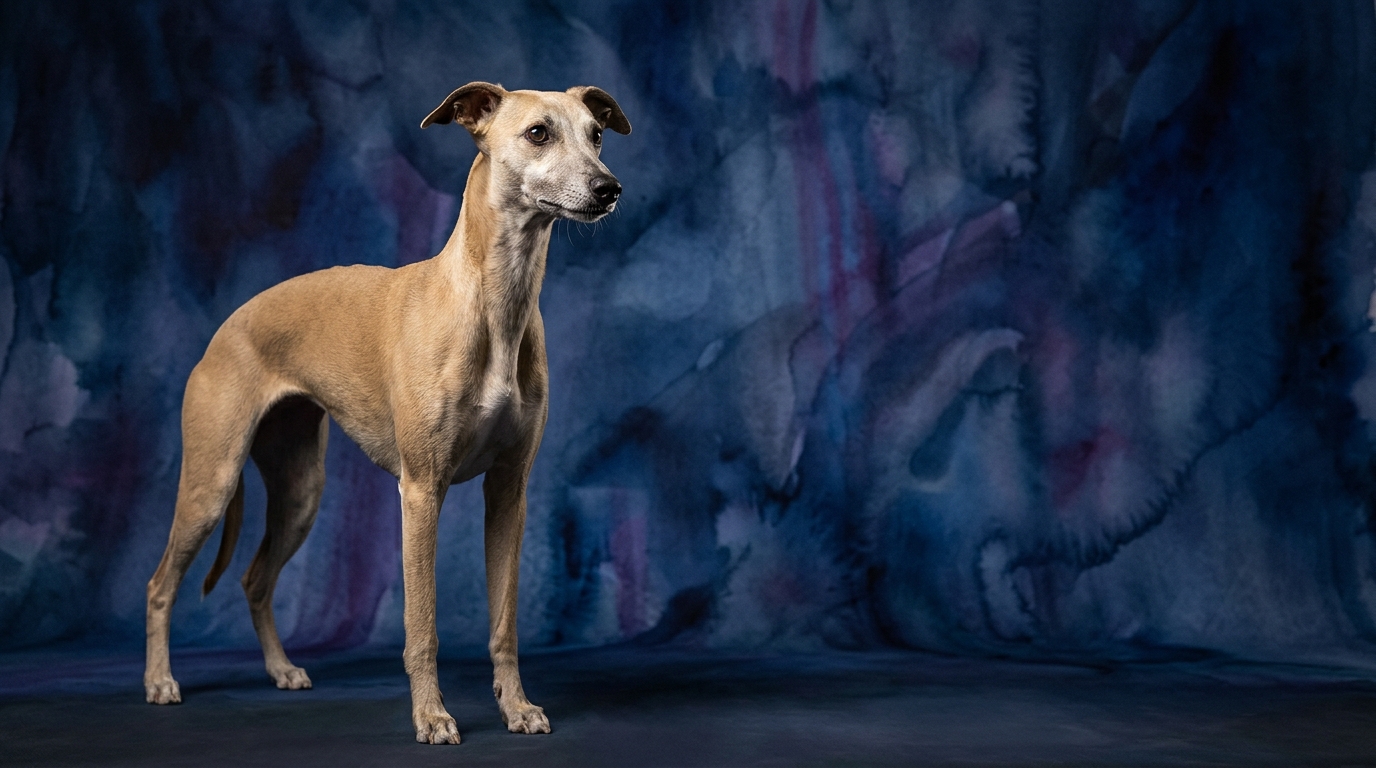
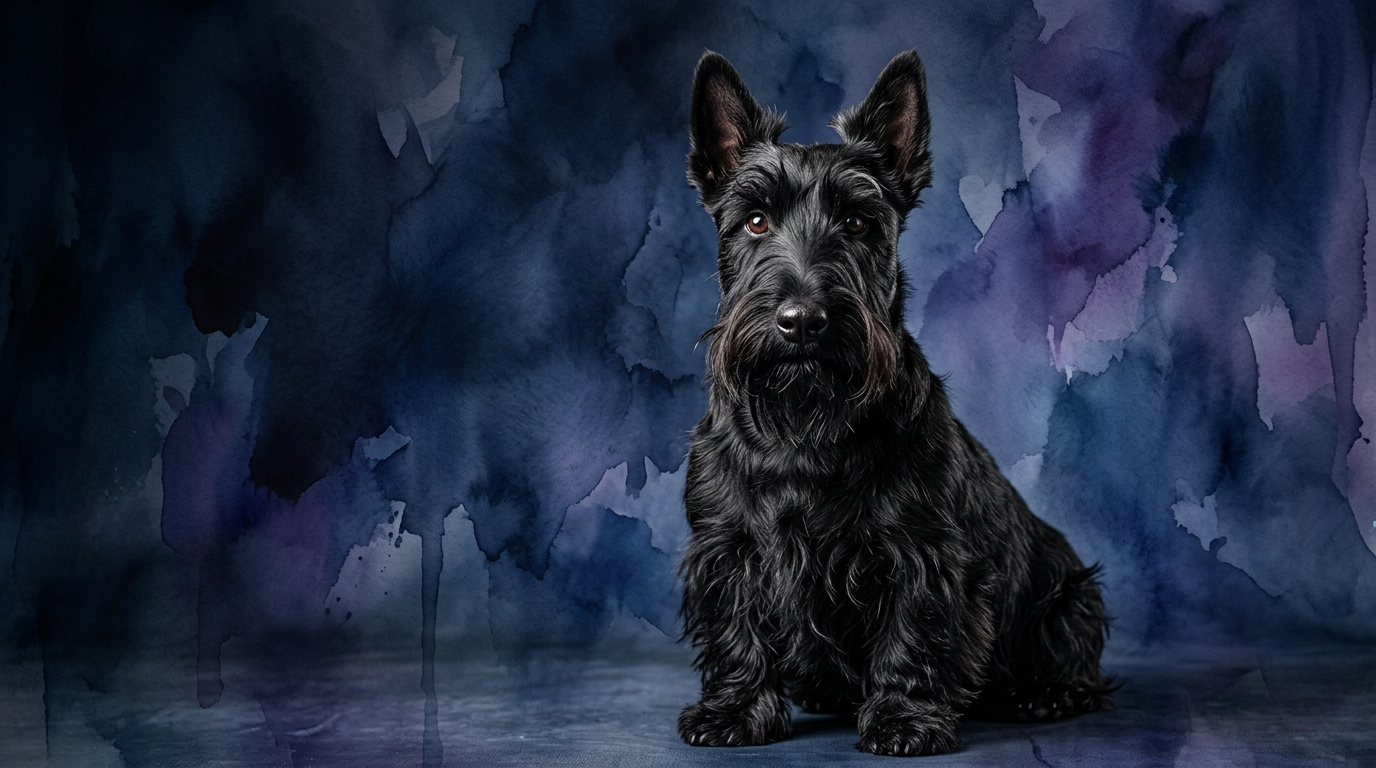
Side-by-Side Cognitive Profiles: Whippet vs. Scottish Terrier
At The Cosmic Pet Pet IQ Lab, we analyze canine intelligence across five key dimensions, offering a nuanced look beyond simple obedience. For the Whippet, ranked #51 by Coren, its intelligence profile highlights a Problem Solving score of 3/5, indicating an aptitude for figuring out moderately complex tasks, especially those involving speed or access to desired objects. Their Training Speed is 2/5, suggesting they may require more repetition to grasp new commands, often due to their focus being drawn by instinct. A high Social Intelligence of 4/5 means they are remarkably attuned to human emotions and social cues, forming deep bonds. Their Instinctive Drive is a perfect 5/5, reflecting an unparalleled prey drive and rapid visual processing. Memory for a Whippet stands at 3/5, allowing them to retain learned behaviors and routines effectively.
In contrast, the Scottish Terrier, with a Coren rank of #65, presents a distinct cognitive makeup. Their Problem Solving ability is also 3/5, but often manifests as determined persistence in tackling challenges rather than quick, intuitive leaps. The Scottie's Training Speed is rated 3/5, indicating a reasonable pace of learning, although their independent nature can sometimes make them appear less eager to comply. Their Social Intelligence is 3/5, meaning they form strong attachments to their family but can be reserved with strangers, demonstrating a balanced social awareness. Instinctive Drive for the Scottish Terrier is 3/5, reflecting a moderate terrier drive for digging and exploring, less intense than a sighthound's. Finally, their Memory is 3/5, showing a good capacity for retaining routines, commands, and past experiences.
Where the Whippet's Cognition Excels
The Whippet's cognitive strengths truly shine in areas connected to their sighthound heritage and their deep social bonds. With a social intelligence score of 4/5, Whippets are remarkably perceptive of human emotions and social dynamics. They often anticipate their owner's moods and desires, making them incredibly empathetic companions who thrive on close interaction and subtle communication. This high social acumen means they are often described as sensitive and responsive, quickly picking up on non-verbal cues and adapting their behavior accordingly.
Furthermore, their instinctive drive, scoring a perfect 5/5, is an extraordinary cognitive advantage in specific contexts. This isn't just about chasing; it's about an unparalleled ability to rapidly process visual stimuli, calculate trajectories, and execute lightning-fast pursuit. Their brains are wired for immediate, high-stakes decision-making in a fast-moving environment, a cognitive skill that makes them exceptional at lure coursing or any activity requiring swift, precise reactions to visual targets.
Where the Scottish Terrier's Cognition Stands Out
While the Whippet excels in speed and social sensitivity, the Scottish Terrier demonstrates distinct cognitive advantages rooted in its tenacious terrier spirit. The Scottie's training speed, rated at 3/5, subtly edges out the Whippet's 2/5, indicating a slightly more consistent willingness or capacity to absorb and execute new commands. This isn't necessarily about raw speed of learning, but rather a robust ability to focus and methodically process instructions, even if they sometimes require a bit of convincing.
Their problem-solving score of 3/5, identical to the Whippet's, manifests differently; a Scottie might approach a puzzle with determined persistence, systematically trying different solutions until a breakthrough occurs, rather than relying on swift, intuitive leaps. Their balanced instinctive drive (3/5) means they possess a practical, investigative intelligence, adept at navigating varied environments, exploring scents, and engaging with their surroundings without being overwhelmingly consumed by a single, all-encompassing drive. This allows for a more diversified cognitive engagement with their world, often leading to clever, independent solutions to everyday challenges, such as finding creative ways to access a favorite toy.
Training Dynamics: Whippet vs. Scottish Terrier
When evaluating ease of training, the Scottish Terrier generally holds a slight edge over the Whippet, though both present their unique considerations. The Whippet's training speed of 2/5 suggests they may require more patience and consistent positive reinforcement. Their powerful instinctive drive (5/5) means that in an outdoor setting, a fluttering leaf or distant squirrel can instantly override any command, making off-leash reliability a significant challenge and requiring extensive impulse control training. Their high social intelligence also means they are sensitive to harsh tones, responding best to gentle, reward-based methods.
Conversely, the Scottish Terrier's 3/5 training speed indicates a more straightforward learning curve. While they possess the typical terrier independence, which can manifest as stubbornness, they often respond well to clear, consistent rules and a firm, fair hand. Their instinctive drive (3/5) is more manageable, allowing for better focus in varied environments. A Scottie learns routines and boundaries effectively, and once they understand what is expected, they tend to adhere to it with a characteristic terrier determination, making them more predictably trainable for general obedience tasks, though their desire to dig or pursue small game still requires mindful management.
Matching Breeds to Owner Lifestyles
The choice between a Whippet and a Scottish Terrier depends significantly on an owner's lifestyle and energy levels, though the distinctions aren't always what one might initially expect. Whippets, despite their incredible speed and high instinctive drive, are often described as '45 mph couch potatoes.' They require intense, short bursts of activity – a sprint in a securely fenced area or a vigorous game of fetch – to satisfy their innate need to run. Once these needs are met, they are typically quiet, relaxed companions, content to nap beside their owners. Their high social intelligence means they thrive on close human connection and are excellent for relaxed owners who appreciate a calm, affectionate presence in the home but can commit to providing safe, high-intensity exercise opportunities a few times a week.
Conversely, the Scottish Terrier, with its moderate instinctive drive and problem-solving tenacity, suits owners who enjoy consistent, moderate activity. They are not built for sustained sprints but relish daily walks, exploring new scents, and engaging in mentally stimulating games. They require regular, engaging outings to prevent boredom, which can lead to digging or other independent pursuits. A Scottie is a good fit for owners who appreciate a loyal, independent companion for daily adventures and are prepared to engage their dog's curious, investigative nature through consistent interaction and training.
The Verdict
Choose a Whippet if you desire an empathetic, sensitive companion who thrives on close social bonds and can fulfill their exercise needs through short, intense bursts of running in a secure area, followed by peaceful indoor lounging.
Opt for a Scottish Terrier if you appreciate an independent, persistent companion who enjoys consistent daily walks and mental stimulation, and who will respond well to clear, firm training from an owner prepared to engage their curious, investigative nature.
🧠 Find Your Pet's IQ Score
Our Pet IQ Lab assessment covers 25+ tests across 5 cognitive dimensions — personalized to your breed.
Take the Full IQ Test →Frequently Asked Questions
Do Whippets and Scottish Terriers get along with other pets?
Whippets, with their high prey drive, might view smaller, fast-moving pets as chase targets, though many coexist peacefully with cats if introduced carefully. Scottish Terriers can be assertive with other dogs and may view small rodents as prey, but generally tolerate other household pets with proper socialization.
Are Whippets and Scottish Terriers good with children?
Whippets are typically gentle and patient with children, especially those who understand their sensitivity and need for calm interaction. Scottish Terriers can be loyal family companions but prefer respectful interactions and may not tolerate rough play, making them better suited for families with older, considerate children.
What are the key differences in their temperament?
Whippets are generally more sensitive, affectionate, and people-oriented, thriving on companionship and quiet indoor living after exercise. Scottish Terriers are more independent, tenacious, and discerning, displaying a confident, sometimes stubborn, demeanor with a strong investigative streak.