Side-by-Side IQ Profile
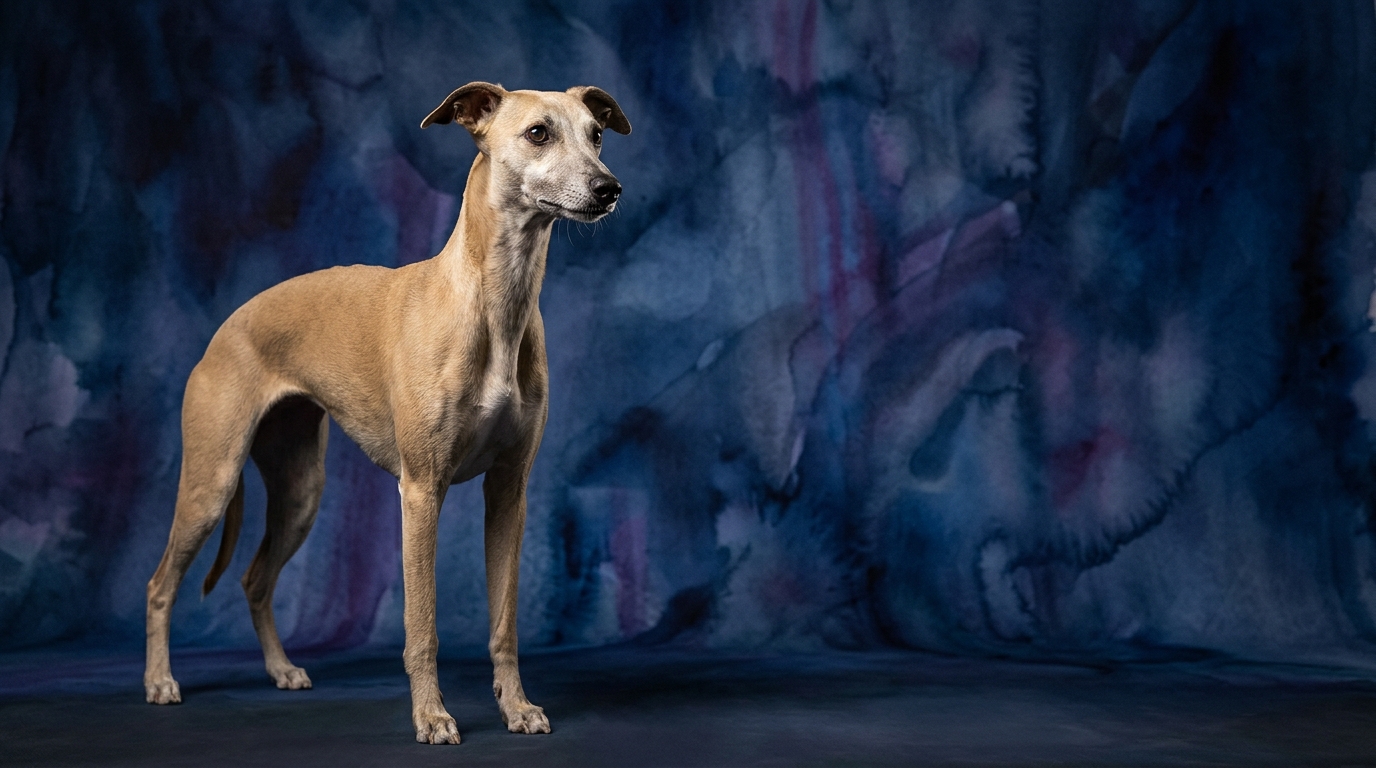
**Whippet Profile**
**Problem Solving (3/5)**: Whippets show moderate capacity for independent thought and navigating novel situations. They learn routines efficiently, often focusing their problem-solving on achieving comfort or movement-related goals rather than complex puzzles.
**Training Speed (2/5)**: Their training speed is moderate-to-slow. Whippets learn commands but their sighthound independence means they aren't always quick to comply or eager for repetition. Consistency and positive reinforcement are vital to overcome occasional disinterest.
**Social Intelligence (4/5)**: Whippets excel in social intelligence, demonstrating keen awareness of human emotions and intentions. They form strong family bonds, often showing empathy and a desire for close physical contact. This reflects their ability to read social cues and integrate smoothly, though reserved with strangers.
**Instinctive Drive (5/5)**: This is a Whippet's defining strength, manifesting as a powerful prey drive and an innate urge to run. This core sighthound trait profoundly influences behavior, dictating reactions to moving objects and their need for outlets for this fundamental urge.
**Memory (3/5)**: Whippets possess moderate memory. They recall learned commands, routines, and experiences. While they won't forget training, their independent streak might sometimes make it seem like they've forgotten a command, when they're prioritizing other stimuli.
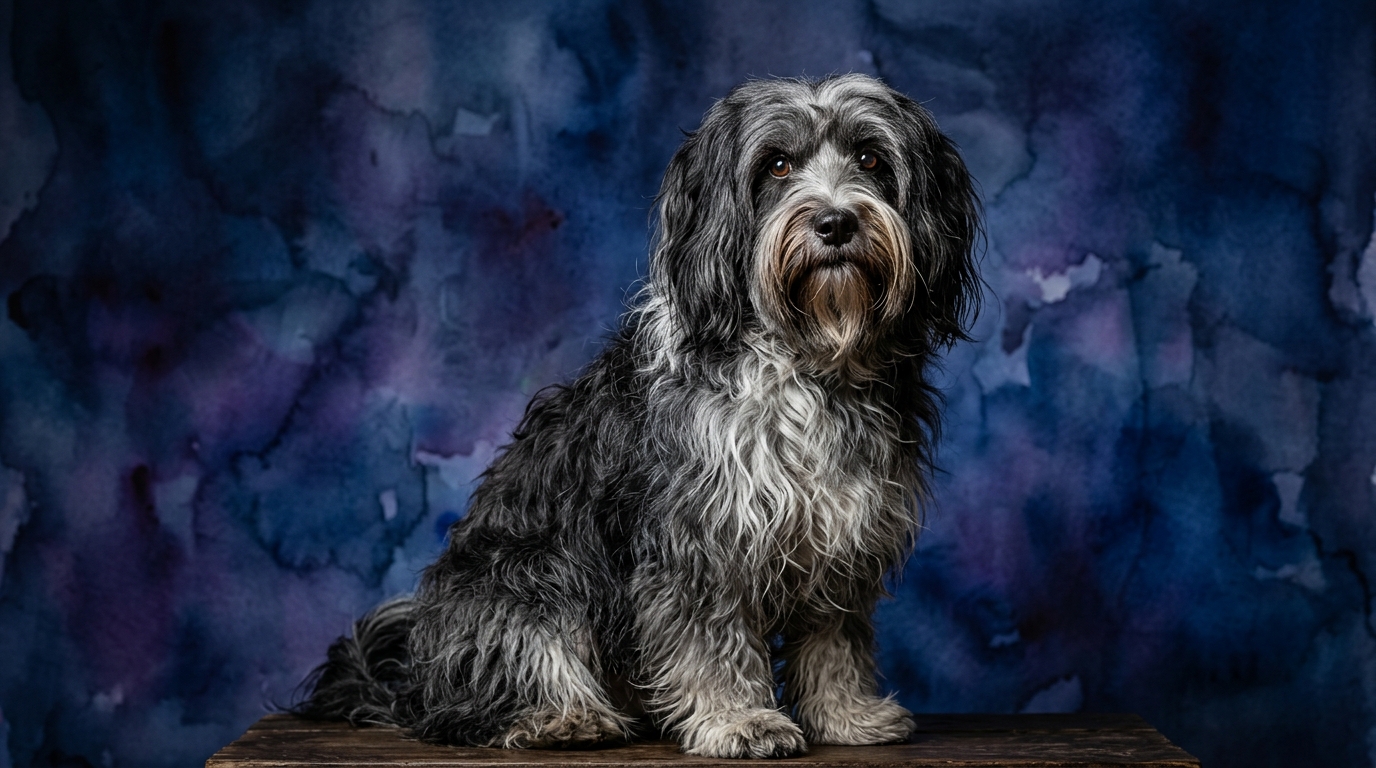
**Tibetan Terrier Profile**
**Problem Solving (3/5)**: Tibetan Terriers share a similar moderate problem-solving aptitude, indicating an ability to navigate new situations and learn from experience. They can be inventive in achieving desires, often using wits to manipulate objects or situations, though not necessarily for complex tasks.
**Training Speed (3/5)**: With slightly higher training speed than Whippets, Tibetan Terriers generally pick up commands at a moderate pace. They are typically eager to please and enjoy mental engagement, making them responsive to consistent, reward-based methods.
**Social Intelligence (3/5)**: Tibetan Terriers exhibit moderate social intelligence. They are affectionate with family and adapt to social situations, but may not display the same deep empathetic reading of human emotions as a Whippet. They are generally friendly but can be reserved with strangers.
**Instinctive Drive (3/5)**: Their instinctive drive is moderate. While retaining some herding or guarding instincts, it's not as singularly dominant as the Whippet's prey drive. This balanced drive allows them to be adaptable companions without an overwhelming urge.
**Memory (3/5)**: Tibetan Terriers also possess moderate memory, capable of retaining training, routines, and experiences. They remember past interactions and apply learned behaviors effectively. This consistent memory contributes to their trainability and habit formation.
Where Whippet Wins Cognitively
The Whippet's cognitive profile reveals a distinct advantage in two key areas: social intelligence and instinctive drive. Their high social intelligence (4/5) means they are exceptionally attuned to human emotions and social cues, forming deep, almost intuitive bonds with their primary caregivers. This isn't just about affection; it's about a nuanced understanding of their human family's moods and intentions, often leading them to offer comfort or adjust their behavior in response. They integrate into the family dynamic with a quiet perceptiveness, frequently seeking proximity and connection.
Furthermore, the Whippet's instinctive drive (5/5) is a powerful, defining cognitive strength. While this manifests as an intense prey drive requiring careful management, it also signifies an extraordinary focus and efficiency when pursuing a goal. This drive isn't just physical; it's a mental blueprint for swift action and single-minded pursuit, enabling them to process visual stimuli and react with incredible speed and precision. This cognitive wiring for rapid, instinctive action is a hallmark of their sighthound heritage.
Where Tibetan Terrier Wins Cognitively
The Tibetan Terrier's cognitive strengths lie in its balanced approach to various mental tasks, particularly its slightly higher training speed and adaptability. While neither breed scores exceptionally high in problem-solving, the Tibetan Terrier's moderate training speed (3/5) compared to the Whippet's (2/5) indicates a greater willingness and aptitude for structured learning. They tend to be more cooperative and engaged in training sessions, enjoying the mental stimulation and the opportunity to work alongside their human companions. This slight edge in training speed translates into a dog that might pick up new commands or tricks with fewer repetitions, making the training process feel more collaborative and rewarding for both parties. Their moderate instinctive drive (3/5) also contributes to this win, as it means fewer deeply ingrained, overriding urges that might distract from training or general obedience, allowing for a more versatile and less singularly focused cognitive engagement with their environment.
Which is Easier to Train and Why
Between the two, the Tibetan Terrier generally proves easier to train, a difference rooted in their respective training speed and underlying behavioral tendencies. The Tibetan Terrier's training speed of 3/5 suggests a moderate eagerness to learn and cooperate, often enjoying the mental stimulation of training. They respond well to positive reinforcement and consistency, motivated by praise and treats. Their relatively balanced instinctive drive (3/5) means they are less likely to be overwhelmingly distracted by environmental triggers compared to a Whippet.
Conversely, the Whippet, with a training speed of 2/5, presents more of a challenge. Their sighthound independence and strong instinctive drive (5/5) mean they can be easily distracted by movement or scents, often prioritizing their innate urges to chase over human commands. They require more patience, creativity, and a consistent, high-value reward system to maintain engagement. While capable of learning, their compliance often depends on whether they perceive value in the interaction at that moment, or if their powerful prey drive has taken over. This means real behavioral differences: a Tibetan Terrier might be more inclined to "check in" with their owner during a walk, while a Whippet might be harder to recall once something catches their eye.
Which Suits Active Owners vs Relaxed Owners
When considering owner lifestyles, the Whippet typically suits those who appreciate and can accommodate an active, specific energy profile. While often described as "45 mph couch potatoes," their high instinctive drive (5/5) and need for bursts of speed make them ideal for owners enjoying regular, secure off-leash running opportunities, such as in a fenced yard. Their social intelligence (4/5) means they thrive on close family interaction, but their lower training speed (2/5) coupled with their prey drive demands attentive, consistent management. They are not suited for owners unable to provide outlets for their running needs or expecting unfailing obedience in distracting environments.
The Tibetan Terrier, with its more balanced cognitive profile, is a better fit for owners seeking a versatile companion adaptable to both activity and relaxation. Their moderate instinctive drive (3/5) means they enjoy walks and playful engagement, but lack the overwhelming need for high-speed pursuit. Their moderate training speed (3/5) and social intelligence (3/5) make them responsive to family life and adaptable to various routines, from active outings to quiet evenings. They are suitable for moderately active owners who desire a companion capable of enjoying a range of activities without requiring a specialized exercise regime or constant vigilance against strong prey instincts.
The Verdict
Choose a Whippet if you value deep social bonds, appreciate a dog with immense athletic potential for bursts of speed, and are prepared to manage a strong prey drive with consistent, patient training.
Opt for a Tibetan Terrier if you seek a versatile, adaptable companion who is generally easier to train, enjoys moderate activity, and integrates smoothly into varied family lifestyles.
🧠 Find Your Pet's IQ Score
Our Pet IQ Lab assessment covers 25+ tests across 5 cognitive dimensions — personalized to your breed.
Take the Full IQ Test →Frequently Asked Questions
Do Whippets and Tibetan Terriers have similar problem-solving abilities?
Yes, both breeds share a moderate problem-solving score of 3/5. This indicates they are equally capable of figuring out novel situations and learning from experience, though neither is particularly noted for complex, multi-step problem-solving.
Is a Whippet's strong instinctive drive a positive or negative trait?
A Whippet's 5/5 instinctive drive is a defining characteristic. While it requires careful management to ensure safety, particularly around small animals, it also signifies their incredible focus, speed, and efficiency in pursuit, which is a core part of their breed identity.
How does social intelligence differ between these two breeds?
Whippets have a higher social intelligence (4/5) than Tibetan Terriers (3/5), meaning Whippets are generally more attuned to human emotions and social cues, often forming deeper, more intuitive bonds with their families, while Tibetan Terriers are affectionate but may be more reserved.