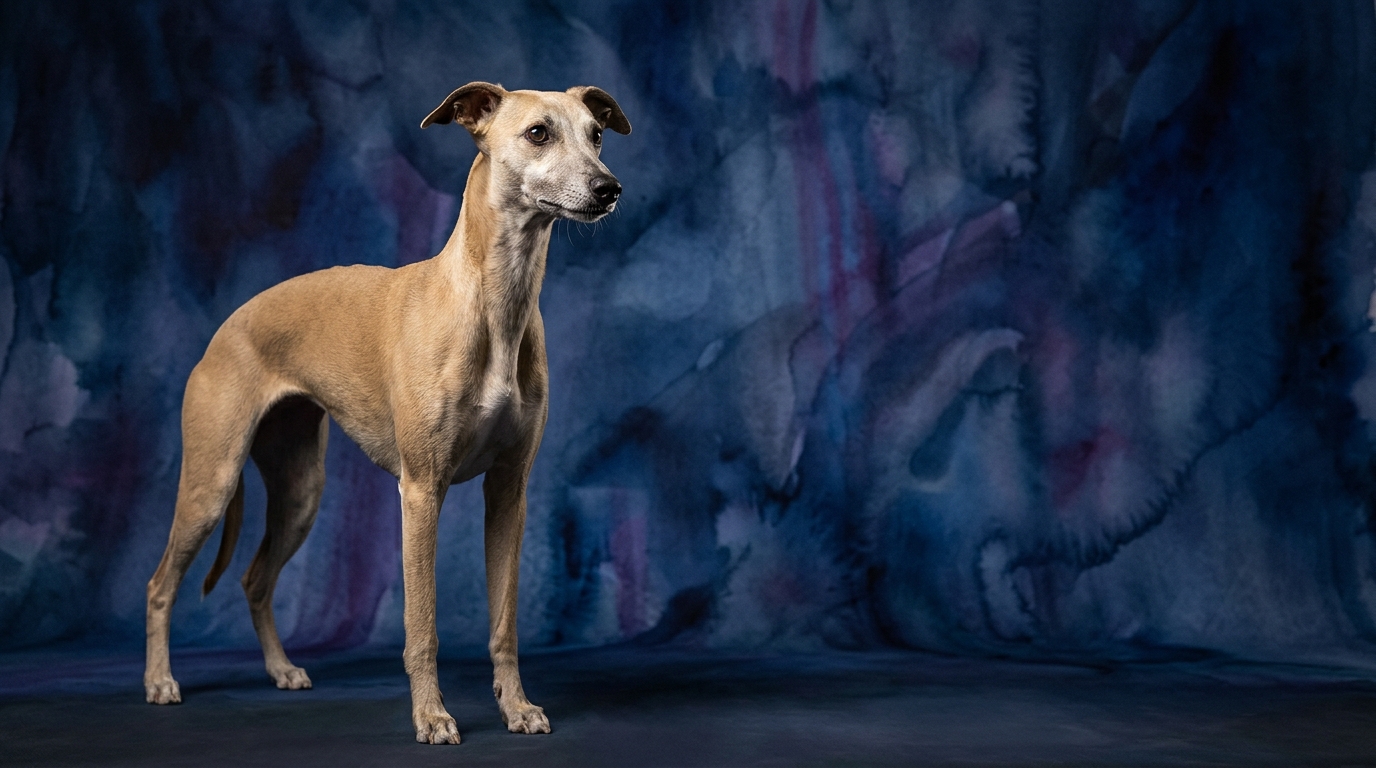
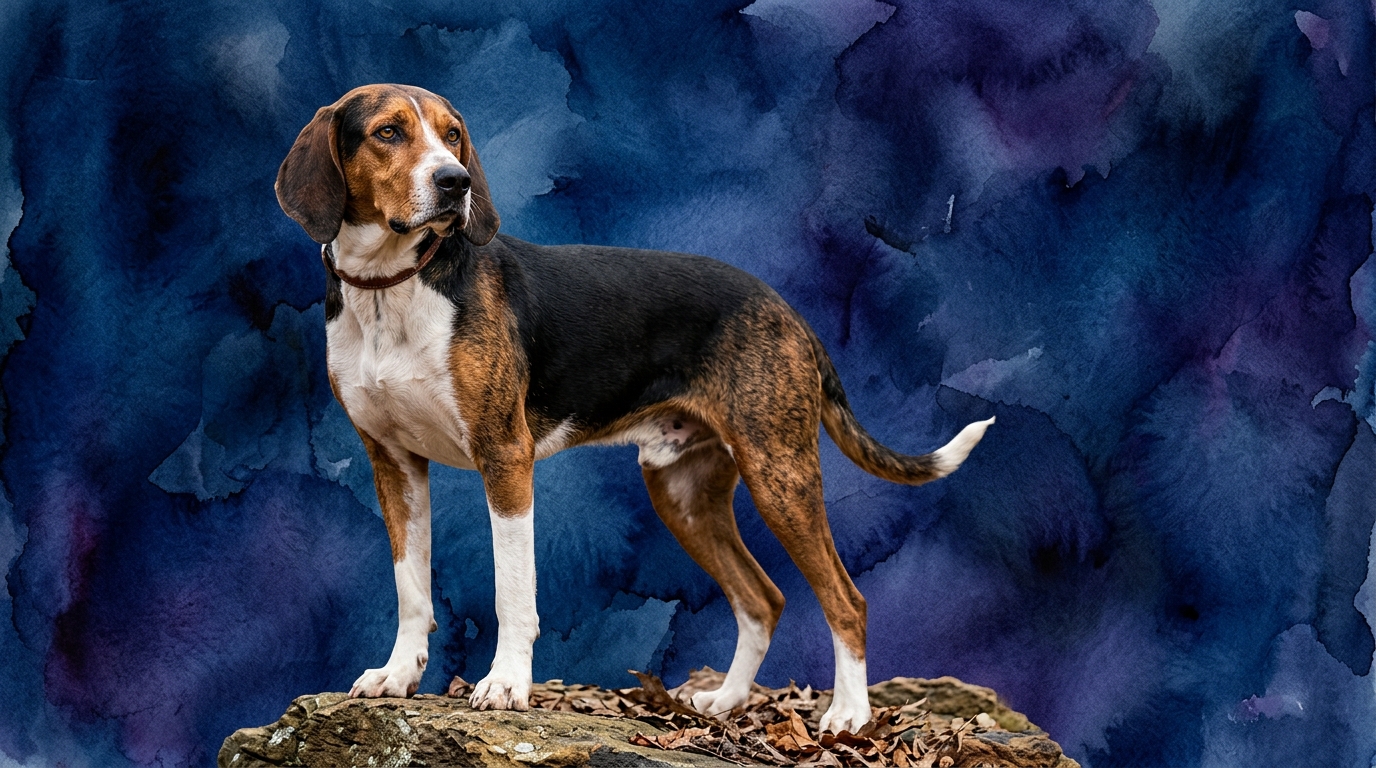
Side-by-Side Cognitive Profiles: Whippet vs. Treeing Walker Coonhound
At The Cosmic Pet Pet IQ Lab, we dissect canine intelligence into five key dimensions, providing a granular view of each breed's mental makeup. The Whippet, a sighthound with a Coren rank of #51, presents a unique cognitive blueprint. Its Problem Solving ability stands at 3/5, indicating a capacity for navigating moderately complex situations, often relying on learned patterns rather than innovative solutions. Training Speed is rated 2/5, suggesting that while trainable, Whippets require consistent repetition and patience to grasp new commands. Where they truly excel is in Social Intelligence, scoring an impressive 4/5, showcasing a profound ability to read human cues and form empathetic bonds. Their Instinctive Drive is a powerful 5/5, reflecting an intense, almost primal urge to chase anything that moves quickly. Memory for Whippets is a balanced 3/5, indicating an average recall of experiences and learned behaviors.
The Treeing Walker Coonhound, though not Coren-ranked, possesses a cognitive profile geared towards its working heritage. Its Problem Solving skill matches the Whippet at 3/5, demonstrating an ability to figure out challenges, particularly those related to tracking and hunting. Training Speed for the TWC is a slightly higher 3/5, implying a more receptive mind to structured learning and a quicker uptake of commands with the right motivation. Social Intelligence for this breed is 3/5, indicating they are generally affable and capable of forming connections, but perhaps with less nuanced emotional reading than a Whippet. Their Instinctive Drive is also 3/5, focused heavily on scent-tracking and sustained pursuit, rather than the Whippet's visual sprint. Memory for the Treeing Walker Coonhound, like the Whippet, registers at 3/5, providing a solid foundation for recalling trails and learned tasks.
Where the Whippet's Mind Shines Brighter
The Whippet's cognitive strengths distinctly lie in two areas: social intelligence and a specialized instinctive drive. With a Social Intelligence score of 4/5 compared to the TWC's 3/5, Whippets possess an exceptional capacity for understanding and responding to human emotions and subtle cues. This isn't merely about being affectionate; it's a sophisticated ability to anticipate needs, offer comfort, and integrate seamlessly into family dynamics, often appearing to read their owner's mind. They form deep, almost intuitive bonds, making them highly attuned companions who navigate social interactions with remarkable grace.
Furthermore, the Whippet's Instinctive Drive, rated a powerful 5/5 against the TWC's 3/5, represents a different kind of cognitive brilliance. This intense visual prey drive is a testament to thousands of years of selective breeding for speed and chase. While it requires diligent management in domestic settings, this drive reflects an incredibly focused and efficient processing of visual stimuli, enabling them to identify and pursue moving objects with unparalleled precision and commitment. It's a highly specialized form of intelligence, a honed ancient instinct that dictates their very being and defines their athleticism, a stark contrast to the sustained, scent-driven focus of a coonhound.
The Cognitive Edge of the Treeing Walker Coonhound
The Treeing Walker Coonhound exhibits its own unique cognitive advantages, particularly in its training speed and the specialized application of its instinctive drive. Scoring a 3/5 in Training Speed, one point higher than the Whippet, the TWC demonstrates a slightly greater readiness to absorb and execute human-directed commands. This suggests a mind that can be more efficiently shaped through consistent positive reinforcement, making them potentially quicker to learn complex routines or sequences, especially when these tasks align with their natural inclinations.
While their Instinctive Drive is rated 3/5, it's the nature of this drive, combined with their Problem Solving (3/5), that truly sets them apart. The TWC's drive is meticulously focused on scent-tracking and sustained pursuit, demanding a specific type of cognitive endurance and decision-making. Their problem-solving abilities are often manifested in deciphering intricate scent trails, navigating challenging terrains, and making independent choices during a hunt. This requires a sustained mental focus and a different kind of analytical intelligence to follow a cold trail for hours, a cognitive stamina that is distinct from the Whippet's explosive, visually-driven pursuit. Their intelligence shines in their ability to methodically work through a problem over a long period, driven by an unwavering olfactory focus.
Training Dynamics: Which Breed Learns with Greater Ease?
When it comes to the ease of training, the Treeing Walker Coonhound generally holds a slight advantage over the Whippet. The TWC's Training Speed of 3/5 suggests they are more receptive to learning new commands and routines with consistent, positive reinforcement. Their working background means they are often eager to engage in tasks, especially those involving scent work or problem-solving, which can be leveraged to make training sessions highly effective. However, their strong scent drive can also be a significant distraction, requiring an owner who understands how to channel or manage this intense focus during training.
Conversely, the Whippet's Training Speed of 2/5 indicates a breed that requires more patience and repetition. Their independent nature and formidable instinctive drive (5/5) to chase visual stimuli can make them appear stubborn or easily distracted. Short, engaging training sessions using high-value rewards are crucial for Whippets, as their attention span for repetitive drills can be limited. While their high social intelligence means they genuinely desire to please their owner, their innate drive can often override this willingness, demanding a more nuanced and understanding approach from their trainer. Therefore, while both breeds are trainable, the TWC typically grasps new concepts more readily in a structured training environment.
Lifestyle Compatibility: Active vs. Relaxed Owners
The Whippet presents a fascinating duality in its energy requirements, making it suitable for both active and surprisingly relaxed owners. While they possess an intense Instinctive Drive (5/5) and need regular opportunities for high-speed sprints in a secure area, these bursts are typically short-lived. After their exhilarating run, Whippets transform into remarkably calm, affectionate, and low-energy indoor companions. Their high social intelligence (4/5) makes them excellent housemates, often content to lounge on a soft sofa for hours, making them an ideal choice for owners who enjoy intense outdoor activity but also cherish quiet, relaxed evenings at home.
The Treeing Walker Coonhound, on the other hand, is unequivocally better suited for consistently active owners. With a robust Instinctive Drive (3/5) geared towards endurance and scent work, and Problem Solving (3/5) often applied to sustained tasks, they require significant daily physical and mental stimulation. Long walks, hikes, scent games, or even participation in dog sports like tracking or agility are essential to keep a TWC content. A bored or under-exercised Treeing Walker Coonhound can resort to destructive behaviors or excessive vocalization. While affectionate, their energy levels and need for engaging activities are more sustained than a Whippet's post-sprint calm, making them less ideal for owners seeking a predominantly relaxed companion.
The Verdict
Choose a Whippet if you seek a deeply empathetic companion who thrives on intense, brief bursts of activity followed by serene indoor lounging, appreciating a subtle, socially intelligent bond.
Opt for a Treeing Walker Coonhound if you're an active individual who enjoys engaging in consistent, stimulating outdoor activities and values a dog that learns structured tasks with a slightly quicker pace and possesses robust tracking instincts.
🧠 Find Your Pet's IQ Score
Our Pet IQ Lab assessment covers 25+ tests across 5 cognitive dimensions — personalized to your breed.
Take the Full IQ Test →Frequently Asked Questions
Are Whippets good apartment dogs?
Despite their speed, Whippets can adapt well to apartment living provided they receive regular opportunities for intense, safe sprints. Their generally calm indoor demeanor and moderate size make them suitable for smaller spaces once their energy needs are met.
Do Treeing Walker Coonhounds bark a lot?
Treeing Walker Coonhounds are vocal dogs, known for their characteristic 'baying' or 'howling' when on a scent or feeling stimulated. This vocalization is a natural part of their breed heritage and can be managed with training, but prospective owners should be prepared for their expressive nature.
Which breed is better with children?
Both breeds can be excellent with children, though their approaches differ. Whippets, with their high social intelligence, are often gentle and patient, enjoying calm interactions. Treeing Walker Coonhounds are generally playful and robust, making them good companions for active kids, provided both dog and child are taught respectful boundaries.