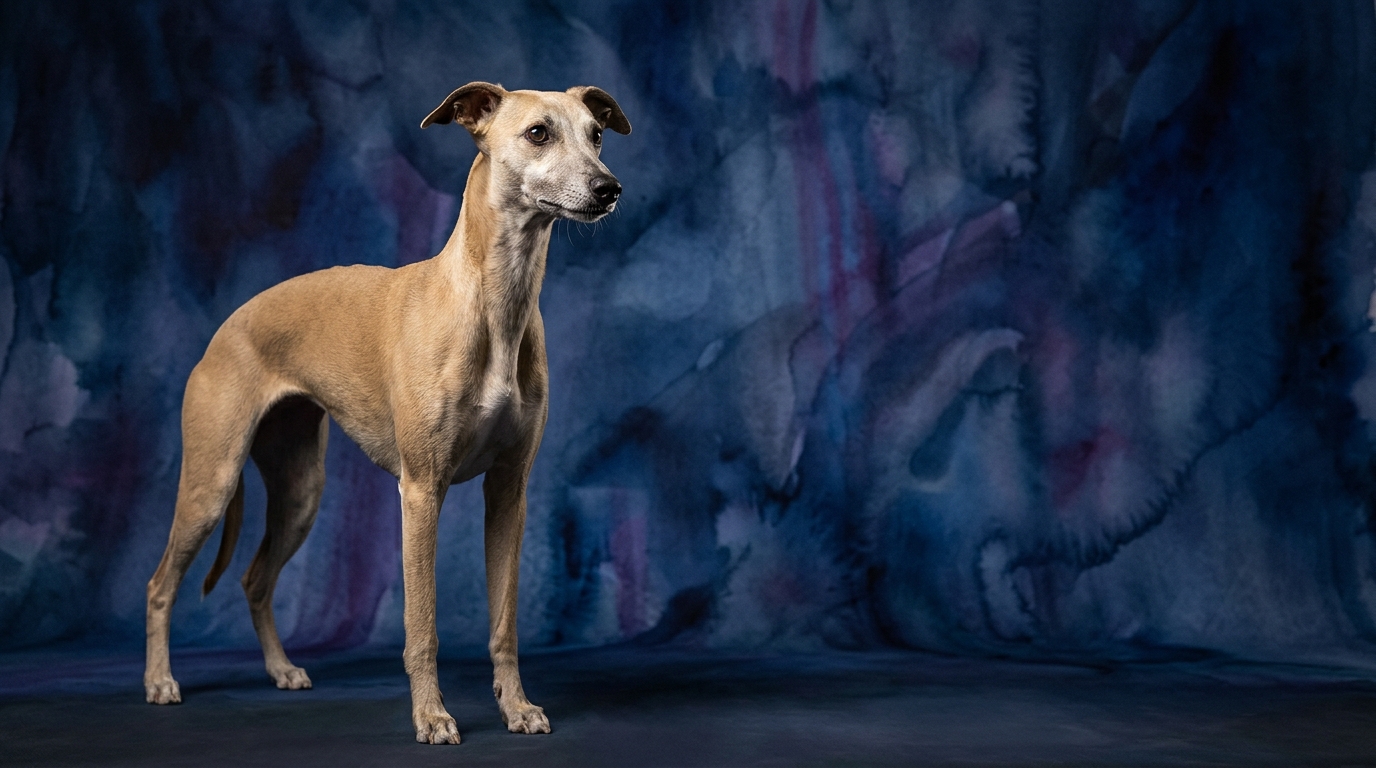
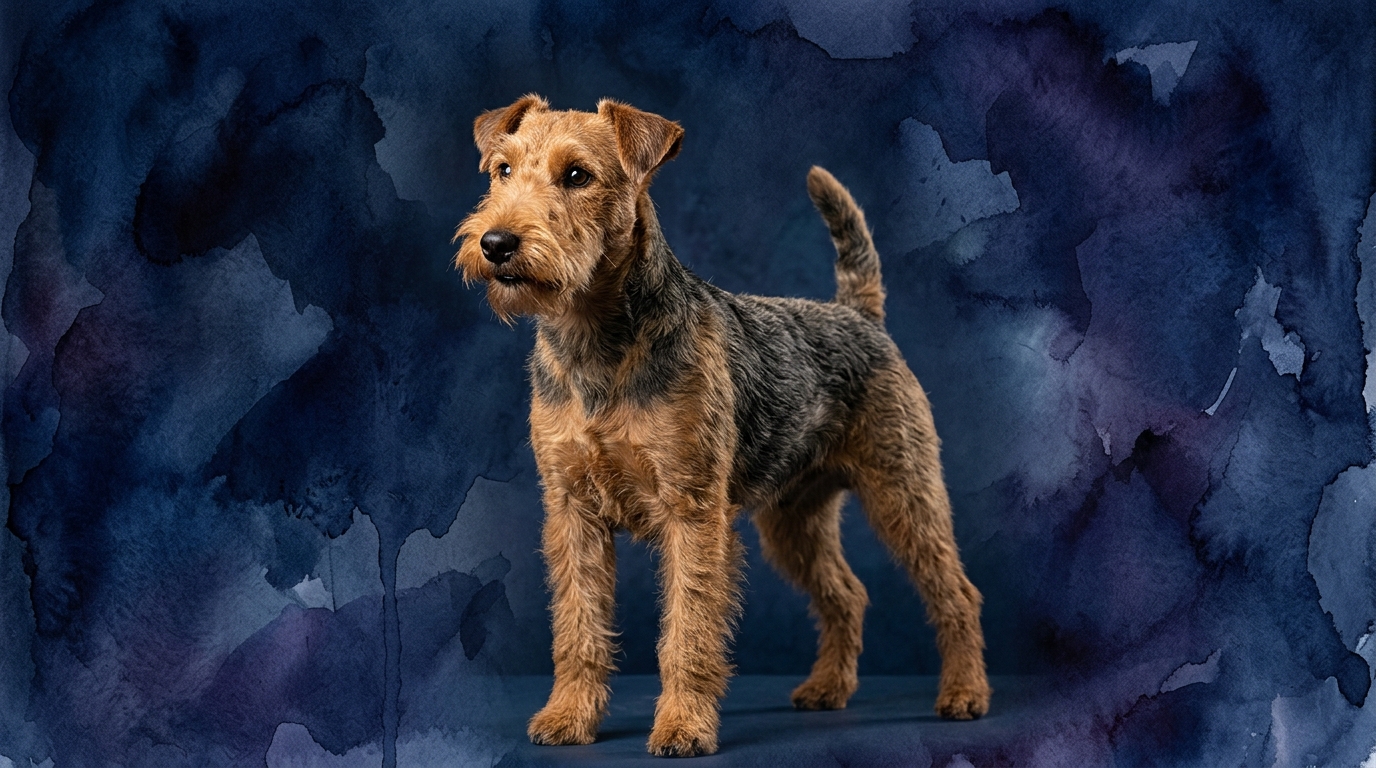
Side-by-Side IQ Profile: Whippet vs. Welsh Terrier
The Cosmic Pet Pet IQ Lab employs five key dimensions to assess canine intelligence, providing a granular view of how breeds process information and interact with their world. For the Whippet, a sighthound breed, their cognitive profile is heavily influenced by their heritage, securing a Coren rank of #51, placing them in the average working/obedience intelligence category.
Whippet IQ Breakdown:
Problem Solving: 3/5. Whippets demonstrate a moderate capacity for navigating novel situations and figuring out solutions independently. Their problem-solving often leverages their speed and agility rather than complex, multi-step mental strategizing.
Training Speed: 2/5. While capable of learning, Whippets typically require more repetitions and consistent motivation to grasp new commands. Their independent nature and focus on movement can make sustained training a deliberate, patient endeavor.
Social Intelligence: 4/5. Whippets exhibit a strong capacity for understanding and responding to human cues and social dynamics within their family unit. They are often acutely attuned to their owner's moods and preferences, forming close, empathetic bonds.
Instinctive Drive: 5/5. Their sighthound legacy manifests as an exceptionally high prey drive, an innate and powerful urge to chase and capture. This drive is a dominant force in their cognitive landscape, profoundly influencing their focus and motivation.
Memory: 3/5. Whippets possess an average memory retention, capable of recalling learned behaviors and routines, though complex sequences might require consistent reinforcement to remain sharp.
The Welsh Terrier, a spirited terrier breed, presents a different cognitive landscape. While not included in the Coren study, our Pet IQ Lab assessment provides a comprehensive look at their intellectual dimensions.
Welsh Terrier IQ Breakdown:
Problem Solving: 3/5. Welsh Terriers demonstrate a moderate ability to tackle challenges. Their terrier ingenuity often involves persistence and a willingness to explore various solutions, sometimes with a characteristic stubborn streak.
Training Speed: 3/5. These terriers generally pick up new commands at an average pace, responding well to engaging, varied training methods. Consistency is crucial, as their independent spirit can sometimes lead to selective hearing.
Social Intelligence: 3/5. Welsh Terriers possess an average understanding of social cues. While affectionate with their families, they might be more reserved or less overtly expressive in their social interactions compared to some breeds.
Instinctive Drive: 3/5. Their terrier roots give them a moderate but distinct prey drive, manifesting as an urge to dig, chase small animals, and investigate. This drive is present but typically more diversified and manageable than in pure sighthounds.
Memory: 3/5. Welsh Terriers show an average capacity for memory, remembering commands, routines, and experiences. They benefit from regular practice to keep learned behaviors sharp.
Where the Whippet Wins Cognitively
The Whippet undeniably shines in cognitive areas directly tied to their sighthound legacy. Their Social Intelligence score of 4/5 highlights an exceptional ability to tune into human emotions and social structures. This translates into a dog that often seems to anticipate their owner's needs or moods, fostering a deep, almost intuitive companionship. They are masters of subtle communication, often conveying their desires or discomfort through body language that a well-attuned owner can easily read. Furthermore, their Instinctive Drive, rated a perfect 5/5, represents a pinnacle of purpose-driven cognition. While primarily a hunting instinct, it also signifies an extraordinary focus and determination when engaged in activities that tap into this drive, such as lure coursing or competitive agility, where their entire being is dedicated to the chase. This intense, singular focus, when channeled appropriately, can be a remarkable cognitive asset, allowing them to excel in tasks requiring speed and precision.
Where the Welsh Terrier Wins Cognitively
While the Welsh Terrier's individual scores are generally balanced, their collective cognitive profile underscores a particular strength in adaptability and a more generalized approach to learning. Their Training Speed of 3/5, combined with a Problem Solving score of 3/5, suggests a more consistent and predictable learning curve than the Whippet. This breed approaches new tasks with a terrier's characteristic tenacity, often trying different methods until success is achieved. They might not exhibit the Whippet's empathetic social nuance, but their directness and robust nature allow them to navigate various situations with a pragmatic intelligence. Their Instinctive Drive, at 3/5, is present but more diversified, manifesting in digging, hunting, and exploring, rather than a singular, overwhelming chase instinct. This multifaceted drive can make them versatile learners, capable of engaging with a wider array of activities that tap into different aspects of their natural curiosity and persistence.
Training Dynamics: Which is Easier to Train and Why?
When evaluating ease of training, the Welsh Terrier generally presents a more straightforward path. Their Training Speed of 3/5 suggests they grasp new concepts at an average rate, and their Problem Solving at 3/5 means they are often persistent in figuring out what's expected. Their moderate Instinctive Drive (3/5) is present but less overwhelming than the Whippet's, making it easier to redirect their focus during training sessions. Welsh Terriers thrive on variety and engagement, responding well to positive reinforcement and clear, consistent boundaries. Their tenacity means they often stick with a task until they succeed, which can be a valuable trait in training.
In contrast, the Whippet's Training Speed of 2/5 indicates a need for more repetitions and patience. Their exceptionally high Instinctive Drive (5/5) means that once something captures their attention – particularly movement – it can be incredibly challenging to break that focus. Whippets can appear aloof or easily distracted during training, not due to a lack of understanding, but because their primary cognitive processing is often geared towards their environment and potential chase opportunities. Successful Whippet training requires understanding their motivations, keeping sessions short and engaging, and leveraging their social intelligence to build a strong desire to please, rather than relying solely on command-and-response mechanics. Managing their powerful prey drive through secure environments and impulse control training is paramount, as their instinct to chase can override learned commands in high-stimulus situations.
Lifestyle Match: Active Owners vs. Relaxed Owners
The choice between a Whippet and a Welsh Terrier also hinges significantly on an owner's lifestyle and energy levels. Whippets, despite their reputation as '40 mph couch potatoes,' require specific types of activity. Their high Instinctive Drive (5/5) means they need regular, safe opportunities to run at full speed, ideally in a securely fenced area or on a lure course. While they are content to lounge for hours indoors, neglecting their need for bursts of intense physical expression can lead to restlessness or anxiety. Their moderate Problem Solving (3/5) and lower Training Speed (2/5) mean they benefit from owners who are patient and consistent in guiding them, rather than expecting complex obedience. They are well-suited for owners who appreciate their quiet, affectionate indoor demeanor but are also committed to providing dedicated outlets for their physical and instinctive needs, understanding that a tired Whippet is a happy, calm companion.
The Welsh Terrier, with its balanced Instinctive Drive (3/5) and Problem Solving (3/5), typically suits more consistently active owners. They thrive on varied activities: brisk walks, hikes, puzzle toys, and engaging training sessions. Their tenacity means they enjoy having a 'job' to do, even if it's just exploring the yard or participating in dog sports. They are less prone to the extreme bursts of speed followed by intense lounging, instead preferring a steady stream of mental and physical engagement throughout the day. Owners who enjoy interactive play, consistent training, and outdoor adventures will find the Welsh Terrier a more fitting companion, as their robust nature and curiosity demand regular engagement to prevent boredom and destructive behaviors.
The Verdict
Choose a Whippet if you appreciate a deeply empathetic companion who is quiet indoors but requires dedicated outlets for their explosive speed and chase drive, and you are prepared for patient, motivation-based training.
Opt for a Welsh Terrier if you seek a tenacious, versatile companion who enjoys consistent activity and mental engagement, and you are ready to provide structured training for their independent and spirited nature.
🧠 Find Your Pet's IQ Score
Our Pet IQ Lab assessment covers 25+ tests across 5 cognitive dimensions — personalized to your breed.
Take the Full IQ Test →Frequently Asked Questions
Are Whippets difficult to train due to their lower training speed?
Whippets aren't inherently difficult, but their Training Speed of 2/5 means they require more repetition and patience. Their high Instinctive Drive (5/5) can make them easily distracted by movement, so training needs to be engaging, short, and consistent, often leveraging their social intelligence and desire for connection.
Do Welsh Terriers need a lot of mental stimulation?
Yes, Welsh Terriers, with their Problem Solving 3/5 and moderate Instinctive Drive 3/5, benefit greatly from mental stimulation. Activities like puzzle toys, scent work, and varied training sessions prevent boredom and channel their natural curiosity and tenacity constructively.
How do their social intelligence scores impact their suitability for families?
A Whippet's Social Intelligence of 4/5 suggests they are highly attuned to family dynamics and can be very empathetic, often forming strong, sensitive bonds. A Welsh Terrier's 3/5 social intelligence indicates they are affectionate with their family but might be less overtly expressive or sensitive to subtle cues, requiring clear communication and boundaries.