Side-by-Side Cognitive Profiles
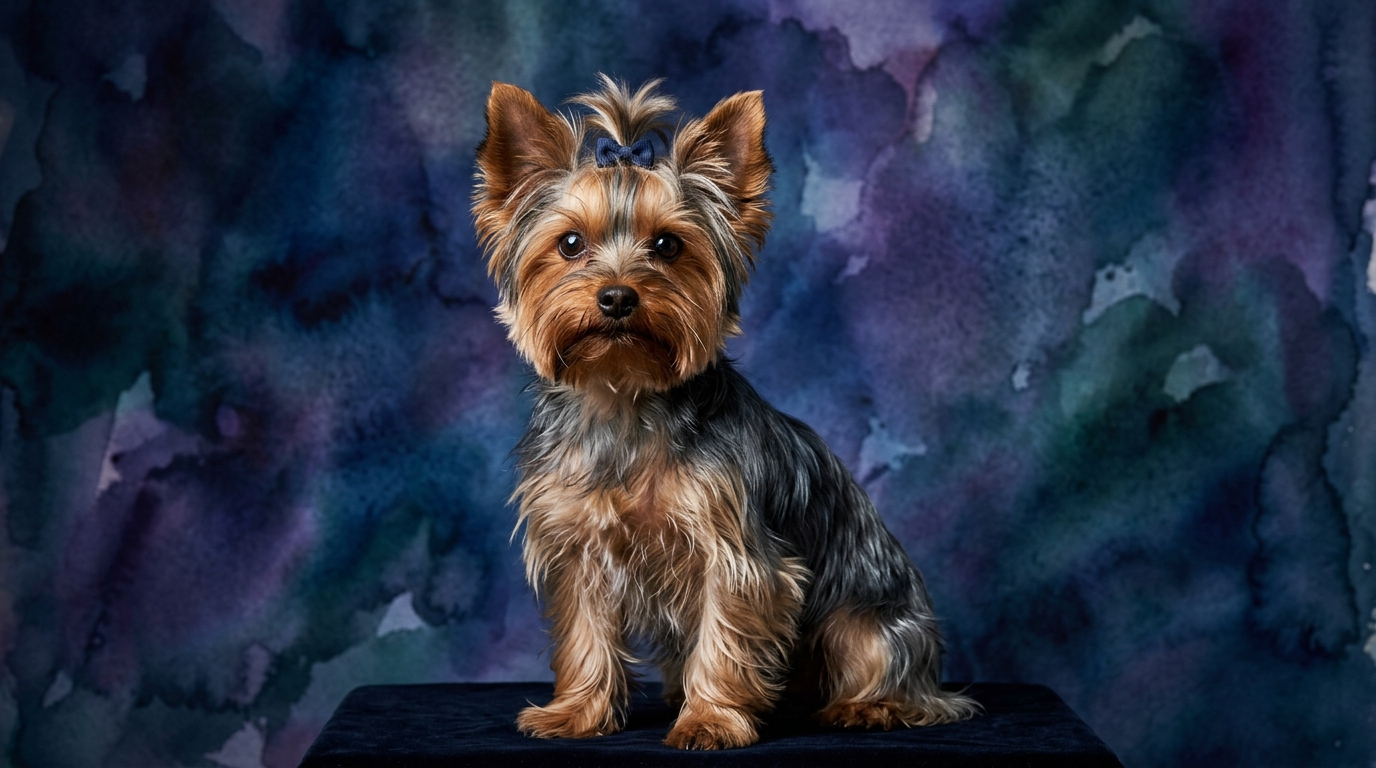
The Cosmic Pet Pet IQ Lab employs a multi-dimensional framework to assess canine cognition, moving beyond simplistic notions of 'smartness' to evaluate specific strengths. For the Yorkshire Terrier, a breed from the Terrier group, its Coren rank of #27 places it among breeds that typically grasp new commands with fewer repetitions and respond reliably. Their problem-solving ability is rated at 3/5, indicating competence in navigating intricate household challenges or figuring out how to access desired items. Training speed stands at an impressive 4/5, reflecting their quick uptake of new behaviors and eagerness for interaction. Social intelligence also scores 4/5, showcasing a keen understanding of human emotions and social cues, often leading to strong, responsive bonds. Their instinctive drive is 4/5, a testament to their terrier heritage of persistent pursuit and engagement with their environment, while memory is a robust 4/5, allowing them to recall routines and learned tasks effectively.
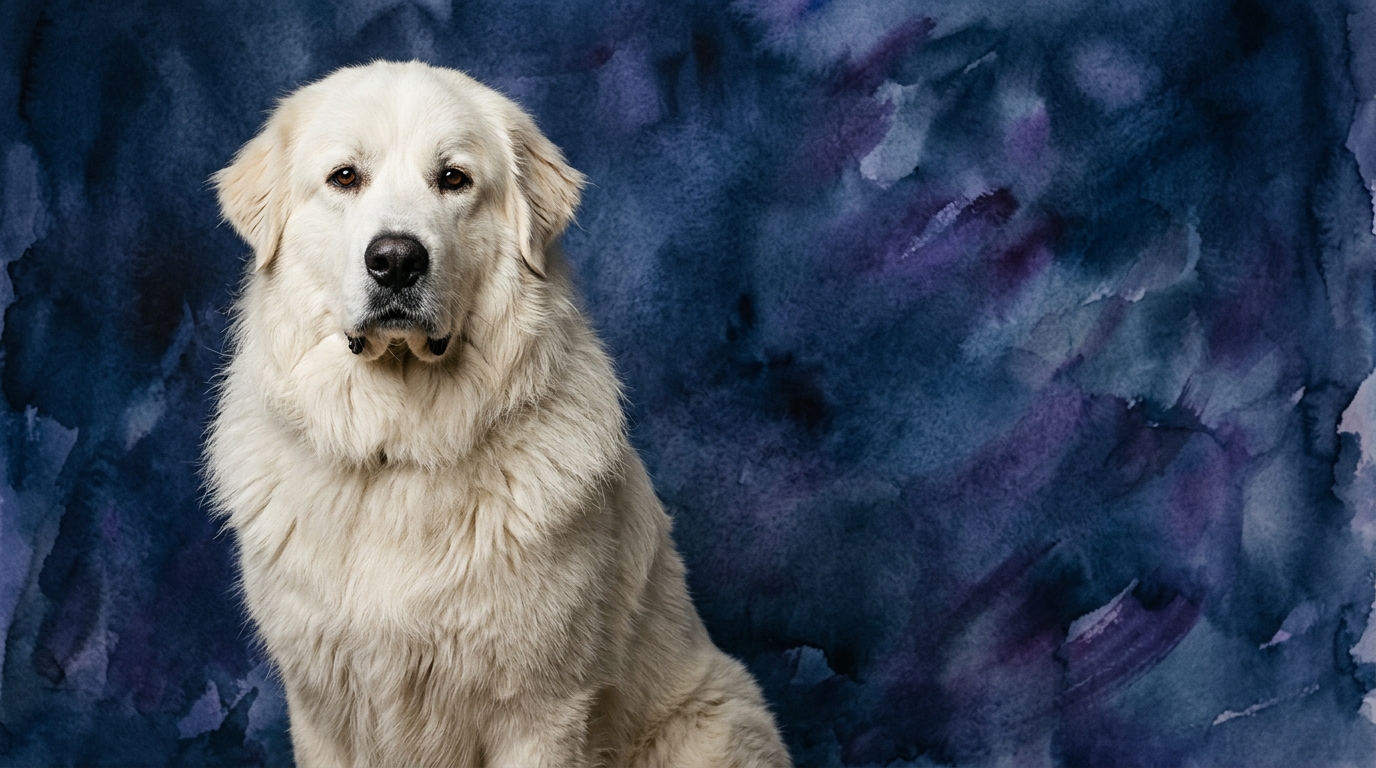
In contrast, the Great Pyrenees, a member of the Working group, holds a Coren rank of #64, suggesting a more independent learning style. Its problem-solving capacity is also rated 3/5, but this manifests differently, often in assessing environmental threats and strategizing protective measures rather than intricate puzzle-solving. Training speed is 3/5; while capable of learning, their inherent independence means they often deliberate before complying, rather than exhibiting the rapid, eager responsiveness seen in some breeds. Social intelligence is 3/5, characterized by a deep, unwavering loyalty to their family or 'flock,' coupled with a reserved, watchful demeanor towards strangers, prioritizing guardianship. Their instinctive drive is 3/5, primarily centered on territorial protection and vigilance, rather than a high prey drive. Memory, rated 3/5, supports their ability to recall their charges, patrol routes, and family members, sustaining their role as steadfast guardians.
Where the Yorkshire Terrier Excels Cognitively
The Yorkshire Terrier’s cognitive profile highlights its strengths in rapid acquisition of complex behaviors and nuanced social engagement within a human-centric environment. Their 4/5 training speed means they can master a wide array of commands and tricks with relative ease, often thriving on the mental stimulation this provides. This quick learning, combined with a 4/5 social intelligence, allows them to adapt swiftly to new routines and social situations, often anticipating owner intentions. They excel at deciphering human body language and vocal tones, making them highly responsive companions in dynamic domestic settings. Furthermore, their 4/5 memory ensures that these learned behaviors and social understandings are retained consistently, contributing to their reputation as adaptable and engaging household members. Their problem-solving, rated 3/5, frequently manifests in clever ways to get attention or navigate small obstacles, demonstrating an agile mental approach to immediate environmental challenges.
Where the Great Pyrenees Excels Cognitively
The Great Pyrenees demonstrates distinct cognitive advantages rooted in its historical role as a livestock guardian. Their 3/5 problem-solving ability, while numerically similar to the Yorkie's, is applied to entirely different scenarios: independently assessing and mitigating perceived threats to their territory or family. This involves a calm, deliberate evaluation of environmental cues and making decisions without constant human prompting. Their 3/5 social intelligence, rather than being about rapid interaction, centers on profound, steadfast loyalty and a highly developed sense of responsibility for their charges; they are masters of subtle observation and protective presence. The 3/5 instinctive drive is perfectly tuned for vigilance and territorial defense, enabling them to patrol boundaries and deter potential intruders with a quiet confidence. These dogs exhibit a remarkable capacity for independent thought and action, making them unparalleled in roles requiring self-sufficiency and a deep understanding of their protective duties, where a quick, reactive response might be less effective than a measured, strategic one.
Training Dynamics: Yorkie vs. Pyr
When it comes to training, the Yorkshire Terrier generally offers a swifter, more interactive experience due to its 4/5 training speed and 4/5 social intelligence. They tend to be highly motivated by positive reinforcement and human approval, eagerly engaging in training sessions and picking up new commands quickly. Their energetic nature and desire to participate make them responsive students, and their excellent memory (4/5) helps them retain what they learn. This often translates into a dog that enjoys learning new tricks and performing obedience exercises with enthusiasm, making them suitable for activities like agility or competitive obedience.
The Great Pyrenees, with its 3/5 training speed, presents a different training challenge. Their inherent independence and centuries of working autonomously mean they often process commands with a thoughtful deliberation rather than immediate compliance. While they are capable of learning, their motivation stems less from a desire to please and more from understanding the purpose of a command within their own framework of duties. Training a Great Pyrenees requires immense patience, consistency, and an understanding of their guardian instincts. Rather than rapid-fire obedience, success often means fostering a cooperative relationship built on mutual respect, where the dog chooses to comply because it makes sense to them, rather than simply obeying a directive. Their social intelligence (3/5) focuses on their bond with their 'flock,' meaning they may prioritize their perceived duties over human commands if they conflict.
Owner Lifestyles: Active Engagement vs. Calm Guardianship
For active owners who relish constant interaction and mental engagement with their canine companion, the Yorkshire Terrier is often an ideal match. Their high training speed and social intelligence mean they thrive on learning new skills, participating in dog sports, and being an integral part of daily family activities. They appreciate consistent mental stimulation, whether through puzzle toys, training sessions, or exploring new environments. Their 4/5 instinctive drive, though rooted in terrier tenacity, can be channeled into constructive play and exploration, making them suitable for owners who enjoy an energetic, curious companion eager for shared experiences and adventures.
Relaxed owners who appreciate an independent, watchful presence will find the Great Pyrenees a more fitting companion. These dogs are not typically driven by a need for constant activity or vigorous training sessions. Their cognitive strengths lie in their calm observational skills, their ability to independently assess situations, and their unwavering protective instincts. They are content with patrolling their territory, observing their surroundings, and offering a reassuring, steadfast presence. While they need regular exercise, it often takes the form of purposeful walks or simply having ample space to roam and survey. They suit owners who understand and respect their autonomous nature, providing a secure environment where their guardian instincts can be fulfilled without excessive demands for active engagement or entertainment.
The Verdict
Choose the Yorkshire Terrier if you seek a highly interactive, quick-learning companion eager to participate in training and family life, thriving on consistent mental engagement and social responsiveness.
Opt for the Great Pyrenees if you value an independent, calm, and steadfast guardian, appreciating a dog whose cognitive strengths lie in deliberate observation and protective loyalty, rather than rapid obedience.
🧠 Find Your Pet's IQ Score
Our Pet IQ Lab assessment covers 25+ tests across 5 cognitive dimensions — personalized to your breed.
Take the Full IQ Test →Frequently Asked Questions
Do Yorkshire Terriers require a lot of mental stimulation?
Yes, Yorkshire Terriers benefit significantly from regular mental stimulation due to their high training speed and social intelligence. They enjoy learning new commands, engaging with puzzle toys, and participating in varied activities to keep their minds active and prevent boredom.
Are Great Pyrenees difficult to train because of their independence?
Great Pyrenees are not inherently difficult to train, but their independent nature means they learn at a different pace and respond best to consistent, patient methods. They often weigh commands against their own judgment, so understanding their motivations and building a strong, respectful bond is key to successful training.
Which breed is better for a first-time dog owner?
For a first-time dog owner, the Yorkshire Terrier might be a more manageable choice due to their faster training speed and eagerness to please, making the learning process smoother. The Great Pyrenees' independence and specific guardian instincts require an owner who is prepared for a more nuanced training approach and a dog with a distinct personality.