Side-by-Side Cognitive Profiles
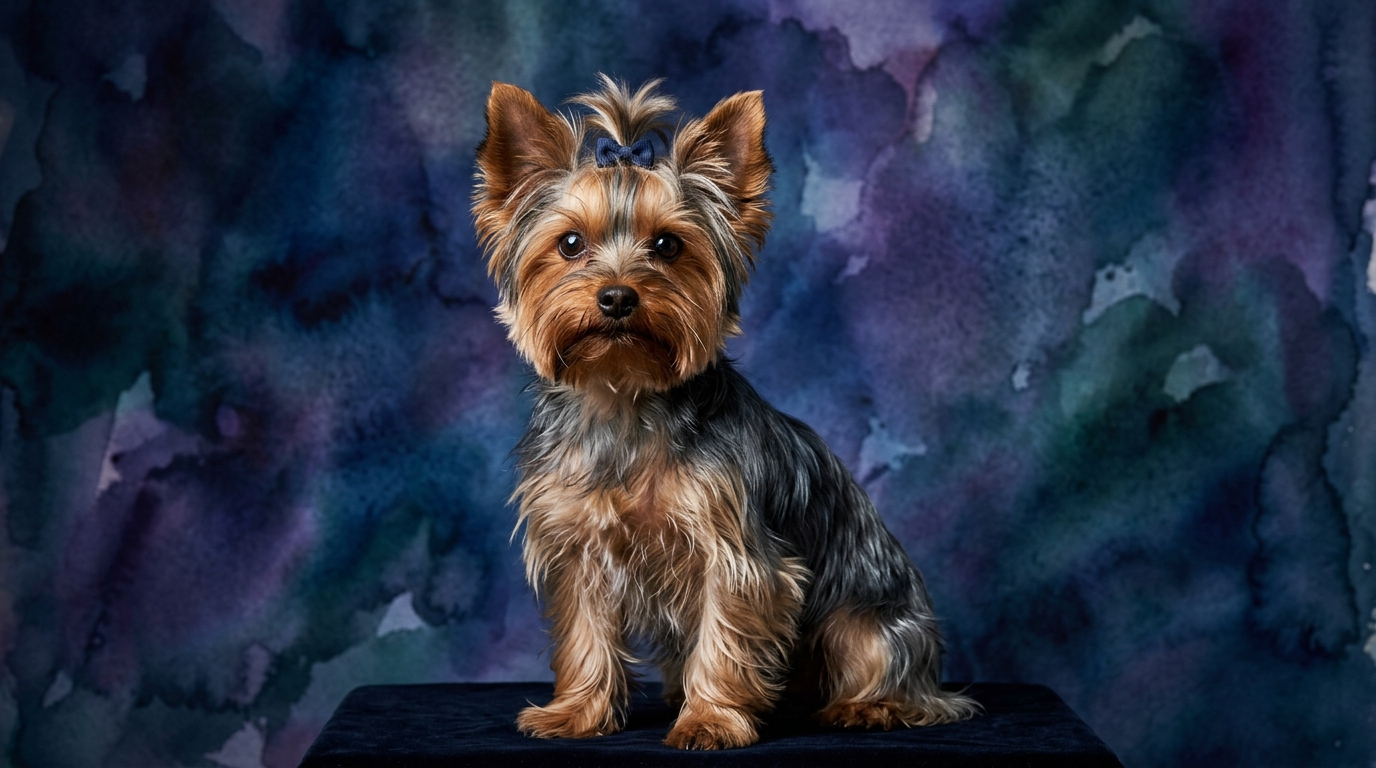
The Yorkshire Terrier, a breed with a Coren ranking of #27, demonstrates a cognitive makeup well-suited for interactive companionship and learning. Their Problem Solving is rated 3/5, indicating an ability to navigate moderately complex environmental challenges or figure out simple puzzle toys, often adapting their approach to gain desired outcomes like treats or attention. Training Speed stands at 4/5, showing a keen aptitude for picking up new commands and routines with fewer repetitions, making them highly responsive to teaching. Social Intelligence is also 4/5, meaning they are deeply attuned to human emotions and social cues, often seeking interaction and adjusting their behavior based on household dynamics. Their Instinctive Drive, rated 4/5, reflects a strong terrier impulse for chasing small prey, digging, and asserting themselves, which translates into focused persistence. Lastly, their Memory at 4/5 signifies excellent recall for learned commands, routines, and the locations of favored items or people, remembering past interactions well.
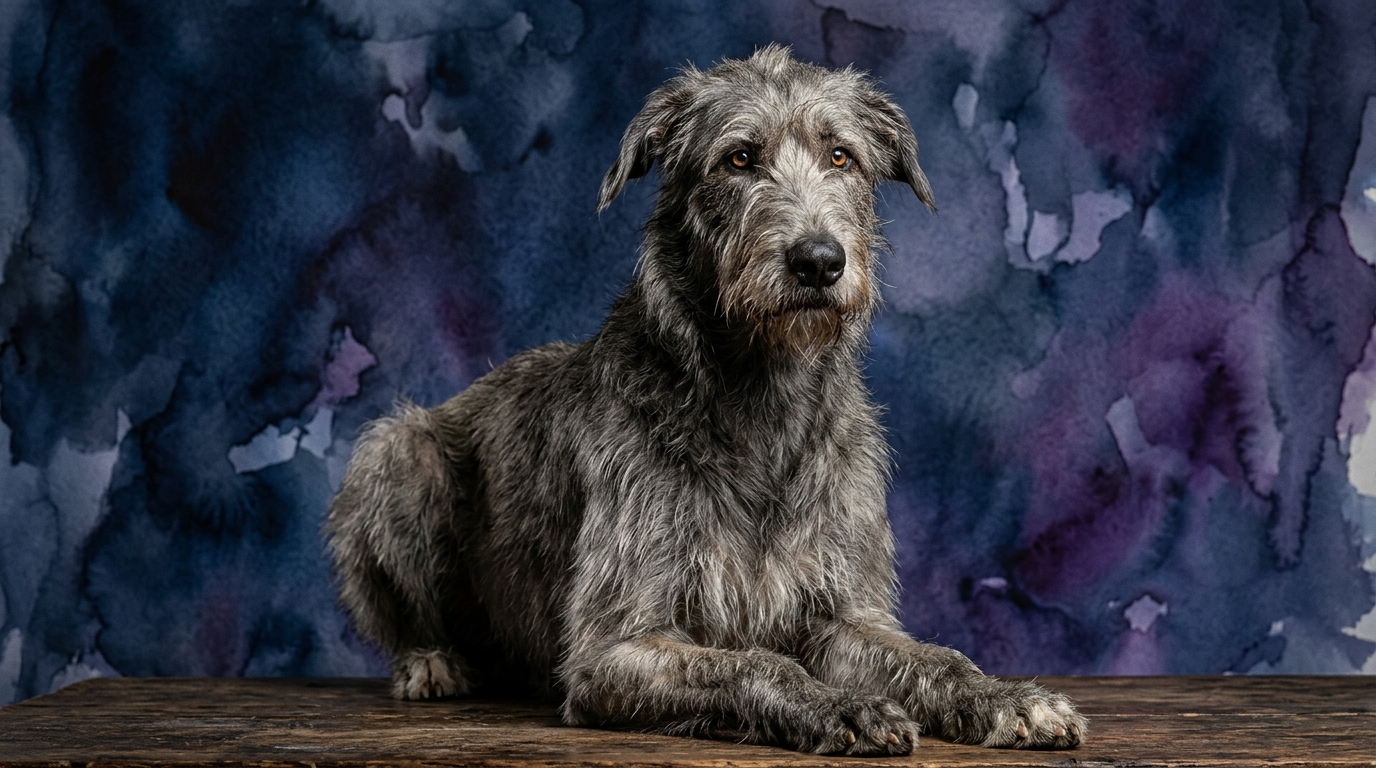
The Irish Wolfhound, while not Coren-ranked, possesses a distinct set of cognitive strengths aligned with its historical role as a sighthound. Their Problem Solving is 3/5, indicating a practical, independent approach to challenges, such as strategizing to find a comfortable spot or navigating familiar spaces, though they might not engage with intricate puzzles with the same persistence as some breeds. Training Speed is 3/5; they learn commands at a moderate pace, often requiring more repetition and consistent motivation than a terrier, with compliance being less immediate due to their independent nature. Social Intelligence is 3/5; they are attuned to their family's presence and mood, displaying a calm and gentle understanding of social dynamics, though their social expression might be more subtle than a terrier's effusiveness. Their Instinctive Drive is 3/5, primarily driven by their sighthound heritage – a strong impulse to chase moving objects, especially at a distance, focused on visual stimuli rather than persistent engagement with small prey. Memory, at 3/5, indicates good recall for routines, people, and places, remembering learned behaviors and previous experiences, but perhaps without the same detailed recall for complex sequences as breeds with higher scores.
Where the Yorkshire Terrier Excels Cognitively
The Yorkshire Terrier exhibits clear cognitive advantages in areas demanding quick responsiveness and social interaction. Their 4/5 Training Speed is a significant asset, allowing them to grasp new commands and multi-step routines with remarkable efficiency, often requiring fewer repetitions than many other breeds. This quick uptake makes them particularly adept at activities like obedience training or learning complex tricks, where rapid association between command and action is key. Furthermore, their 4/5 Social Intelligence means they are exceptionally skilled at interpreting human cues and adapting their behavior accordingly. They are often more proactive in seeking interaction and can adjust their demeanor based on subtle changes in owner mood or tone, fostering a deeply communicative bond. This heightened social awareness contributes to their perceived eagerness to please and their ability to integrate seamlessly into family life, making them responsive companions in various social settings. Their problem-solving, while 3/5, often manifests in seeking human guidance, leveraging their social intelligence to navigate novel situations or challenges effectively when feeling supported.
Where the Irish Wolfhound Shows Unique Cognitive Strengths
The Irish Wolfhound's cognitive strengths lean towards independent reasoning and a more measured approach, reflecting its heritage. While both breeds score 3/5 in Problem Solving, the Wolfhound's approach is distinctly geared towards autonomous decision-making in expansive environments. Their historical role as sight hunters of large game fostered a strategic thinking style, enabling them to evaluate vast landscapes, track distant visual stimuli, and make independent choices without constant human direction. This translates to an adeptness at navigating complex outdoor terrains or making their own assessments in less structured environments, relying on their own judgment rather than immediate handler input. Their 3/5 Instinctive Drive, primarily focused on sighthound pursuits, paradoxically contributes to a certain calmness under pressure in other contexts; they are less prone to the frantic, reactive behaviors often seen in breeds with a broader, more intense drive profile. When confronted with unexpected stimuli, they often process information with a measured response, rather than an immediate, high-intensity reaction. This independent, observational intelligence allows them to patiently absorb details and understand routines over time, often without needing constant direct instruction.
Training Dynamics: Ease and Engagement
The Yorkshire Terrier generally presents as the easier breed to train for typical obedience and trick learning, primarily due to its higher Training Speed (4/5) and Social Intelligence (4/5). Yorkies typically require fewer repetitions to grasp new commands and are often more eager to please, maintaining focus on their handler with enthusiasm. Their strong Memory (4/5) ensures that once a command is learned, it is retained effectively, making subsequent refreshers quicker. For instance, a Yorkie is more likely to quickly learn and consistently execute a 'stay' command in a moderately distracting environment because it is highly attuned to its owner's direction and motivated by positive reinforcement and interaction, thriving on the mental engagement of learning.
The Irish Wolfhound, with a Training Speed of 3/5 and Social Intelligence of 3/5, demands more patience, consistency, and a nuanced understanding of its independent nature. Their sighthound heritage means they might process commands and social cues with a greater degree of deliberation, sometimes appearing less immediately compliant. While perfectly capable of learning, they might not offer the same enthusiastic, immediate response as a terrier. Training an Irish Wolfhound often involves understanding their inherent motivations, such as their strong chase drive, and providing rewards that align with their natural inclinations, like a rewarding run or a calm, appreciative interaction, rather than expecting constant, precise obedience. A Wolfhound might learn a 'recall' command diligently, but their independent instinct to pursue a distant visual target could momentarily override it, requiring more consistent, high-value reinforcement and a deep bond built on trust and mutual respect.
Lifestyle Match: Active vs. Relaxed Owners
The Yorkshire Terrier, despite its diminutive stature, often thrives with owners who enjoy interactive engagement and consistent mental stimulation. Their 4/5 Instinctive Drive, coupled with a quick training speed and high social intelligence, means they flourish when learning new tricks, participating in scaled-down dog sports like agility, or being actively involved in daily family activities. They are excellent companions for owners who enjoy frequent walks, engaging play sessions, and incorporating their dog into a bustling social life. This breed demands a certain level of active participation from their human to channel their energetic terrier spirit, preventing boredom and potential misbehaviors stemming from under-stimulation, making them a fit for dynamic households.
The Irish Wolfhound is better suited for owners who appreciate a more relaxed, gentle giant presence but can accommodate their specific needs for space and exercise. While they require ample opportunities for long, free-running gallops in secure, open areas to satisfy their sighthound drive (3/5), their daily energy expenditure indoors is often lower, manifesting as a calm, observant demeanor. They are ideal for owners who enjoy serene companionship, quiet evenings, and perhaps a daily stroll or a good romp in a large, securely fenced yard, rather than constant, high-intensity interaction. Their more independent nature means they are often content observing from a comfortable spot, making them a fit for owners who prefer a calm, majestic presence over a perpetually boisterous companion, provided their specific exercise requirements are consistently met.
The Verdict
Opt for a Yorkshire Terrier if you desire a responsive, quick-learning companion eager for interactive training, social engagement, and a dog that thrives on being an active, vocal participant in your daily routine.
Select an Irish Wolfhound if you value a calm, independent, and majestic companion that appreciates space, requires specific outlets for its sighthound instincts, and offers a more serene, thoughtful presence.
🧠 Find Your Pet's IQ Score
Our Pet IQ Lab assessment covers 25+ tests across 5 cognitive dimensions — personalized to your breed.
Take the Full IQ Test →Frequently Asked Questions
Do Yorkshire Terriers get along with other pets?
Yorkshire Terriers, with their 4/5 social intelligence, can typically coexist well with other pets if properly socialized from a young age. Their terrier drive might lead them to chase smaller animals, but with careful introductions and supervision, they often adapt to a multi-pet household, often forming strong bonds.
What kind of exercise does an Irish Wolfhound need?
An Irish Wolfhound requires regular opportunities for free-running in a securely fenced area to satisfy its sighthound instinctive drive (3/5). While they are not high-energy indoors, daily long walks or controlled gallops are essential for their physical and mental well-being, complementing their calm demeanor.
Are Irish Wolfhounds difficult to train because they are not Coren-ranked?
Not being Coren-ranked does not mean Irish Wolfhounds are 'difficult' to train, but rather indicates their cognitive strengths lie in different areas than those typically measured by Coren's obedience-focused scale. Their 3/5 training speed means they learn at a moderate pace and respond best to patient, consistent training methods that respect their independent, thoughtful nature.