Side-by-Side IQ Profile: Yorkie vs. Elkhound
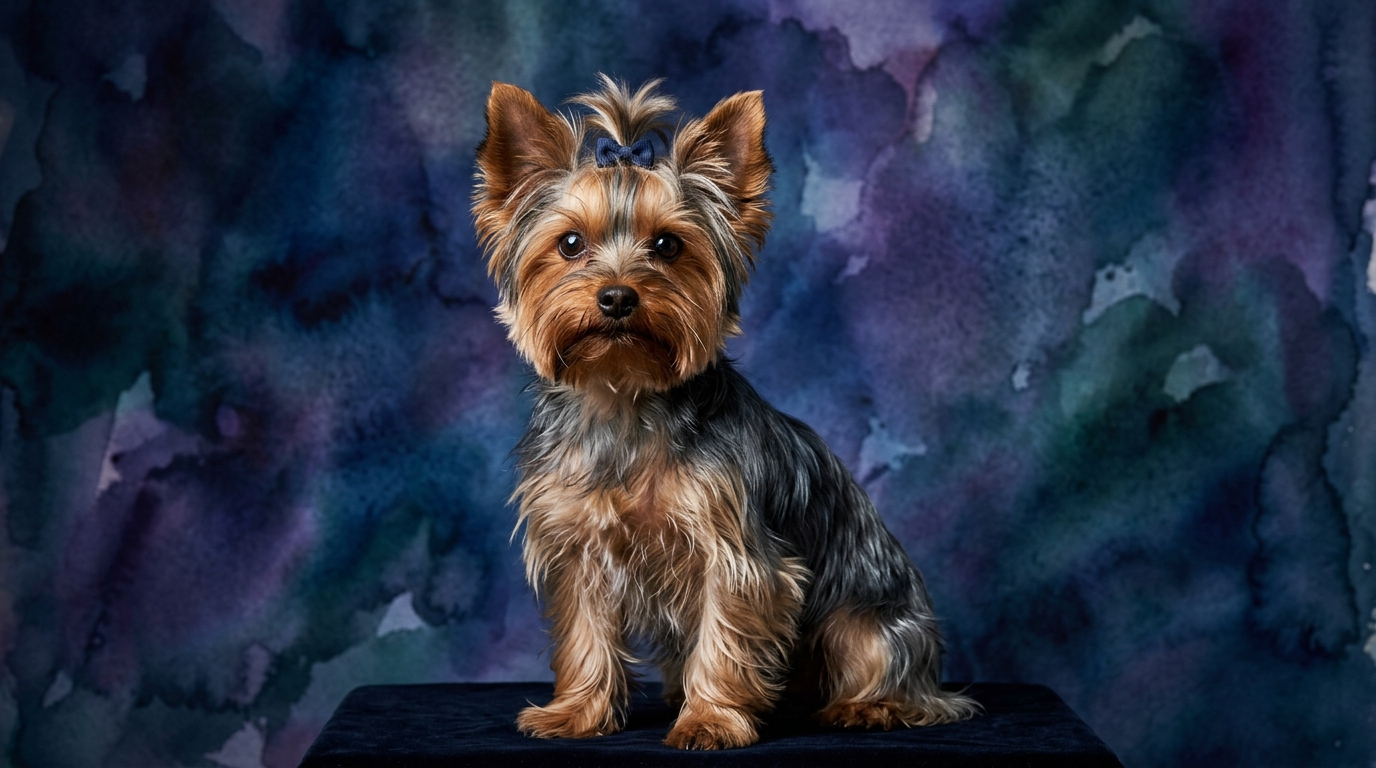
The Yorkshire Terrier, a compact terrier, exhibits a Coren rank of #27, placing it comfortably in the upper tier for working and obedience intelligence. Our Pet IQ Lab assessment scores its Problem Solving at 3/5, indicating a capacity for navigating straightforward challenges but perhaps less inclination for complex, multi-step puzzles. Its Training Speed shines at 4/5, suggesting a quick grasp of new commands, while Social Intelligence also rates 4/5, highlighting an acute awareness of human cues and social dynamics. An Instinctive Drive of 4/5 speaks to its strong terrier instincts, including alertness and a propensity for chase. Finally, its Memory scores 4/5, allowing it to retain learned behaviors and routines effectively.
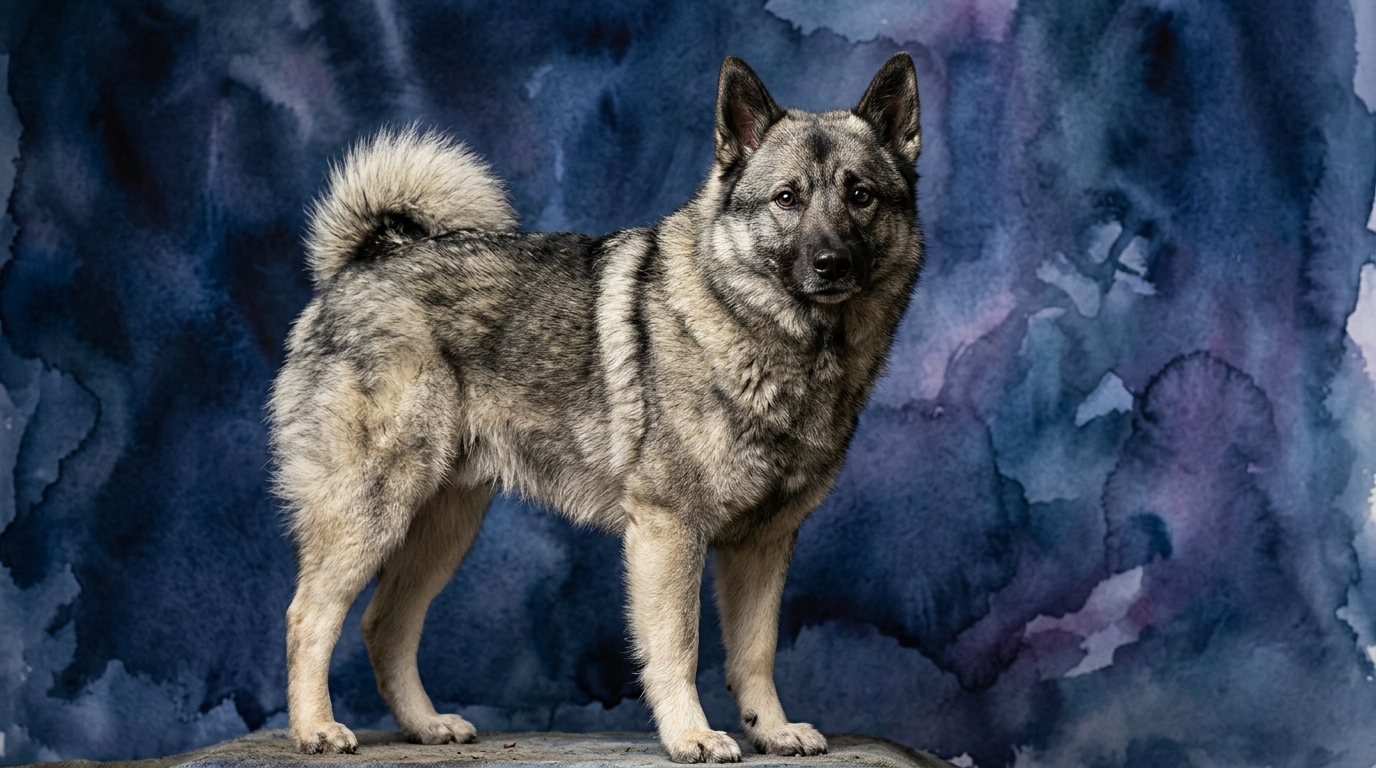
In contrast, the Norwegian Elkhound, a resilient hound, holds a Coren rank of #36, reflecting its aptitude for independent work. This breed scores an impressive 4/5 in Problem Solving, underscoring its historical role in tracking and navigating challenging terrain, requiring strategic thought. Its Training Speed mirrors the Yorkie's at 4/5, indicating a similar pace in acquiring new skills. However, its Social Intelligence stands at 3/5, suggesting a more independent nature and a potentially less overt focus on human social signals compared to the Yorkie. The Elkhound's Instinctive Drive is 3/5, reflecting a strong, purposeful drive often directed towards its scent-tracking and hunting heritage, yet perhaps less reactive than a terrier's. Like the Yorkie, its Memory is robust at 4/5, essential for recalling complex routes and learned behaviors over time.
Where the Yorkshire Terrier Wins Cognitively
The Yorkshire Terrier truly distinguishes itself in the realm of social cognition and immediate instinctive responses. With a Social Intelligence score of 4/5 compared to the Elkhound's 3/5, Yorkies demonstrate a superior ability to read and respond to human emotions and social cues. This translates into a breed that is often more attuned to its owner's mood, quicker to seek interaction, and more adept at integrating into complex household social structures, making them highly responsive companions.
Furthermore, the Yorkie's Instinctive Drive of 4/5, surpassing the Elkhound's 3/5, highlights its sharp, reactive nature. While this manifests in their characteristic alertness and vocalizations, it also indicates a heightened awareness of their immediate environment and a strong, almost immediate impulse to act on these perceptions. This acute drive can be channeled into focused play or specific tasks, making them incredibly engaging and responsive in situations demanding quick, decisive action, such as agility or interactive games, where their terrier tenacity comes to the forefront.
Where the Norwegian Elkhound Wins Cognitively
The Norwegian Elkhound's primary cognitive advantage lies in its sophisticated Problem Solving abilities, scoring 4/5 against the Yorkie's 3/5. This higher rating reflects its historical role as an independent hunter, requiring it to make complex decisions, navigate challenging environments, and strategize without constant human direction. Elkhounds excel at tasks that demand foresight, spatial reasoning, and the ability to work through obstacles methodically, such as scent work, intricate puzzle toys, or finding creative solutions to reach a desired object.
This superior problem-solving capacity means Elkhounds are less likely to become flustered by novel situations and are more inclined to experiment with different approaches until they find a working solution. While their independence might sometimes be mistaken for stubbornness, it is, in fact, a testament to their deep-seated ability to think critically and apply learned knowledge to new circumstances. Owners who appreciate a dog that can 'figure things out' will find the Elkhound's cognitive strengths particularly rewarding, offering a partner capable of engaging in more complex mental tasks.
Which is Easier to Train and Why
Both the Yorkshire Terrier and the Norwegian Elkhound share an impressive Training Speed of 4/5, indicating that neither breed is inherently slow to learn new commands. However, the *ease* of training can differ significantly due to their other cognitive traits and behavioral tendencies. The Yorkie's higher Social Intelligence (4/5) often translates into a greater desire to please its human companion and a more pronounced focus on the handler during training sessions. This breed is generally more receptive to positive reinforcement methods that leverage their social bond, making them highly biddable for obedience and trick training.
The Norwegian Elkhound, despite its rapid learning ability, presents a different training dynamic. Its strong Problem Solving (4/5) and slightly lower Social Intelligence (3/5) mean it may be more inclined to evaluate commands and decide if they align with its own goals or instincts. This independence, a hallmark of its hound heritage, can sometimes be perceived as 'stubbornness' rather than a lack of understanding. Training an Elkhound often requires more patience, consistency, and a deeper understanding of its motivations, leveraging its drive for exploration or scent work to maintain engagement, rather than solely relying on social appeasement. While both learn quickly, the Yorkie's inherent social focus often makes it feel more straightforward for the average owner to train in standard obedience contexts.
Which Suits Active Owners vs. Relaxed Owners
For owners seeking a dog with robust physical endurance and a strong drive for outdoor exploration, the Norwegian Elkhound is often the more suitable choice. While its Instinctive Drive is 3/5, this is typically directed towards sustained activity, scent tracking, and navigating varied terrains. Elkhounds thrive on regular, vigorous exercise, long hikes, and activities that engage both their body and their considerable problem-solving mind, such as agility or competitive obedience. Their independent nature also means they can be content exploring a secure yard or engaging in solitary scent games, though they still require significant interaction.
The Yorkshire Terrier, with its 4/5 Instinctive Drive, is far from a sedentary companion, but its energy often manifests in bursts and a need for consistent mental engagement within a more contained environment. They excel with owners who can provide frequent, stimulating play sessions, short walks, and consistent mental challenges like puzzle toys or learning new tricks. While they can be active, their exercise needs are generally met with indoor play and shorter outdoor excursions, making them a better fit for owners who might have a less rugged outdoor lifestyle but can commit to regular, interactive engagement and managing their alert, vocal terrier tendencies within the home.
The Verdict
Choose the Yorkshire Terrier if you seek a highly socially attuned companion eager to engage in interactive play and thrive in a structured, attentive home environment. Their quick learning and strong social bond make them rewarding for owners who appreciate a responsive, engaging presence.
Opt for the Norwegian Elkhound if you are an active, outdoors-oriented individual who values an independent, problem-solving partner for longer adventures and mental challenges. This breed thrives with owners who understand their strategic mind and appreciate a less overtly dependent but deeply bonded companion.
🧠 Find Your Pet's IQ Score
Our Pet IQ Lab assessment covers 25+ tests across 5 cognitive dimensions — personalized to your breed.
Take the Full IQ Test →Frequently Asked Questions
Are Yorkshire Terriers difficult to train due to their small size?
No, Yorkshire Terriers have a Training Speed of 4/5 and high social intelligence, making them quite receptive to learning. Their training success often depends on consistent, positive reinforcement methods that leverage their desire for social interaction rather than their stature.
Do Norwegian Elkhounds require extensive mental stimulation?
Yes, Norwegian Elkhounds, with their 4/5 Problem Solving score, thrive on mental challenges. They need activities that engage their strategic thinking and independent nature, such as puzzle toys, scent work, or advanced obedience, to prevent boredom and destructive behaviors.
How do their social intelligence scores impact their family life?
The Yorkshire Terrier's 4/5 Social Intelligence means they are often highly attuned to family dynamics and human emotions, seeking close interaction. The Norwegian Elkhound's 3/5 score suggests a more independent nature; while loyal, they may be less overtly demonstrative and more comfortable with periods of self-directed activity.