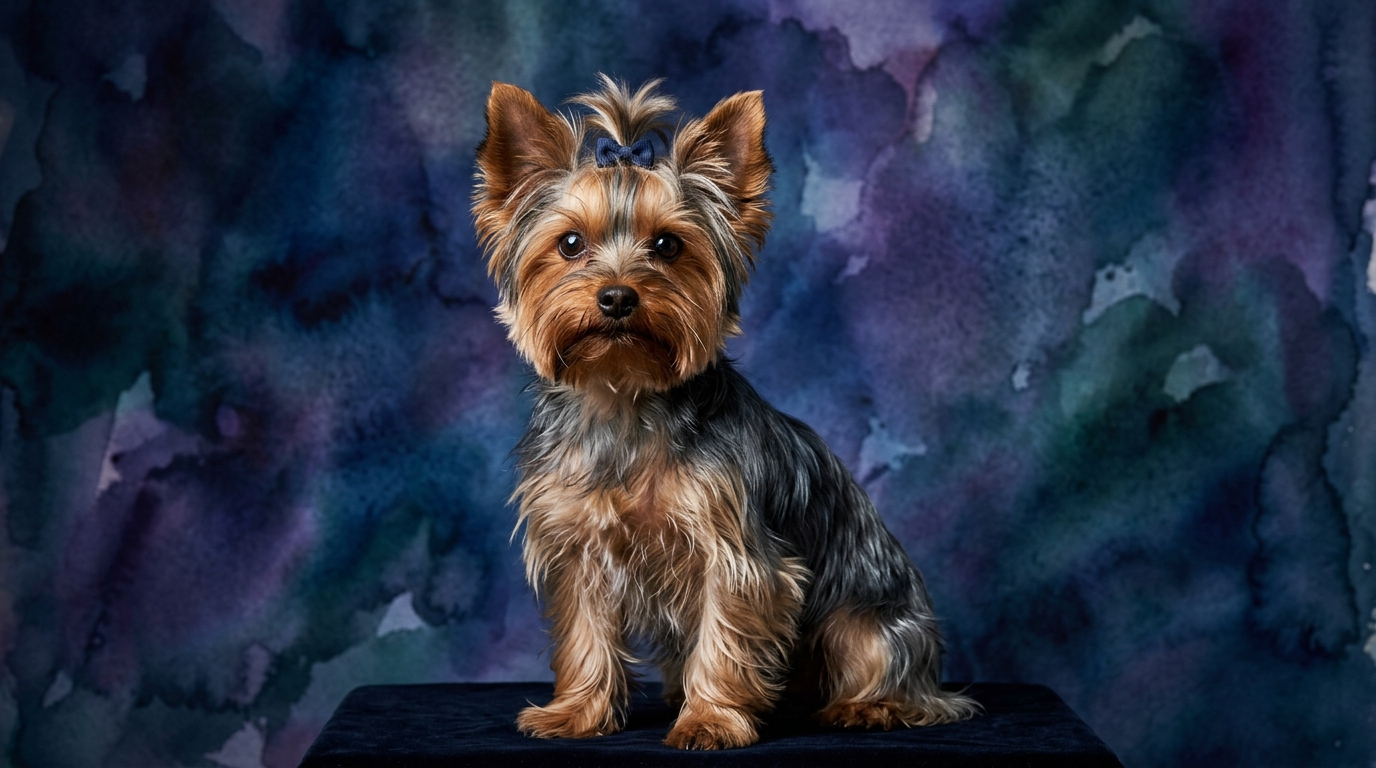
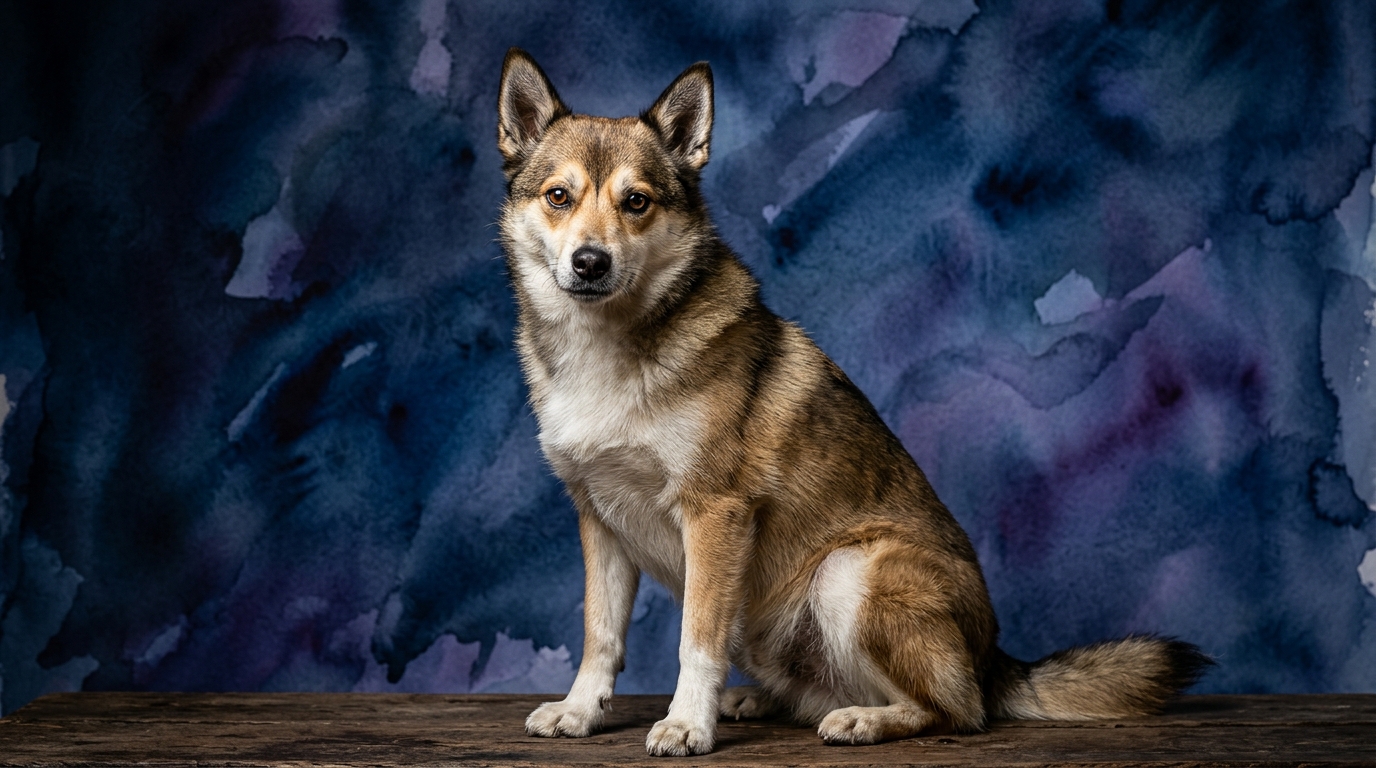
Side-by-Side IQ Profile: Yorkshire Terrier vs. Norwegian Lundehund
The Yorkshire Terrier, ranked #27 by Coren for working intelligence, presents a well-rounded cognitive profile. Their Problem Solving is rated 3/5, indicating a practical, often learned, approach to challenges. Training Speed is a quick 4/5, showcasing rapid command acquisition and sustained focus. With a Social Intelligence of 4/5, Yorkies are adept at reading human cues, fostering deep, responsive bonds. Their Instinctive Drive, also 4/5, reflects a keen terrier alertness and engagement with their environment. A strong Memory of 4/5 ensures consistent retention of learned behaviors and routines.
The Norwegian Lundehund, a breed not ranked by Coren, demonstrates a unique cognitive makeup tailored to its specialized history. Their Problem Solving, rated 3/5, is particularly geared towards spatial and physical navigation, a legacy of their puffin-hunting past. Training Speed is 3/5, suggesting a more deliberate learning pace requiring patient reinforcement. Social Intelligence stands at 3/5, indicating strong family bonds but a more independent social demeanor. Their Instinctive Drive, 3/5, manifests as a persistent need for exploration and physical challenges. Memory, also 3/5, supports recall of routines and environmental understanding but might need more consistent reinforcement for complex tasks.
Where the Yorkshire Terrier Wins Cognitively
The Yorkshire Terrier's cognitive strengths distinctly favor companionship and trainability. Their Training Speed, a robust 4/5, allows for notably quicker command acquisition compared to the Lundehund's 3/5. This efficiency streamlines the learning process, making training sessions more productive and enjoyable. Crucially, their Social Intelligence, also 4/5, provides a profound advantage; Yorkies are exceptionally perceptive to human emotions and subtle cues, fostering an intuitive connection that enhances their responsiveness. This heightened awareness means they often anticipate owner desires, deepening their role as attentive companions. Furthermore, a Memory score of 4/5 ensures that learned behaviors and household rules are consistently retained. This strong recall, combined with their 4/5 instinctive drive for engagement, makes them eager participants in daily life, readily adapting to domestic routines and human-led activities. While their problem-solving aligns with the Lundehund, their overall cognitive suite makes them highly adaptable and responsive to a human-centric environment.
Where the Norwegian Lundehund Wins Cognitively
The Norwegian Lundehund's cognitive profile, while not marked by higher scores in conventional metrics, showcases a specialized ingenuity unique to its heritage. Their Problem Solving, rated 3/5, is particularly compelling when understood as an innate capacity for complex spatial reasoning and physical dexterity. This isn't about abstract puzzles, but an unparalleled ability to assess and navigate intricate physical environments, a direct legacy of their puffin-hunting role in treacherous terrains. This specialized problem-solving manifests as a persistent, curious exploration, driven by an independent thought process geared towards physical challenges. While their scores for Training Speed, Social Intelligence, Instinctive Drive, and Memory are 3/5, these reflect a breed with a distinct self-reliance. Their instinctive drive, for example, is a powerful urge for exploration and agile movement, rather than solely human-directed engagement. This independence can be a cognitive "win" for owners seeking a dog comfortable with self-directed activity and less prone to separation anxiety, valuing a partner with unique, self-sufficient mental processes. Their strengths lie in interpreting and mastering the physical world in ways few other breeds can.
Which is Easier to Train and Why
For ease of training, the Yorkshire Terrier generally offers a more streamlined experience. Their 4/5 Training Speed means they typically grasp new commands more rapidly than the Lundehund, whose score is 3/5. This efficiency translates to fewer repetitions and faster progress in obedience. A significant factor is the Yorkie's superior Social Intelligence (4/5 versus 3/5 for the Lundehund); they are more attuned to human cues and eager to please, making them highly responsive to instruction. This inherent desire to engage with their owner fosters a cooperative training dynamic. Additionally, the Yorkie's stronger Memory (4/5) ensures consistent retention of learned behaviors, reducing the need for frequent re-training. The Lundehund, conversely, with its independent nature and 3/5 scores across several cognitive dimensions, requires a more patient and creative approach. Their historical self-reliance means they often need greater motivation and repetition to maintain focus during training, valuing independent thought over strict adherence to commands. Effective Lundehund training often involves making tasks feel like engaging problem-solving games rather than simple directives, catering to their distinctive exploratory drive.
Which Suits Active Owners vs. Relaxed Owners
The ideal owner profile differs considerably for these two breeds. The Yorkshire Terrier, despite its size, often possesses a lively temperament and a significant need for interaction, suiting owners who enjoy consistent engagement. Their 4/5 Instinctive Drive requires daily walks, interactive play, and mental stimulation to prevent boredom. With high Social Intelligence (4/5), they thrive on being central to family activities, making them excellent companions for moderately active owners who can provide regular attention and training. While adaptable to apartment living, they benefit from consistent mental and physical outlets. The Norwegian Lundehund, however, is best suited for highly active, experienced owners who can meet its unique demands. Their 3/5 Instinctive Drive manifests as a powerful urge for exploration, climbing, and agile movement, demanding more than simple walks. Lundehunds require extensive physical exercise that engages their exceptional agility and problem-solving (3/5) abilities, ideally in varied environments or through dog sports. Their independent nature means they need consistent, stimulating activity to prevent destructive behaviors, making them unsuitable for relaxed owners seeking a low-maintenance companion.
The Verdict
Choose the Yorkshire Terrier if you seek a highly responsive, socially attuned companion who learns quickly and thrives on close human interaction, making training a more fluid and rewarding experience. They are an excellent fit for owners who appreciate a dog with strong recall and a consistent eagerness to engage in daily routines and companionship.
Opt for the Norwegian Lundehund if you are an experienced, active owner drawn to a unique, independent breed with specialized physical capabilities and a strong drive for environmental exploration and agility. This breed thrives with consistent, engaging physical and mental challenges that respect their self-reliant nature and distinct problem-solving approach.
🧠 Find Your Pet's IQ Score
Our Pet IQ Lab assessment covers 25+ tests across 5 cognitive dimensions — personalized to your breed.
Take the Full IQ Test →Frequently Asked Questions
Do Yorkshire Terriers bark a lot due to their instinctive drive?
Yorkshire Terriers' 4/5 instinctive drive, rooted in their terrier heritage, often manifests as alertness and a tendency to vocalize at perceived threats or novel stimuli. While not inherently excessive, their strong drive means they can be prone to barking if not properly managed or if left without sufficient mental engagement.
How does the Norwegian Lundehund's unique physical anatomy relate to its problem-solving abilities?
The Norwegian Lundehund's 3/5 problem-solving score is intrinsically linked to its unique anatomy, including extra toes and highly flexible joints. These physical adaptations allowed them to navigate challenging terrains and extract puffins from tight crevices, demonstrating a specialized form of spatial and physical problem-solving that is deeply ingrained in the breed's cognitive approach to its environment.
Is the Norwegian Lundehund a good choice for first-time dog owners?
The Norwegian Lundehund, with its independent nature, specialized needs for physical activity, and a training speed of 3/5, can present challenges that might be overwhelming for first-time dog owners. Their unique cognitive and physical requirements generally make them better suited for experienced owners who understand and can commit to their distinct breed characteristics.