Side-by-Side Cognitive Profiles
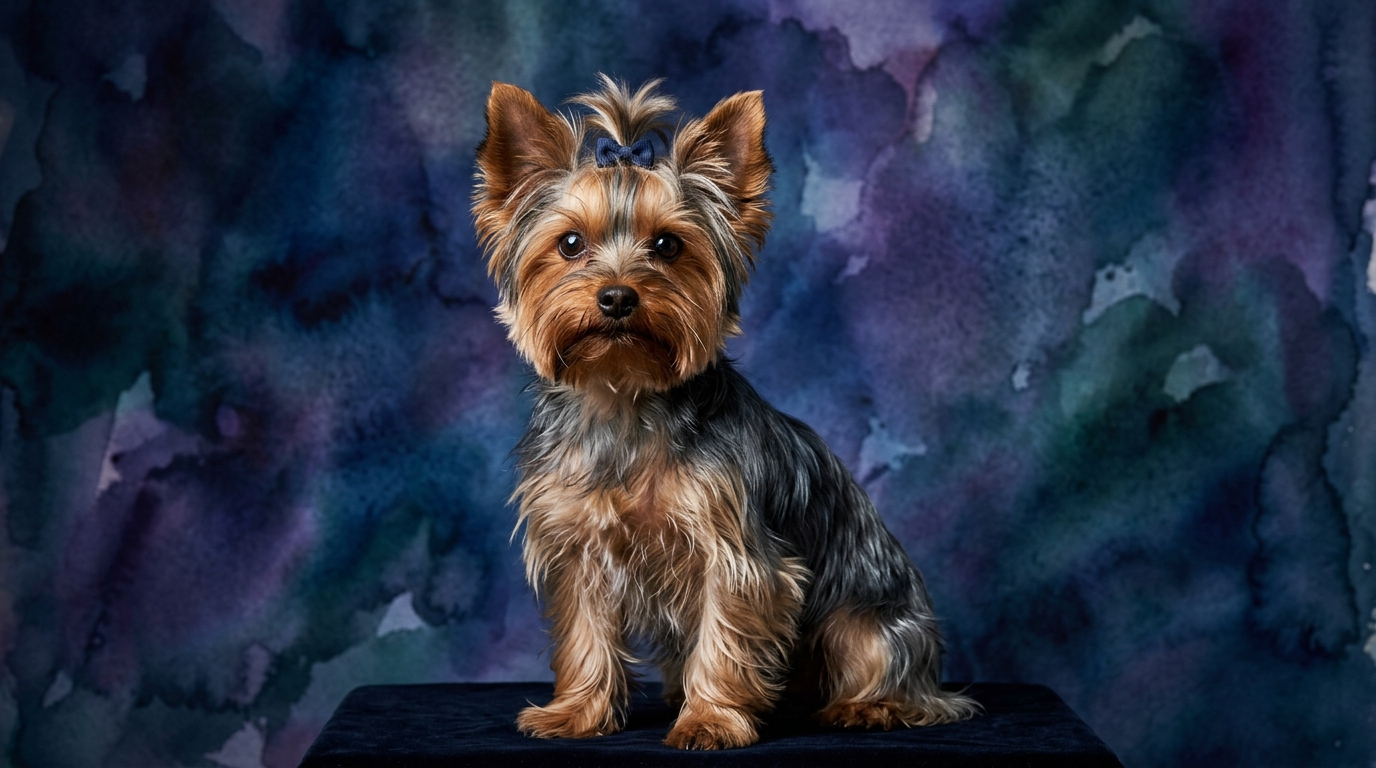
The Cosmic Pet Pet IQ Lab assesses canine intelligence across five key dimensions, providing a nuanced look beyond generalized notions. For the Yorkshire Terrier, a breed falling into Stanley Coren's 'excellent working dogs' category at rank #27, their profile includes Problem Solving 3/5, Training Speed 4/5, Social Intelligence 4/5, Instinctive Drive 4/5, and Memory 4/5. This indicates a dog capable of grasping new commands quickly, often with just 15-25 repetitions, and obeying on the first command a significant portion of the time.
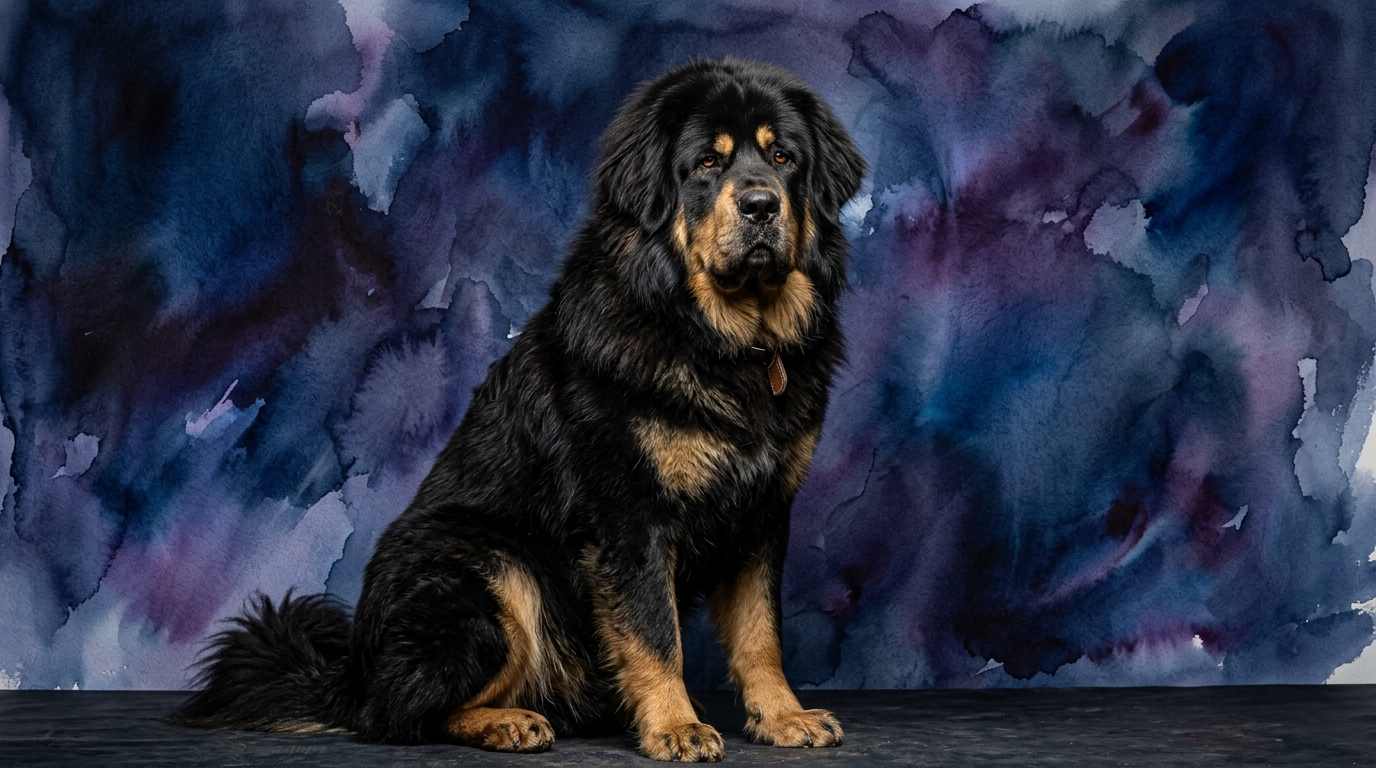
In contrast, the formidable Tibetan Mastiff, a Working breed not typically included in Coren's obedience-focused rankings due to its independent nature, presents a different cognitive landscape. Its scores are Problem Solving 3/5, Training Speed 3/5, Social Intelligence 3/5, Instinctive Drive 3/5, and Memory 3/5. These scores suggest a less immediate aptitude for conventional obedience training and a more self-reliant approach to its environment. While its problem-solving matches the Yorkie's general score, the context and application of this ability likely differ significantly, geared towards independent assessment rather than handler-directed tasks.
Where the Yorkshire Terrier Excels Cognitively
The Yorkshire Terrier's cognitive strengths shine in areas that prioritize human interaction and adaptability within a domestic setting. With a Training Speed of 4/5, they demonstrate a remarkable capacity for learning commands swiftly, making them highly receptive to consistent training. This rapid acquisition of new behaviors stems from their keen social intelligence (4/5), allowing them to accurately interpret human cues and intentions. Their strong memory (4/5) ensures that once a command or routine is learned, it is retained effectively, contributing to their reputation as a readily trainable companion.
Furthermore, the Yorkie's Instinctive Drive (4/5), while rooted in their terrier heritage of vigilance and tenacity, is often channeled into focused engagement with their human companions. This drive translates into an energetic approach to interactive games, puzzle toys, and agility, where their problem-solving (3/5) is applied to navigating obstacles or figuring out how to retrieve treats. Their cognitive profile makes them highly adaptable to varied living situations, thriving on mental engagement that often involves their primary caregivers.
Where the Tibetan Mastiff Demonstrates Unique Strengths
The Tibetan Mastiff's cognitive profile, while presenting lower scores in some general metrics, reveals a specialized intelligence honed for its historical role as an independent guardian. Its Problem Solving (3/5) is not necessarily about performing tricks, but rather about assessing environmental threats and making autonomous decisions to protect its territory and family. This requires a different kind of cognitive processing—one of vigilance, discernment, and strategic self-reliance, rather than quick compliance to human instruction.
While its Social Intelligence is rated 3/5, this score reflects a selective rather than a universally outgoing nature. A Tibetan Mastiff's social aptitude is deeply focused on its immediate family unit, exhibiting profound loyalty and a nuanced understanding of its inner circle. Its Instinctive Drive (3/5) is powerfully geared towards protection, manifesting as an unwavering watchfulness and a willingness to act independently when perceived threats arise. This cognitive independence, coupled with a memory (3/5) for recognizing familiar faces and territory boundaries, allows the Tibetan Mastiff to operate effectively as a formidable, self-sufficient sentinel.
Training Aptitude: Compliance vs. Independence
When it comes to ease of training, the Yorkshire Terrier generally presents a more straightforward path for the average owner. Their Training Speed of 4/5 means they are highly motivated by positive reinforcement and eager to please their human companions, quickly forming associations between commands and rewards. Their high social intelligence further facilitates this process, as they are attuned to their handler's moods and instructions, making them responsive to clear communication and consistent methods. Behavioral differences such as their attention-seeking nature and quick engagement make them delightful students.
The Tibetan Mastiff, with a Training Speed of 3/5, requires a different approach. Their independent nature and deep-seated guarding instincts mean they are less inclined to offer immediate, enthusiastic compliance. Training a Tibetan Mastiff demands immense patience, consistency, and a handler who understands their unique motivations. They respond best to logical, fair methods that respect their autonomy, rather than rote drills. Their purpose-driven mindset means they often need to understand the 'why' behind a command, and their formidable size and strength necessitate early, consistent socialization and boundary setting to manage their protective drives responsibly. This isn't about a lack of capacity, but a difference in willingness to be 'trained' in a conventional sense.
Matching Breeds to Lifestyles: Active vs. Relaxed Owners
The Yorkshire Terrier, despite its small stature, thrives with owners who can provide consistent mental engagement and interactive activity. While they may enjoy relaxed cuddle sessions, their 4/5 instinctive drive and 3/5 problem-solving mean they benefit from regular walks, puzzle toys, and opportunities for 'work' like learning new tricks or participating in dog sports. They suit owners who are 'active' in the sense of being present, interactive, and willing to dedicate time to focused play and training, providing the mental stimulation their keen minds crave. They adapt well to apartment living but need their daily dose of handler-involved activity.
The Tibetan Mastiff, on the other hand, suits a very specific type of 'active' owner—one who is active in managing a large, powerful, and independent breed. This isn't about daily jogging partners, but rather owners who can provide substantial space, consistent leadership, and extensive socialization from an early age. Their moderate instinctive drive (3/5) is channeled into territorial protection, requiring owners who understand and can responsibly manage this intrinsic behavior. 'Relaxed' owners who prefer a hands-off approach or lack experience with guardian breeds would find the Tibetan Mastiff's independent nature and strong will challenging. They thrive with experienced owners who appreciate a watchful, self-sufficient companion and have the time and resources to provide a secure, stimulating environment.
The Verdict
Choose the Yorkshire Terrier if you seek an interactive, adaptable companion eager to engage in learning and thrive on close human connection in varied environments.
Opt for the Tibetan Mastiff if you are an experienced owner with ample space, seeking a profound, independent guardian whose loyalty is unwavering but requires significant commitment to responsible management and patient understanding.
🧠 Find Your Pet's IQ Score
Our Pet IQ Lab assessment covers 25+ tests across 5 cognitive dimensions — personalized to your breed.
Take the Full IQ Test →Frequently Asked Questions
Are Yorkshire Terriers prone to barking?
Yes, Yorkshire Terriers, with their terrier heritage and vigilance, can be quite vocal. Their instinctive drive (4/5) often translates into alert barking at perceived threats or novelties, making early training crucial for managing this trait.
What kind of living environment does a Tibetan Mastiff need?
A Tibetan Mastiff requires a spacious, securely fenced yard or property to satisfy its territorial instincts. They are not suited for apartment living due to their size, need for independence, and strong guarding drives, preferring a home where they can observe their domain.
Do these breeds require extensive grooming?
Both breeds have significant grooming needs. Yorkshire Terriers possess long, fine coats requiring daily brushing to prevent mats and regular professional grooming. Tibetan Mastiffs have a dense double coat that sheds seasonally, demanding thorough brushing several times a week, especially during shedding periods, to manage loose fur and prevent matting.