Side-by-Side IQ Profile: Unpacking Cognitive Strengths
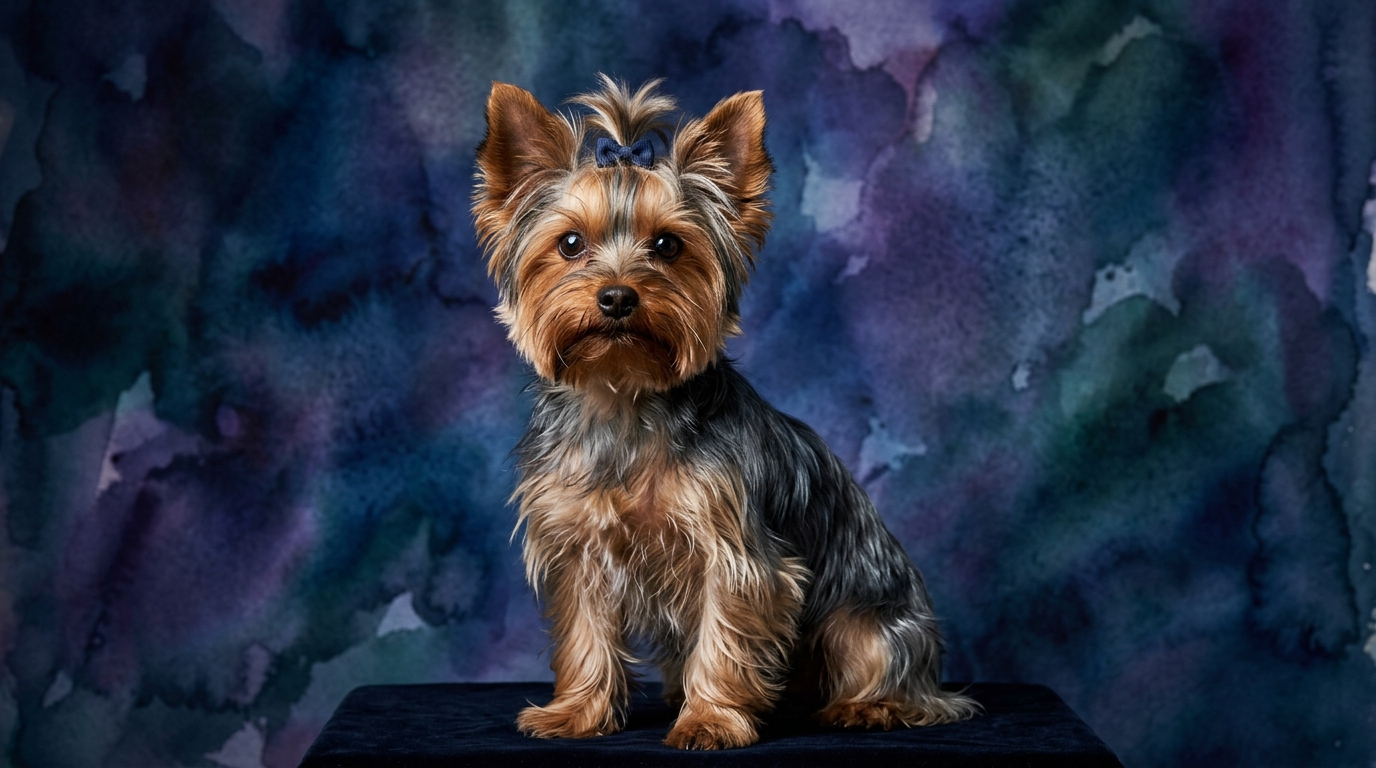
The Cosmic Pet Pet IQ Lab provides a nuanced framework for understanding canine cognition, moving beyond simplistic labels to reveal a spectrum of abilities. For the Yorkshire Terrier, ranked #27 by Stanley Coren, their profile reflects a sharp, adaptable mind: problem-solving at 3/5 suggests they can figure out moderately complex tasks, like opening simple latches or navigating small puzzles, but might not excel at multi-step challenges without guidance. Their training speed, at an impressive 4/5, indicates a quick grasp of new commands and routines, often eager to please and learn. Social intelligence scores 4/5, demonstrating a strong capacity to understand human cues, adapt to various social situations, and form deep bonds. Instinctive drive, also 4/5, points to their terrier heritage—a persistent, energetic pursuit of small game or perceived intruders, exhibiting tenacity in their actions. Finally, a memory score of 4/5 means they retain learned behaviors and routines effectively, remembering past experiences and their associated outcomes.
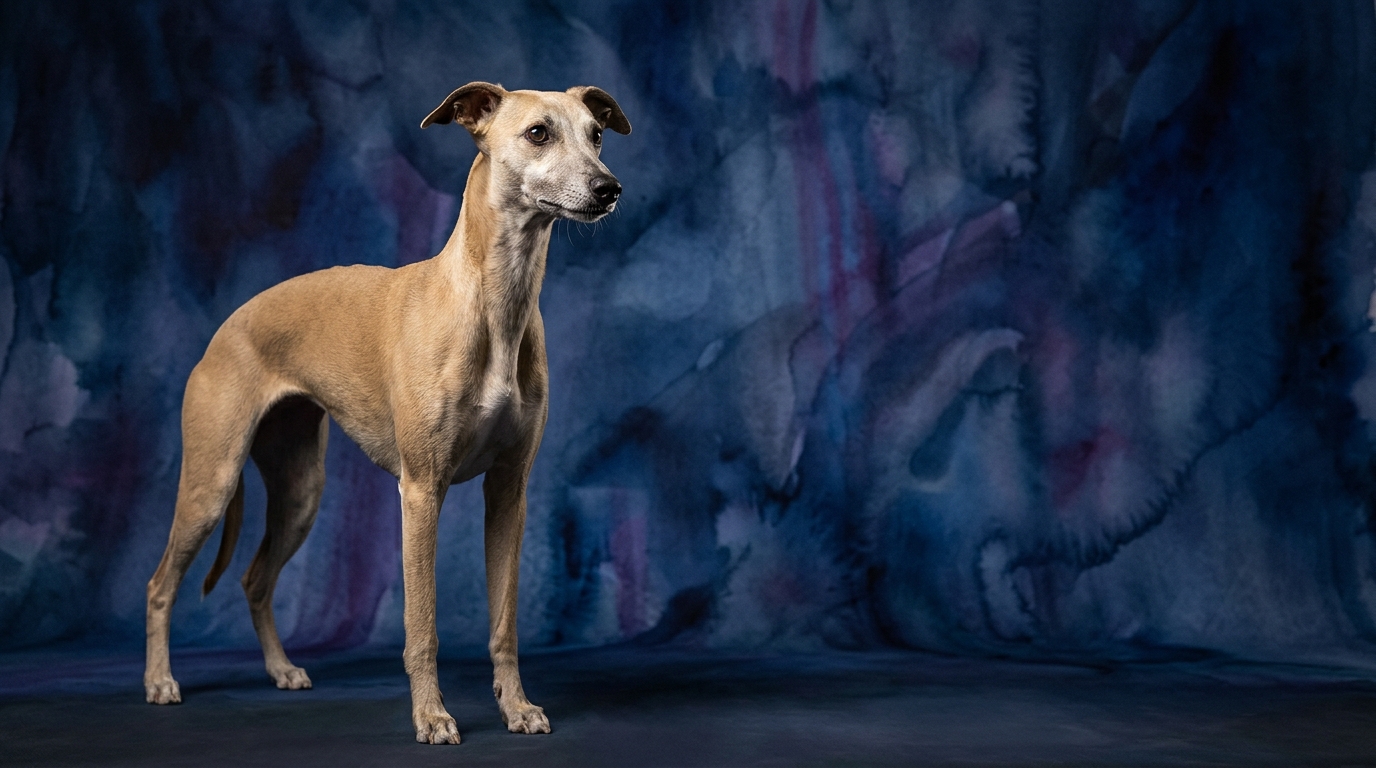
In contrast, the Whippet, with a Coren rank of #51, presents a different cognitive blueprint, reflecting their sighthound lineage. Their problem-solving score of 3/5 mirrors the Yorkshire Terrier, suggesting a practical intelligence focused on immediate environmental challenges rather than abstract reasoning. However, their training speed is 2/5, indicating they may require more repetition and patience to master new commands, often preferring to act on their own terms rather than slavishly follow instructions. Social intelligence at 4/5 is a shared strength, showing their ability to connect with humans and other animals, often in a gentle and sensitive manner. A standout feature is their instinctive drive, scoring a maximum 5/5. This reflects their powerful, innate urge to chase and capture, a hardwired response to movement in their environment, making them incredibly focused on prey. Their memory score of 3/5 suggests they recall key information and routines adequately, but perhaps not with the same detailed retention as breeds with higher scores, potentially needing more frequent reinforcement for less ingrained behaviors.
Where the Yorkshire Terrier Excels Cognitively
The Yorkshire Terrier's cognitive strengths primarily lie in their superior training speed and memory, coupled with robust social intelligence. Their 4/5 training speed means they pick up new commands and tricks with remarkable alacrity. This isn't just about obedience; it reflects a mental agility that allows them to quickly associate actions with consequences and human directives. This rapid learning curve makes them highly responsive to positive reinforcement methods and adept at adapting to new routines or environments, such as learning complex house rules or navigating a new city park with ease. Their memory score, also 4/5, complements this, ensuring that once a lesson is learned, it tends to stick, requiring less frequent refreshers than breeds with lower scores.
Furthermore, the Yorkshire Terrier’s 4/5 social intelligence allows them to thrive in human-centric environments, making them particularly adept at reading and responding to their owners' moods and intentions. This strong social cognition contributes to their reputation as devoted companions who often seem to anticipate their owners' needs. They can subtly manipulate social situations to their advantage, perhaps using charming barks or nudges to solicit attention or treats. This blend of quick learning, strong retention, and social astuteness positions the Yorkshire Terrier as a highly interactive and engaging companion, capable of learning a broad repertoire of behaviors and participating actively in family life.
Where the Whippet Shines Cognitively
The Whippet's cognitive prowess is most pronounced in their instinctive drive, scoring an unparalleled 5/5. This isn't merely about raw speed; it's a sophisticated, hardwired predatory sequence involving keen visual detection, rapid assessment of a target's trajectory, and explosive, precise pursuit. Their minds are wired for the chase, making them incredibly focused and efficient when their prey drive is activated. While this might manifest as a challenge in recall training, it also highlights a specialized form of problem-solving—the immediate, dynamic calculation required to outmaneuver and catch fast-moving objects, whether a lure on a track or a squirrel in the park. This intense focus on movement is a hallmark of their cognitive design.
While their general problem-solving is rated similarly to the Yorkie at 3/5, the Whippet’s specific application of this intelligence often revolves around efficiency and comfort. They might not be driven to solve complex puzzles for the sake of it, but they are adept at finding the warmest sunbeam, the softest cushion, or the shortest path to their favorite napping spot. Their social intelligence, also 4/5, allows them to be highly attuned to their human family, forming deep, gentle bonds. This sensitivity means they often respond well to calm, consistent communication, preferring quiet companionship over boisterous interaction. Their cognitive strengths are less about intricate obedience and more about refined sensory perception, athletic intelligence, and a discerning approach to their own well-being.
Training Dynamics: Which Breed Learns Faster?
When it comes to formal training, the Yorkshire Terrier generally proves to be the more eager and quicker student. With a training speed of 4/5, they are often receptive to learning new commands and routines within a few repetitions, especially when motivated by praise, play, or small treats. Their high social intelligence (4/5) means they are keen observers of human body language and vocal tones, making them responsive to their trainer's cues. This breed typically enjoys the mental stimulation of learning and performing tricks, viewing training sessions as engaging interactions rather than chores. Their strong memory (4/5) further solidifies learned behaviors, leading to reliable performance over time.
The Whippet, with a training speed of 2/5, generally requires more patience and consistency. This isn't to say they cannot be trained, but their independent sighthound nature means they often need more repetitions and a clear understanding of 'what's in it for them.' Their phenomenal instinctive drive (5/5) can be a significant factor during training, particularly with recall; a fleeting squirrel or a distant movement can instantly override any learned command. While they possess good social intelligence (4/5), their motivation often stems from comfort and companionship rather than an inherent desire to please through intricate obedience. Training a Whippet often involves making commands incredibly rewarding and practicing in environments where distractions are minimal, gradually increasing complexity. Their memory (3/5) is sufficient, but less consistent reinforcement might see commands fade more quickly than with a Yorkshire Terrier.
Matching Breeds to Lifestyles: Active vs. Relaxed Owners
For active owners who seek a dog eager for consistent engagement, training, and mental challenges, the Yorkshire Terrier often proves an excellent match. Their energetic nature and higher training speed mean they thrive on regular interactive play, learning new tricks, and even participating in canine sports like agility or obedience trials. While small, their instinctive drive (4/5) translates into a surprising tenacity for exploration and activity, making them suitable for owners who enjoy varied daily routines, short hikes, or bustling city life. Their social intelligence (4/5) ensures they are adaptable companions, happy to accompany their owners on errands or social visits, provided they receive appropriate attention and stimulation. Owners who enjoy teaching and consistent interaction will find a willing and capable partner in a Yorkie.
Conversely, the Whippet, while capable of bursts of incredible speed, is often considered a more relaxed companion indoors. Their high instinctive drive (5/5) means they require safe, secure environments for off-leash running to satisfy their need for speed, making them ideal for owners who have access to large, fenced yards or lure coursing events. However, once their physical needs are met, they are typically calm, quiet, and content to lounge on a soft sofa, making them well-suited for owners who appreciate a peaceful home environment. Their social intelligence (4/5) ensures they are affectionate and gentle, but their lower training speed (2/5) suggests they might not be the best fit for owners primarily interested in advanced obedience or trick training. They are perfect for those who enjoy quiet companionship and can provide dedicated outlets for their unique athletic abilities without demanding constant mental engagement in return.
The Verdict
Choose the Yorkshire Terrier if you desire a highly trainable, socially adept companion who thrives on consistent interaction, learning new things, and active participation in your daily life.
Opt for the Whippet if you appreciate a gentle, quiet companion who needs intense bursts of physical activity but is otherwise content to relax, and you value an independent spirit over intricate obedience.
🧠 Find Your Pet's IQ Score
Our Pet IQ Lab assessment covers 25+ tests across 5 cognitive dimensions — personalized to your breed.
Take the Full IQ Test →Frequently Asked Questions
Are Yorkshire Terriers good at learning tricks?
Yes, Yorkshire Terriers excel at learning tricks due to their 4/5 training speed and 4/5 memory. They enjoy the mental stimulation and social interaction that trick training provides, often picking up new commands quickly and retaining them well.
How does a Whippet's high instinctive drive impact their daily life?
A Whippet's 5/5 instinctive drive means they have a powerful urge to chase moving objects. This necessitates secure, fenced areas for off-leash exercise and careful management during walks to prevent them from bolting after perceived prey, making recall training particularly challenging.
Which breed is better for a first-time dog owner?
For a first-time owner, the Yorkshire Terrier might be slightly easier due to their higher training speed and social intelligence, making them more forgiving and responsive to early training efforts. However, a Whippet's gentle nature also makes them suitable if the owner understands their specific exercise needs and lower training motivation.