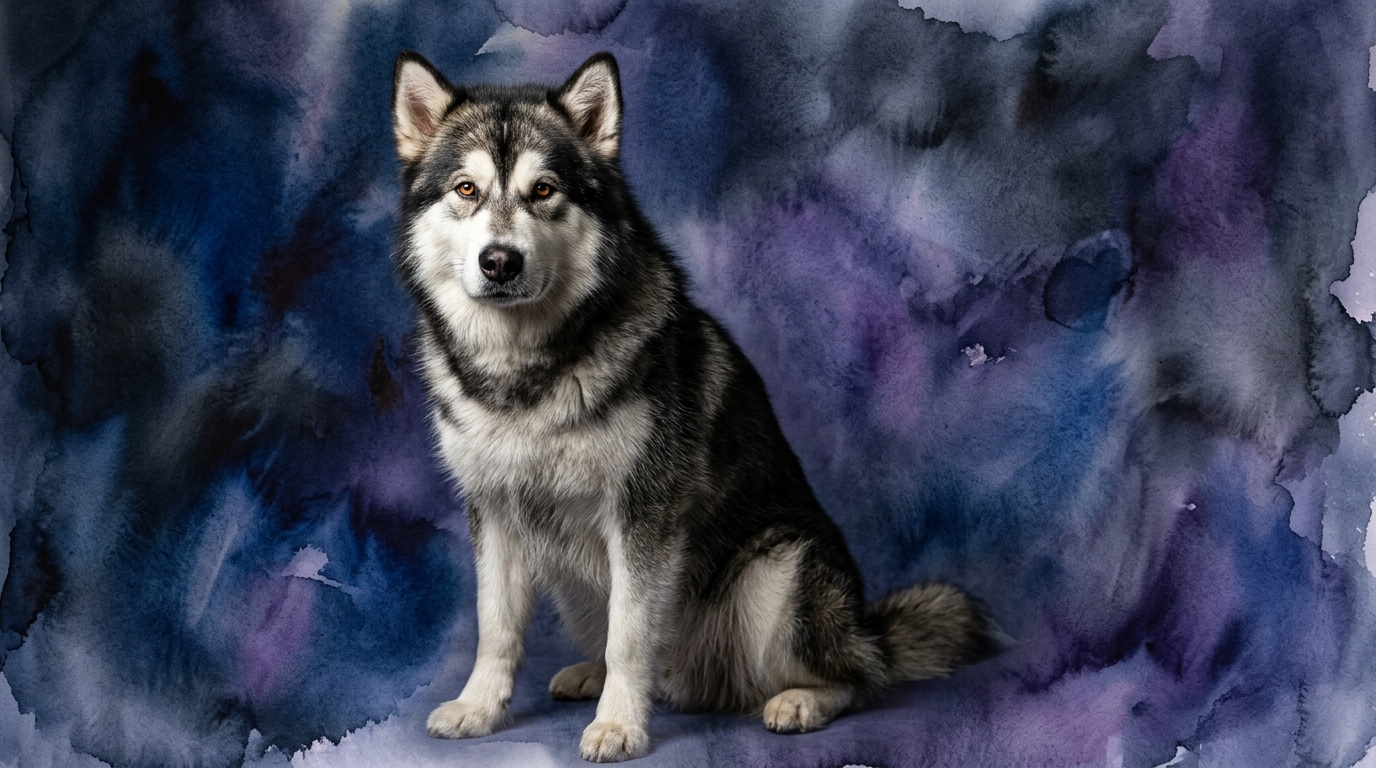
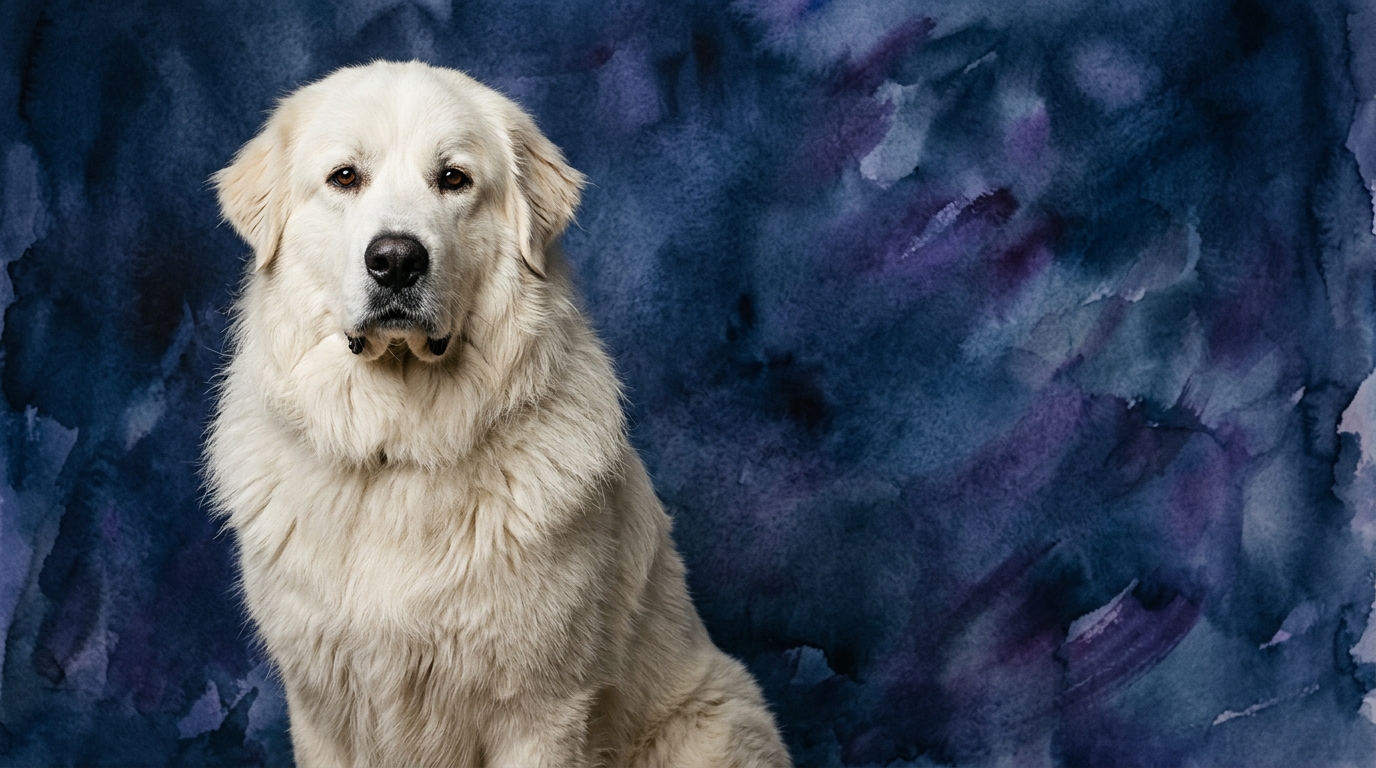
Side-by-Side IQ Profile
At The Cosmic Pet Pet IQ Lab, we delve into five key cognitive dimensions to understand a breed's unique mental landscape. For the Alaskan Malamute and Great Pyrenees, this offers a nuanced view beyond general perceptions.
Alaskan Malamute (dog, Working, Coren rank #50):
Problem Solving (4/5): These dogs exhibit strong independent thought, adept at navigating complex tasks and environments, often linked to resource acquisition and survival. They are excellent at figuring things out on their own.
Training Speed (2/5): Malamutes can be slow to pick up new commands, demanding consistent, patient, and highly engaging training methods due to their independent and often self-serving motivations. They require a compelling reason to comply.
Social Intelligence (3/5): They possess a moderate understanding of social cues, particularly within their pack, with interactions often driven by strong hierarchical instincts. Their social interactions are often about establishing their place.
Instinctive Drive (5/5): Their innate drives for pulling, hunting, and exploring are exceptionally high, making them intensely motivated by their natural inclinations. This drive is a powerful force in their behavior.
Memory (4/5): Malamutes retain information well, recalling routes, past experiences, and learned behaviors efficiently, which supports their working and survival capabilities. They rarely forget a path or a past lesson.
Great Pyrenees (dog, Working, Coren rank #64):
Problem Solving (3/5): Pyrenees demonstrate moderate ability to assess situations and find solutions, often employing a deliberate, independent approach to challenges. They are thinkers, but not always quick to act.
Training Speed (3/5): They show moderate aptitude for learning new commands, requiring motivation and patience, but generally respond better to training than some more primitive breeds. They can learn, but often at their own pace.
Social Intelligence (3/5): Their social understanding is moderate, characterized by a watchful, protective nature towards their charges, discerning in their approach to strangers. They are acutely aware of their environment and those within it.
Instinctive Drive (3/5): The breed has a moderate instinctive drive, primarily focused on guarding and territorial defense, distinct from intense prey or pulling drives. Their instincts are channeled towards protection.
Memory (3/5): Great Pyrenees possess moderate memory, capable of recalling routines, people, and boundaries, crucial for their role as independent guardians. They remember what is 'theirs' to protect and the daily rhythms.
Where Alaskan Malamute Wins Cognitively
The Alaskan Malamute excels in cognitive areas demanding robust physical and mental endurance, traits forged by their historical role. Their superior Problem Solving (4/5) indicates a breed adept at navigating complex environments and overcoming physical obstacles, a skill honed by centuries of sled pulling across vast, unpredictable terrains. This translates into a dog that can independently assess situations, like finding a way around a trail obstruction or figuring out a 'dog-proof' latch with remarkable ingenuity. Their formidable Instinctive Drive (5/5) fuels an unyielding determination for tasks like tracking, scent work, and long-distance travel, making them relentless in pursuing objectives they deem important. Furthermore, their 4/5 Memory ensures they learn from these experiences, recalling efficient routes, successful strategies, and the layout of their territory with impressive recall. This combination creates a highly self-sufficient and resourceful canine, capable of critical decision-making in challenging situations without constant human direction, reflecting their ancestral role as survivalists and working partners in extreme conditions.
Where Great Pyrenees Wins Cognitively
The Great Pyrenees' cognitive strengths are uniquely tailored to their role as independent livestock guardians, showcasing a different kind of operational intelligence. A notable advantage lies in their Training Speed (3/5), a point higher than the Malamute’s (2/5). This suggests that, with the right approach, a Pyrenees may absorb new commands and routines slightly more readily, potentially simplifying initial obedience training compared to their Arctic counterpart. Their Social Intelligence (3/5) manifests as a keen ability to discern friend from foe, bonding deeply with their flock or family, and making independent judgments regarding threats without constant human instruction. This independent problem-solving (3/5), though deliberate, is crucial for a guardian dog expected to operate autonomously, often far from human supervision, relying on their own assessment. Their moderate Instinctive Drive (3/5) means guarding instincts are strong but typically less prone to the intense prey drive or wanderlust seen in other working breeds, ensuring they remain focused on their primary duty of protection rather than being easily distracted by other urges.
Which is Easier to Train and Why
When considering ease of training, the Great Pyrenees generally holds a slight advantage over the Alaskan Malamute. The Pyrenees' Training Speed (3/5) suggests they are marginally more receptive to learning and retaining new commands than the Malamute (2/5). Pyrenees, while independent, often respond well to positive reinforcement and consistent methods, especially when training aligns with their guarding instincts or involves bonding with their human. Their independent nature means they might choose *when* to obey, but they are capable learners. In contrast, the Alaskan Malamute's lower Training Speed is compounded by their exceptionally high Instinctive Drive (5/5) and strong problem-solving abilities (4/5), which often manifest as stubborn independence. Malamutes were bred for self-reliance in harsh environments, not slavish obedience. They require immense patience, creativity, and a deep understanding of their motivations, often questioning commands if they don't align with their own perceived goals, making them challenging pupils for conventional obedience.
Which Suits Active Owners vs. Relaxed Owners
For owners seeking an active, adventurous companion, the Alaskan Malamute is the prime choice. Their incredible stamina, powerful physique, and immense Instinctive Drive (5/5) demand significant daily exercise and mental stimulation. These dogs thrive on activities like hiking, running, sledding, or skijoring, requiring several hours of dedicated engagement each day to prevent boredom and destructive behaviors. They are partners for outdoor enthusiasts who embrace challenging physical activities and can provide consistent, engaging tasks that tap into their problem-solving and memory skills. Conversely, the Great Pyrenees is better suited for owners who prefer a more relaxed pace, though 'relaxed' does not equate to sedentary. While they appreciate a good patrol of their yard and moderate daily walks, their energy levels are generally lower than a Malamute's. Their primary drive is guarding, meaning they are content to observe and protect their territory. Owners should be prepared for their independent nature and ensure they receive consistent, calm leadership, but they won't demand the same high-octane physical output as a Malamute.
The Verdict
Choose the Alaskan Malamute if you are an experienced, active owner seeking a highly driven, independent, and physically robust companion for outdoor adventures and mental challenges.
Choose the Great Pyrenees if you value a calm, watchful guardian with a more moderate activity requirement, capable of independent decision-making in a protective role, and can offer a secure, spacious environment.
🧠 Find Your Pet's IQ Score
Our Pet IQ Lab assessment covers 25+ tests across 5 cognitive dimensions — personalized to your breed.
Take the Full IQ Test →Frequently Asked Questions
Are Alaskan Malamutes difficult to train?
Yes, Alaskan Malamutes can be challenging to train due to their strong independent nature, high instinctive drives, and a lower training speed score. They require patient, consistent, and engaging methods, often questioning commands if they don't see immediate benefit.
Do Great Pyrenees need a lot of exercise?
Great Pyrenees require moderate exercise, typically consisting of daily walks and access to a securely fenced yard where they can patrol and observe. Their energy needs are lower than some other working breeds, but consistent activity is still important for their well-being.
Which breed is better with children?
Both breeds can be good with children when properly socialized and raised, but their approaches differ. The Great Pyrenees often displays a patient, protective nature towards 'their' children, while the Malamute, with its strong pack instincts, needs clear boundaries and supervision to ensure appropriate interactions.