Side-by-Side Cognitive Profiles
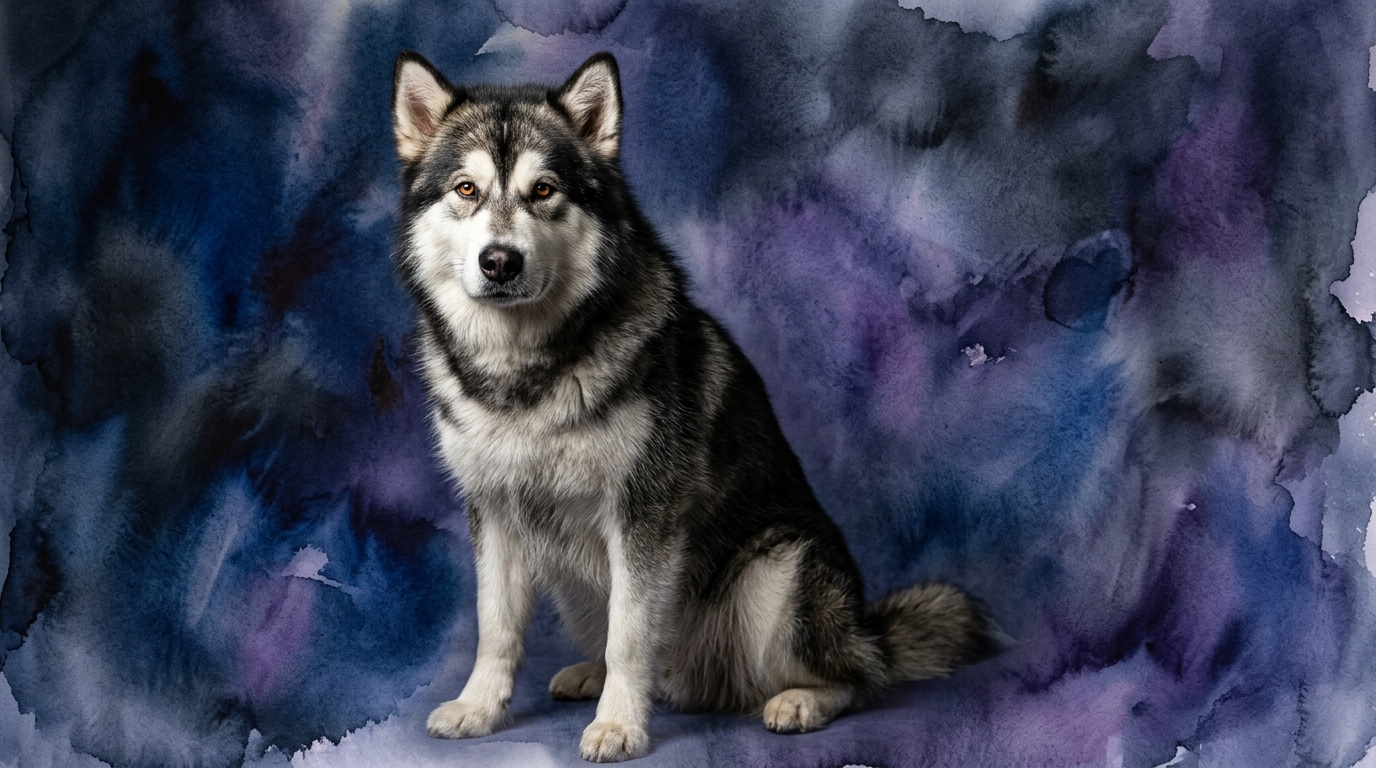
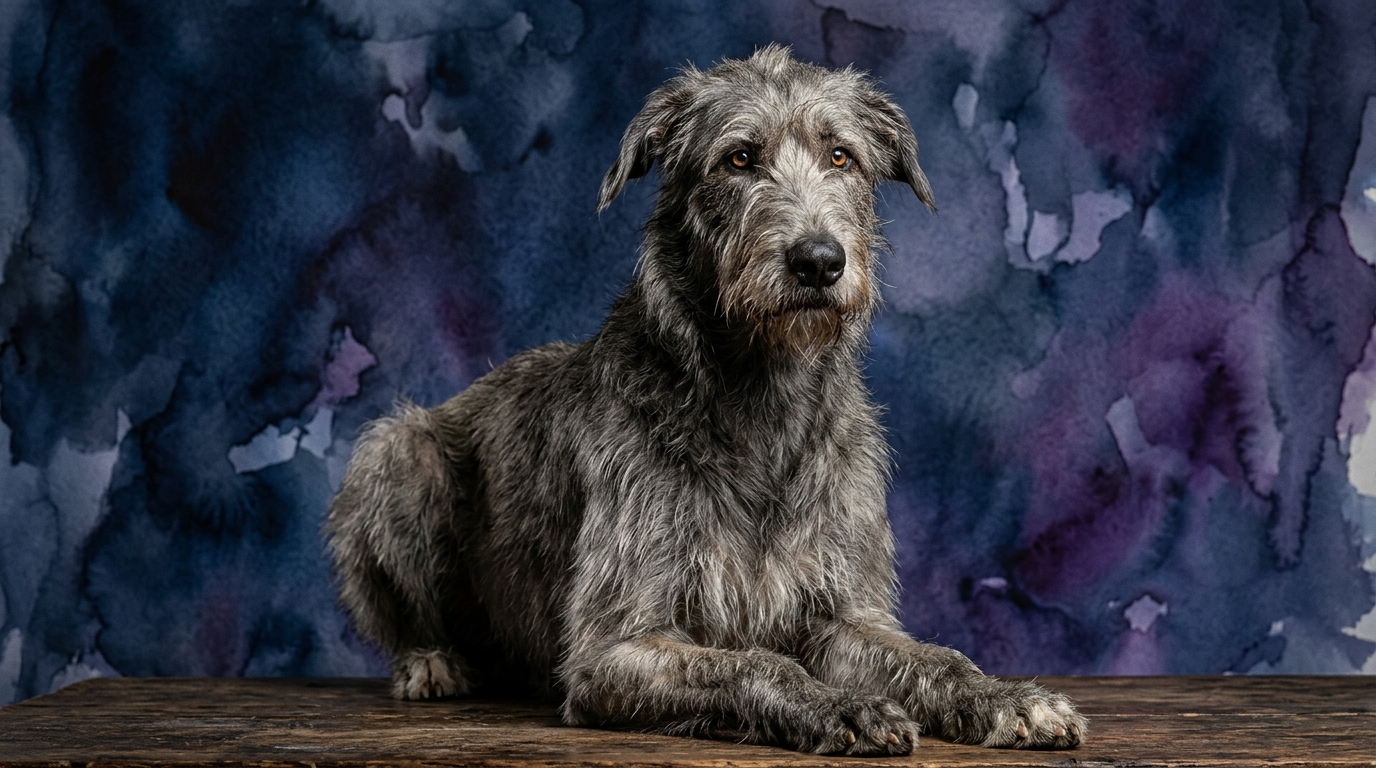
The Cosmic Pet Pet IQ Lab employs a comprehensive five-dimensional framework to assess canine intelligence, offering a granular view beyond simple rankings. For the Alaskan Malamute, a Working breed ranked #50 by Coren, and the Irish Wolfhound, a Hound breed not individually Coren-ranked, these dimensions illuminate distinct mental landscapes.
The Alaskan Malamute exhibits a Problem Solving score of 4/5, demonstrating a strong capacity for independent thought and figuring out solutions, especially when motivated by a task or a desired outcome. This often manifests in their ability to navigate complex environments or even creatively bypass obstacles to reach a goal. Their Training Speed is 2/5; while capable of learning, Malamutes are not the quickest to pick up new commands or routines, as their independent nature and strong will mean they often require consistent, patient, and engaging training methods to see results. Social Intelligence stands at 3/5, indicating a moderate level of social cognition, allowing them to understand pack dynamics and human cues, forming deep bonds but sometimes exhibiting aloofness with strangers. An exceptional Instinctive Drive of 5/5 is deeply rooted in their heritage as powerful sled dogs, encompassing strong prey drive, a persistent desire to pull, and an innate need for purposeful activity. Finally, their Memory is 4/5, retaining learned behaviors, routines, and even past experiences effectively, contributing to their ability to navigate familiar territories and remember specific training cues over time.
The Irish Wolfhound, in contrast, shows a Problem Solving score of 3/5, a moderate ability to solve problems, often approaching challenges with a thoughtful, if sometimes less direct, method, relying more on learned responses than complex, novel solutions. Their Training Speed is 3/5; Wolfhounds learn at a moderate pace, capable of absorbing new commands and routines with consistent instruction, with their willingness to please generally making them receptive students. Their Social Intelligence is also 3/5, similar to Malamutes, known for their gentle and patient nature, forming strong connections with their families and often displaying a calm understanding of social interactions within their household. An Instinctive Drive of 3/5 reflects their sighthound heritage; while they possess a strong chase instinct for moving objects, particularly over long distances, their overall drive for constant activity or intense work is less pronounced than that of a working sled dog. Their Memory is 3/5, capable of recalling learned behaviors and routines, remembering training and household rules, contributing to their generally well-mannered disposition.
Where the Alaskan Malamute Wins Cognitively
The Alaskan Malamute clearly stands out in areas demanding ingenuity and raw instinct. Their 4/5 problem-solving score means they often approach challenges with a clever, sometimes stubborn, determination to achieve their goals, whether it's opening a gate or finding a hidden treat. This contrasts with the Wolfhound's more moderate approach. Furthermore, the Malamute's exceptional 5/5 instinctive drive, a testament to their sled-pulling lineage, means they possess an unparalleled internal motivation for purposeful activity and exploration, often acting on deep-seated urges to dig, pull, or track. This intense drive, coupled with a 4/5 memory, allows them to retain complex spatial information and learned routes, making them formidable partners in demanding environments.
This combination of high problem-solving and instinctive drive means Malamutes excel in tasks requiring independent decision-making and sustained effort, such as navigating varied terrains or enduring long working hours. Their memory helps them recall intricate sequences and environmental cues, enhancing their efficacy in their traditional roles and making them astute observers of their surroundings.
Where the Irish Wolfhound Wins Cognitively
While the Irish Wolfhound doesn't boast higher scores in most cognitive dimensions, their advantage lies in a more balanced and generally more amenable cognitive profile for certain lifestyles. Their 3/5 training speed, though only marginally higher than the Malamute's 2/5, translates into a greater willingness to accept instruction and internalize commands without the same level of independent negotiation. This is often supported by their moderate 3/5 instinctive drive, which, while still present for chasing, doesn't overwhelm their capacity to focus on human directives.
The Wolfhound's cognitive strengths lean towards a steady, dependable understanding rather than a highly independent drive to innovate, making them less prone to using their intellect to outsmart their handlers in everyday situations. Their moderate problem-solving and memory scores, combined with their training speed, result in a canine companion that is generally less prone to complex behavioral challenges stemming from excessive cunning or overwhelming innate urges, fostering a calmer, more predictable household dynamic.
Training Dynamics: Which is Easier?
When considering ease of training, the Irish Wolfhound generally presents a less challenging experience than the Alaskan Malamute. The Wolfhound's 3/5 training speed indicates they are reasonably receptive to learning, and their moderate instinctive drive (3/5) means they are less likely to be constantly distracted by innate urges to explore or chase. Their training focus tends to be more consistent, and they typically respond well to positive reinforcement methods due to their gentle nature.
In stark contrast, the Malamute's 2/5 training speed is heavily influenced by their powerful 5/5 instinctive drive and 4/5 problem-solving ability. A Malamute might quickly understand a command but then choose to evaluate if complying serves their immediate, often instinct-driven, interest. They possess an independent streak that can lead to selective hearing or creative avoidance, demanding a highly patient, consistent, and engaging trainer who can channel their deep-seated drives into acceptable behaviors rather than merely suppressing them. Training a Malamute is less about teaching them what to do and more about convincing them that your agenda aligns with theirs.
Lifestyle Match: Active vs. Relaxed Owners
For the active owner seeking a partner for demanding physical and mental pursuits, the Alaskan Malamute is an ideal match. Their extraordinary 5/5 instinctive drive and robust physical build necessitate daily, vigorous exercise and engaging tasks that challenge their considerable problem-solving skills and harness their desire to pull or explore. Owners must be prepared for long walks, runs, or dog sports, as an under-stimulated Malamute is prone to destructive behaviors born from boredom and pent-up energy. Their intellect requires constant engagement, not just physical exertion, to prevent them from devising their own, often inconvenient, forms of entertainment.
Conversely, the Irish Wolfhound, despite its immense size, is often better suited for owners who appreciate a more relaxed, gentle giant. While they require consistent daily exercise to maintain health and prevent boredom, their moderate 3/5 instinctive drive means they are generally content with a good romp or a long walk, followed by extended periods of calm companionship indoors. They are not typically suited for extreme endurance activities but thrive in homes where they can be close to their families in a serene environment, valuing comfort and a predictable routine over relentless activity.
The Verdict
Choose an Alaskan Malamute if you are an experienced, active owner dedicated to channeling a powerful, independent canine intellect and immense physical drive into purposeful activities.
Opt for an Irish Wolfhound if you seek a gentle, large companion with a steady temperament, moderate activity needs, and a cooperative learning style, valuing calm companionship over intense working drive.
🧠 Find Your Pet's IQ Score
Our Pet IQ Lab assessment covers 25+ tests across 5 cognitive dimensions — personalized to your breed.
Take the Full IQ Test →Frequently Asked Questions
Do Alaskan Malamutes often use their problem-solving skills to get into trouble?
Yes, their 4/5 problem-solving ability, combined with a high instinctive drive, means Malamutes are adept at finding creative ways to achieve their desires, which can sometimes include escaping enclosures or accessing forbidden items. Consistent training and secure environments are crucial to manage this ingenuity.
Is an Irish Wolfhound's moderate training speed a disadvantage for basic obedience?
Not necessarily. While not lightning-fast, their 3/5 training speed indicates they are perfectly capable of learning basic obedience. Their generally cooperative nature and lower drive for independent action often make them more consistently receptive to commands than some higher-drive breeds, leading to reliable results with patience.
How does the instinctive drive difference impact daily life with these breeds?
An Alaskan Malamute's 5/5 instinctive drive translates to a constant need for engagement, often manifesting as digging, pulling, or a strong prey drive, requiring significant management and outlets. An Irish Wolfhound's 3/5 drive means they still enjoy exercise and chasing, but are generally less relentlessly driven, allowing for more periods of calm interaction indoors and a more relaxed daily pace.