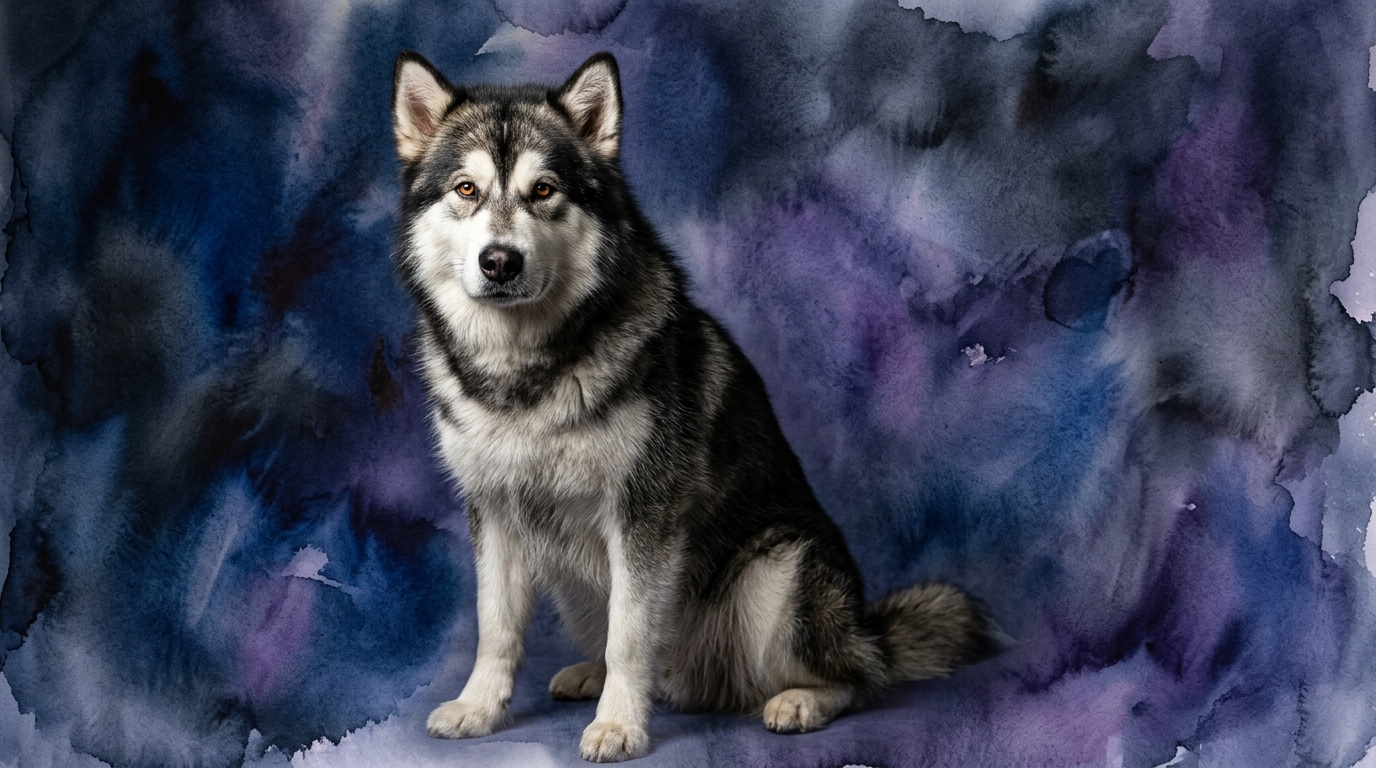
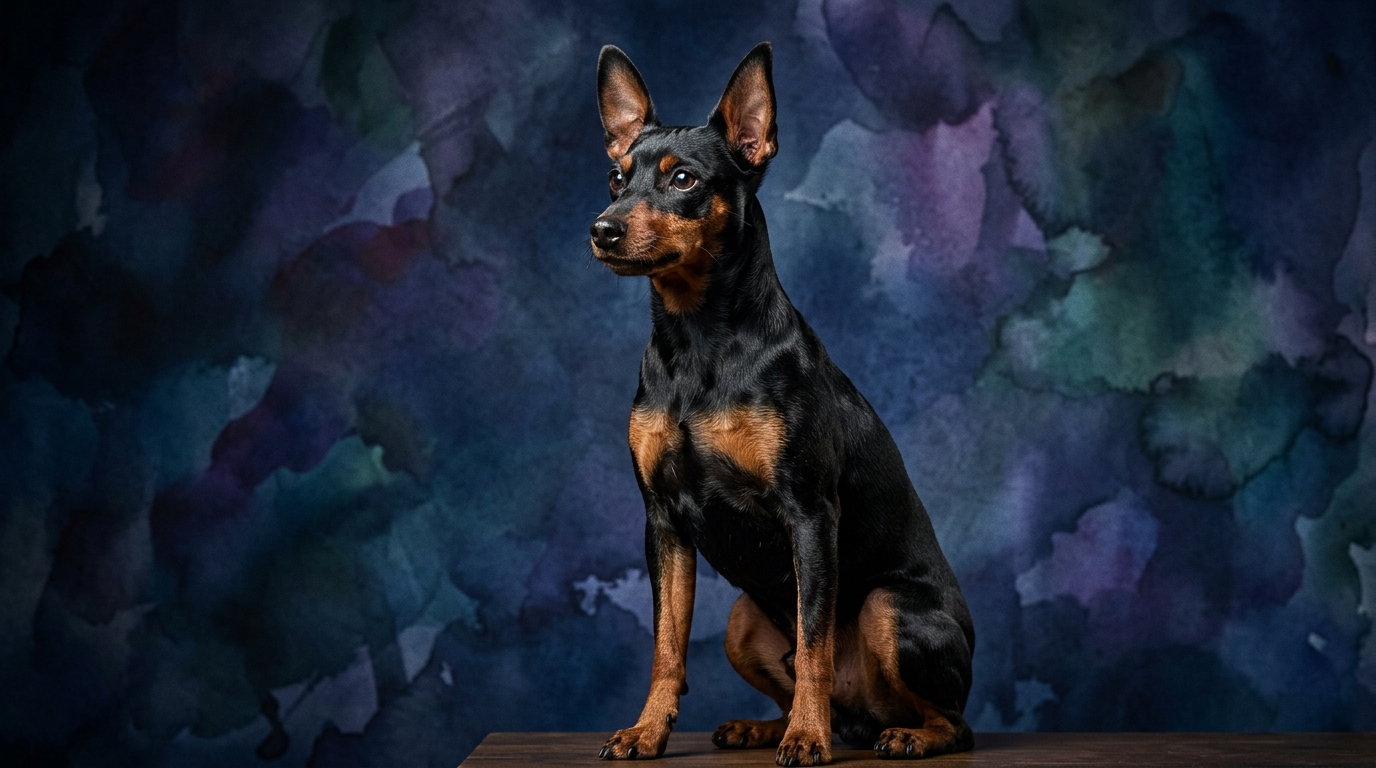
Side-by-Side IQ Profile: Alaskan Malamute vs. Miniature Pinscher
The Cosmic Pet Pet IQ Lab employs five key dimensions to map a breed's cognitive blueprint: Problem Solving, Training Speed, Social Intelligence, Instinctive Drive, and Memory. Analyzing these metrics for the Alaskan Malamute and Miniature Pinscher paints a vivid picture of their inherent abilities and predispositions.
For Problem Solving, the Alaskan Malamute scores a notable 4/5. This reflects a breed capable of intricate independent thought, often demonstrating ingenuity in navigating complex environments or overcoming obstacles. Their historical role demanded resourcefulness, leading to dogs that can figure out latches, escape enclosures, or devise strategies to reach desired outcomes. The Miniature Pinscher, in contrast, registers a 3/5 in Problem Solving. While competent and capable of learning complex sequences, their approach is often more reliant on learned patterns or trial-and-error within a defined context rather than the Malamute's broader, independent innovation.
Training Speed reveals a significant divergence. The Alaskan Malamute earns a 2/5, indicating an independent spirit that can translate to a slower uptake of new commands. Their working heritage fosters a strong will and a tendency to evaluate whether a requested action aligns with their own perceived benefit, often requiring extensive patience and consistent, high-value motivation from their human companions. The Miniature Pinscher, with a 3/5 in Training Speed, generally absorbs new information at a moderate pace. They are typically more eager to engage in training sessions, responding well to positive reinforcement, though they are not instant learners and still benefit from clear, consistent instruction.
Both breeds share a 3/5 in Social Intelligence. The Alaskan Malamute’s score reflects their understanding of pack dynamics and subtle human cues, particularly concerning leadership and cooperation. However, their independent nature means they may not always comply if a request conflicts with their own strong inclinations. The Miniature Pinscher's 3/5 indicates an observant nature, attuned to family interactions and mood shifts within their household. They often use this awareness to anticipate events or to alert their owners, demonstrating a keen perception of their social environment.
Instinctive Drive is where the Malamute truly shines with a perfect 5/5. This score highlights an overwhelming urge to pull, dig, chase, and roam, deeply embedded behaviors stemming from their sledding and hunting lineage. These drives are powerful and persistent, requiring significant physical and mental outlets. The Miniature Pinscher's Instinctive Drive is a moderate 3/5. While they possess a natural alertness, a propensity for barking, and a moderate prey drive, these instincts are far less intense and more manageable than the Malamute's, making them less likely to dominate daily life.
Finally, Memory sees the Alaskan Malamute at 4/5. Their ability to retain complex routes, routines, and past experiences is impressive, a vital trait for a working dog navigating vast territories. They remember lessons, both good and bad, over long periods. The Miniature Pinscher scores 3/5 for Memory, indicating good retention of training cues, familiar people, and places. They reliably recall learned behaviors and routines, though perhaps with less capacity for the intricate, long-term environmental recall seen in the Malamute.
Where the Alaskan Malamute Wins Cognitively
The Alaskan Malamute’s cognitive profile excels in areas demanding independent thought and robust recall. Their 4/5 in Problem Solving makes them adept at navigating novel situations, whether it's figuring out how to open a child-proof gate or strategizing to obtain a coveted toy. This isn't just about following instructions; it's about genuine innovation and self-directed solutions, a trait invaluable for a dog originally tasked with complex, unsupervised work in challenging environments. This capacity for sophisticated spatial reasoning and strategic thinking allows them to excel in activities requiring ingenuity, such as advanced scent work or complex puzzle toys, where they often devise unique approaches.
Furthermore, their 4/5 Memory score means they retain learned information and experiences with remarkable tenacity. A Malamute will remember a specific trail they hiked months ago, recall the location of a buried treat from weeks prior, or recognize a person they haven't seen in years. This strong long-term memory contributes to their ability to learn complex sequences of tasks and maintain them over time, making them reliable partners once a behavior is truly ingrained. Their memory is not just for commands, but for their entire lived experience, contributing to their profound understanding of their world.
Where the Miniature Pinscher Wins Cognitively
The Miniature Pinscher’s cognitive strengths lie in their relative adaptability and a slightly more receptive attitude towards structured learning. Their 3/5 in Training Speed, while not exceptionally high, places them a step ahead of the Malamute. This means a Min Pin typically requires fewer repetitions to grasp a new command and is often more consistently motivated by rewards during training sessions. They tend to focus more intently on their handler during instruction, making the initial phases of obedience training less arduous than with their larger, more independent counterpart.
Moreover, while their Social Intelligence is equal to the Malamute's at 3/5, the Min Pin's application of this trait often manifests differently. Their keen observation of household dynamics and their smaller stature can make them exceptionally effective alarm systems, quickly discerning unusual sounds or visitors and alerting their family. Their moderate Instinctive Drive (3/5) also makes them more versatile for urban or suburban living, as their innate urges are less overwhelming and easier to channel into appropriate behaviors. This allows them to integrate more seamlessly into various lifestyles without the constant management required by a breed with a 5/5 drive.
Which is Easier to Train and Why?
Based on their Cosmic Pet Pet IQ Lab profiles, the Miniature Pinscher is generally easier to train than the Alaskan Malamute. The Min Pin's Training Speed of 3/5, compared to the Malamute's 2/5, indicates a more amenable disposition towards instruction. Min Pins tend to be more focused on their human companions during training, often driven by a desire to please or to earn a reward, leading to quicker comprehension of new cues. They respond well to consistent, positive reinforcement methods, making the process of teaching basic obedience and tricks a more straightforward endeavor.
The Alaskan Malamute’s 2/5 Training Speed stems from their profound independence and strong will. These dogs were bred to make decisions autonomously in harsh environments, not to blindly follow every command. This means they often require extensive motivation, such as high-value treats or engaging games, and many more repetitions to solidify a command. Their problem-solving prowess can even work against them in training, as they might try to outsmart their handler or find alternative solutions rather than simply performing the requested action. While Malamutes are capable of learning a great deal, their training demands exceptional patience, consistency, and a deep understanding of their unique motivations and instincts.
Which Suits Active Owners vs. Relaxed Owners?
The Alaskan Malamute is unequivocally suited for active owners. Their 5/5 Instinctive Drive translates into an intense need for physical exertion and mental engagement. These dogs thrive on long hikes, running, sledding, or pulling activities, and require consistent outlets for their digging and roaming instincts. An owner who embraces an outdoor, adventurous lifestyle and is prepared to dedicate significant time daily to exercise and training will find a Malamute a joyful, capable companion. Without sufficient activity, a Malamute's powerful drives can lead to destructive behaviors, escape attempts, and general restlessness.
The Miniature Pinscher, while energetic and spirited, can adapt to a wider range of owner activity levels, leaning towards moderately active rather than entirely relaxed. Their 3/5 Instinctive Drive means they enjoy daily walks, playtime, and mental stimulation, but do not possess the overwhelming endurance or specific working urges of the Malamute. An owner who enjoys regular, moderate activity, such as daily walks, indoor games, and perhaps some agility or trick training, would be an excellent match. While they appreciate a good romp, a Min Pin is also content to cuddle on the couch after their exercise, making them more suitable for those who desire an alert companion without the demands of an extreme athlete.
The Verdict: When to Choose Each Breed
Choosing between an Alaskan Malamute and a Miniature Pinscher hinges entirely on an owner's lifestyle, experience, and commitment to meeting distinct cognitive and physical demands. Their IQ profiles reveal two breeds with vastly different approaches to the world.
The Malamute's impressive problem-solving and memory, coupled with their formidable instinctive drive and independent training speed, make them ideal for experienced, active owners who are prepared for a lifelong commitment to channeling a powerful working dog. They thrive with consistent leadership, extensive exercise, and opportunities for their inherent drives to be fulfilled in a constructive manner. Their Coren rank of #50 reflects a capable dog, but one that requires a nuanced understanding of their specific motivations and a patient, consistent approach to training.
The Miniature Pinscher, with its moderate scores across the board, including a slightly faster training speed and more manageable instinctive drives, is a better fit for owners seeking an energetic, alert, and devoted companion who can adapt more readily to various living situations. They thrive on consistent attention, moderate exercise, and clear guidance, making them a rewarding choice for those who appreciate a spirited dog in a smaller package without the intense demands of a true working breed.
The Verdict
Choose an Alaskan Malamute if you are an experienced, highly active owner who values a profoundly independent problem-solver and is prepared to dedicate extensive time to training and channeling powerful instinctive drives.
Opt for a Miniature Pinscher if you desire an alert, spirited, and moderately trainable companion who enjoys regular activity but doesn't require the extreme physical and mental demands of a heavy-duty working breed.
🧠 Find Your Pet's IQ Score
Our Pet IQ Lab assessment covers 25+ tests across 5 cognitive dimensions — personalized to your breed.
Take the Full IQ Test →Frequently Asked Questions
Do Alaskan Malamutes make good family pets despite their independence?
Yes, with proper socialization and training, Alaskan Malamutes can be devoted family members. Their social intelligence allows them to bond deeply with their 'pack,' but their independent nature means they require consistent boundaries and an owner who understands their need for mental and physical outlets to prevent behavioral issues.
Are Miniature Pinschers prone to excessive barking due to their social intelligence and drives?
Miniature Pinschers, with their keen social intelligence and moderate instinctive drive, can be prone to alert barking. They are observant and quick to vocalize perceived threats or unusual occurrences, making early training crucial to manage this behavior and teach them when to be quiet.
How does the Coren rank of the Malamute (50) influence their trainability compared to the Min Pin (unranked)?
The Malamute's Coren rank of #50 indicates they generally require more repetitions to learn new commands and are less consistently obedient than breeds in higher ranks. While the Min Pin is unranked by Coren, its 3/5 training speed suggests it's comparatively more responsive and less stubborn than the Malamute, making training typically less challenging for the average owner.