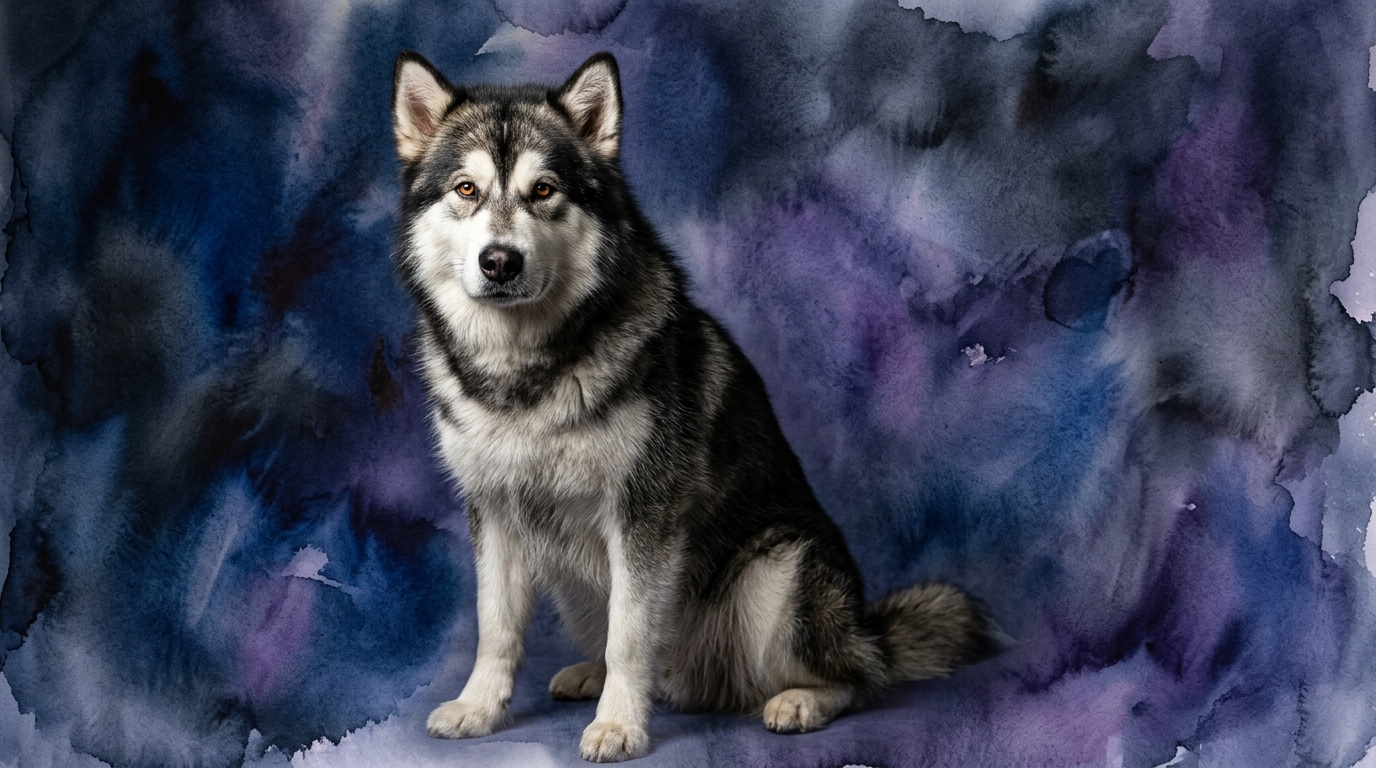
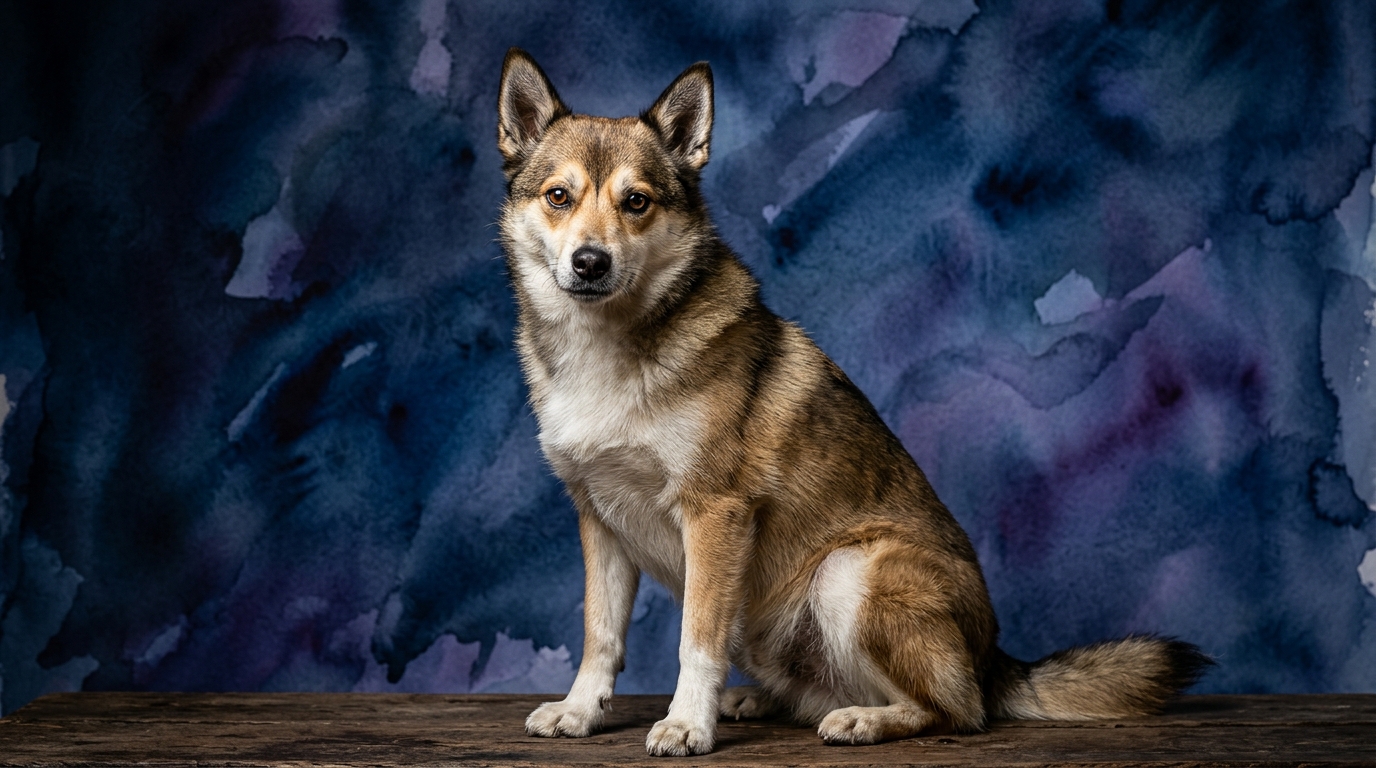
Side-by-Side IQ Profile: Alaskan Malamute
Problem Solving (4/5): This breed excels at navigating complex environments and overcoming physical obstacles, reflecting its history pulling heavy loads. They can figure out how to open gates or devise strategies to reach desired items, demonstrating practical ingenuity.
Training Speed (2/5): Malamutes require consistent, patient instruction. Their independent nature and strong will mean they process commands at their own pace, preferring to understand the 'why' before complying.
Social Intelligence (3/5): Malamutes form strong bonds with their human families and can read social cues, but their social circle tends to be selective, potentially reserved with unfamiliar dogs or people.
Instinctive Drive (5/5): Exceptionally high, rooted in their heritage as endurance working dogs. This manifests as a powerful urge to pull, dig, and explore, fueled by an innate sense of purpose.
Memory (4/5): Possess a robust memory, recalling training, routes, and experiences with considerable accuracy, crucial for working tasks and navigating effectively.
Side-by-Side IQ Profile: Norwegian Lundehund
Problem Solving (3/5): Exhibits moderate problem-solving, often employing cleverness to achieve goals, like finding hidden treats or navigating tight spaces. Their unique physical flexibility often aids physical puzzles.
Training Speed (3/5): Generally receptive to training, learning at a steady pace. They respond well to positive reinforcement and clear guidance, but can have moments of independent thought.
Social Intelligence (3/5): Typically friendly and curious, interacting well with both humans and other dogs. They adapt reasonably to new social situations, though might display reserve before fully engaging.
Instinctive Drive (3/5): Balanced, primarily focused on hunting puffins in rocky crevices. This translates to exploring small spaces, climbing, and sometimes a moderate prey drive, not overwhelming endurance.
Memory (3/5): Solid memory for routines, commands, and familiar individuals. They recall past experiences and learned behaviors, contributing to their adaptability and ability to navigate their home.
Where the Alaskan Malamute Wins Cognitively
The Alaskan Malamute clearly demonstrates superior cognitive strengths in areas directly tied to their demanding working heritage. Their problem-solving score of 4/5 outpaces the Lundehund's 3/5, reflecting a breed that had to independently assess and overcome significant physical challenges in harsh environments. A Malamute might more readily figure out how to unlatch a complicated gate or navigate a novel obstacle course, using their physical prowess and spatial reasoning. Furthermore, the Malamute's instinctive drive at 5/5 is a full two points higher than the Lundehund's. This is an ingrained mental program for sustained effort, purpose-driven activity, and resilience, meaning they are mentally geared for long, arduous tasks. Their memory, rated 4/5 compared to the Lundehund's 3/5, is also a significant advantage, allowing them to recall complex routes, multi-step tasks, and specific training sequences over long periods.
Where the Norwegian Lundehund Wins Cognitively
While not outscoring the Malamute in sheer power, the Norwegian Lundehund presents a nuanced cognitive profile that excels in different contexts. The Lundehund's training speed, rated 3/5, is a point higher than the Malamute's 2/5, indicating a greater willingness to process and adopt new commands more readily, often showing less resistance to structured learning. Their historical role didn't demand the same stubborn persistence as a lead sled dog, making them more inclined to cooperate in a training environment. This adaptability translates into a slightly more amenable student. Their balanced instinctive drive (3/5) suggests a less overwhelming intensity, making them more generally adaptable to diverse social settings and less prone to singular, powerful urges.
Which is Easier to Train and Why
The Norwegian Lundehund is generally easier to train compared to the Alaskan Malamute, primarily due to their differing "training speed" scores (Lundehund 3/5, Malamute 2/5) and underlying behavioral motivations. Lundehunds tend to be more responsive to direction and less prone to independent decision-making when given clear guidance. Their historical role didn't demand the same independent judgment, making them more inclined to cooperate in a structured training environment. They respond well to positive reinforcement and can pick up new cues at a steady pace.
In contrast, the Alaskan Malamute's lower training speed score reflects their strong independent streak and deep-seated desire to understand the 'why' behind a command. They are not dogs that blindly obey; they question, assess, and often determine if a command aligns with their own perceived best interest. Their high instinctive drive (5/5) means they are easily distracted by compelling environmental stimuli. Training a Malamute requires immense patience, creativity, and a handler who can make learning feel like a collaborative effort.
Which Suits Active Owners vs. Relaxed Owners
For active owners seeking a canine partner for demanding physical pursuits, the Alaskan Malamute is the clear choice. Their extraordinary instinctive drive (5/5) and capacity for sustained effort make them ideal companions for activities like skijoring, canicross, long-distance hiking, or backpacking. These dogs thrive on having a job and require owners who can consistently meet their need for vigorous physical exercise and mental engagement, providing outlets for their digging, pulling, and exploring instincts. Their robust memory (4/5) also makes them excellent for learning complex routes associated with adventurous sports.
Conversely, the Norwegian Lundehund is better suited for owners who are active but perhaps not seeking an extreme athlete. With a balanced instinctive drive (3/5), they enjoy regular walks, moderate hikes, and engaging play sessions, but don't possess the same relentless need for high-intensity, long-duration activity. They are adaptable to various living situations, provided they receive consistent mental stimulation and daily exercise. Their problem-solving (3/5) and social intelligence (3/5) make them good candidates for puzzle toys, obedience classes, and family activities that involve moderate physical and mental engagement, rather than extreme endurance challenges.
The Verdict
Choose the Alaskan Malamute if you are a dedicated, highly active individual or family prepared for a powerful, independent canine partner who thrives on intense, purpose-driven outdoor activities and requires consistent, patient training.
Opt for the Norwegian Lundehund if you desire a unique, moderately active companion who learns at a steady pace, enjoys exploring, and fits well into a lifestyle that includes regular activity and mental engagement without requiring extreme endurance.
🧠 Find Your Pet's IQ Score
Our Pet IQ Lab assessment covers 25+ tests across 5 cognitive dimensions — personalized to your breed.
Take the Full IQ Test →Frequently Asked Questions
Do Alaskan Malamutes and Norwegian Lundehunds get along with other pets?
Alaskan Malamutes, with their strong pack drive, can coexist with other dogs if properly socialized from a young age, but their high prey drive means caution is needed with smaller pets. Norwegian Lundehunds are generally sociable with other dogs and can adapt to multi-pet households, though their curiosity might lead them to investigate smaller animals.
What kind of mental stimulation do these breeds need?
Alaskan Malamutes require mental challenges that engage their problem-solving and instinctive drives, such as advanced obedience, puzzle toys, and activities like scent work or carting. Norwegian Lundehunds benefit from varied activities like agility, trick training, and regular exploration of safe environments that allow them to use their unique physical abilities and curiosity.
Are there any specific health considerations that impact their cognitive function?
While not directly linked to cognitive function in all cases, both breeds can have breed-specific health concerns. Alaskan Malamutes are prone to hip and elbow dysplasia, which can impact mobility and thus engagement in physical and mental activities. Norwegian Lundehunds are susceptible to Lundehund Syndrome (intestinal lymphangiectasia), which requires careful management and can affect overall well-being and energy levels.