A Side-by-Side Cognitive Blueprint
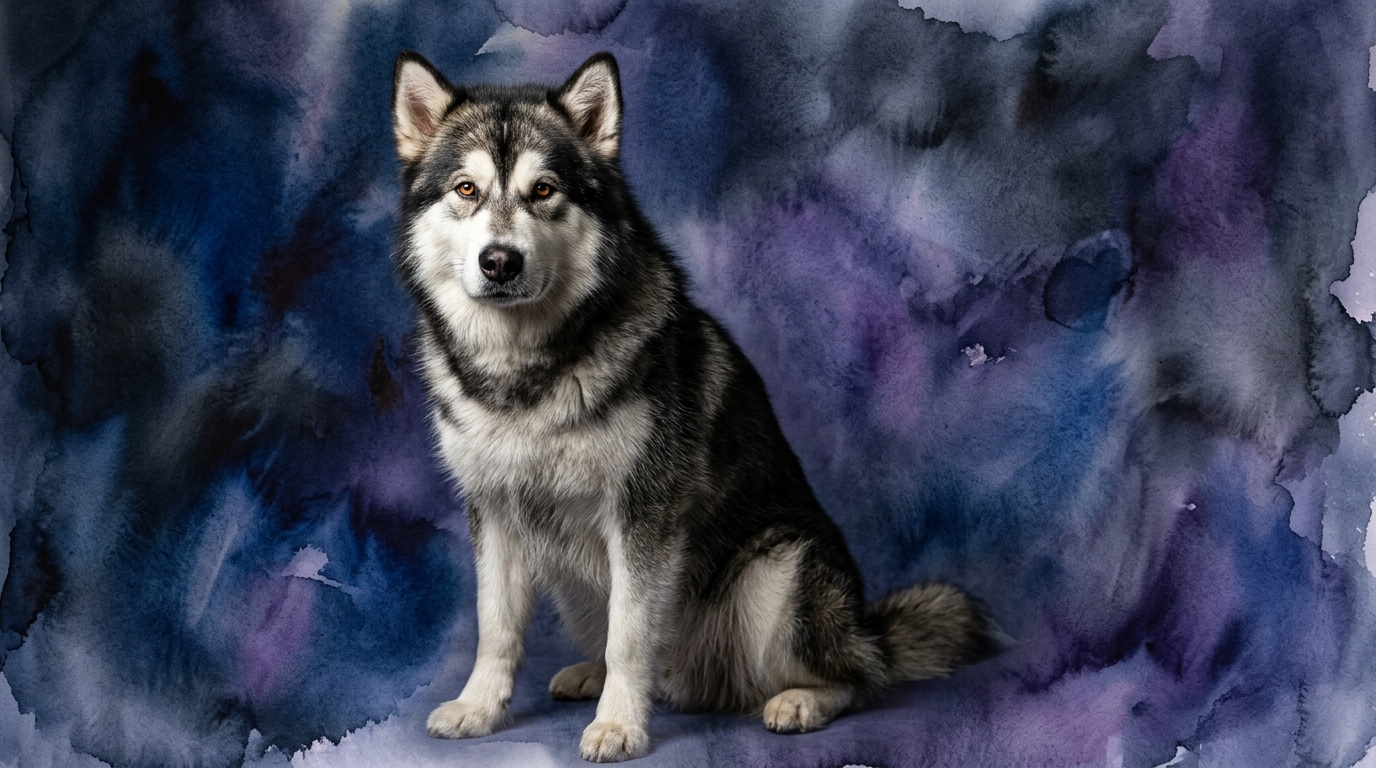
The Alaskan Malamute, a powerhouse of the Working group, exhibits a formidable intellect honed for demanding tasks. Their Problem Solving is rated 4/5, indicating a strong capacity to figure out complex situations, often independently, especially when motivation is high. Training Speed, however, sits at 2/5, reflecting a breed that learns at its own pace and often prioritizes its own agenda over immediate compliance. Social Intelligence is a solid 3/5, meaning they can navigate pack dynamics and human relationships competently, though often with a degree of self-interest. Their Instinctive Drive is an exceptional 5/5, a testament to their deep-seated urge to work, pull, and explore, which profoundly influences their behavior. Memory is also strong at 4/5, allowing them to recall learned tasks, routes, and experiences with impressive accuracy, even if they choose not to act on them immediately.
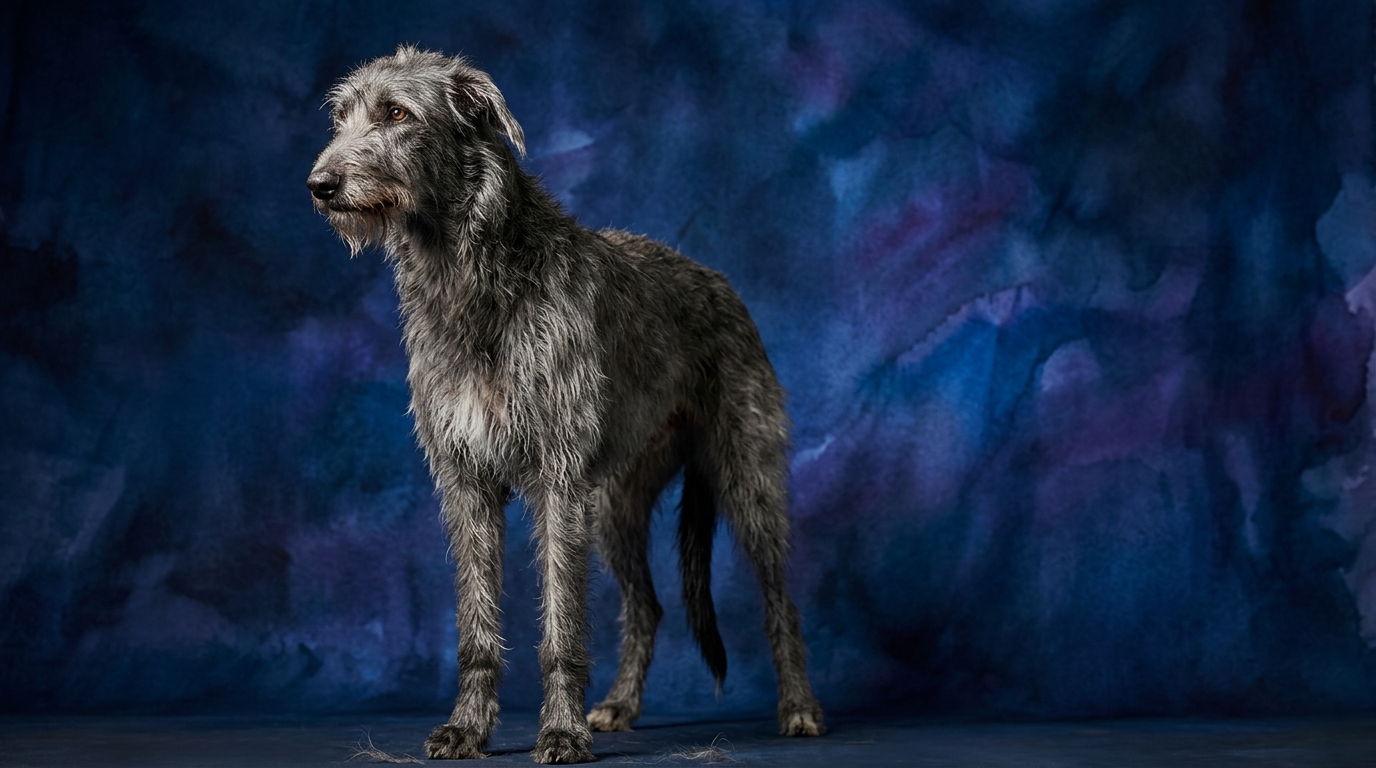
The Scottish Deerhound, a noble member of the Hound group, offers a different cognitive profile, reflecting its heritage as a pursuit hunter. Their Problem Solving is rated 3/5, showing a moderate ability to tackle challenges, often through observation and strategic planning rather than brute force. Training Speed is 3/5, suggesting they are generally receptive to learning commands, though their independent sighthound nature means they require patient and engaging methods. Social Intelligence also stands at 3/5, indicating a capacity for forming strong bonds and understanding social cues, albeit often with a reserved demeanor. Instinctive Drive is 3/5, primarily focused on the chase, but not as relentlessly all-encompassing as the Malamute's working drive, making them less prone to constant activity once their needs are met. Memory is 3/5, allowing them to retain information adequately for their purposes, such as tracking prey or remembering routines.
Where the Malamute's Mind Shines Brightest
The Alaskan Malamute's cognitive strengths are deeply rooted in its heritage as a sled dog, requiring robust problem-solving, enduring drive, and excellent recall for survival. Their 4/5 Problem Solving isn't just about figuring out puzzles; it's about strategizing how to get what they want, whether that's escaping an enclosure, finding a hidden treat, or navigating a complex trail. This manifests as a resourceful and often cunning intellect, where they learn by doing and adapting. The exceptional 5/5 Instinctive Drive means they possess an unshakeable inner motivation, a relentless urge to engage with their environment and fulfill their purpose, be it pulling a sled or embarking on a long hike. This drive fuels their stamina and determination. Furthermore, their 4/5 Memory means they are excellent at remembering sequences, locations, and the outcomes of their actions, enabling them to learn from past experiences and apply that knowledge to future situations, even if their "training speed" score suggests they aren't always eager to comply with human directives. For a Malamute, remembering is a tool for self-sufficiency and success in their world.
The Scottish Deerhound's Unique Cognitive Edge
While not possessing the brute cognitive force of a working dog, the Scottish Deerhound brings a refined set of mental attributes shaped by centuries of independent hunting. Their strength lies not in relentless task execution but in focused, strategic pursuit and a more balanced engagement with their environment. Their 3/5 Training Speed, while not stellar, is notably higher than the Malamute's, indicating a greater willingness to engage with human instruction when motivated. This makes them more amenable to learning polite house manners and basic obedience without the same level of resistance. Their 3/5 Problem Solving often manifests in a different way; rather than breaking things down with force, they might observe, plan a route, or use their keen senses to locate something. Their Instinctive Drive, also 3/5, is highly specialized towards sighting and chasing prey, but outside of that specific context, it is not an overwhelming urge for constant activity. This allows them to be surprisingly calm indoors, a stark contrast to the Malamute's perpetual motion, suggesting a cognitive ability to "switch off" or direct their focus more selectively.
Navigating the Training Path: Malamute vs. Deerhound
Training presents distinct challenges for both breeds, but the Scottish Deerhound (Training Speed 3/5) generally proves easier to guide than the Alaskan Malamute (Training Speed 2/5). The Malamute's lower training speed stems from a strong independent streak and a powerful sense of self-preservation and purpose; they often question the necessity of a command if it doesn't align with their immediate goals. This means training requires immense patience, positive reinforcement, and a deep understanding of their motivations, often feeling like a negotiation rather than simple instruction. They are not unintelligent, but rather selectively compliant. In contrast, the Scottish Deerhound, while still possessing a sighthound's independence, is often more sensitive and eager to please its chosen people. They respond better to gentle, consistent methods and can become withdrawn if handled harshly. Their training challenges often revolve around their prey drive and selective hearing when a squirrel is spotted, rather than outright defiance. Their ability to focus for shorter bursts and less overwhelming internal drive makes basic obedience and house training generally smoother for the Deerhound.
Matching Minds to Lifestyles: Active vs. Relaxed Owners
The cognitive profiles of these two breeds dictate vastly different ideal living situations. The Alaskan Malamute, with its 5/5 Instinctive Drive and 4/5 Problem Solving, thrives with highly active owners who can channel their immense physical and mental energy. They require consistent, rigorous exercise, often involving pulling, hiking, or challenging scent work, to prevent boredom and destructive behaviors. Their strong memory and problem-solving skills mean they will constantly seek engagement; an under-stimulated Malamute will invent its own "work," which can include escaping, digging, or reorganizing the furniture. They need owners who appreciate their independent spirit and can provide consistent, firm, but fair leadership. Conversely, the Scottish Deerhound, despite its hunting heritage, often suits more relaxed owners. Their 3/5 Instinctive Drive, while powerful for the chase, is not a constant thrumming need for activity like the Malamute's. They enjoy bursts of intense running in a secure area but are famously content to lounge indoors for much of the day, earning them the nickname "the Royal Couch Potato." Owners must still provide opportunities for safe, off-leash running to satisfy their sighthound instincts, but their cognitive needs are less about constant "work" and more about companionship and occasional bursts of focused attention.
The Verdict
Choose the Alaskan Malamute if you are a highly active, experienced dog owner ready to engage a robust, independent mind with consistent physical and mental challenges.
Opt for the Scottish Deerhound if you appreciate a noble, sensitive companion who enjoys intense bursts of exercise followed by quiet companionship, requiring patient, gentle training.
🧠 Find Your Pet's IQ Score
Our Pet IQ Lab assessment covers 25+ tests across 5 cognitive dimensions — personalized to your breed.
Take the Full IQ Test →Frequently Asked Questions
Is the Alaskan Malamute difficult to live with due to its high instinctive drive?
While their 5/5 instinctive drive can be challenging, it makes them incredibly rewarding for owners who understand and channel it appropriately. This drive manifests as a need for purpose and activity, meaning they require significant exercise and mental engagement to prevent boredom and destructive behaviors, but they are not inherently difficult if their needs are met.
Do Scottish Deerhounds require a lot of space to run, given their sighthound nature?
Yes, despite their relaxed indoor demeanor, Scottish Deerhounds absolutely need access to a large, securely fenced area where they can run at full speed. Their instinctive drive (3/5) is primarily focused on the chase, and regular opportunities to stretch their legs are crucial for their physical and mental well-being, otherwise they can become restless or bored.
Which breed is better for a first-time dog owner?
Neither breed is typically recommended for first-time owners without prior experience with independent or strong-willed dogs. The Malamute's intense drive and training speed (2/5) demand significant experience, while the Deerhound's sighthound independence and sensitivity also require a confident, patient, and understanding owner.