Side-by-Side Cognitive Profiles
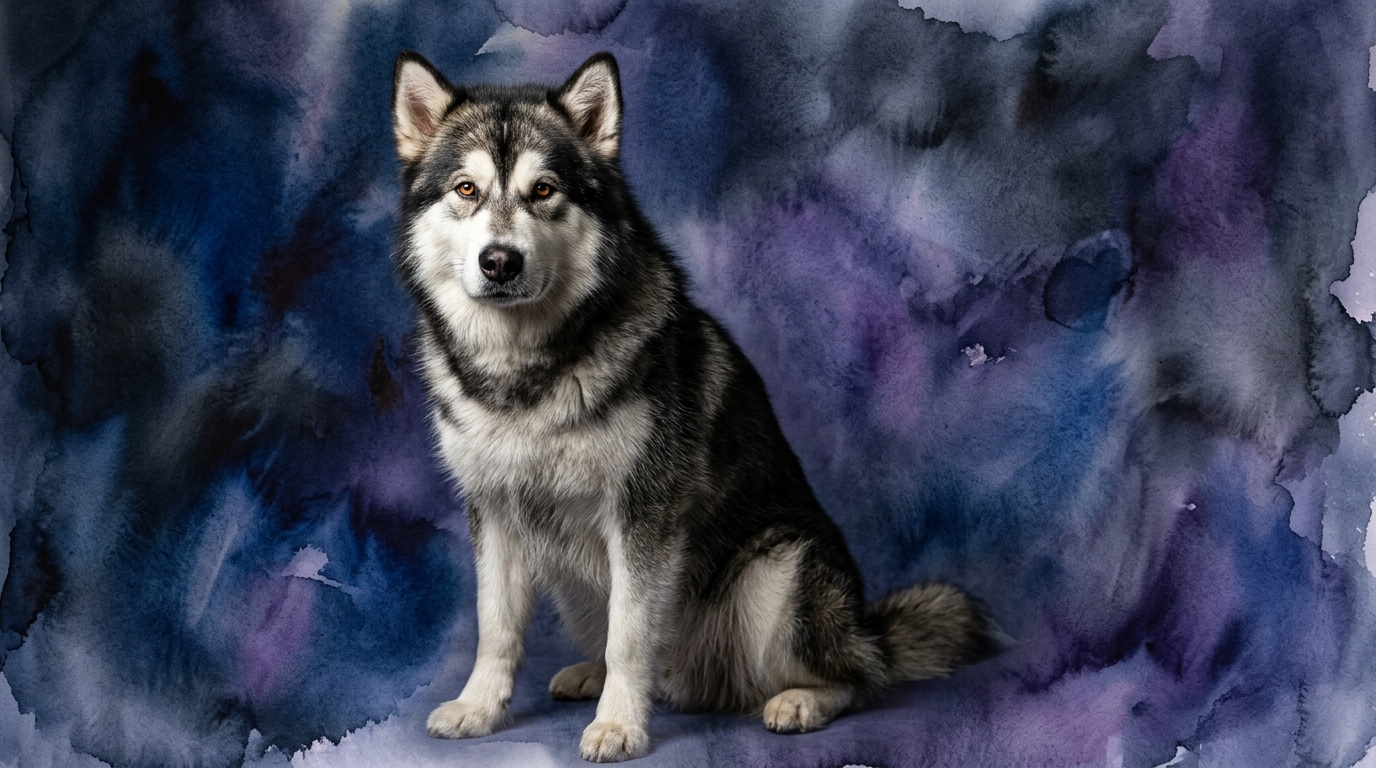
The Alaskan Malamute, a Working breed, is ranked #50 in Coren's intelligence scale, showcasing a formidable blend of traits optimized for their original purpose. Their Problem Solving is rated at an impressive 4/5, indicating a capacity for independent thought and strategic thinking, often applied to navigating complex environments or figuring out how to achieve their goals. Training Speed, however, stands at 2/5, reflecting their strong-willed nature and a preference for independent action over rote compliance. Social Intelligence is 3/5; while they are pack animals, their social interactions can be nuanced, often displaying a degree of independence from direct human command. Their Instinctive Drive is a powerful 5/5, manifesting as an intense urge for physical exertion and tasks like pulling, alongside a notable prey drive. Memory is also strong at 4/5, allowing them to retain complex information about routes, commands, and experiences.
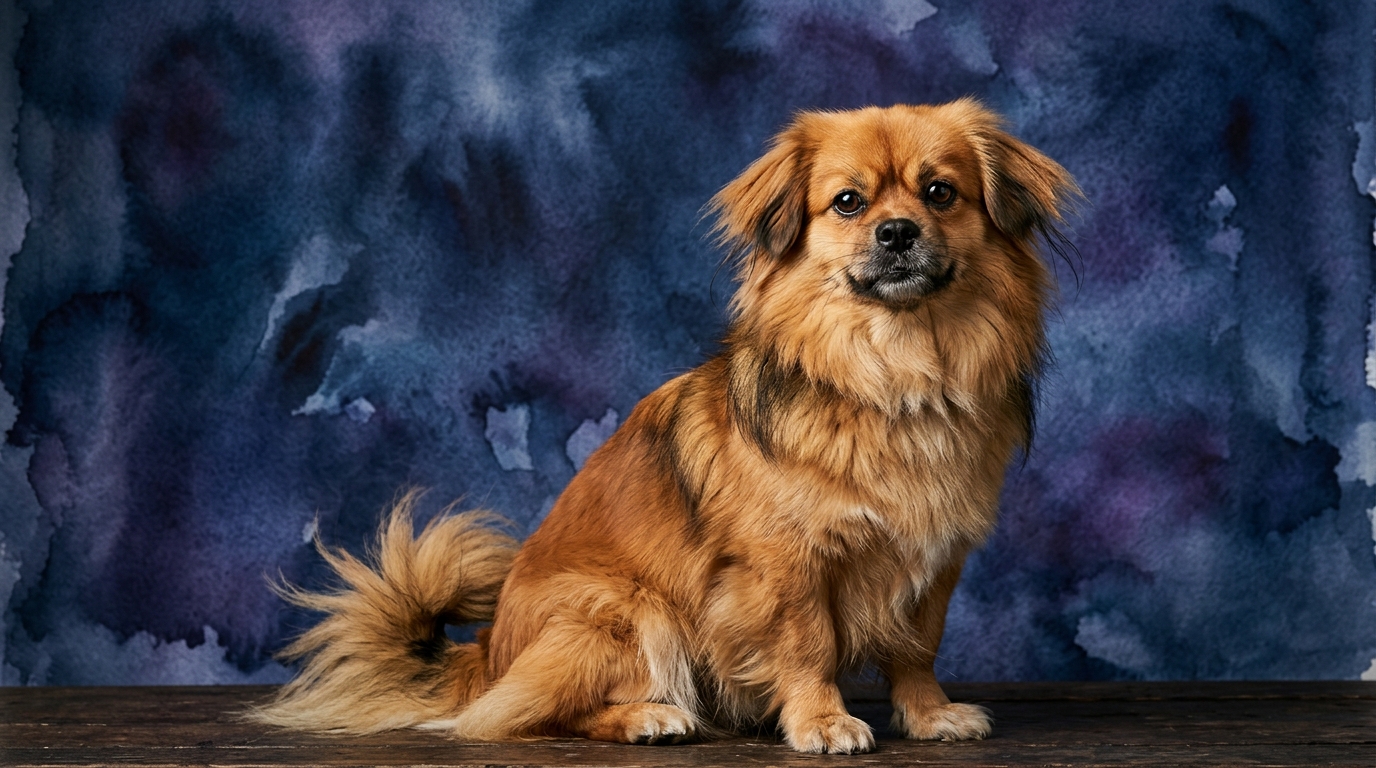
In contrast, the Tibetan Spaniel, a Non-Sporting breed, is not Coren-ranked but presents a different, equally valid cognitive profile geared towards companionship and vigilance. Their Problem Solving capability is 3/5, suggesting they can adapt to routines and learn through experience, though perhaps with less inclination for complex, self-initiated solutions. Training Speed is 3/5, indicating a moderate willingness to learn, often driven by a desire to please their family, though they can also exhibit a mischievous streak. Social Intelligence is 3/5, manifesting as a keen awareness of their human family and surroundings, often expressed through their role as alert watchdogs. Instinctive Drive is 3/5, meaning they possess a moderate drive for activity and exploration, but are generally content within a home environment without the intense working demands of a Malamute. Their Memory is rated at 3/5, sufficient for recalling family members, familiar routines, and basic commands.
Where the Alaskan Malamute Excels Cognitively
The Alaskan Malamute's cognitive superiority primarily lies in its robust problem-solving abilities and exceptional memory, coupled with an unparalleled instinctive drive. Their 4/5 rating in problem-solving means these dogs are adept at figuring out complex environmental challenges, such as how to open latches, navigate difficult terrain, or devise strategies to obtain desired objects. This isn't just about simple obedience; it's about applying intelligence to overcome obstacles independently, a trait crucial for a sled dog needing to make decisions in remote wilderness. Owners often report Malamutes 'thinking for themselves' when faced with a barrier.
Furthermore, their 4/5 memory rating underscores their capacity for long-term retention of routes, commands, and experiences, making them excellent navigators and reliable partners in repetitive tasks once a concept is grasped. This strong memory also contributes to their ability to remember grievances or past training inconsistencies, which can influence future interactions. Their instinctive drive, a perfect 5/5, is a powerful cognitive engine, enabling them to sustain intense physical and mental effort over extended periods, making them ideal for demanding working roles like sledding or competitive dog sports that require endurance and focus.
Where the Tibetan Spaniel Excels Cognitively
While the Tibetan Spaniel's cognitive strengths may not manifest in the same overt 'working' capacity as the Malamute, they shine in areas crucial for a companion and vigilant household member. Their 3/5 rating in training speed, compared to the Malamute's 2/5, suggests they can often pick up new concepts and commands with a moderate pace, particularly when motivated by positive reinforcement and a strong bond with their family. This slightly quicker learning curve for basic obedience can make initial training less arduous for a novice owner.
Their social intelligence, also rated 3/5, manifests uniquely in their role as alert watchdogs. Tibetan Spaniels possess a keen awareness of their surroundings, quickly noticing and signaling changes in their environment with a distinctive bark. This cognitive function is a form of practical problem-solving in a social context, identifying potential intrusions or anomalies and communicating them to their human pack. Their moderate instinctive drive (3/5) also means they are less prone to single-minded pursuits that might override their responsiveness to human interaction, making them more consistently engaged companions within a domestic setting.
Training: Malamute's Will vs. Tibbie's Willingness
When it comes to ease of training, the Tibetan Spaniel generally presents a more accommodating experience for the average owner. Their training speed of 3/5 reflects a moderate eagerness to please and a readiness to engage in learning, especially with consistent, positive methods. While they can be a bit independent or mischievous, their inherent desire to be close to their family often translates into a cooperative attitude during training sessions. They are less likely to overtly challenge commands and are more amenable to repetition and routine, making them a suitable choice for those new to dog training.
The Alaskan Malamute, with a training speed of 2/5, poses a more significant challenge. Their formidable problem-solving skills (4/5) and strong-willed nature mean they often evaluate a command's utility before complying. They are not inherently eager to please in the same way a Tibetan Spaniel might be; instead, they require a trainer who can offer consistent, firm, and highly motivating reinforcement, often involving high-value rewards or engaging them in tasks that appeal to their strong instinctive drive. A Malamute might use its intelligence to find loopholes in commands or simply choose not to comply if it doesn't see the benefit, requiring an experienced handler who understands how to channel their independence and drive effectively.
Matching Breeds to Lifestyles: Active vs. Relaxed Owners
The stark contrast in instinctive drive makes these two breeds suitable for very different owner lifestyles. The Alaskan Malamute, with its powerful 5/5 instinctive drive, is unequivocally suited for highly active owners. These are dogs bred for endurance and demanding physical tasks; they require several hours of vigorous exercise daily, such as running, hiking, or participating in dog sports like sledding or canicross. Without adequate physical and mental stimulation, a Malamute can become bored and destructive, channeling its problem-solving skills into escaping or redecorating the house. They thrive with owners who embrace an outdoorsy, adventurous lifestyle and are prepared for a committed partnership in activity.
Conversely, the Tibetan Spaniel, with its moderate 3/5 instinctive drive, is a much better fit for more relaxed or moderately active owners. While they enjoy daily walks and playtime, they are generally content with a more sedate pace of life and are happy to cuddle on the couch. Their needs can be met with regular, but not extreme, exercise and mental engagement through toys and family interaction. They are adaptable to apartment living, provided they receive their daily outings, making them an excellent choice for individuals or families seeking a companion that balances activity with periods of calm and affection without demanding an intense, high-octane lifestyle.
The Verdict
Choose the Alaskan Malamute if you are an experienced, dedicated owner prepared for a significant commitment to rigorous exercise, advanced training, and channeling their independent, working spirit.
Opt for the Tibetan Spaniel if you desire an alert, adaptable, and affectionate companion for a moderately active home, valuing their vigilance and willingness to engage in family life.
🧠 Find Your Pet's IQ Score
Our Pet IQ Lab assessment covers 25+ tests across 5 cognitive dimensions — personalized to your breed.
Take the Full IQ Test →Frequently Asked Questions
Are Alaskan Malamutes good with other pets?
Their high instinctive drive (5/5) means Malamutes possess a strong prey drive, requiring careful socialization and supervision around smaller animals. While they can coexist, it demands consistent training and management from owners to ensure harmony.
Do Tibetan Spaniels bark a lot?
As alert watchdogs, Tibetan Spaniels are prone to barking to signal perceived threats or changes in their environment. This is a manifestation of their social intelligence, making them excellent, albeit sometimes vocal, home guardians, but training can manage excessive barking.
How much exercise does an Alaskan Malamute need daily?
With an instinctive drive of 5/5, Malamutes require substantial daily exercise, often several hours of vigorous activity like running, hiking, or dog sports. Mental stimulation is equally crucial to prevent boredom and destructive behaviors.