Side-by-Side Cognitive Profiles
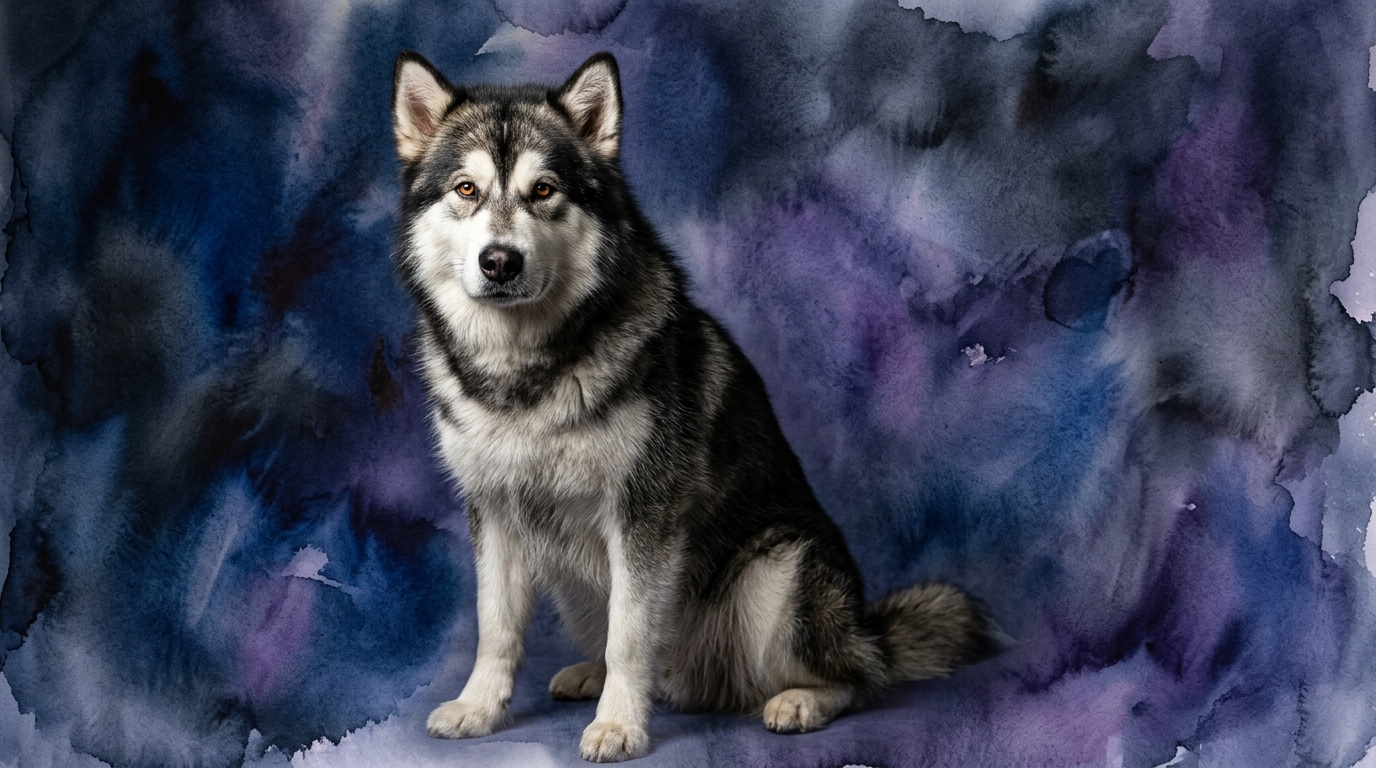
The Alaskan Malamute, ranked #50 by Stanley Coren, presents a robust cognitive makeup tailored for survival and teamwork in harsh environments. Their problem-solving ability scores 4/5, indicating a strong capacity to independently figure out complex situations, often with a purpose-driven mindset. A training speed of 2/5 suggests they are not the quickest to grasp new commands, often requiring patience and consistent reinforcement. Social intelligence stands at 3/5, meaning they can form strong bonds but might not always be acutely attuned to subtle human emotional shifts. Their instinctive drive is a formidable 5/5, manifesting as a profound urge to pull, dig, and explore, deeply rooted in their heritage. Memory, at 4/5, reflects their ability to recall complex routes and past experiences.
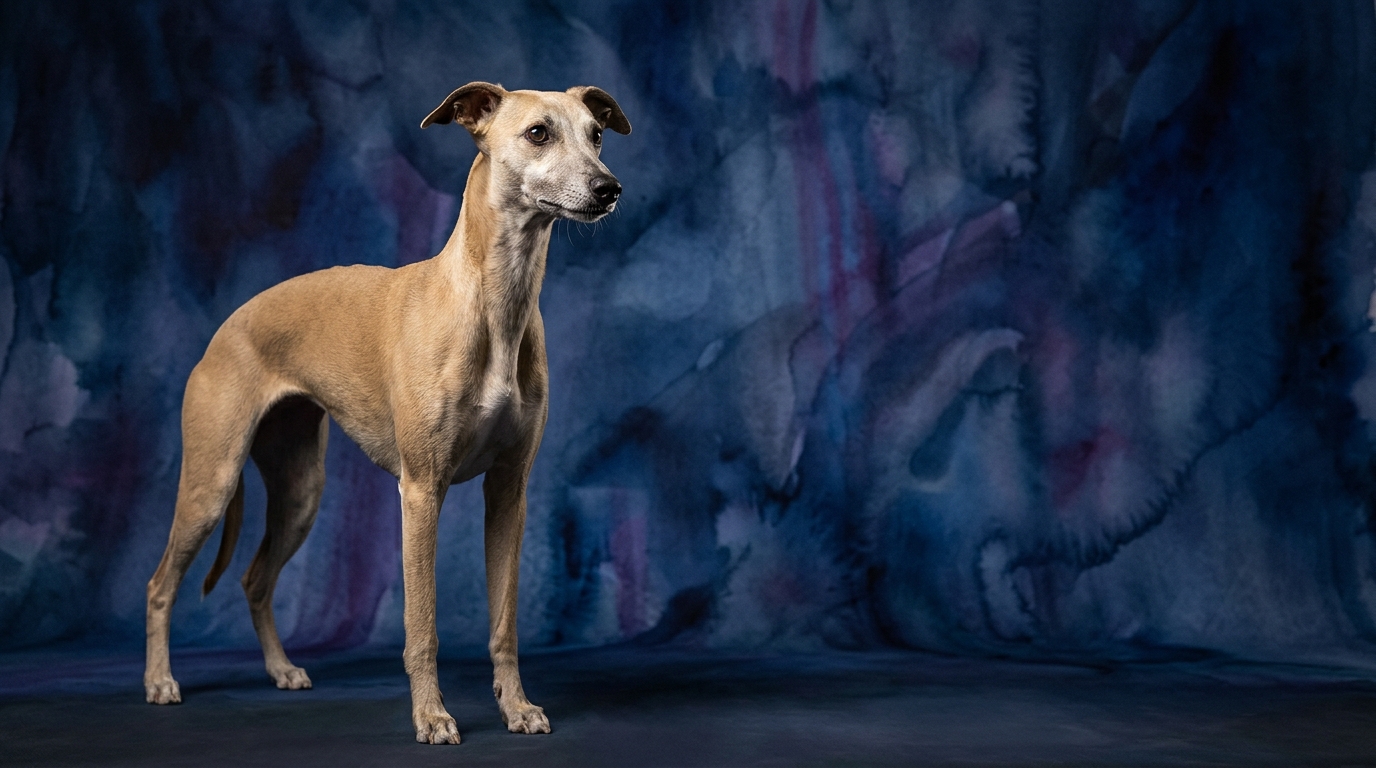
The Whippet, immediately following at Coren rank #51, demonstrates a different set of cognitive strengths, optimized for speed and focused pursuit. Their problem-solving ability is rated 3/5, suggesting they can navigate challenges but might prefer relying on learned patterns or owner direction rather than independent strategizing. Similar to the Malamute, their training speed is 2/5, indicating that while capable, they require patient and engaging methods to internalize commands. Where they truly shine is in social intelligence, scoring 4/5, which points to a higher sensitivity to human moods and a desire for close companionship. Their instinctive drive, also a 5/5, is powerfully channeled into chasing and quick bursts of activity, reflecting their sighthound nature. Memory for the Whippet is 3/5, solid but perhaps less focused on intricate detail than the Malamute’s.
Where the Alaskan Malamute Excels Cognitively
The Alaskan Malamute’s cognitive strengths are most apparent in their superior problem-solving and memory, both rated 4/5. This breed was developed to navigate vast, often featureless, snowy landscapes, requiring an innate ability to assess situations, find solutions to obstacles, and recall intricate trail information over long distances. For instance, a Malamute might skillfully figure out how to open a complex latch to access a desired area or remember the precise location of a buried toy months later. Their high instinctive drive (5/5) isn't just about physical work; it’s a deep-seated motivation that fuels their determination to complete tasks, even if it means independent thought to overcome challenges. This combination makes them adept at tasks requiring sustained cognitive effort and self-reliance, such as scent work or complex agility courses where they must make independent decisions.
Where the Whippet Excels Cognitively
The Whippet’s cognitive advantages lie primarily in their social intelligence (4/5) and the unique application of their instinctive drive (5/5). While the Malamute’s social score is 3/5, the Whippet’s higher rating means they are often more attuned to human emotional cues, making them highly responsive to subtle changes in their owner's demeanor. This sensitivity fosters a deep, empathetic connection, allowing them to adapt their behavior based on nuanced social feedback. Their instinctive drive, while equally strong, is specialized for focused bursts of activity and rapid decision-making during pursuit. This translates into an exceptional ability to react instantly to visual stimuli, making them incredibly agile and quick-thinking in games that mimic chasing. They might not be solving complex puzzles as independently as a Malamute, but their cognitive processing speed for certain tasks, particularly those involving rapid movement and environmental scanning, is remarkable.
Training Dynamics: Malamute vs. Whippet
Both breeds share a training speed rating of 2/5, suggesting that neither is a 'quick study' in the traditional sense, but their training challenges stem from different cognitive profiles. The Alaskan Malamute’s high problem-solving and instinctive drive, combined with moderate social intelligence, often translates into an independent and sometimes stubborn learner. They question commands, evaluating if a task aligns with their own perceived purpose or benefit. Training a Malamute requires an owner who understands their intrinsic motivations, using positive reinforcement, engaging activities, and establishing clear leadership. Repetitive drill-based training without a clear 'why' will likely be met with disinterest or playful defiance, requiring a trainer to be creative and consistent, framing commands as part of a meaningful activity rather than just obedience.
The Whippet, with higher social intelligence but a similar training speed, can be more sensitive to their owner's reactions, which can be an advantage in building rapport. However, their strong instinctive drive for chasing can be a significant distraction in training, particularly in open environments. While they want to please, a sudden movement or scent can override learned commands. Their independent hound nature means they are not always looking to their handler for direction, especially if something more interesting catches their eye. Training a Whippet benefits from short, engaging sessions, positive reinforcement, and a focus on building a strong recall from an early age, acknowledging their chase instincts while providing ample opportunities for safe, off-leash running in secure areas.
Lifestyle Match: Active vs. Relaxed Owners
For owners with an active lifestyle, the Alaskan Malamute is a natural fit. Their 5/5 instinctive drive and robust physique demand significant physical exertion and mental engagement. They thrive on activities like hiking, pulling carts, or participating in dog sports that challenge their problem-solving abilities and endurance. An owner who can provide consistent, purpose-driven 'work' – whether it's a long trek or a structured training regimen – will find a content and well-adjusted Malamute. Their intelligence shines when given tasks to complete, rather than being left to their own devices, which can lead to independent, often destructive, problem-solving.
Conversely, the Whippet often suits owners seeking a blend of activity and relaxed companionship. While their 5/5 instinctive drive means they need opportunities for vigorous sprints and chasing in a safe, enclosed space, they are also famously calm and quiet indoors. Their moderate problem-solving and higher social intelligence mean they appreciate a cozy spot on the couch as much as a quick dash around the park. This makes them suitable for owners who enjoy bursts of activity but also value a serene home environment. They are not content without their daily sprints, but they don't demand the same continuous, high-intensity mental and physical engagement as the Malamute, making them adaptable to owners who might be less inclined towards extreme outdoor adventures but can provide focused bursts of play and affection.
The Verdict
Choose an Alaskan Malamute if you seek a resilient, independent canine partner for adventurous, purpose-driven activities who will engage your mind with their clever problem-solving.
Opt for a Whippet if you desire an affectionate, socially attuned companion who enjoys intense bursts of play followed by peaceful lounging, and whose intelligence is expressed through graceful agility and close human connection.
🧠 Find Your Pet's IQ Score
Our Pet IQ Lab assessment covers 25+ tests across 5 cognitive dimensions — personalized to your breed.
Take the Full IQ Test →Frequently Asked Questions
Do Alaskan Malamutes and Whippets get along well with other pets?
Alaskan Malamutes, with their strong pack drive, can often coexist with other dogs if properly socialized, but their high prey drive means caution is needed around smaller pets. Whippets also possess a strong prey drive for small, fast-moving animals, but generally have a higher social intelligence with other dogs and people, making introductions crucial and supervised.
Which breed is more prone to independent thinking or 'stubbornness'?
The Alaskan Malamute generally exhibits more independent thinking and a perceived 'stubbornness' due to their 4/5 problem-solving and strong instinctive drive. They often prioritize their own assessment of a situation, which can make training a negotiation rather than simple compliance, contrasting with the Whippet's more socially responsive, though still independent, nature.
How do their memory differences impact their daily lives?
The Malamute's 4/5 memory aids them in recalling complex routines and navigating familiar territories, making them excellent companions for consistent schedules and exploring new paths. The Whippet's 3/5 memory is sufficient for daily life and training, but they might rely more on immediate cues and patterns rather than intricate recall of past events, preferring to live more in the present moment.