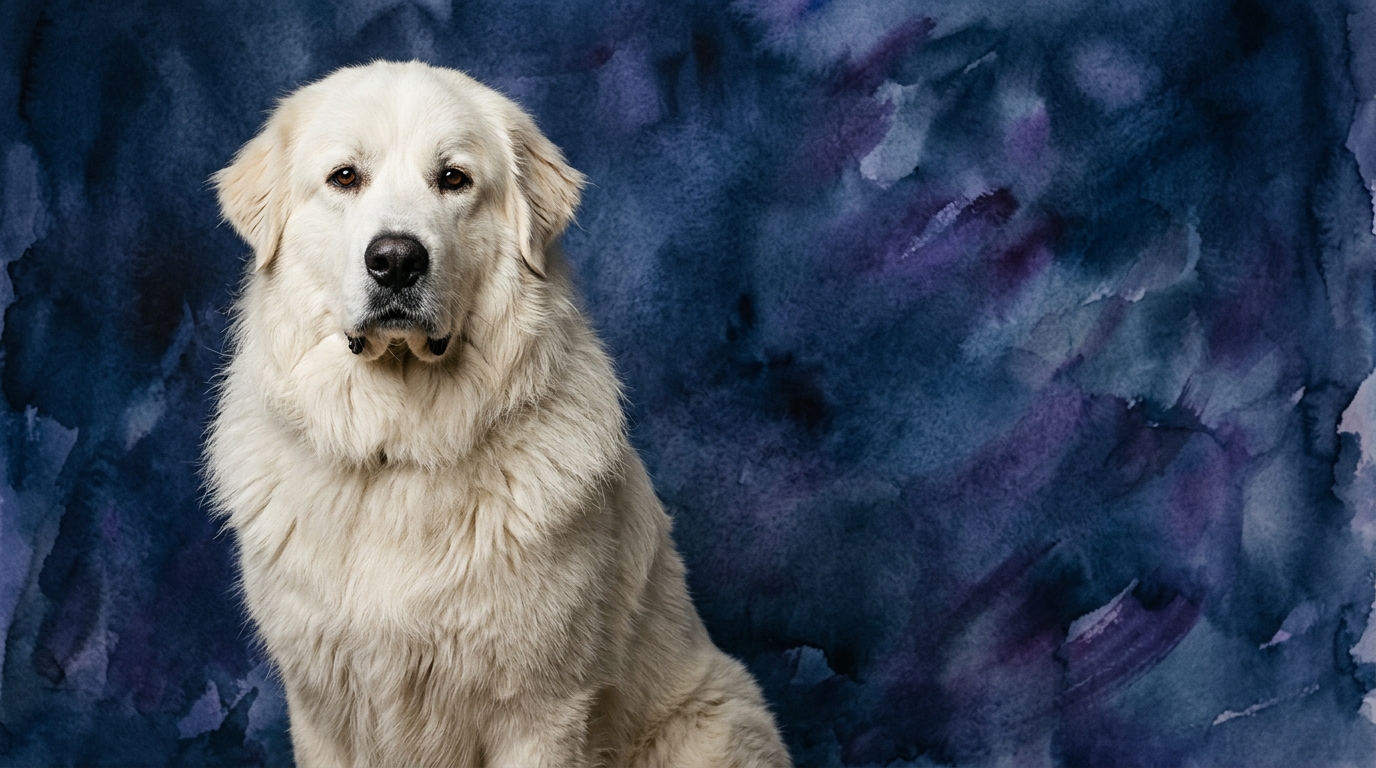
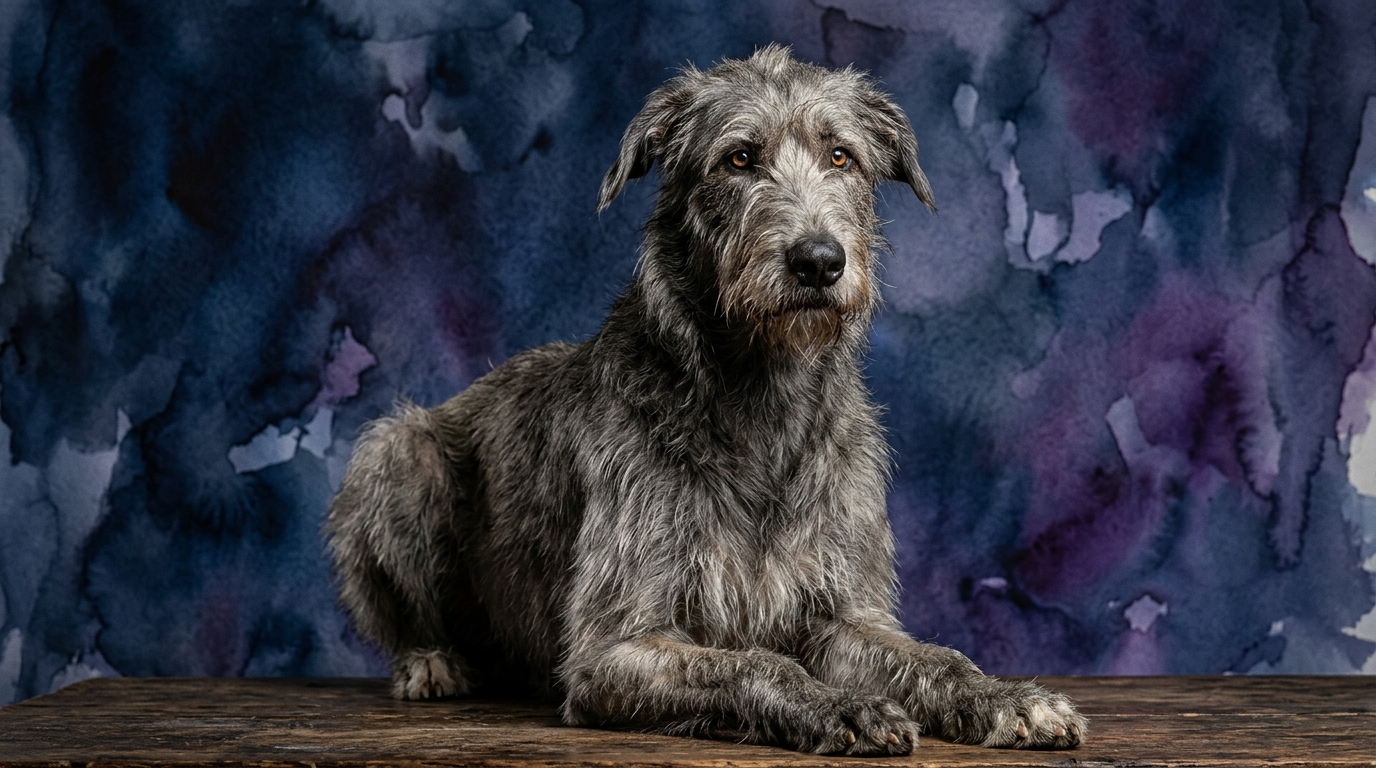
Side-by-Side IQ Profile: Interpreting Identical Scores
At first glance, the identical 3/5 scores across all five intelligence dimensions for both the Great Pyrenees and the Irish Wolfhound might suggest a cognitive parity. However, the true difference lies in how these scores translate into their breed-specific behaviors and problem-solving approaches, deeply rooted in their ancestral purposes. It's not about which breed possesses 'more' intelligence, but rather how their inherent cognitive capabilities are uniquely applied.
For the **Great Pyrenees**, a 3/5 in **Problem Solving** reflects their capacity for independent judgment in safeguarding livestock. This isn't about solving complex puzzles on command, but rather assessing environmental threats, determining appropriate deterrents for predators, and establishing safe zones, often without direct human instruction. Their solutions tend to be strategic and self-initiated, focused on protection. Their **Training Speed** at 3/5 illustrates that while they can learn commands, their inherent independence means they often weigh human directives against their primary guardian instincts. Compliance is achievable but requires patience and understanding of their self-reliant nature. In **Social Intelligence**, a 3/5 means they excel at discerning friend from potential foe within their 'flock' (family), displaying a profound understanding of group dynamics and protective bonding. They are generally reserved with strangers but deeply devoted to their inner circle. Their **Instinctive Drive** at 3/5 is overwhelmingly geared towards guardianship and territorial defense, a fundamental pillar of their cognitive framework. Finally, their **Memory** at 3/5 supports their protective role, enabling them to recall routines, safe areas, specific individuals, and past threats, contributing to their consistent vigilance.
The **Irish Wolfhound**, despite the same 3/5 scores, presents a different cognitive landscape. Their 3/5 in **Problem Solving** is more aligned with their sighthound heritage: quickly processing visual information, assessing distances, and determining the most efficient path to pursue perceived 'prey' or navigate open spaces. Their solutions are often swift, reactive, and visually driven. Their **Training Speed** at 3/5 indicates they are capable learners, but their sighthound focus means they can be easily distracted by movement or novel stimuli. They respond well to positive reinforcement, yet their attention span for repetitive, arbitrary tasks might be shorter if a more engaging visual or sensory experience presents itself. In **Social Intelligence**, a 3/5 for the Wolfhound manifests as a generally gentle, tolerant, and amiable disposition towards both humans and other animals. Their understanding of social cues is often expressed through calm interaction and a desire for peaceful coexistence, rather than the intense, discerning protective analysis of the Pyrenees. Their **Instinctive Drive** at 3/5 is primarily focused on the chase and pursuit, an ancient impulse tied to their origins as formidable hunters. Their **Memory** at 3/5 is robust for recalling commands, routines, and familiar individuals, but it's often interwoven with their strong visual processing, helping them remember specific locations or events tied to sensory input.
Where the Great Pyrenees Shines Cognitively
The Great Pyrenees truly excels in cognitive tasks demanding autonomous judgment and persistent, low-level vigilance. Their 3/5 in problem-solving, when viewed through the lens of livestock guardianship, signifies a profound ability for independent threat assessment and strategic positioning. Unlike breeds that await human command, a Pyrenees will often preemptively address perceived dangers, whether it's barking to deter a distant coyote or subtly interposing itself between a child and an unfamiliar visitor. This proactive, self-directed form of problem-solving, coupled with their consistent memory for established 'flock' members and territory, allows them to operate effectively as a living, thinking fence, a cognitive strength deeply ingrained and constantly employed in their daily lives. Their social intelligence, while rated 3/5, is particularly acute in identifying nuances within their social group, offering a nuanced protective bond unmatched by many other breeds.
Where the Irish Wolfhound Excels Cognitively
The Irish Wolfhound's cognitive strengths lie in their exceptional visual processing and reactive agility, even with a 3/5 problem-solving score. Their ability to scan vast distances, identify subtle movements, and make rapid decisions about pursuit or engagement is a hallmark of their sighthound heritage. This isn't about complex logical deduction, but rather an immediate, efficient processing of sensory input leading to a decisive physical response. Their social intelligence, also 3/5, manifests as a remarkable gentleness and tolerance, making them adept at navigating diverse social situations with calm dignity. They might not be as overtly protective as a Pyrenees, but their calm demeanor and capacity for peaceful coexistence with various family members and even other pets highlights a different, yet equally valuable, form of social acumen. Their memory is also particularly strong for visually-cued events and learned patterns of movement.
Training Dynamics: Independence vs. Distraction
When considering ease of training, both breeds present unique considerations despite their identical 3/5 training speed scores. The Great Pyrenees, with its deep-seated independence, often evaluates commands through the filter of its primary guardian instinct. They are not 'stubborn' in the traditional sense, but rather self-directed. Training a Pyrenees requires immense patience, consistency, and a deep understanding of their desire to make their own judgments. They respond best to positive reinforcement and clear, consistent expectations, but owners must accept that a Pyrenees might choose to ignore a 'recall' if they perceive a more pressing need to patrol their perimeter or protect their family. Their training requires building trust and respect for their inherent self-sufficiency, rather than demanding unquestioning obedience. Success often comes from convincing them that your command aligns with their own protective agenda.
The Irish Wolfhound, while equally capable of learning, faces a different challenge: their sighthound nature. Their 3/5 training speed is often impacted by their strong instinctive drive to chase and their susceptibility to visual distractions. A Wolfhound might understand a command perfectly well in a quiet environment, but the sudden appearance of a squirrel or a distant moving object can immediately override their focus. Training success relies on making sessions engaging, short, and positive, often in environments with minimal distractions. Their motivation is less about independent judgment and more about the immediate reward and the excitement of interaction. While they are generally eager to please their beloved owners, their attention can be fleeting when their powerful visual instincts are engaged. They require an owner who understands and can manage their innate drive for pursuit, making consistent leash training and recall paramount.
Matching Breeds to Lifestyles: Active vs. Relaxed Owners
Choosing between these two magnificent breeds also hinges on an owner's lifestyle expectations, which are indirectly linked to their cognitive profiles. The Great Pyrenees, despite its calm demeanor, is not suited for a truly 'relaxed' owner in terms of mental engagement. Their 3/5 instinctive drive for guardianship means they require a property to patrol, a family to oversee, and mental stimulation rooted in their protective role. Owners must be prepared for their independent decision-making, their deep-seated barking tendencies, and their need for a secure, defined territory. They are ideal for owners who appreciate a dog with a strong sense of purpose, are comfortable with an independent thinker, and have the space and understanding to accommodate their guardian instincts. They thrive with owners who are present and engaged with their home environment, providing a 'flock' for the Pyrenees to supervise.
The Irish Wolfhound, while a giant breed, can surprisingly suit a more relaxed owner in terms of *demanding constant activity*, provided their specific needs are met. Their 3/5 instinctive drive for pursuit means they do require regular opportunities for running and stretching their long limbs in a secure, fenced area, but they are equally content to lounge gracefully indoors. They are not hyperactive but need bursts of vigorous exercise to satisfy their sighthound nature. Their gentle social intelligence makes them excellent companions for owners seeking a calm, affectionate presence in the home. They are best for owners who can provide a balance of comfortable indoor living and safe outdoor space for their specific exercise requirements, appreciating a dog that is amiable and generally low-key indoors but capable of powerful bursts of speed when stimulated by sight.
The Verdict
Choose the Great Pyrenees if you seek an independent, vigilant guardian with a profound sense of purpose, prepared to manage their self-directed decision-making and strong protective instincts in a suitable environment.
Opt for the Irish Wolfhound if you desire a gentle, tolerant companion that thrives on calm companionship and requires specific, safe outlets for their sighthound pursuit drive, appreciating their amiable nature and visual acuity.
🧠 Find Your Pet's IQ Score
Our Pet IQ Lab assessment covers 25+ tests across 5 cognitive dimensions — personalized to your breed.
Take the Full IQ Test →Frequently Asked Questions
Are Great Pyrenees difficult to train?
Great Pyrenees are not inherently difficult to train, but their independent nature means they often prioritize their guardian instincts over immediate obedience. Training requires immense patience, consistency, and understanding of their self-reliant thought process, making it more about persuasion than strict command.
Do Irish Wolfhounds need a lot of exercise?
Irish Wolfhounds require regular, vigorous exercise to satisfy their sighthound drive, ideally in a securely fenced area where they can gallop freely. However, they are not high-energy dogs indoors and are typically calm companions, preferring to lounge after their exercise needs are met.
Which breed is better with children?
Both breeds can be excellent with children, but in different ways. The Great Pyrenees often forms a strong, protective bond with 'their' children, viewing them as part of the flock. The Irish Wolfhound is known for its gentle, patient, and tolerant nature with children, often displaying remarkable calm around them, though their large size always warrants supervision.