Side-by-Side Cognitive Profiles: Pyrenees vs. Elkhound
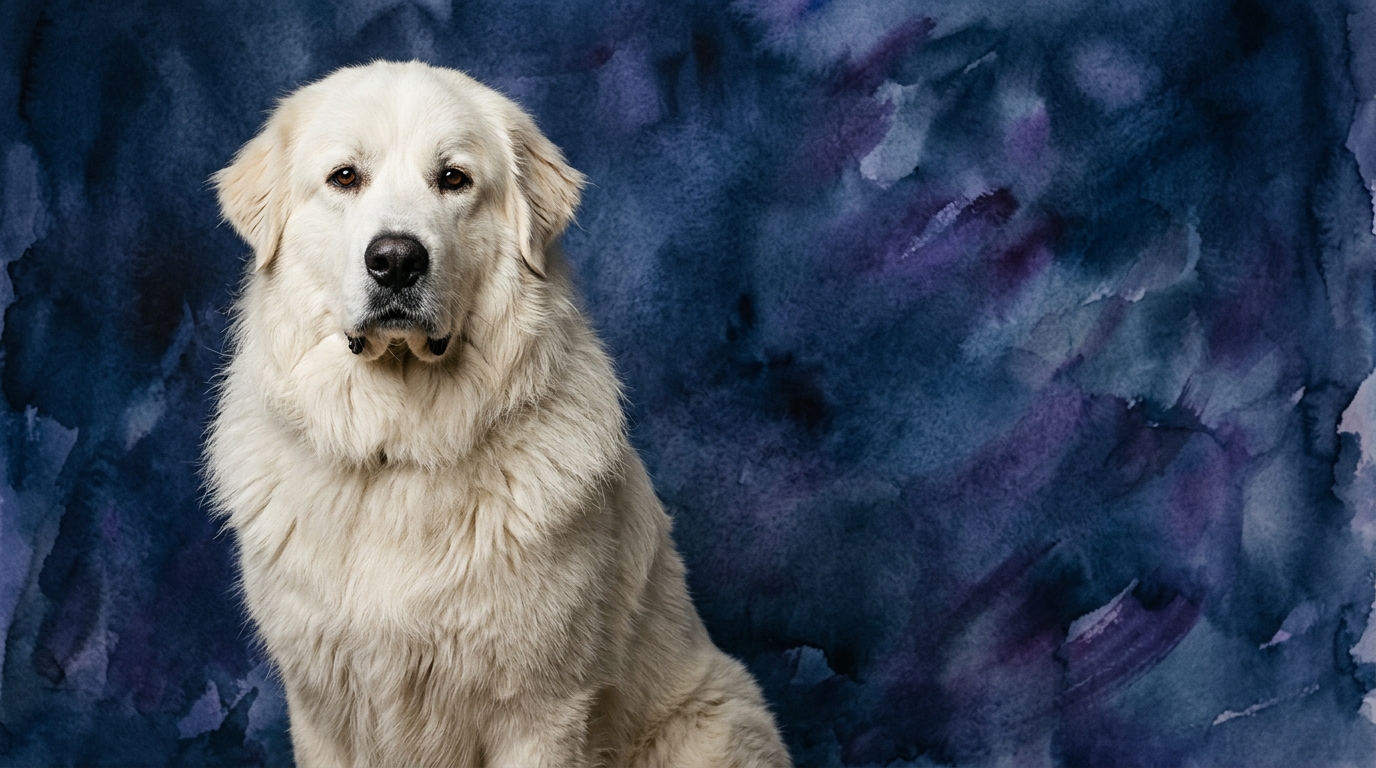
The Great Pyrenees, a majestic guardian breed, exhibits a consistent cognitive profile across the board, scoring 3/5 in Problem Solving, Training Speed, Social Intelligence, Instinctive Drive, and Memory. This balanced score reflects a dog that operates with thoughtful independence, often making its own assessments in its role as a protector. Its Problem Solving at 3/5 suggests a capacity for situational awareness and finding solutions within its defined territory, typically involving deterrent rather than direct engagement. A Training Speed of 3/5 indicates that while capable of learning, the Pyrenees processes commands at its own pace, often prioritizing its innate guarding duties over immediate compliance. Its Social Intelligence, also 3/5, points to a discerning nature, forming deep bonds with its family while remaining reserved with strangers, evaluating interactions rather than eagerly participating. The 3/5 for Instinctive Drive underscores its powerful, inherent need to patrol and safeguard, a drive that is central to its being. Finally, a Memory score of 3/5 means the Pyrenees retains experiences and learned behaviors effectively, particularly those related to its protective duties and territorial boundaries.
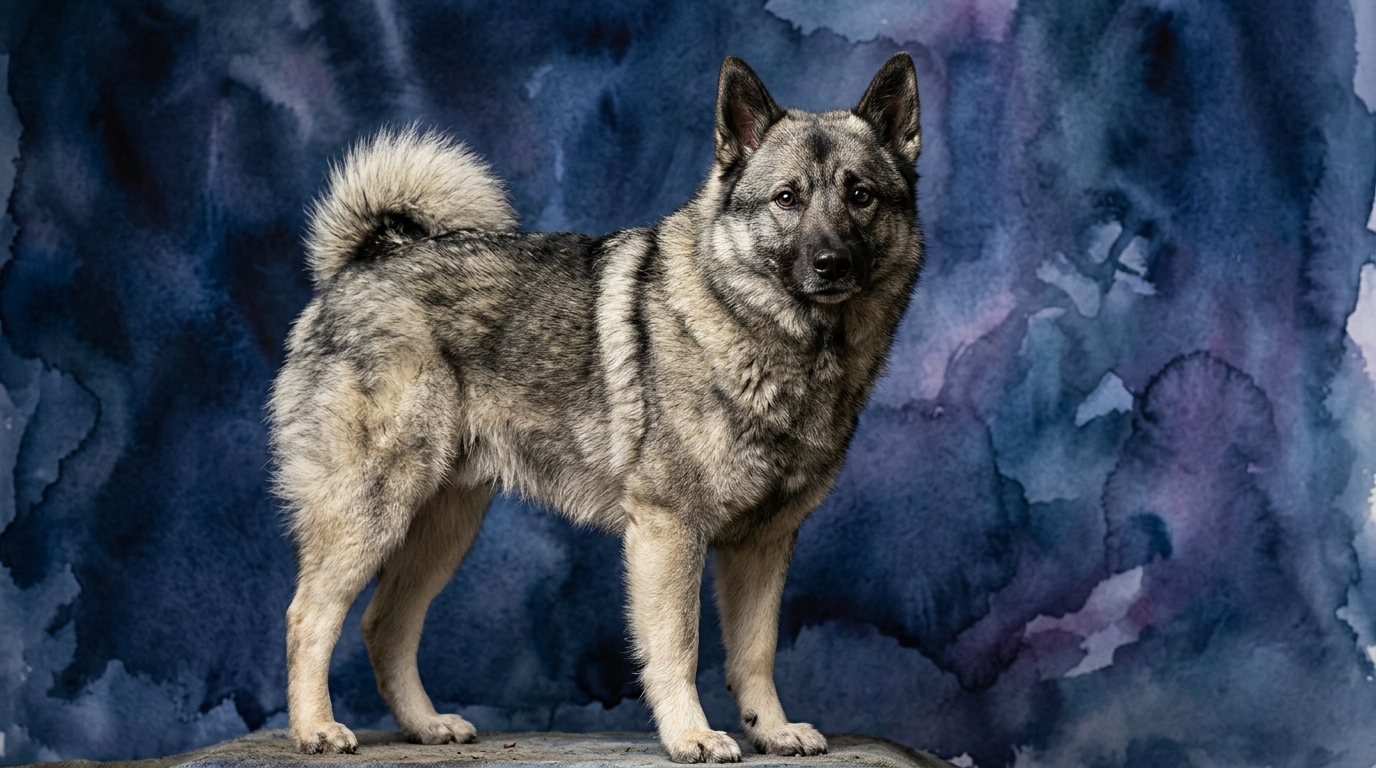
In contrast, the Norwegian Elkhound, a resilient hound, presents a cognitive profile geared towards active pursuit and engagement, with higher scores in several key areas. It achieves a 4/5 in Problem Solving, indicating a more adaptive and dynamic approach to challenges, essential for tracking and outmaneuvering game. Its Training Speed is also a notable 4/5, suggesting a quicker grasp of new commands and a greater eagerness to engage in learning activities. Social Intelligence for the Elkhound stands at 3/5, similar to the Pyrenees, reflecting a loyal disposition towards its family and a watchful, though generally friendly, demeanor towards others. The Instinctive Drive is rated 3/5, highlighting its deep-seated urge to hunt, track, and vocalize, a drive that needs appropriate outlets. The Elkhound particularly shines in Memory, scoring 4/5, which is crucial for retaining complex scent trails, learned commands, and intricate hunting strategies over time. This higher memory capacity supports its ability to recall and execute multi-step tasks with greater precision.
Where the Great Pyrenees Excels Cognitively
While the Norwegian Elkhound boasts higher scores in several metrics, the Great Pyrenees' cognitive strengths lie in its unwavering consistency and specific application of its balanced intelligence. Its 3/5 in Problem Solving, coupled with its 3/5 Instinctive Drive, translates into an exceptional ability to independently assess and manage potential threats within its territory. This isn't about rapid, dynamic problem-solving like an Elkhound tracking game; it's about a calm, steady evaluation of environmental cues and a judicious, often non-confrontational, response to perceived danger. For instance, a Pyrenees might choose to simply stand as an imposing presence rather than engaging directly, a nuanced form of problem-solving that relies on its inherent deterrent nature. Its 3/5 Social Intelligence also means it excels at forming deep, trust-based relationships with its immediate family, discerning friend from foe with a quiet confidence that doesn't rely on eager displays but rather a profound understanding of its inner circle. This breed's strength is in its holistic, integrated intelligence applied to its guarding role, where measured judgment and self-reliance are paramount.
Where the Norwegian Elkhound Shines Cognitively
The Norwegian Elkhound truly distinguishes itself with its elevated scores in Problem Solving (4/5), Training Speed (4/5), and Memory (4/5), reflecting a breed built for active engagement and intricate tasks. Its superior Problem Solving allows it to adeptly navigate complex environments, such as following a challenging scent trail through varied terrain, requiring constant adaptation and strategic thinking. This isn't just about brute force; it's about mental agility and a persistent drive to overcome obstacles. The Elkhound's higher Training Speed means it typically picks up new commands and routines with greater alacrity than the Pyrenees, often showing a keen desire to work alongside its human companion. This makes it a more responsive and versatile partner for activities requiring sequential learning or rapid command execution. Furthermore, its excellent Memory ensures that once a skill is learned, or a scent pattern recognized, it is retained with remarkable fidelity, allowing for consistent performance in tasks that demand recall and precision, such as advanced obedience or competitive tracking.
Trainability: Elkhound's Eagerness vs. Pyrenees' Independence
When it comes to trainability, the Norwegian Elkhound generally presents a more straightforward experience for owners, largely due to its 4/5 Training Speed compared to the Great Pyrenees' 3/5. The Elkhound's higher score indicates a dog that typically learns new commands more quickly and shows a greater willingness to engage in structured training sessions. This responsiveness stems from its history as a hunting companion, where working closely with a human was essential for success. Elkhounds often thrive on mental stimulation and positive reinforcement, eager to please and quick to form associations between actions and rewards. Their relatively higher Problem Solving and Memory also contribute to their ability to grasp complex sequences and retain them over time, making them adept at various dog sports or advanced obedience.
The Great Pyrenees, with its 3/5 Training Speed, requires a different approach. Its independence, born from centuries of solitary livestock guarding, means it often evaluates commands through the lens of its own priorities rather than immediate compliance. A Pyrenees might understand what you're asking but choose not to execute if it perceives a more pressing 'guarding' task or simply doesn't see the immediate relevance. Training a Pyrenees requires immense patience, consistency, and an understanding that while they are capable of learning, their inherent self-reliance means they are not as biddable as many other breeds. Owners must build a strong, trust-based relationship and make training relevant to the Pyrenees' natural inclinations, rather than expecting eager submission. Their training is more about subtle guidance and reinforcing good decisions than rapid command acquisition.
Lifestyle Suitability: Active Engagement vs. Calm Vigilance
The cognitive profiles of these two breeds naturally align with different owner lifestyles. The Norwegian Elkhound, with its higher Problem Solving, Training Speed, and Memory, is an ideal match for active owners who relish engaging their dog in mental and physical challenges. Owners who enjoy hiking, running, dog sports like agility or tracking, or simply structured training sessions will find the Elkhound's eager participation and quick learning a rewarding experience. Its instinctive drive for activity and mental stimulation means it thrives when given a 'job' to do, even if that job is navigating a complex puzzle toy or mastering a new trick. They need consistent mental exercise to prevent boredom and channel their considerable energy positively, making them suitable for individuals or families committed to an interactive, dynamic relationship.
Conversely, the Great Pyrenees, with its balanced but independent 3/5 scores across all cognitive dimensions, is better suited for more relaxed owners who appreciate a dog's calm, watchful presence and self-sufficient nature. While they benefit from exercise, their needs are less about high-intensity activity and more about patrolling their territory and enjoying leisurely walks. Owners who seek a companion that is content to observe and protect, rather than constantly seek engagement, will find a kindred spirit in the Pyrenees. Their social intelligence, while discerning, ensures deep family bonds, and their independent problem-solving means they are not prone to separation anxiety if left to their own devices within a secure environment. They fit well into households that value a tranquil, secure atmosphere and can provide ample space for their guarding instincts to manifest safely.
The Verdict
Choose the Great Pyrenees if you seek an independent, calm, and supremely watchful guardian, valuing its self-reliant judgment and a more relaxed pace of life.
Opt for the Norwegian Elkhound if you desire an engaged, quick-learning, and active companion eager to participate in training and adventurous pursuits.
🧠 Find Your Pet's IQ Score
Our Pet IQ Lab assessment covers 25+ tests across 5 cognitive dimensions — personalized to your breed.
Take the Full IQ Test →Frequently Asked Questions
Is the Great Pyrenees difficult to train due to its independence?
The Great Pyrenees isn't 'difficult' in the sense of lacking capacity, but rather 'independent.' They learn at a 3/5 Training Speed, meaning they process commands, but their strong self-preservation and guarding instincts often take precedence over eager compliance. Consistent, patient, positive reinforcement is key to building trust and making training relevant to their nature.
Does the Norwegian Elkhound's high instinctive drive make it hard to manage?
The Norwegian Elkhound's 3/5 Instinctive Drive is powerful, rooted in its hunting heritage, which means it thrives on mental and physical engagement. Without appropriate outlets for this drive, such as tracking games, vigorous exercise, or structured training, it can manifest as excessive barking or wandering. Providing consistent enrichment helps channel this drive positively.
Which breed is better for a first-time dog owner?
For a first-time owner, the Norwegian Elkhound (with 4/5 Training Speed and Problem Solving) might be a more manageable choice due to its greater responsiveness and eagerness to learn. The Great Pyrenees' profound independence and strong guarding instincts (3/5 across all categories) require an owner with considerable patience, consistency, and an understanding of working dog psychology, which can be challenging for a novice.