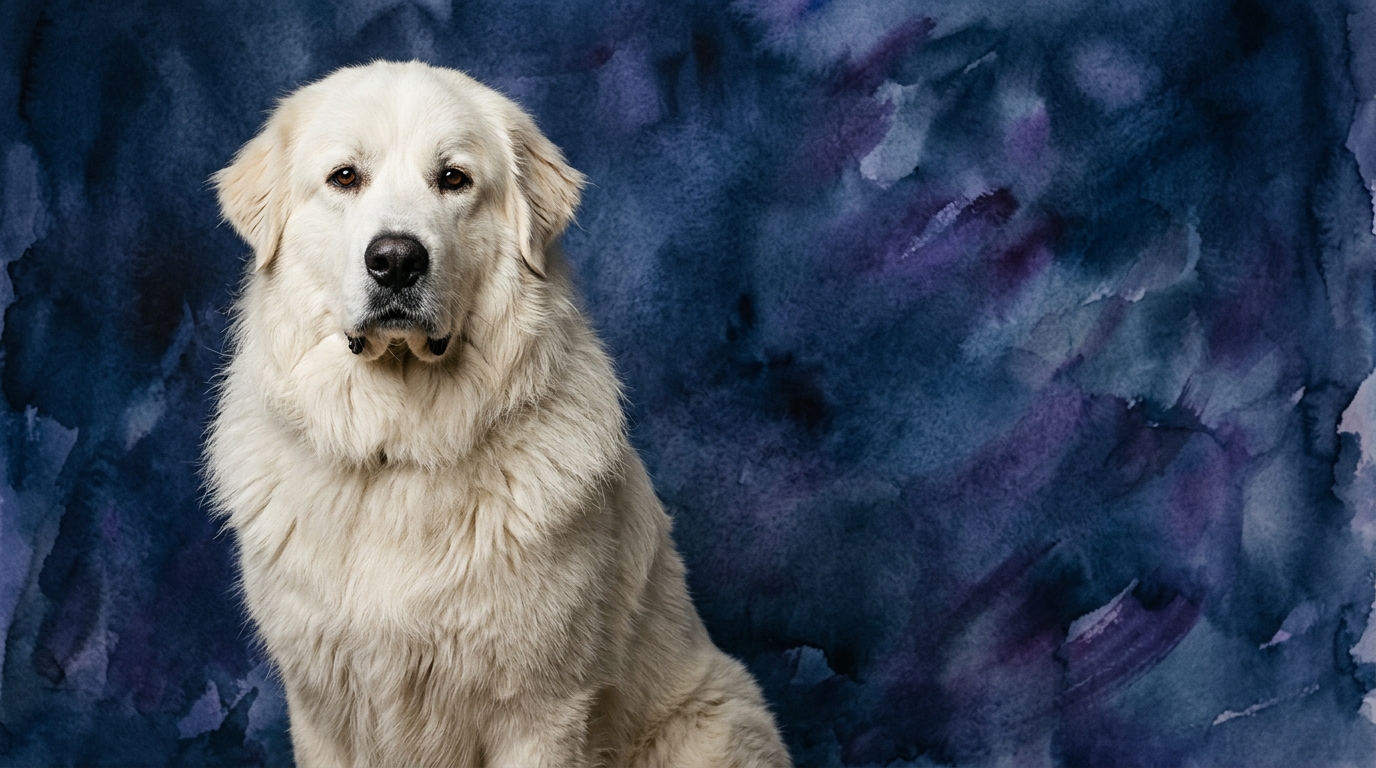
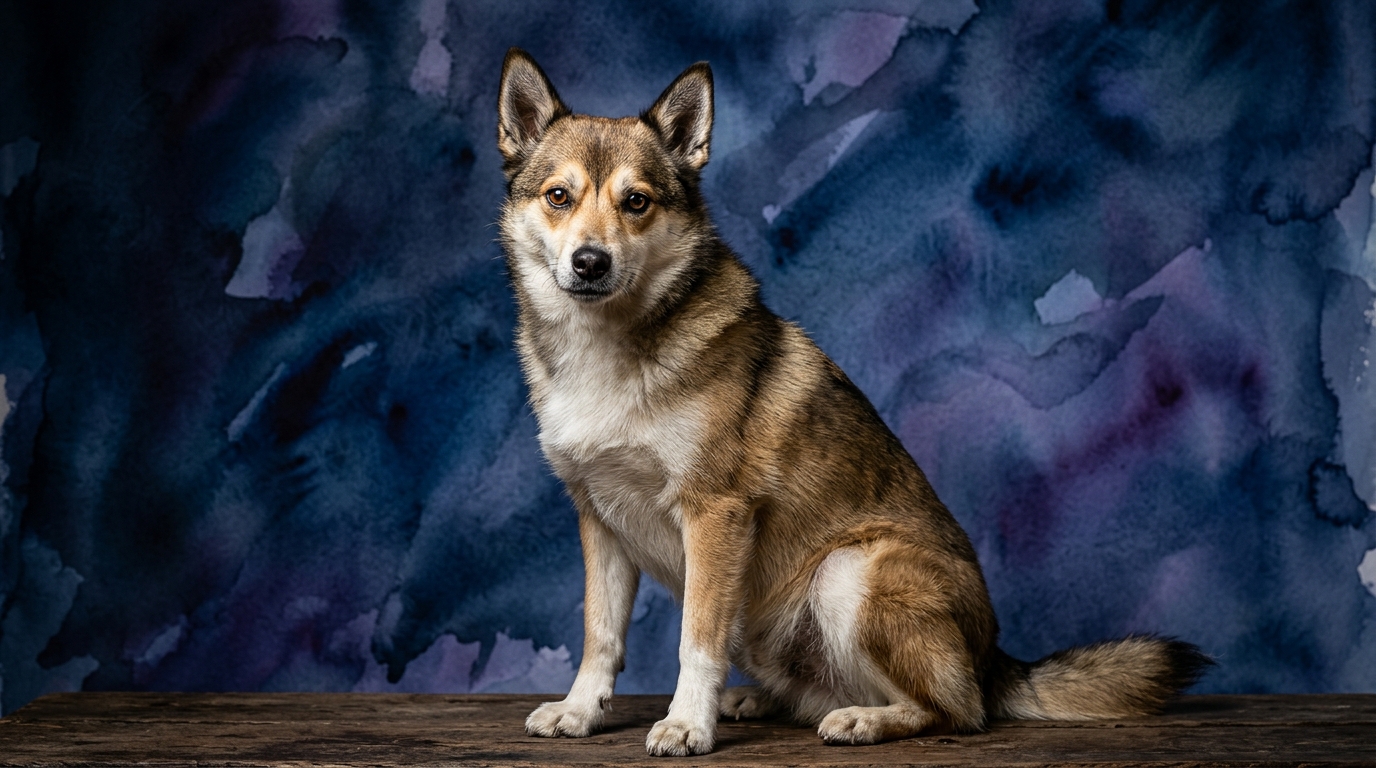
Side-by-Side Cognitive Profile: Great Pyrenees vs. Norwegian Lundehund
The Great Pyrenees (Working Group, Coren Rank #64) possesses a cognitive makeup deeply tied to its historical role as a solitary, independent livestock guardian. Its Problem Solving at 3/5 manifests as a methodical, observant approach to potential threats, often requiring the dog to assess situations and make independent decisions without direct human command. They aren't quick to react but deliberate. Training Speed, also 3/5, reflects their thoughtful nature; they learn, but their independence means they weigh commands against their own judgment, making them less inclined to immediate, rote obedience. Social Intelligence at 3/5 points to their strong, protective bond with their 'flock' (be it sheep or family), displaying nuanced understanding of their charges' needs and vulnerabilities, yet often reserved with strangers. Their Instinctive Drive, 3/5, is powerfully geared towards guarding and patrolling, with an innate sense of territory and a deep-seated need to protect. Memory, 3/5, allows them to recall threats, safe boundaries, and the routines of their charges over long periods, contributing to their reliable vigilance.
The Norwegian Lundehund (Non-Sporting Group, Not Coren-Ranked) exhibits intelligence as a product of its highly specialized and physically demanding hunting past, requiring agility both physically and mentally. Their Problem Solving, rated 3/5, shines in navigating complex, uneven terrain like cliffsides and rock crevices, finding hidden puffin nests, and adapting to unpredictable environments. This isn't about guarding, but about dynamic, spatial puzzle-solving. Training Speed, 3/5, indicates they are capable learners, but their independent hunting drive and curious nature can mean they are easily distracted or prefer to follow their own investigative paths. Social Intelligence, 3/5, suggests they form close bonds with their human families, are observant of pack dynamics, and can be sensitive to human moods, though their independent streak might make them less overtly demonstrative. Instinctive Drive, 3/5, is strongly focused on exploration, scent work, and a persistent, often acrobatic pursuit of small prey, reflecting their heritage. Memory, 3/5, is likely excellent for recalling intricate routes, scent trails, and the locations of previous discoveries, crucial for efficient hunting.
Where the Great Pyrenees Excels Cognitively
The Great Pyrenees exhibits a distinct cognitive advantage in tasks requiring independent, strategic decision-making and sustained vigilance. Their Problem Solving (3/5) is less about quick tricks and more about evaluating complex, evolving scenarios related to protection. For instance, a Pyrenees might independently decide when to bark to deter a distant threat, interpose itself between a predator and its flock, or simply observe, learning from past encounters. This breed excels in situations demanding a 'long game' approach to safety and territory management, often processing environmental cues and making judgments that might escape human notice. Their social intelligence gives them a deep understanding of their family's vulnerabilities, allowing them to anticipate needs for comfort or protection. This profound, quiet wisdom, honed by centuries of solitary guardianship, is where their cognitive strength truly lies.
Where the Norwegian Lundehund Excels Cognitively
The Norwegian Lundehund's cognitive strengths lie in adaptability, spatial reasoning, and persistent, exploratory problem-solving. Their Problem Solving (3/5) is uniquely geared towards navigating and exploiting challenging physical environments. Imagine a Lundehund assessing a precarious rock face, identifying paw holds, and remembering the most efficient route through a maze of crevices to reach a target. This involves rapid assessment of physical possibilities and a flexible approach to movement. Their instinctive drive (3/5) for exploration and independent hunting means they are adept at self-directed tasks, displaying remarkable tenacity in pursuit of their goals, whether finding a hidden toy or investigating a new scent. This breed demonstrates a cognitive agility that allows them to learn and adapt to novel physical challenges with self-assured curiosity, making them masters of their immediate, dynamic surroundings.
Training Dynamics: Which Breed is 'Easier'?
Assessing which breed is 'easier' to train requires understanding their innate motivations. Both are rated 3/5 for Training Speed, indicating learning capacity. However, the application of that learning differs significantly. The Great Pyrenees, with its deep-seated independence and guarding instincts, often views commands through the lens of its primary directive: protecting its territory and flock. This means they are not inherently motivated by strict obedience for obedience's sake. They are thoughtful and can be slow to respond if a command doesn't align with their perceived duty or if they deem it unnecessary. Training a Pyrenees often requires immense patience, consistency, and a deep understanding of their independent nature, focusing on building trust and making commands feel like a collaborative effort. Conversely, the Norwegian Lundehund, while capable, is driven by curiosity and an independent hunting spirit. They can be highly distractible, with attention easily diverted by interesting smells or sights. Their motivation to engage might be high if it's novel and stimulating, but sustaining focus can be a challenge. Training a Lundehund benefits from short, engaging sessions that tap into their natural desire for exploration and problem-solving, using positive reinforcement to make learning a rewarding game. Neither breed is a 'push-button' dog; both require dedicated, understanding trainers.
Matching Breeds to Lifestyles: Active vs. Relaxed Owners
The ideal owner profile for each breed diverges significantly based on their cognitive and physical needs. The Great Pyrenees, despite its large size, is not a high-intensity exercise dog. Its role as a guardian requires a calm, watchful presence and patrolling its territory, not sustained running. They suit more relaxed owners who appreciate a dog with a thoughtful, independent disposition and who can provide a secure, spacious environment for them to survey. Owners should be prepared for their patrolling nature and the mental engagement required for a dog that makes its own decisions. They thrive with owners who understand their independent streak and provide consistent, gentle guidance. The Norwegian Lundehund, however, is a much more active and physically agile breed. Their historical role demanded navigating treacherous terrain and persistent hunting, which translates into a need for regular, varied physical and mental stimulation. They are best suited for active owners who enjoy exploring, hiking, or engaging in dog sports that challenge both body and mind. Owners should be prepared for a dog with a strong exploratory drive, a penchant for climbing, and a need for consistent engagement to prevent boredom.
The Verdict
Choose the Great Pyrenees if you seek a thoughtful, independent guardian who thrives on making its own decisions within a secure environment and offers a calm, protective presence.
Opt for the Norwegian Lundehund if you desire an agile, curious companion eager for exploration and physical challenges, and you can provide consistent, engaging mental and physical stimulation.
🧠 Find Your Pet's IQ Score
Our Pet IQ Lab assessment covers 25+ tests across 5 cognitive dimensions — personalized to your breed.
Take the Full IQ Test →Frequently Asked Questions
Do Great Pyrenees need a lot of exercise?
No, Great Pyrenees are not high-energy dogs in the traditional sense. They prefer to patrol their territory calmly and watchfully, requiring moderate exercise like daily walks and a secure yard to survey.
Are Norwegian Lundehunds good family dogs?
Yes, Norwegian Lundehunds can be wonderful family dogs, forming close bonds with their humans. Their independent and curious nature means they thrive with families who can provide consistent training and engaging activities.
How do their problem-solving skills differ in daily life?
A Great Pyrenees' problem-solving might involve deciding the best way to deter a stranger from their property, while a Norwegian Lundehund's might involve figuring out how to reach a high shelf or navigate a complex obstacle course in the yard.