Side-by-Side IQ Profile: Great Pyrenees vs. Scottish Deerhound
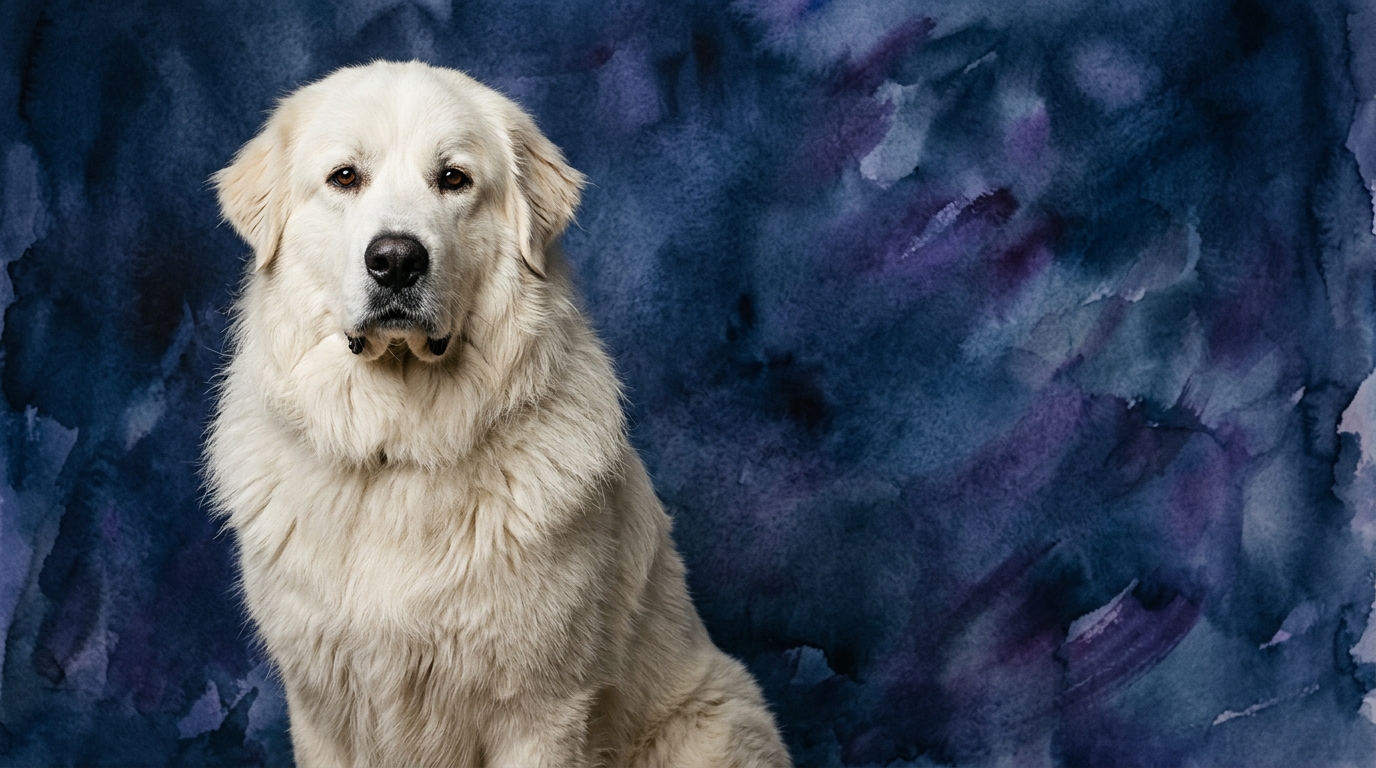
The Great Pyrenees, a dedicated Working breed with a Coren rank of #64, demonstrates a Problem Solving score of 3 out of 5, which manifests in its capacity for autonomous decision-making in its guardian role. Its Training Speed, also 3 out of 5, indicates a moderate learning pace, often requiring patience due to its self-reliant nature, responding best when it understands the purpose of a command. With a Social Intelligence of 3 out of 5, this breed forms deep bonds and understands family dynamics, exhibiting strong protective instincts. Its Instinctive Drive, rated 3 out of 5, is powerfully oriented towards patrolling and protecting its territory and charges. Finally, a Memory score of 3 out of 5 ensures it retains routines and associations related to its duties and environment effectively.
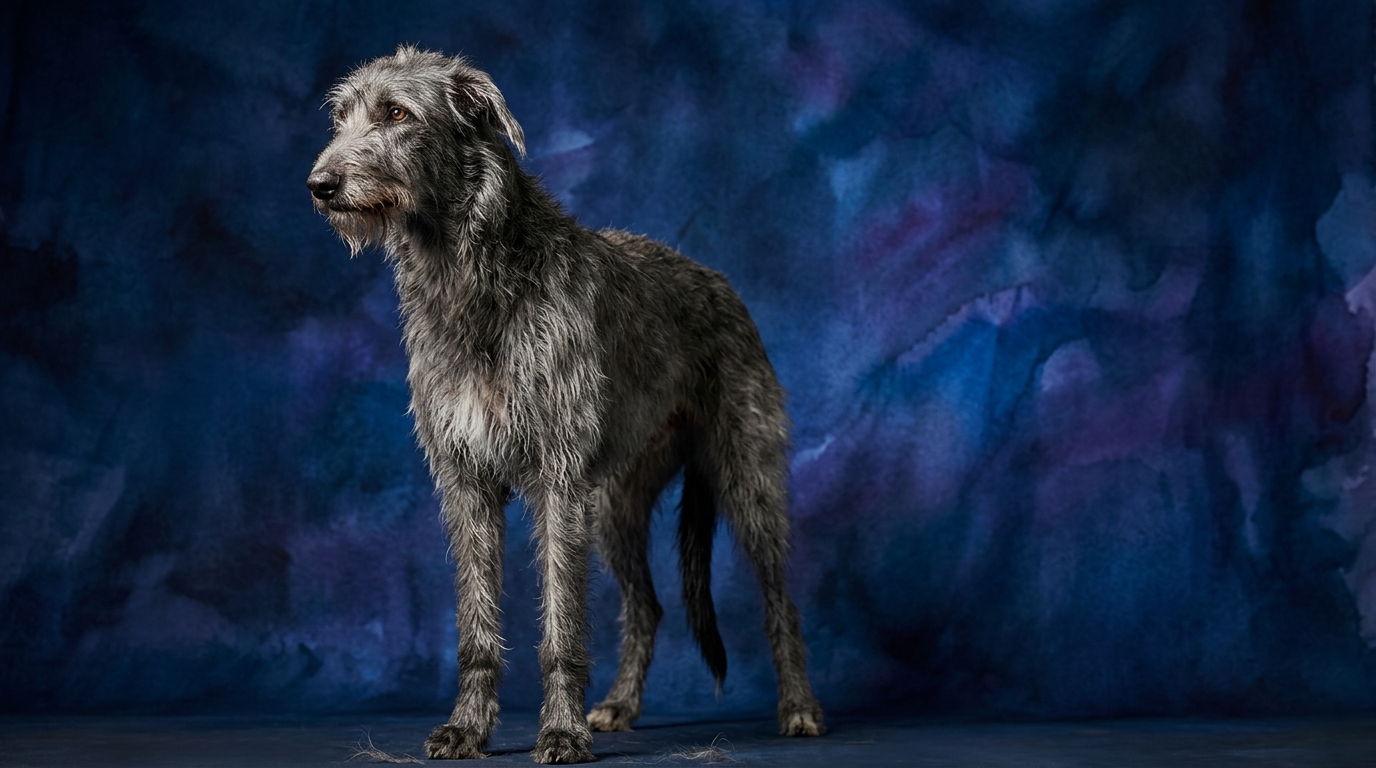
The Scottish Deerhound, a majestic Hound breed not Coren-ranked, also scores 3 out of 5 in Problem Solving, though this manifests as quick, situational assessments for pursuit and navigating varied terrain efficiently. Its Training Speed, also 3 out of 5, denotes a moderate learning capacity, responsive to rewards but with a potential for distraction due to its strong prey drive. A Social Intelligence of 3 out of 5 indicates a gentle and sensitive nature, highly attuned to human moods and thriving on companionship. Its Instinctive Drive, similarly 3 out of 5, is dominated by a powerful sighthound prey drive, balanced with a desire for calm companionship. With a Memory score of 3 out of 5, the Deerhound maintains good recall for commands, though immediate focus can be swayed by strong visual stimuli.
Where the Great Pyrenees Wins Cognitively
Despite both breeds scoring 3/5 across our IQ dimensions, the Great Pyrenees exhibits unique cognitive strengths rooted in its ancestral role. Its problem-solving ability shines in scenarios demanding independent judgment and strategic threat assessment. Unlike many breeds, the Pyrenees autonomously evaluates situations, deciding when to intervene to protect its charges without constant human direction. This self-directed cognitive processing is a distinct advantage when vigilance and independent action are paramount, such as safeguarding livestock or property in remote environments. Their social intelligence is also uniquely geared towards understanding and managing the dynamics of a 'flock' or family, discerning subtle shifts that might indicate a potential issue, and responding with appropriate protective actions. This nuanced environmental understanding, coupled with their unwavering instinctive drive, allows them to excel in complex, long-duration protective roles where constant human oversight is impractical.
Where the Scottish Deerhound Wins Cognitively
The Scottish Deerhound, while sharing similar overall IQ scores, demonstrates cognitive prowess in areas distinct from the Pyrenees, primarily stemming from its sighthound heritage. Their problem-solving capacity is keenly focused on dynamic, spatial reasoning, allowing them to swiftly calculate trajectories, anticipate movement, and navigate varied terrain with incredible precision during a high-speed chase. This ability to process visual information rapidly and translate it into fluid, agile physical responses is a cognitive triumph. Furthermore, their social intelligence, while different from the Pyrenees' protective vigilance, shows a profound sensitivity to human emotional states. Deerhounds often display an almost intuitive understanding of their owner's moods, offering quiet companionship or gentle comfort without being prompted. This empathetic connection, coupled with their quick reaction time to visual stimuli, gives them an edge in activities requiring immediate, visually driven responses and close emotional bonding.
Which is Easier to Train and Why
Neither the Great Pyrenees nor the Scottish Deerhound fits the mold of an 'eager-to-please' breed, each presenting unique training challenges. The Pyrenees, with its ingrained independence, approaches commands thoughtfully. Their 3/5 training speed is less about capacity and more about their need to understand the 'why' behind a request; they are not intrinsically motivated by constant human approval. Training requires immense patience, consistency, and respect for their judgment, yielding a dog that complies because it has chosen to, rather than blindly obeying. Forceful methods are counterproductive. In contrast, the Deerhound's 3/5 training speed is influenced by its powerful instinctive drive for pursuit. While capable of learning, their attention can be fleeting when a visual stimulus captures their focus. Their independent sighthound nature means they can be selective listeners, especially outdoors. Training requires highly engaging, positive reinforcement methods to compete with their natural instincts. Consistency in distraction-free environments is crucial. Therefore, 'easier' is relative; the Pyrenees demands respect for its independent mind, while the Deerhound requires management of its keen sensory input and prey drive.
Which Suits Active Owners vs. Relaxed Owners
Understanding activity levels and cognitive needs is crucial for owner compatibility. The Great Pyrenees, despite appearing calm indoors, requires significant mental engagement and physical space for its inherent patrolling duties. A Pyrenees needs a large, securely fenced yard to survey its territory, fulfilling its instinctive protective drive. While they don't demand high-intensity, structured exercise, they need consistent, low-impact activity and mental stimulation through overseeing their domain. Owners who appreciate a calm indoor presence but a purposeful outdoor role would find a good match; truly sedentary owners might struggle. The Scottish Deerhound presents a fascinating duality. They require regular opportunities for vigorous, high-speed running in a safe, expansive area, fulfilling their sighthound chase drive. This suits active owners who can provide daily secure, off-leash sprinting. However, once their exercise needs are met, Deerhounds become remarkably relaxed and serene house companions, content to lounge for hours. They are not typically restless indoors, making them surprisingly suitable for owners who appreciate calm home life but are dedicated to providing intense, albeit brief, outdoor activity. The choice hinges on the *type* of activity an owner can consistently provide: purposeful, independent patrolling for the Pyrenees, versus intense, directed bursts of speed for the Deerhound.
The Verdict
Choose a Great Pyrenees if you seek a steadfast, independent guardian with a calm demeanor, appreciating a dog that makes its own decisions within a protective framework.
Choose a Scottish Deerhound if you desire a graceful, sensitive companion who loves a good sprint and then enjoys lounging, understanding their sighthound instincts require careful management.
🧠 Find Your Pet's IQ Score
Our Pet IQ Lab assessment covers 25+ tests across 5 cognitive dimensions — personalized to your breed.
Take the Full IQ Test →Frequently Asked Questions
Do Great Pyrenees and Scottish Deerhounds excel in similar cognitive tasks?
While both breeds score similarly in overall IQ dimensions, their cognitive strengths are quite distinct. The Pyrenees excels in independent, long-term protective decision-making, while the Deerhound shines in dynamic, visually-driven spatial reasoning and quick reactions.
How do their historical roles influence their problem-solving abilities?
The Pyrenees' history as a livestock guardian fostered independent problem-solving for threat assessment and protection. The Deerhound's sighthound heritage developed problem-solving geared towards efficient pursuit and navigation during a chase.
Which breed is more suited for complex obedience training?
Neither breed is typically considered ideal for complex obedience in the traditional sense due to their independent natures. Both require patient, consistent, and positive reinforcement-based training, but the Pyrenees demands respect for its judgment, while the Deerhound requires engagement to overcome its prey drive and potential distractions.