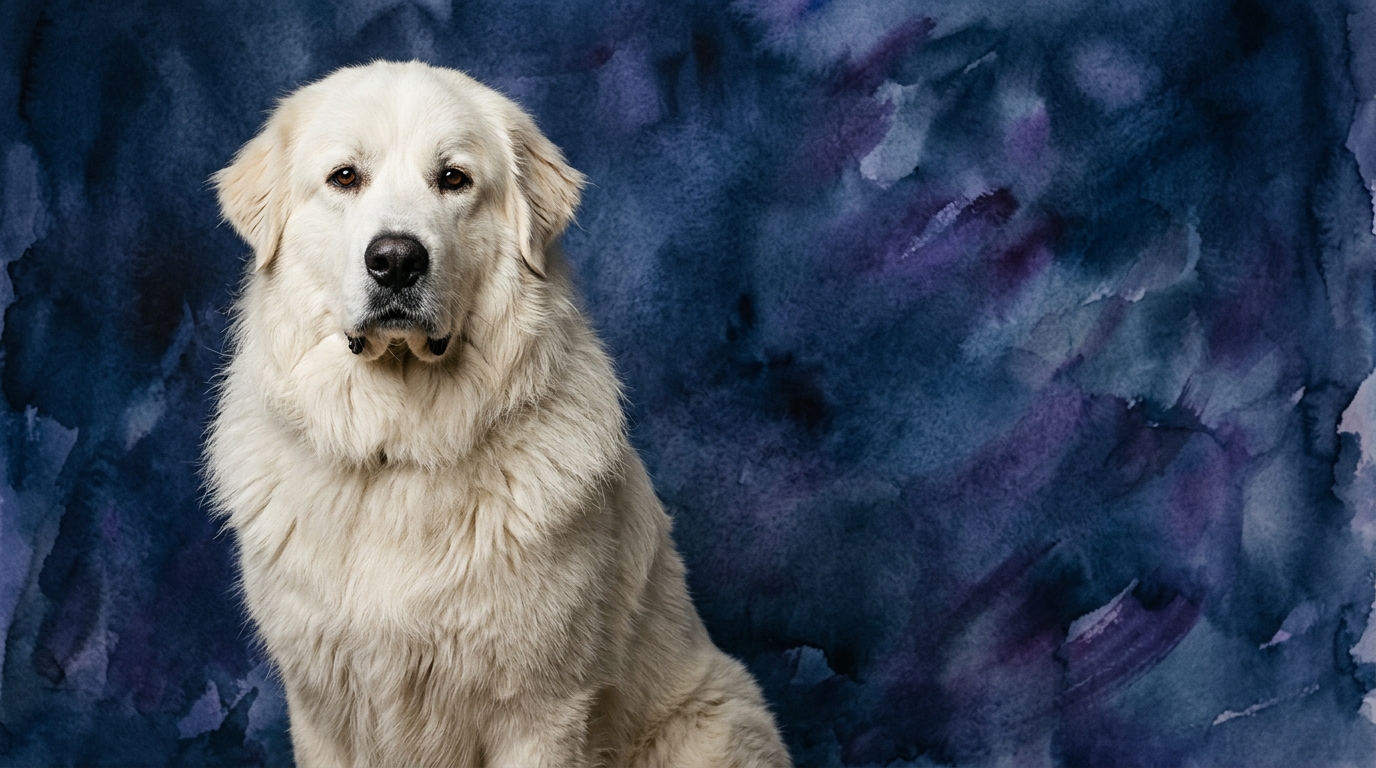
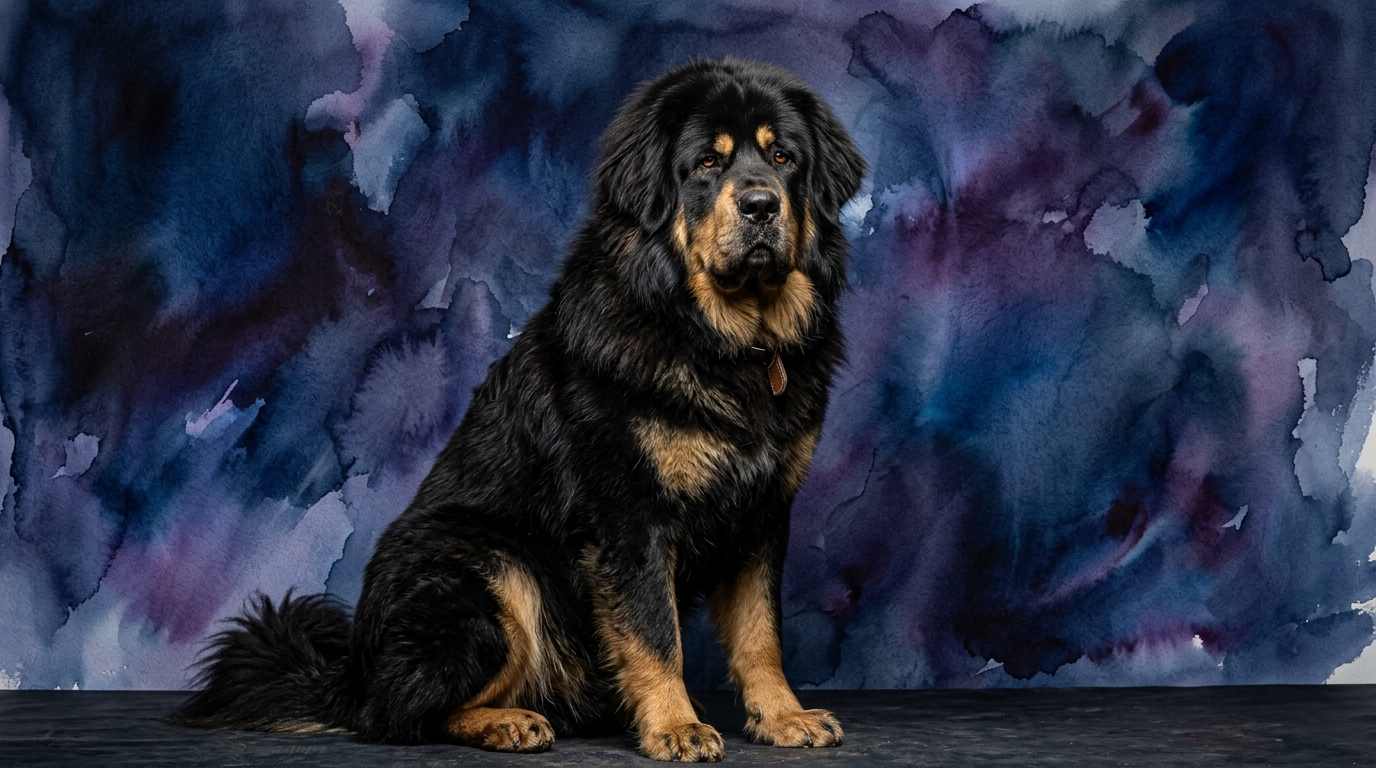
Side-by-Side IQ Profile: Great Pyrenees vs. Tibetan Mastiff
**Great Pyrenees (Coren Rank #64):** This breed's IQ profile reflects its heritage as a diligent livestock guardian. Their **Problem Solving (3/5)** is evident in their ability to independently assess threats and determine appropriate deterrence, often without direct human command. This isn't about complex puzzles, but practical, real-world application of their protective duties, such as strategically positioning themselves or using vocalizations to ward off danger. Their **Training Speed (3/5)** indicates they learn at a moderate pace, typically grasping new commands in 40-80 repetitions and obeying the first command around 30% of the time. This moderate speed is less about an inability to learn and more about their independent spirit, which prioritizes their own judgment. **Social Intelligence (3/5)** for a Pyrenees means a deep understanding of their family or 'flock,' displaying gentleness and patience with those they protect, while maintaining a watchful, reserved demeanor towards strangers. Their **Instinctive Drive (3/5)** is profoundly centered on guardianship, compelling them to protect their territory with vigilance and a resolute presence. Finally, their **Memory (3/5)** is robust, allowing them to recall territory boundaries, regular visitors, and established routines, which is crucial for consistent and effective guarding.
**Tibetan Mastiff (Not Coren-Ranked):** The Tibetan Mastiff's cognitive abilities are deeply rooted in its ancient role as a formidable guardian of flocks and villages, and while not Coren-ranked, their scores align with their profound guardian nature. Their **Problem Solving (3/5)** involves independently assessing and responding to threats, often with a direct and imposing approach, prioritizing the safety of their charges. They evaluate the scale of a threat and respond with a calculated display of power and presence. The **Training Speed (3/5)** reflects a moderate learning pace, but significantly, their profound independence means they often show less interest in repetitive drills or commands they deem unnecessary. Their lack of Coren ranking suggests a more pronounced challenge in traditional obedience compared to many breeds, requiring exceptional patience and leadership. The Tibetan Mastiff's **Social Intelligence (3/5)** is highly selective; they form deep bonds with their immediate family, exhibiting intense loyalty, but are famously aloof and wary of strangers, discerning intentions with an unyielding protective bias. Their **Instinctive Drive (3/5)** is arguably one of the strongest among all breeds, an ancient, primal need to guard that influences their territoriality and nocturnal vigilance. Their **Memory (3/5)** is excellent for their territory, family, and any perceived threats, contributing significantly to their long-term effectiveness as consistent guardians.
Where the Great Pyrenees Wins Cognitively
The Great Pyrenees often demonstrates a subtle cognitive advantage in adaptability within varied social dynamics, particularly once new individuals are introduced and accepted as non-threatening. Their social intelligence, while initially reserved with strangers, tends to exhibit a more nuanced discernment compared to the Tibetan Mastiff, allowing them to eventually tolerate or even accept new, carefully introduced members into their perceived 'flock.' This nuanced flexibility in social integration, rather than a perpetual standoffishness, can make them somewhat more amenable to a household with a carefully managed, broader circle of human interaction beyond the immediate family unit. Furthermore, their problem-solving, while always focused on guardianship, can lean towards more subtle deterrence strategies, such as intense staring or strategic positioning, before escalating to more overt displays, suggesting a cognitive preference for de-escalation where possible and a more measured approach to perceived threats.
Where the Tibetan Mastiff Wins Cognitively
The Tibetan Mastiff excels in the sheer intensity and unwavering nature of its protective problem-solving and instinctive drive. Their cognitive approach to guarding is often more direct and formidable; once they identify a threat, their resolve is absolute, and their presence alone can be an incredibly potent deterrent. This breed's ancient lineage as a village and flock guardian has honed a cognitive framework that prioritizes an imposing, unyielding defense, making them exceptionally effective at discouraging intruders through sheer force of presence and a clear, unmistakable declaration of territory. Their social intelligence, while highly selective, leads to an unparalleled depth of loyalty and an almost primal understanding of their family's safety, which they will defend with singular focus. This steadfastness, an almost unshakeable conviction in their role, is a cognitive strength that sets them apart, making them formidable protectors.
Which is Easier to Train and Why
Neither the Great Pyrenees nor the Tibetan Mastiff are considered 'easy' to train in the traditional sense, primarily due to their strong independent thinking and deeply ingrained guardian instincts. However, the Great Pyrenees, with its Coren ranking of #64, suggests a slightly more responsive disposition to human direction compared to the unranked Tibetan Mastiff. Pyrs tend to grasp new commands with moderate repetition (40-80 times) and obey the first command at least 30% of the time, indicating a willingness to engage with human instruction, even if their independent thought often overrides immediate compliance. Their gentle nature can make them more amenable to positive reinforcement techniques, responding well to praise and food rewards when the training objective is clear and consistent, provided it aligns with their perceived role.
In contrast, the Tibetan Mastiff's profound independence and ancient, often aloof temperament mean they are less inclined to perform tasks simply to please. Their training speed and obedience are often dictated by whether they perceive the command as logical, necessary, or beneficial within their own guardian framework. They require an owner with exceptional patience, a deep understanding of their unique psychology, and the ability to establish clear, consistent leadership without resorting to harsh methods, which they will strongly resist. Their formidable physical presence and strong will mean that training challenges, while similar in nature to the Pyrenees, can be amplified in a Tibetan Mastiff, demanding a more experienced and resolute handler who can motivate through respect rather than coercion.
Which Suits Active Owners vs. Relaxed Owners
Neither breed typically suits 'active' owners seeking a jogging or agility partner, as both are large, powerful dogs bred for endurance in their guardian roles rather than high-speed athletic pursuits. Their energy levels are generally moderate, preferring to survey their territory over intense bursts of activity. However, the interpretation of 'active' and 'relaxed' ownership needs careful consideration when discussing these breeds.
For 'relaxed' owners who appreciate a calm, watchful presence and understand the commitment to managing a large, independent guardian, the Great Pyrenees might be a slightly more forgiving choice. Their exercise needs are moderate; daily walks and secure outdoor access are generally sufficient. They enjoy lounging and observing their territory, making them suitable for owners who prefer a less demanding exercise routine but are prepared for consistent training and socialization to manage their guardian instincts and potential for nuisance barking. Their gentle nature within the family often aligns well with a relaxed home environment, provided their protective tendencies are managed effectively.
The Tibetan Mastiff, while also not a high-energy breed in the traditional sense, demands a very specific type of 'relaxed' owner – one who is incredibly experienced, patient, and prepared for a dog with a profoundly independent and often dominant personality. Their exercise needs are similar to the Pyrenees, focusing on secure outdoor space and regular walks, but their mental stimulation needs are higher in terms of managing their strong will and ensuring appropriate socialization and boundary setting. They are not suited for owners seeking a 'go-with-the-flow' companion; their formidable presence and intense territorial nature require constant, thoughtful management and a deeply committed owner. They are best for owners who are 'relaxed' in their daily pace but 'active' in their commitment to consistent leadership and dedicated management of a powerful, ancient breed.
The Verdict
Opt for a Great Pyrenees if you seek a gentle, patient guardian with a strong protective instinct who can integrate into a family setting with thoughtful management and consistent, positive training. Their slightly more adaptable social intelligence and moderate biddability, relative to the Tibetan Mastiff, make them suitable for committed owners who appreciate a vigilant yet generally calm companion.
Select a Tibetan Mastiff if you are an exceptionally experienced dog owner prepared for an intensely independent, highly territorial, and profoundly loyal guardian whose ancient instincts demand unwavering leadership and a deep understanding of their unique, often aloof, temperament. Their formidable presence and singular focus on protection require an owner dedicated to managing a powerful breed with an unshakeable will.
🧠 Find Your Pet's IQ Score
Our Pet IQ Lab assessment covers 25+ tests across 5 cognitive dimensions — personalized to your breed.
Take the Full IQ Test →Frequently Asked Questions
Are Great Pyrenees or Tibetan Mastiffs good with children?
Both breeds can be good with children within their own family, often showing patience and protectiveness. However, due to their size, strength, and guardian instincts, supervision is always essential, especially with the Tibetan Mastiff's more reserved nature towards outsiders. Proper socialization from a young age is crucial for both breeds to ensure they distinguish between playful interactions and perceived threats.
Do Great Pyrenees or Tibetan Mastiffs bark a lot?
Yes, both breeds are prone to barking, particularly the Great Pyrenees, as it's a primary method of deterring threats in their guardian role. Tibetan Mastiffs also bark to alert and guard, often with a deep, resonant sound. Owners must be prepared to manage barking through training and environmental management, as it's an inherent part of their protective nature.
Which breed is more suitable for first-time dog owners?
Neither breed is generally recommended for first-time dog owners due to their significant size, strength, independent temperaments, and strong guardian instincts. Both require experienced owners who understand guardian breeds, are committed to consistent training and socialization, and can provide firm, patient leadership. The Great Pyrenees might be marginally more forgiving for an owner with some prior large-breed experience, but neither is an entry-level dog.