Side-by-Side Cognitive Profiles
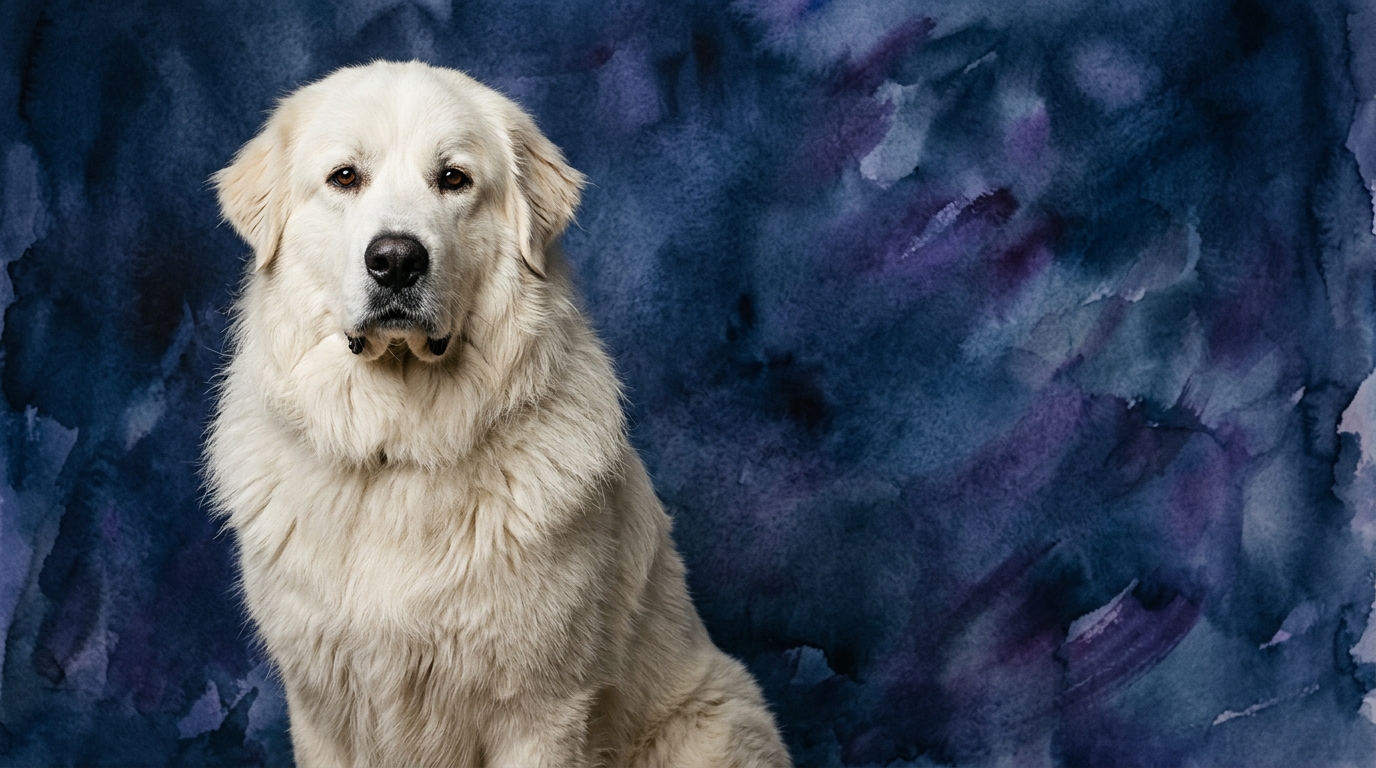
The Great Pyrenees, a Working breed ranked #64 by Coren, demonstrates a functional and purpose-driven cognitive profile. Their Problem Solving at 3/5 manifests in their ability to autonomously assess and mitigate threats to their flock or family, often making independent decisions without immediate human direction, crucial for a guardian operating in vast spaces. Training Speed also sits at 3/5, indicating they can learn commands and routines, but their deep-seated independence means they process requests through the lens of their guarding duty rather than eager compliance. Social Intelligence, at 3/5, is geared towards understanding the dynamics of their charges and their human handlers within a protective context, often leading to a reserved demeanor with strangers. Their Instinctive Drive, a robust 3/5, is undeniably focused on protection and territoriality, a cornerstone of their existence. Finally, Memory at 3/5 allows them to recall past threats, established boundaries, and the individuals they are tasked to oversee, contributing to their consistent vigilance.
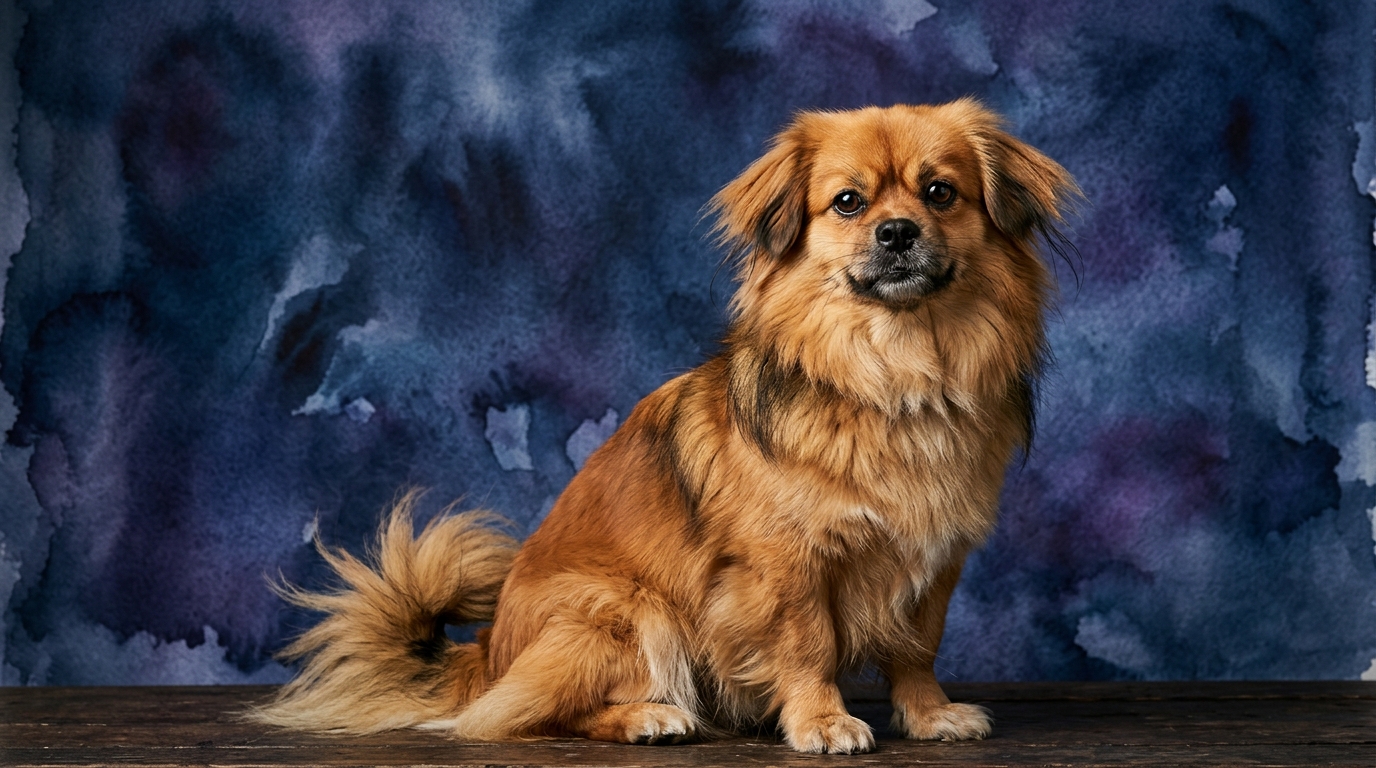
The Tibetan Spaniel, a Non-Sporting breed without a Coren rank, presents a cognitive makeup equally rated at 3/5 across the board, yet applied to a vastly different lifestyle. Their Problem Solving at 3/5 shines in navigating complex domestic environments, figuring out how to gain a prime vantage point or solicit attention from their human companions, demonstrating a clever adaptability to household dynamics. Their Training Speed, also 3/5, means they acquire new behaviors at a steady pace, though their opinionated nature and independent spirit can sometimes make them seem selectively attentive if not properly motivated. Social Intelligence, at 3/5, is finely tuned to human emotional states and social cues within the family unit, making them adept at forming strong bonds and communicating their needs effectively. The Instinctive Drive of 3/5 is primarily expressed through their historical role as companion-watchdogs, leading to an alert nature, a desire for elevated perches, and a deep attachment to their family. Their Memory, rated 3/5, allows them to retain household routines, preferred comfort spots, and the nuances of their family's daily life, contributing to their seamless integration into a companion role.
Where the Great Pyrenees Excels Cognitively
The Great Pyrenees' cognitive strengths are deeply rooted in their heritage as autonomous guardians. They demonstrate a superior capacity for independent decision-making in the absence of direct human instruction, a critical trait for a dog entrusted with livestock protection in remote areas. Their problem-solving abilities are particularly acute when assessing environmental threats, distinguishing between harmless elements and genuine dangers, and strategically positioning themselves to deter predators. This breed exhibits a sustained vigilance and an unwavering commitment to their protective duties, utilizing their memory and instinctive drive to maintain constant awareness of their surroundings and the well-being of their charges. Their cognitive architecture is built for self-reliance and steadfast dedication to a defined role.
Where the Tibetan Spaniel Excels Cognitively
The Tibetan Spaniel's cognitive advantages are most apparent in their nuanced social engagement within a domestic setting. They possess a refined ability to interpret subtle human gestures, vocal tones, and emotional shifts, allowing them to adapt their behavior to maintain harmony and affection within their family. Their problem-solving skills often manifest in charming ways, such as devising strategies to secure a favorite lap spot or initiating play to engage their human companions. This breed's social intelligence enables them to navigate complex household dynamics with remarkable grace, often acting as sensitive barometers of the family's mood. They excel at forging deep, reciprocal bonds and integrating seamlessly into varied home environments, making them astute and adaptable companions.
Training Dynamics: Great Pyrenees vs. Tibetan Spaniel
When considering ease of training, the Great Pyrenees presents a unique challenge due to their strong independent streak, a direct consequence of their historical role requiring autonomous judgment rather than strict obedience. While their Training Speed is 3/5, meaning they are capable of learning, their motivation is often tied to their perceived purpose. Training a Pyrenees demands immense patience, consistency, and an understanding of their inherent desire to protect. They respond best to positive reinforcement and clear, calm communication, but expecting immediate, robotic compliance is unrealistic; they often ponder a command before acting, weighing its relevance to their internal compass. Their behavioral differences stem from being bred to think for themselves in a guarding capacity, not to be a highly responsive obedience champion.
The Tibetan Spaniel, also rated 3/5 for Training Speed, can be a more amenable student for general household manners, but not without their own quirks. Their desire for companionship and attention can be a strong motivator, making them responsive to training that involves their human. However, their cleverness and opinionated nature mean they can easily become bored or find more interesting things to do if training isn't engaging or rewarding enough. They are observant and can learn quickly, but their independent spirit means they may choose when to apply what they've learned, often prioritizing comfort or personal preference. Their watchdog instincts can also lead to alert barking that requires specific, consistent training to manage, showcasing their distinct behavioral patterns compared to a working guardian.
Lifestyle Match: Active vs. Relaxed Owners
For owners with an active lifestyle that involves extensive outdoor adventures like long-distance running or competitive dog sports, neither breed might be the primary choice, but their needs diverge significantly. The Great Pyrenees, while requiring space and consistent opportunities to patrol a territory, is not a high-energy dog in the traditional sense. They are suited for owners who are 'relaxed but vigilant,' meaning they appreciate a calm, independent presence and can provide a large, secure yard or property where the dog can fulfill its inherent desire to oversee. They thrive with owners who understand and respect their guardian instincts and are content with a dog whose 'activity' often involves quiet observation and periodic patrols, rather than constant engagement in strenuous exercise.
The Tibetan Spaniel, on the other hand, is highly adaptable to various owner activity levels. While they enjoy moderate daily walks and playtime, they are equally content to be a relaxed companion, snuggled on a couch or observing the world from a high perch. They suit owners who appreciate a smaller, alert companion that doesn't demand extensive physical exertion but thrives on mental stimulation, consistent attention, and a close bond. They can adapt well to apartment living with sufficient daily outings, making them a good fit for both moderately active individuals and more relaxed owners who prioritize companionship and indoor comfort over intense outdoor activities.
The Verdict
Choose the Great Pyrenees if you possess ample space, seek a dedicated, independent guardian, and are prepared for a dog whose primary cognitive drive is protection and autonomous decision-making. This breed thrives with patient guidance and a clear purpose, offering a calm yet formidable presence.
Opt for the Tibetan Spaniel if you desire an alert, charming, and opinionated companion who excels at social interaction within a close family unit. This breed fits well into various home environments, flourishing with consistent attention and a clear, loving social structure.
🧠 Find Your Pet's IQ Score
Our Pet IQ Lab assessment covers 25+ tests across 5 cognitive dimensions — personalized to your breed.
Take the Full IQ Test →Frequently Asked Questions
Do Great Pyrenees learn commands quickly?
Great Pyrenees have a Training Speed of 3/5, indicating they can learn commands, but their independent nature means they process requests through their own judgment. Learning is steady but requires patience, consistency, and understanding their protective motivation rather than expecting instant compliance.
Are Tibetan Spaniels good at problem-solving?
Tibetan Spaniels score 3/5 in Problem Solving, demonstrating cleverness in navigating domestic situations, such as finding the best vantage points or charming their way into a favorite lap. Their problem-solving is geared more towards adapting to their home environment and social dynamics.
Which breed is better for first-time dog owners?
Neither breed is typically recommended for inexperienced owners without thorough research, but the Tibetan Spaniel might be slightly more manageable due to its smaller size and adaptability to various home environments. The Great Pyrenees' strong independent and guarding instincts require specific handling and a dedicated owner experienced with working breeds.