A Side-by-Side Look at Their Cognitive Profiles
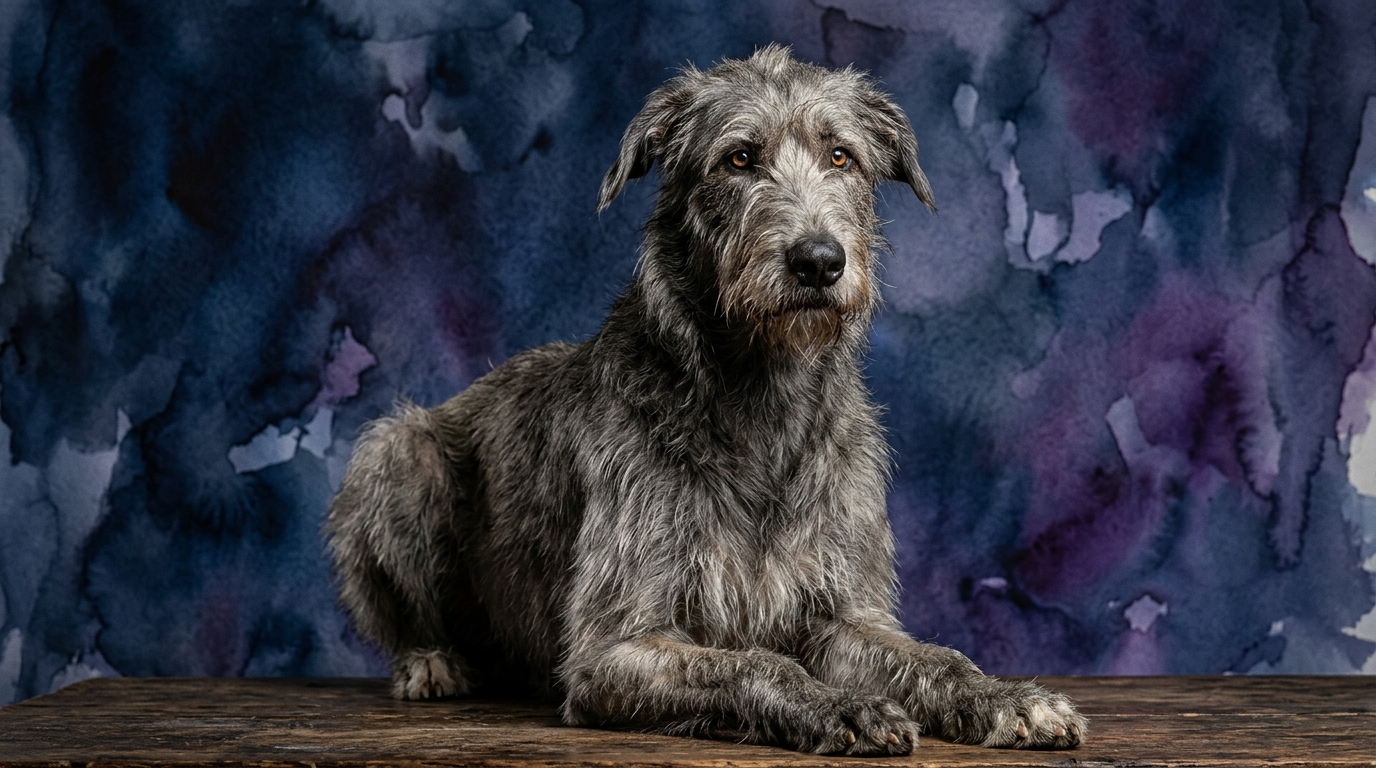
The Cosmic Pet Pet IQ Lab assesses canine intelligence across five key dimensions, and both the Irish Wolfhound and the Miniature Pinscher surprisingly land with identical scores of 3 out of 5 in every category. This parity in scores does not, however, imply identical cognitive functioning; rather, it suggests a medium level of capacity that expresses itself differently through their breed-specific lenses. For the Irish Wolfhound, a problem-solving score of 3/5 indicates they can navigate complex situations, such as finding a comfortable resting spot in a crowded room or understanding the nuances of a long-distance scent trail, relying on thoughtful observation rather than quick reactions. Their training speed at 3/5 means they are capable of learning new commands and routines, though their independent sighthound nature may mean compliance is a matter of choice once the novelty wears off. Social intelligence at 3/5 reflects their generally calm and observant demeanor, allowing them to read human emotions and household dynamics with a gentle understanding, though they might be reserved with strangers. An instinctive drive of 3/5 points to their historical role as large game hunters, manifesting as a focused chase response to fast-moving, distant objects. Finally, their memory, also at 3/5, allows them to retain learned behaviors and recognize individuals over time, contributing to their steady companionship.
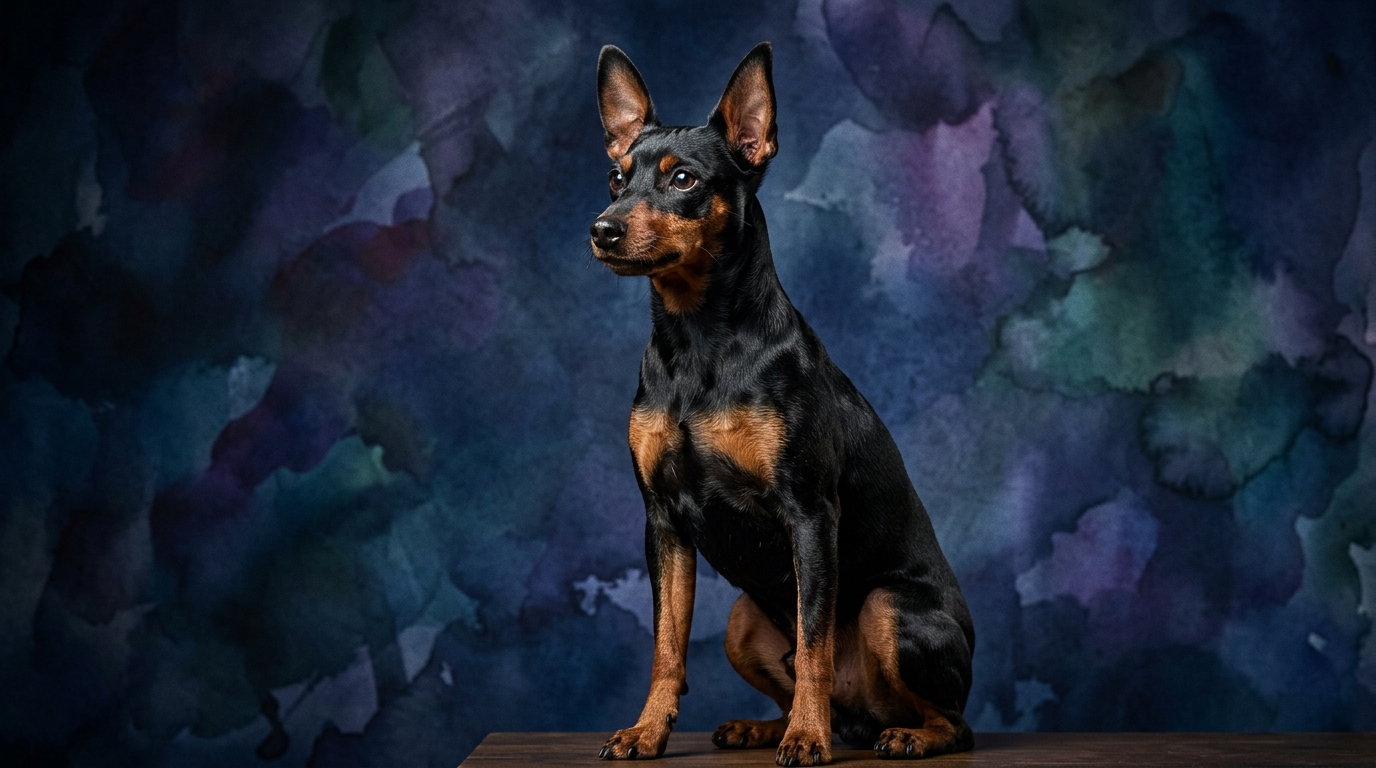
The Miniature Pinscher, with the same 3/5 scores across the board, interprets these capacities through a very different physical and historical context. Their problem-solving at 3/5 is often expressed in navigating their immediate environment with ingenuity, such as figuring out how to reach a countertop treat or outsmarting a perceived threat in their territory, often with a tenacious, trial-and-error approach. A training speed of 3/5 suggests they can pick up commands, but their spirited and often stubborn personality can make consistent execution a challenge; they learn quickly but might prioritize their own agenda. Social intelligence at 3/5 means they are acutely aware of their human companions, often demanding attention and reacting strongly to perceived social slights or changes in routine, acting as vigilant protectors of their chosen family. Their instinctive drive, also 3/5, is geared towards small vermin, leading to a high alert level and a propensity to chase anything small and fast-moving, reflecting their 'King of Toys' heritage. Their memory at 3/5 ensures they recall commands and experiences, but their independent streak means they may appear to 'forget' when their motivation wanes, a reflection of their strong character rather than a true cognitive deficit.
Where the Irish Wolfhound Excels Cognitively
While their raw scores are identical, the Irish Wolfhound's cognitive strengths often manifest in areas requiring a calm, deliberate approach and an understanding of larger spatial relationships. Their problem-solving, rated 3/5, shines when it involves complex environmental navigation or sustained focus on a distant objective. For instance, an Irish Wolfhound might demonstrate superior capacity in patiently tracking a scent over varied terrain for an extended period, or in gracefully maneuvering their large frame through a tight space without causing disruption, a spatial awareness that requires thoughtful planning. Their social intelligence, also 3/5, is marked by a profound, quiet sensitivity; they often observe and absorb the emotional atmosphere of a home, offering comfort through their serene presence rather than overt displays. They might demonstrate a nuanced understanding of social cues, discerning a subtle change in a human's mood and responding with a gentle lean or a soft gaze, showcasing a contemplative form of social awareness specific to their dignified nature.
Where the Miniature Pinscher Shows Its Cognitive Edge
The Miniature Pinscher's cognitive advantages, despite the matching 3/5 scores, typically involve quick reflexes, an acute sense of their immediate surroundings, and a bold assertiveness. Their problem-solving, while rated 3/5, frequently appears as a sharp, decisive action to achieve a goal, such as rapidly devising a way to snatch a dropped crumb or cleverly escaping a confined space, often through persistent, energetic attempts. This breed's social intelligence, also 3/5, is characterized by its intense focus on its chosen humans, often anticipating their movements and demands with an almost zealous dedication. They are adept at using their vocalizations and body language to communicate their desires or alert their family to perceived threats, demonstrating a proactive and highly responsive form of social engagement. Their instinctive drive, also 3/5, is a powerful force for vigilance and quick reaction, making them incredibly effective at spotting and reacting to small movements or sounds in their environment, a testament to their historical role as spirited ratters.
Training: Distinguishing the Independent from the Spirited
When it comes to training, the 3/5 training speed for both breeds belies significant differences in their approach and an owner's experience. An Irish Wolfhound, despite grasping commands, often processes information and decides whether to comply with a gentle independence. Their sighthound heritage means they can be easily distracted by a distant movement or scent that triggers their chase drive, requiring patience and consistent, positive reinforcement to maintain focus. They respond best to calm, respectful guidance and can become stubborn if training is harsh or overly repetitive. Their large size means early socialization and leash training are paramount, as an untrained Wolfhound can be a handful purely due to their physical presence.
The Miniature Pinscher, conversely, brings a spirited and often assertive personality to the training arena. While they learn quickly, their strong will and inherent 'big dog in a small body' mentality mean they may choose to ignore commands if they find something more interesting, such as a squirrel outside the window, or if they perceive a command as unnecessary. Their instinctive drive for small prey makes them highly distractible, and their tendency to bark at perceived threats requires diligent counter-conditioning. Training a Min Pin demands consistency, firm but fair leadership, and a good sense of humor, as they will test boundaries with boundless energy and clever antics. Their desire to be the center of attention can be leveraged, but their stubborn streak often requires more creative motivation than the Wolfhound's quiet compliance.
Matching Canine Cognition to Owner Lifestyles
Understanding these breeds' cognitive nuances is crucial for matching them with the right owner lifestyle. The Irish Wolfhound, with its thoughtful problem-solving and calm social intelligence, thrives with relaxed owners who appreciate quiet companionship and a dignified presence. While they need regular exercise, including opportunities for long, expansive walks or controlled sprints in a secure area to satisfy their instinctive drive, their daily energy expenditure is often moderate, punctuated by long periods of rest. They are best suited for owners who can provide a spacious home environment and are prepared for a dog that, while gentle, requires a patient hand in training due to its independent nature and potential for selective hearing when its sighthound instincts are triggered. Their social intelligence makes them sensitive family members who enjoy being included but do not constantly demand attention.
The Miniature Pinscher, with its energetic problem-solving and assertive social intelligence, is better suited for active owners who relish a spirited companion that is always 'on.' These dogs require consistent mental stimulation and physical activity to prevent boredom and destructive behaviors. Daily walks, puzzle toys, and engaging training sessions are essential to channel their high instinctive drive and keen alertness. Owners who enjoy teaching tricks, participating in dog sports like agility, or simply having a lively, vocal companion will find the Min Pin a rewarding match. Their demanding social nature means they thrive on interaction and being a central part of family activities, making them less suitable for owners seeking a more independent, low-maintenance canine presence. They need owners who can provide strong leadership and consistent boundaries to manage their tenacious personality.
The Verdict
Choose an Irish Wolfhound if you seek a calm, thoughtful companion who will bring a gentle dignity to your home and appreciate a relaxed, yet expansive, lifestyle.
Opt for a Miniature Pinscher if you desire an energetic, alert, and spirited partner who thrives on consistent engagement and a vibrant, active household.
🧠 Find Your Pet's IQ Score
Our Pet IQ Lab assessment covers 25+ tests across 5 cognitive dimensions — personalized to your breed.
Take the Full IQ Test →Frequently Asked Questions
Do Irish Wolfhounds and Miniature Pinschers have similar intelligence levels?
According to The Cosmic Pet Pet IQ Lab, both breeds score 3 out of 5 across all five intelligence dimensions, suggesting a medium capacity. However, how this intelligence manifests differs significantly due to their distinct physical traits and historical roles, leading to unique cognitive expressions.
Which breed is easier to train, considering their identical training speed scores?
Despite both having a 3/5 training speed, the Miniature Pinscher can be more challenging due to its stubborn, spirited nature and high distractibility from small prey. The Irish Wolfhound, while independent, responds well to calm, consistent positive reinforcement, though its sighthound drive can lead to selective hearing.
How does their social intelligence differ with the same 3/5 score?
The Irish Wolfhound's 3/5 social intelligence is characterized by quiet observation and gentle sensitivity, offering comfort through presence. The Miniature Pinscher's 3/5 social intelligence is more assertive and demanding, focusing intensely on its humans and actively communicating its needs and alerts.