Side-by-Side Pet IQ Profile: Decoding Similar Scores
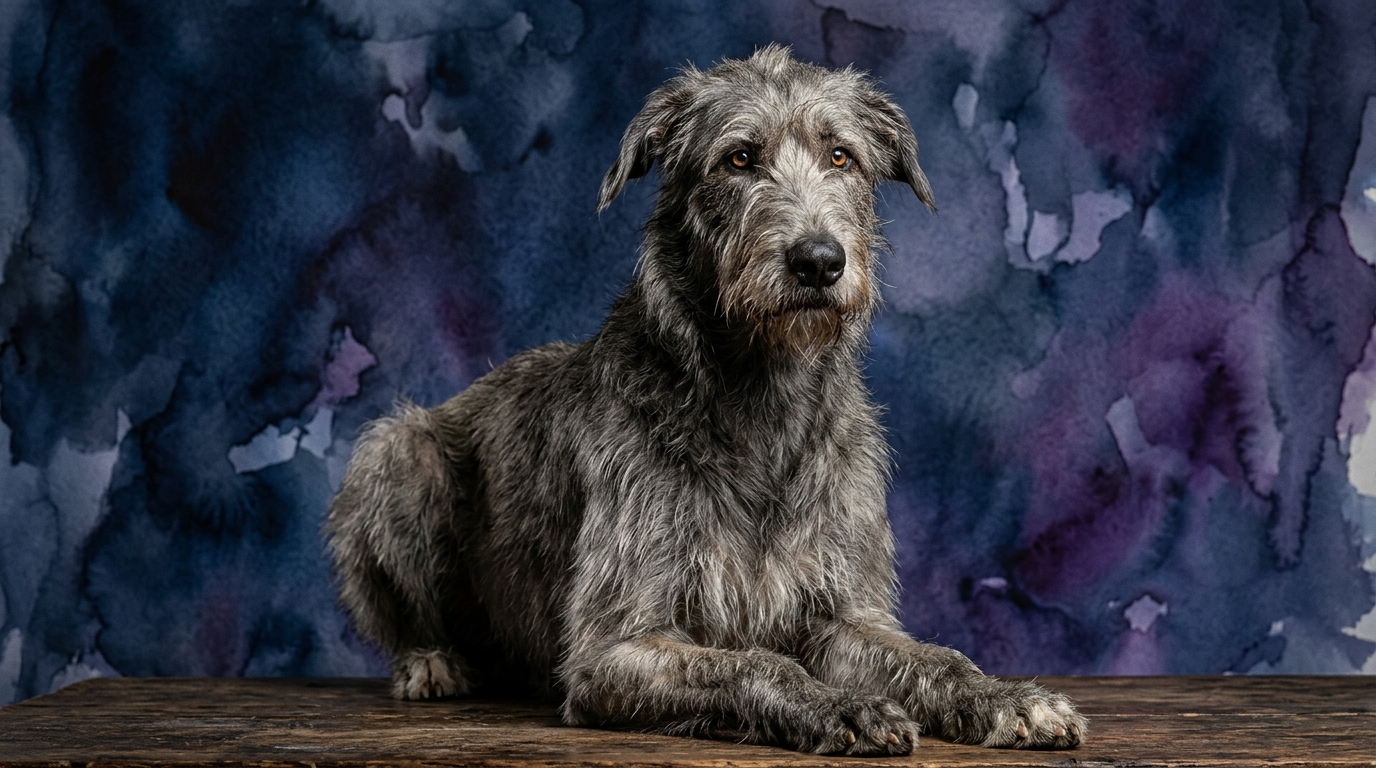
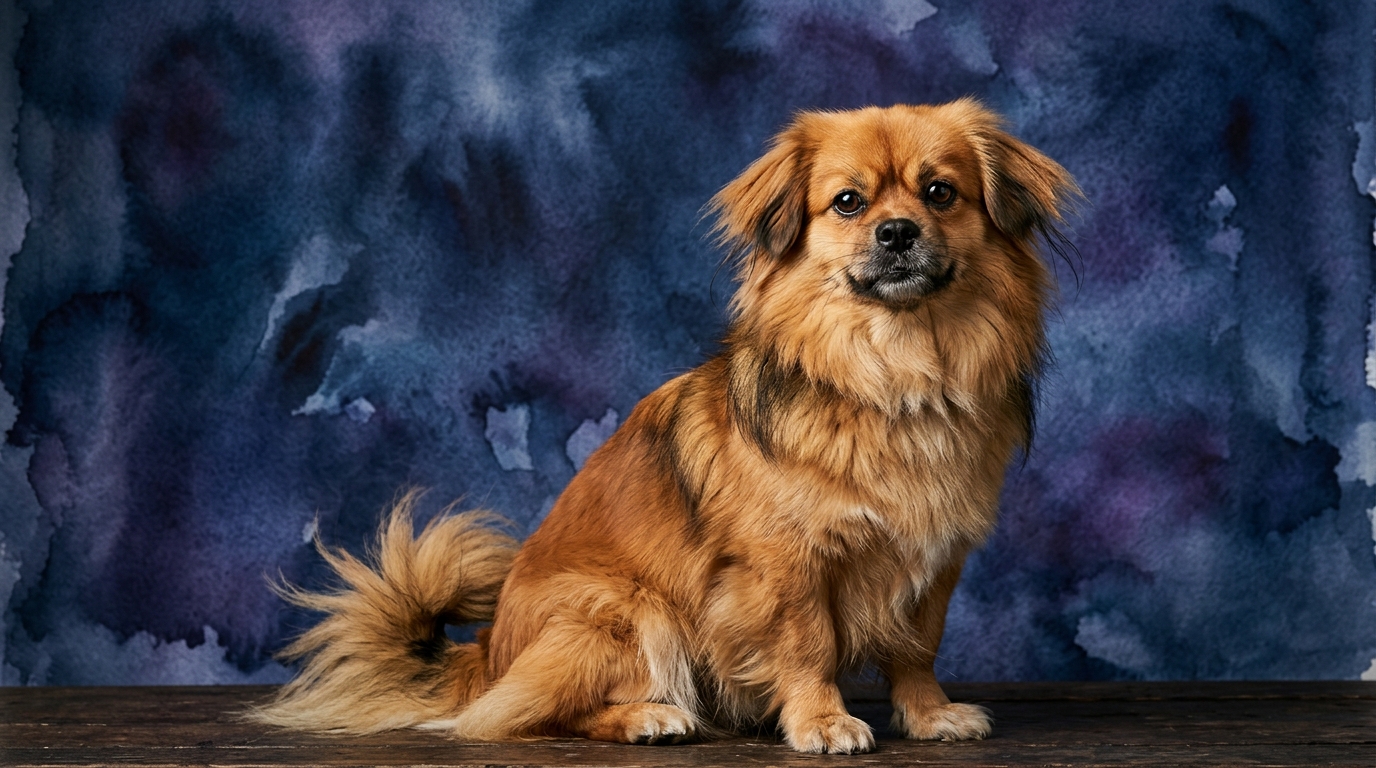
At first glance, the Pet IQ Lab scores for both the Irish Wolfhound and the Tibetan Spaniel present a uniform picture: Problem Solving 3/5, Training Speed 3/5, Social Intelligence 3/5, Instinctive Drive 3/5, and Memory 3/5. However, these identical metrics belie significant differences in how each breed approaches the world, shaped by centuries of distinct historical roles and physical attributes. The Irish Wolfhound, a giant sighthound, historically pursued large game, requiring independent decision-making and stamina, while the Tibetan Spaniel, a small companion and watchdog from monasteries, relied on keen observation and close human bonds.
For the Irish Wolfhound, a 3/5 in Problem Solving often translates to an ability to independently navigate complex environments, such as tracking a scent or assessing a landscape, rather than solving intricate puzzles for human amusement. Their Training Speed at 3/5 reflects a capacity to learn commands, but often with a thoughtful, somewhat independent approach that requires patience and consistency, rather than immediate, eager compliance. Social Intelligence at 3/5 means they are generally calm and discerning with their family, often forming deep, quiet bonds, yet they may not display the overt people-pleasing behaviors of some other breeds. Their Instinctive Drive, also 3/5, is rooted in a powerful prey drive and protective nature, particularly towards their human family, reflecting their guardian origins. Finally, a Memory score of 3/5 indicates they retain learned commands and routines effectively, but may not be overly reliant on rote memorization, rather applying knowledge as situations demand.
The Tibetan Spaniel’s 3/5 in Problem Solving manifests differently, often in their resourcefulness within a home environment, figuring out how to get attention, or navigating household dynamics to their advantage. Their Training Speed, also 3/5, reflects a capacity to learn but can be punctuated by a stubborn streak typical of independent companion breeds, requiring engaging and positive reinforcement methods. Social Intelligence at 3/5 for the Tibetan Spaniel means they are highly attuned to their family's moods and routines, often serving as excellent watchdogs who understand subtle cues and react accordingly. Their Instinctive Drive, again 3/5, is strongly tied to their historical role as companion and alert-dog, expressed through watchfulness, barking at strangers, and a desire to be near their people. A Memory score of 3/5 means they remember household rules, specific people, and past experiences well, using this recall to inform their social interactions and daily routines.
Where the Irish Wolfhound Excels Cognitively
The Irish Wolfhound's cognitive strengths truly shine in scenarios demanding independent judgment, environmental awareness, and a calm, deliberate approach. Their 3/5 in Problem Solving, while not top-tier, means they are adept at making calculated decisions without constant human direction, a trait honed from their sighthound heritage where they needed to make split-second choices during a hunt. This isn't about solving complex logic puzzles, but rather assessing a situation—like navigating varied terrain or understanding the boundaries of their territory—and acting decisively. Their memory, also a 3/5, is particularly effective for spatial recall and understanding patterns in their environment, allowing them to confidently explore and remember safe paths or previous encounters. This combination makes them particularly good at tasks requiring sustained focus and self-reliance in open spaces, rather than intricate obedience drills.
Where the Tibetan Spaniel Wins Cognitively
In contrast, the Tibetan Spaniel's cognitive advantages lie in their acute social perception and adaptability within a domestic setting. Their 3/5 in Social Intelligence is expressed through an uncanny ability to read human emotions and household dynamics, often anticipating needs or reacting to subtle changes in mood. This makes them exceptional companions who can offer comfort or alert their owners with remarkable accuracy. Their Problem Solving at 3/5 often manifests as cleverness in navigating their social world, figuring out how to get a treat, manipulate a toy, or gain a favored spot on the sofa. Their instinctive drive, equally 3/5, is highly geared towards vigilant watchfulness and territorial awareness, making them superb natural alarm systems. They remember who belongs and who doesn't, quickly learning the rhythms and nuances of their home.
Which is Easier to Train and Why?
Despite both breeds scoring 3/5 in Training Speed, their ease of training presents different challenges and rewards. The Irish Wolfhound, with its independent sighthound nature, often requires a patient, consistent, and positive reinforcement approach. Their size means early and effective leash training is crucial, but their thoughtful disposition can sometimes lead to what appears as stubbornness if they don't see the immediate value in a command. They respond best to trainers who understand their calm, sometimes aloof demeanor and can motivate them through fair, engaging methods, rather than forceful ones. Their training isn't about lightning-fast responses, but about building a solid, respectful partnership over time, ensuring they understand the 'why' behind the command.
The Tibetan Spaniel, while possessing a similar 3/5 Training Speed, can be both a joy and a challenge. Their desire to be close to their people and their social intelligence can make them eager to please, especially when the training is fun and rewarding. However, their independent and sometimes mischievous streak can lead to selective hearing or moments of willful disobedience if they aren't properly motivated. They excel with short, frequent, positive training sessions that leverage their problem-solving skills and desire for interaction. While they might learn quickly when motivated, their small size and sometimes stubborn nature mean consistent reinforcement is key to overcoming potential 'Tibbie-tude' and channeling their intelligence into desired behaviors, particularly around house-training and recall.
Which Suits Active Owners vs. Relaxed Owners?
For active owners seeking a canine partner for substantial outdoor adventures, the Irish Wolfhound is generally a more fitting choice. Despite their calm indoor demeanor, they are large dogs built for endurance and require significant daily exercise, including long walks, runs, or secure off-leash play in spacious areas. Their cognitive needs align with exploring new environments, engaging in scent work, or participating in activities that allow for independent decision-making and physical exertion. An owner who appreciates their majestic presence and can provide ample space and consistent engagement will find a deeply loyal, albeit sometimes quiet, companion.
Relaxed owners, or those with smaller living spaces, might find the Tibetan Spaniel a more suitable match. While they are active and playful and enjoy their daily walks and playtime, their exercise requirements are significantly less demanding than a Wolfhound's. Their cognitive strengths, rooted in social interaction and observation, mean they thrive on being part of family activities, whether it's cuddling on the couch, watching the world from a window perch, or engaging in interactive puzzle toys. They are adaptable companions who appreciate consistency and a close bond, making them excellent choices for those who prefer a more home-centric lifestyle but still want an alert and engaging presence.
The Verdict: Choosing Your Cognitive Companion
The Verdict
Choose the Irish Wolfhound if you seek a calm, independent giant for spacious living, valuing their thoughtful problem-solving in open environments and readiness for substantial daily exercise.
Opt for the Tibetan Spaniel if you desire a charming, socially perceptive companion for a more relaxed lifestyle, appreciating their cleverness within the home and vigilant watchfulness.
🧠 Find Your Pet's IQ Score
Our Pet IQ Lab assessment covers 25+ tests across 5 cognitive dimensions — personalized to your breed.
Take the Full IQ Test →Frequently Asked Questions
Do Irish Wolfhounds truly require a lot of space, given their calm nature?
Yes, despite their calm indoor presence, Irish Wolfhounds are giants built for activity. They need ample room to stretch, move, and enjoy outdoor exercise to maintain physical and mental well-being, making large yards or regular access to open spaces essential.
Are Tibetan Spaniels good with children and other pets?
Tibetan Spaniels can be good with children and other pets, especially if raised with them. Their social intelligence helps them adapt to household dynamics, but proper socialization and supervision are always recommended, particularly with very young children due to their small size.
How do their similar 'Instinctive Drive' scores manifest differently in daily life?
For the Irish Wolfhound, a 3/5 instinctive drive translates to a strong prey drive and protective instincts requiring secure areas. For the Tibetan Spaniel, it means a powerful watchdog instinct and territorial alertness, leading to vocal alerts at novel sights or sounds.