A Side-by-Side Look at Cognitive Profiles
The Cosmic Pet Pet IQ Lab employs five distinct dimensions to assess canine cognition: Problem Solving, Training Speed, Social Intelligence, Instinctive Drive, and Memory. A score of 3 out of 5 across all these metrics signifies a solid, capable cognitive foundation – these are not breeds that struggle with learning or adaptation, but rather possess a balanced intelligence that serves their historical roles and companionship needs effectively. Understanding how these consistent 3/5 scores translate into observable behaviors requires delving into each breed's unique heritage and temperament.
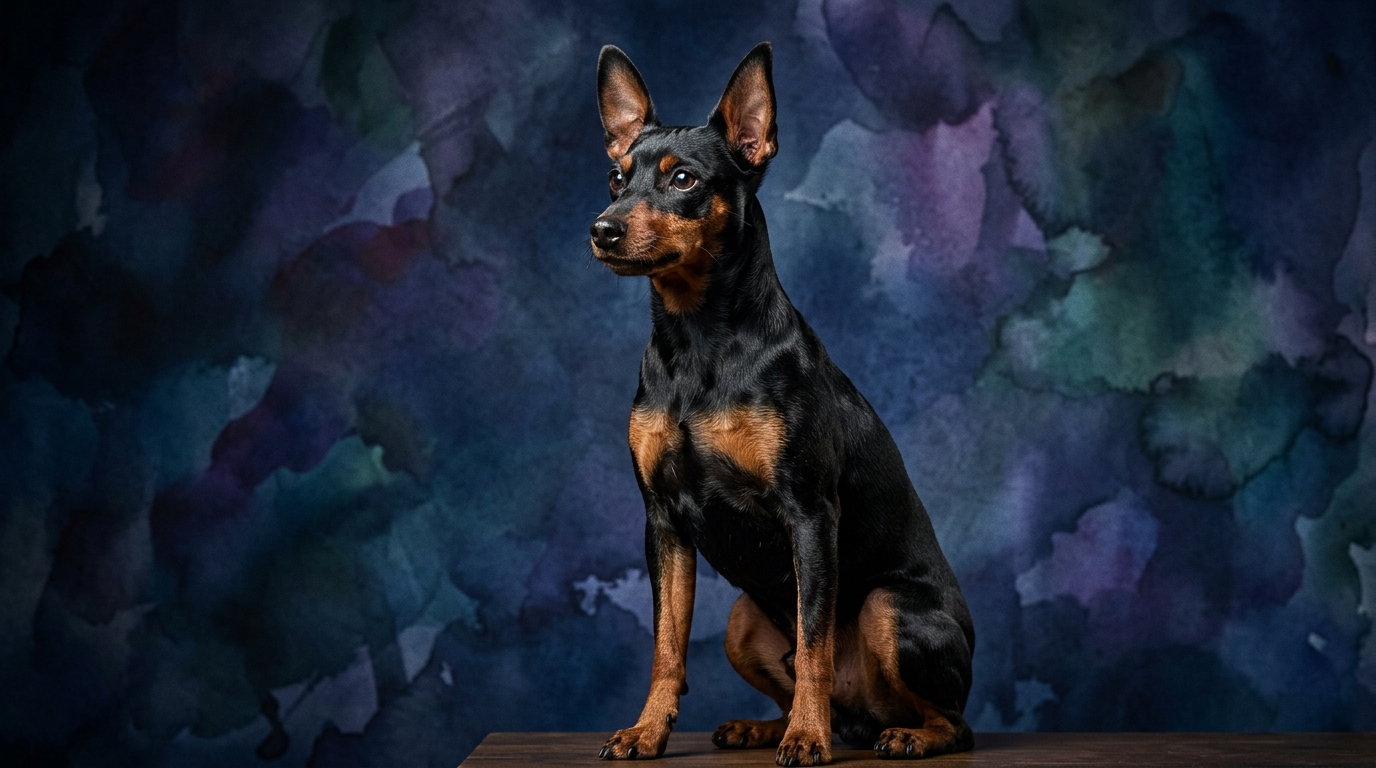
For the Miniature Pinscher, a 3/5 in Problem Solving often translates into resourceful behaviors like figuring out how to access forbidden areas or deftly navigating obstacles to retrieve a desired toy, driven by their inherent tenacity. Their Training Speed, also 3/5, means they learn new commands at a reasonable pace, though their independent spirit might require consistent motivation and engaging methods to maintain focus. A 3/5 in Social Intelligence is seen in their keen ability to read their owner's moods and establish clear boundaries, often with strangers or other dogs, requiring careful socialization. Their Instinctive Drive, rated 3/5, is strongly rooted in their historical role as ratters and watchdogs, manifesting as an alert nature, territoriality, and a noticeable prey drive. Finally, their Memory, also 3/5, ensures they retain learned behaviors and past experiences, both positive and negative, making consistency in training paramount.
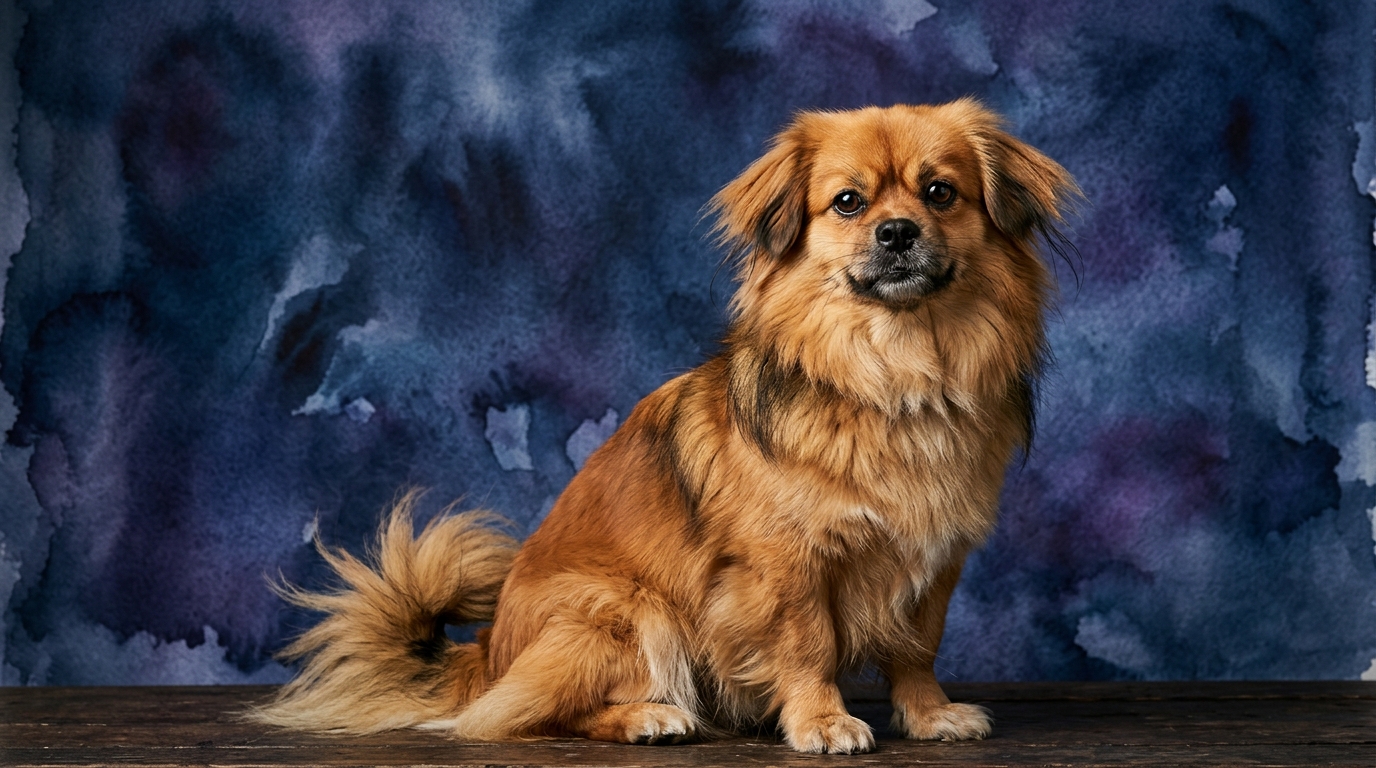
The Tibetan Spaniel's 3/5 Problem Solving score often presents as a clever resourcefulness in their environment, such as strategically positioning themselves for optimal warmth or attention, or subtly manipulating owners for treats. Their 3/5 Training Speed indicates they are receptive to learning, but often thrive with positive reinforcement and a "what's in it for me?" approach, as repetition can lead to boredom. Social Intelligence at 3/5 is a hallmark of the Tibbie, allowing them to form deep, intuitive bonds with their family while remaining reserved and discerning with outsiders, making them exceptional companions. Their Instinctive Drive, also 3/5, is primarily expressed as an alert and observant watchdog nature, stemming from their history of perching on monastery walls, rather than a strong prey drive. A 3/5 Memory ensures they recall routines, people, and past interactions, contributing to their loyal and predictable companionship within their trusted circle.
Where the Miniature Pinscher Exhibits Cognitive Strengths
While both breeds share similar cognitive scores, the Miniature Pinscher often "wins" in scenarios demanding direct, persistent engagement with their environment and a certain physical tenacity. Their 3/5 problem-solving, coupled with their strong 3/5 instinctive drive, means they are often more inclined to physically investigate and overcome challenges. This could manifest as a relentless pursuit of a squeaky toy hidden under furniture, or a determined effort to open a cupboard door they’ve learned might contain treats. This active, 'go-getter' approach to understanding and manipulating their surroundings is a hallmark of their cognitive expression.
Furthermore, their social intelligence (3/5) often manifests as a clear, assertive communication style. A Min Pin is adept at letting their human know exactly what they want or what they dislike, often through expressive body language or vocalizations. Their 3/5 memory means they quickly learn which specific actions or sounds elicit a desired response from their owners, effectively "training" their humans to meet their needs. This assertive clarity in interaction, combined with their quick, agile movements, gives them an edge in situations requiring decisive, self-directed action.
Where the Tibetan Spaniel Exhibits Cognitive Strengths
The Tibetan Spaniel's cognitive strengths, while equally rated 3/5, shine in different arenas, particularly in nuanced social observation and strategic comfort-seeking. Their 3/5 social intelligence allows for an exceptional ability to read subtle human cues and emotional states, making them incredibly empathetic and attuned companions. This isn't about assertive demands, but rather a quiet, perceptive understanding of their environment and the people within it. Their problem-solving (3/5) often involves optimizing their comfort and position – finding the sunniest spot, the highest perch, or the most opportune lap to settle upon, demonstrating a clever use of their surroundings for personal benefit.
Their instinctive drive (3/5) as watchdogs manifests less as a physical chase and more as an acute observational capacity, making them masters of their domain from a strategic vantage point. This observational intelligence, combined with their 3/5 memory, allows them to quickly identify familiar faces versus strangers, remembering who belongs and who doesn't. They process environmental information with a quiet intensity, often appearing to "take it all in" before making a move. This thoughtful, discerning approach to their world gives them an advantage in situations requiring patience, perception, and a gentle, yet effective, influence over their human companions.
Navigating Training: A Tale of Two Temperaments
Despite identical 3/5 scores in training speed, the actual experience of training a Miniature Pinscher versus a Tibetan Spaniel can feel quite different due to their underlying temperaments. The Min Pin's assertive nature and strong physical drive can sometimes be perceived as more challenging. Their independence means they might question the 'why' behind a command, and their keen instinctive drive, particularly prey drive, can make recall difficult in distracting environments. They often require a firm, consistent, and positive leadership style, with training sessions that are engaging and tap into their natural curiosity and desire for activity, otherwise, their focus can wane.
Tibetan Spaniels, while also possessing an independent streak, tend to be more agreeable when they clearly understand the benefit of cooperation. Their challenge often lies in their tendency to get bored quickly with repetitive drills and their selective hearing if something more interesting, such as a new scent or a potential visitor, captures their attention. They respond exceptionally well to reward-based training, particularly those involving treats or praise, and a patient approach that makes learning feel like a collaborative interaction rather than a strict obedience exercise. Their social intelligence helps them grasp the *intent* behind the training, even if their follow-through isn't always immediate or flawlessly precise.
Matching Cognitive Profiles to Lifestyles
For active owners seeking a dog with a spirited cognitive spark, the Miniature Pinscher often proves an excellent match. Their energetic manifestation of 3/5 problem-solving and instinctive drive means they thrive with consistent mental and physical stimulation. Owners who enjoy structured play, engaging in trick training, or even exploring introductory agility courses will find a willing and tenacious partner. Their quick movements and alert nature make them suitable for households that can provide ample opportunities to channel their considerable zest, appreciate clear leadership, and offer consistent routines to manage their assertive cognitive output.
Conversely, the Tibetan Spaniel's more observational and socially attuned cognitive style is well-suited for relaxed owners who appreciate a companion content with quiet companionship, yet still enjoys a good daily walk and mental engagement. Their 3/5 problem-solving often involves finding clever ways to be near their human or securing the best spot for a nap, and their social intelligence allows them to be a calming, intuitive presence. While they certainly need mental stimulation, it often comes through shared observational activities, figuring out how to get extra cuddles, or engaging in gentle puzzle toys, rather than high-octane pursuits. They are masters of contentment and subtle interaction.
The Verdict
Choose the Miniature Pinscher if you appreciate a tenacious, spirited companion eager for structured activities and a clear role, understanding that their cognitive drive expresses itself through determined action and vocal communication.
Opt for the Tibetan Spaniel if you desire a perceptive, sensitive companion who excels at reading your mood and enjoys a relaxed, observant lifestyle, understanding that their cognitive strengths lie in subtle social interactions and strategic comfort-seeking.
🧠 Find Your Pet's IQ Score
Our Pet IQ Lab assessment covers 25+ tests across 5 cognitive dimensions — personalized to your breed.
Take the Full IQ Test →Frequently Asked Questions
Do Miniature Pinschers or Tibetan Spaniels bark more?
Miniature Pinschers tend to be more vocal, often using barks to alert or express their opinions, driven by their watchdog instincts and assertive nature. Tibetan Spaniels also bark as watchdogs, but often in a more contained, alert-specific manner rather than continuous communication.
Are Miniature Pinschers or Tibetan Spaniels better with children?
Both can be good with respectful, older children, but Miniature Pinschers' assertive nature might be less tolerant of rough play, while Tibetan Spaniels, though reserved, are generally gentle and observant, preferring calm interactions. Proper socialization and supervision are crucial for both breeds.
Which breed is more independent?
Both breeds exhibit independence, with the Miniature Pinscher displaying it through a self-assured, sometimes stubborn streak in training and decision-making. The Tibetan Spaniel's independence often appears as selective hearing or a preference for observing from a distance before engaging, rather than outright defiance.