Side-by-Side Cognitive Profiles
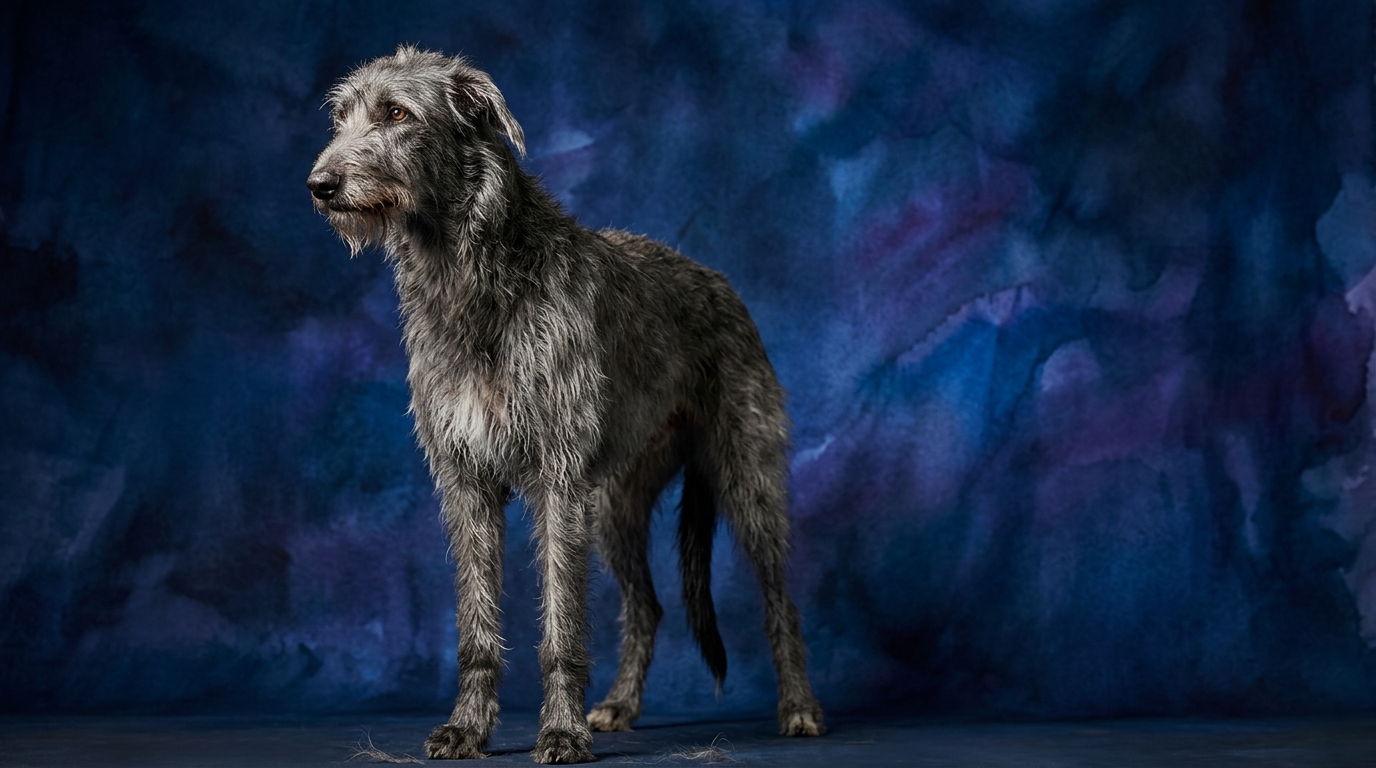
The Cosmic Pet Pet IQ Lab assigns both the Scottish Deerhound and the Tibetan Spaniel a consistent 3/5 rating across problem-solving, training speed, social intelligence, instinctive drive, and memory. However, these scores manifest distinctively for each breed, reflecting their evolutionary paths and purposes. For the Scottish Deerhound, a majestic sighthound, problem-solving often relates to navigating open terrain during a chase or strategically cornering prey, requiring independent thought and spatial awareness. Their training speed, while moderate, is influenced by their inherent independence and focus on visual stimuli, meaning they learn best when training aligns with their intrinsic drives rather than mere obedience. Social intelligence for a Deerhound typically means a gentle, reserved demeanor, discerning familiar faces from strangers, and interacting politely within their established social circle. Their instinctive drive is overwhelmingly tied to the chase, a powerful urge to pursue moving objects, which defines much of their mental processing and focus. Memory serves them well in recalling hunting grounds, routines, and the learned behaviors that support their sighthound function.
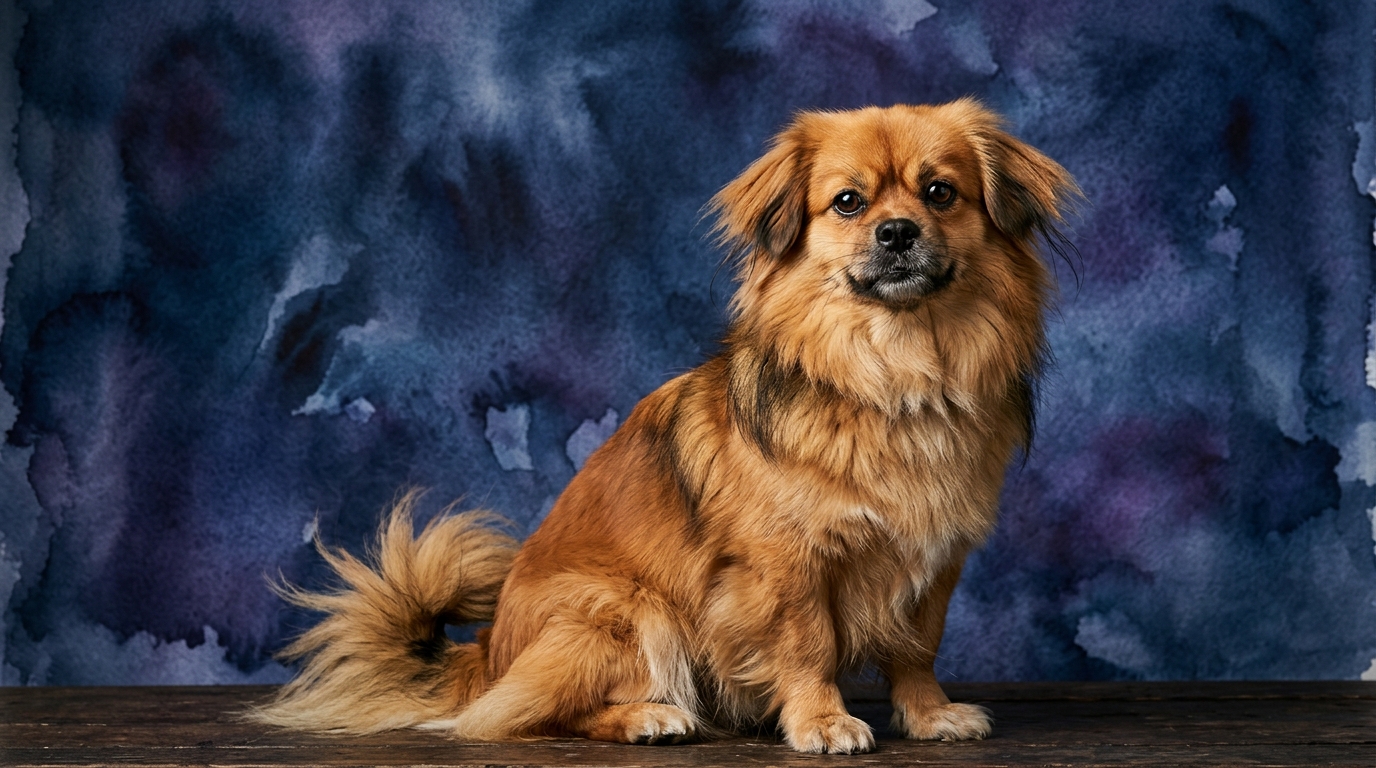
Conversely, the Tibetan Spaniel, a watchful companion dog, applies its problem-solving skills to more domestic challenges, such as figuring out how to gain a better vantage point, manipulate a toy, or communicate a desire to their human companions. Their training speed, also a 3/5, is tempered by a clever, somewhat independent nature; they learn quickly when motivated by reward or perceived benefit, but can be selective in their application of commands. Social intelligence in a Tibetan Spaniel is keenly developed for reading human emotions and anticipating household routines, making them excellent companions and alert watchdogs, though they can be aloof with outsiders. Their instinctive drive is rooted in vigilance, observation, and strong companionship, often expressed through alert barking and a desire to be physically close to their family. Memory is crucial for them to recall family members, daily schedules, and any perceived threats or changes in their environment, contributing to their effective watchdog capabilities.
Where the Scottish Deerhound Excels Cognitively
The Scottish Deerhound's cognitive strengths are deeply intertwined with its sighthound heritage, particularly its ability to process visual information over vast distances and react with incredible speed. Their problem-solving excels in scenarios demanding quick, independent decisions in pursuit, such as calculating the optimal path to intercept a moving target or navigating complex terrain without direct human instruction. This breed demonstrates a unique mental endurance during a chase, maintaining intense focus on a visual stimulus for extended periods, a cognitive feat distinct from many other breeds. Their memory is particularly adept at recalling the nuances of specific environments where they've hunted or run, allowing them to anticipate changes in landscape or potential obstacles. This specialized cognitive framework makes them unparalleled in tasks requiring sustained visual attention and physical strategy in open spaces.
Where the Tibetan Spaniel Excels Cognitively
The Tibetan Spaniel’s cognitive prowess shines brightest in its nuanced social intelligence and environmental awareness within a domestic setting. They possess an exceptional ability to read subtle human cues and moods, often anticipating their owners’ needs or intentions before they are explicitly expressed, making them highly intuitive companions. Their problem-solving is often geared towards optimizing their comfort or security, such as finding the warmest sunbeam, the highest perch to observe their surroundings, or devising clever ways to solicit attention or treats. This breed exhibits a remarkable memory for household routines, identifying specific sounds or events that signal changes in the day, and retaining a mental map of their territory, including who belongs and who does not. Their vigilance, driven by a strong instinctive drive to protect their family, translates into a keen cognitive awareness of their immediate environment, making them highly effective, albeit sometimes vocal, watchdogs.
Training: Independence vs. Vigilance
When considering trainability, neither the Scottish Deerhound nor the Tibetan Spaniel are breeds typically described as 'eager to please' in the traditional sense, both scoring a 3/5 in training speed, yet their challenges stem from different intrinsic motivations. The Scottish Deerhound's independent nature and powerful instinctive drive for the chase mean that while they can learn commands, their attention can be swiftly diverted by a visual stimulus. Training requires immense patience, positive reinforcement, and a deep understanding of their sighthound instincts, focusing on recall and impulse control in a highly secure environment. Their selective hearing often kicks in when prey drive is activated, making consistent, engaging training crucial to override natural inclinations, which can be demanding for a novice owner.
The Tibetan Spaniel, while also independent and sometimes stubborn, presents a different set of training considerations. Their problem-solving is often self-serving, and they will weigh whether complying with a command benefits them, or if there's a more interesting activity to pursue. They are alert and observant, which can lead to quick learning but also means they are easily distracted by household goings-on or the desire to 'report' perceived threats (i.e., barking). Their vigilance means they are highly attuned to their environment, which can sometimes manifest as a reluctance to engage in repetitive drills. For a typical owner, the Tibetan Spaniel might feel *slightly* more manageable in a domestic setting, as their distractions are less about a powerful physical chase and more about mental engagement and social interaction, though their independent spirit still demands consistent, positive, and creative training approaches.
Lifestyle Match: Active Adventurer vs. Observant Companion
The Scottish Deerhound is an ideal companion for active owners who relish outdoor adventures and possess the means to provide safe, expansive spaces for their dog to run freely. Their cognitive needs are met through activities that allow them to utilize their visual acuity and athleticism, such as lure coursing or long walks in securely fenced areas where they can stretch their long legs and engage their sighthound instincts. Owners who appreciate a dignified, somewhat reserved demeanor indoors, balanced with bursts of intense activity outside, will find a deep connection with this breed. They thrive with mental stimulation that involves observation, strategic movement, and a handler who understands their inherent drive to chase and provides appropriate outlets for it, rather than trying to suppress it entirely.
In contrast, the Tibetan Spaniel is perfectly suited for more relaxed owners who appreciate a vigilant, clever, and affectionate companion within a more contained environment. While they enjoy daily walks and playtime, their primary cognitive engagement revolves around observing their surroundings, interacting with their human family, and maintaining their 'watchdog' duties from a comfortable perch. Owners who enjoy a dog with a strong personality, a keen sense of awareness, and a capacity for deep social bonding will find the Tibetan Spaniel a delightful match. Their mental stimulation comes from being involved in household activities, puzzle toys, and consistent social interaction, thriving on a routine where they feel like an integral, watchful member of the family.
The Verdict
Choose the Scottish Deerhound if you are an active individual or family with access to secure, spacious areas for running, and you appreciate a gentle giant with an independent spirit and powerful sighthound instincts.
Opt for the Tibetan Spaniel if you desire a clever, vigilant, and affectionate companion well-suited to indoor living, who enjoys being an active, observant participant in daily family life.
🧠 Find Your Pet's IQ Score
Our Pet IQ Lab assessment covers 25+ tests across 5 cognitive dimensions — personalized to your breed.
Take the Full IQ Test →Frequently Asked Questions
Do Scottish Deerhounds or Tibetan Spaniels make good apartment dogs?
Scottish Deerhounds, despite their calm indoor demeanor, require significant space for secure running and stretching, making them less ideal for typical apartment living. Tibetan Spaniels, being smaller and less demanding of extensive physical exercise, can adapt well to apartments provided they receive adequate mental engagement and daily walks.
Are Scottish Deerhounds and Tibetan Spaniels good with children?
Scottish Deerhounds are generally gentle and tolerant with children, especially when raised together, though their large size necessitates supervision with very young kids. Tibetan Spaniels are often affectionate with their own family's children but can be reserved or wary of unfamiliar children or boisterous strangers, preferring a calmer environment.
Which breed is more prone to barking?
The Tibetan Spaniel is more prone to barking due to its historical role as a vigilant watchdog, often alerting to anything perceived as unusual or a change in their environment. Scottish Deerhounds are generally quieter, typically barking only for specific reasons, such as during play or to signal a significant alert.