A Side-by-Side Cognitive Profile
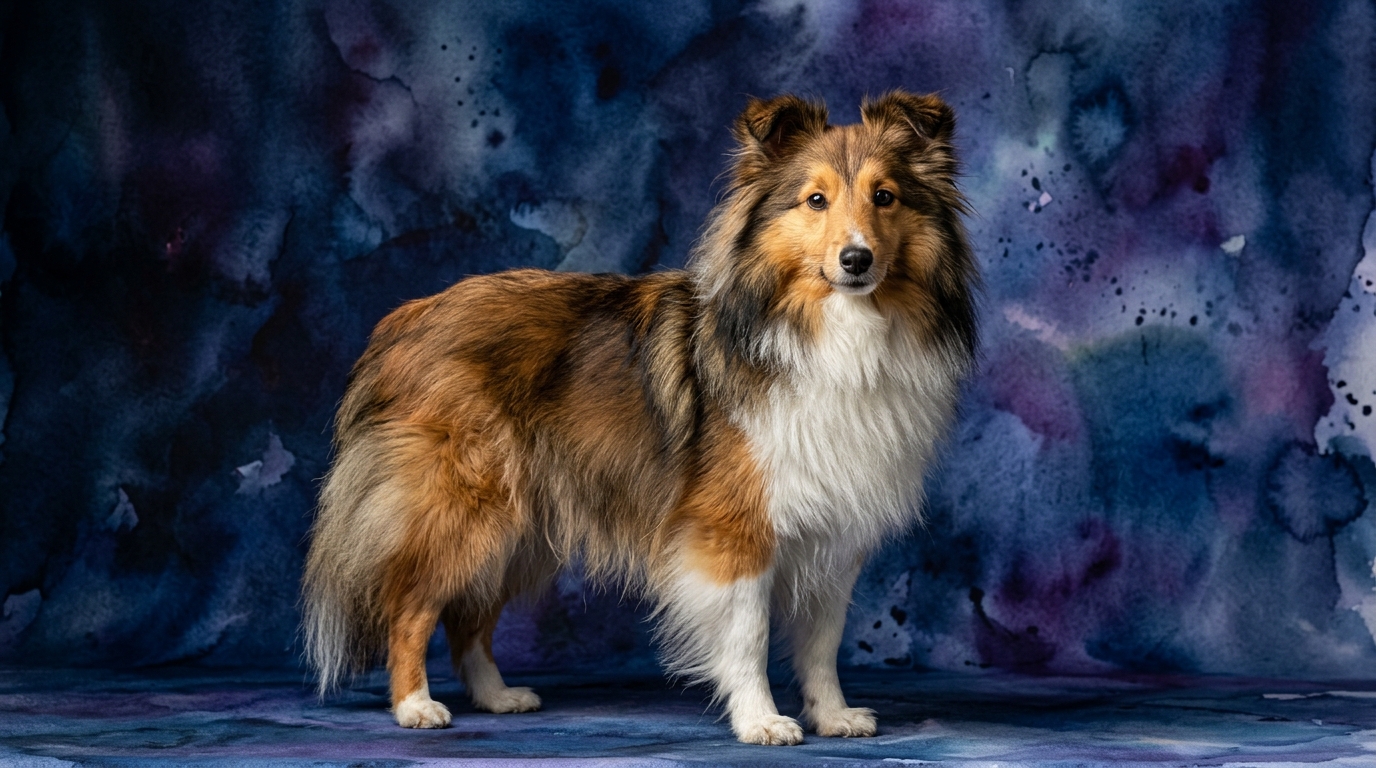
The Shetland Sheepdog, ranking an impressive #6 on Stanley Coren's scale, demonstrates a remarkable aptitude for learning and interaction. Its 'Problem Solving' is rated 4/5, indicating a strong capacity to navigate novel situations and figure out solutions. Where the Sheltie truly shines is in 'Training Speed' at 5/5 and 'Memory' at 5/5, allowing it to grasp complex commands quickly and retain them over time. Its 'Social Intelligence' at 4/5 means it's adept at reading human cues and adapting its behavior accordingly, while an 'Instinctive Drive' of 5/5 reflects its deep-seated herding impulse, an engine for many of its cognitive strengths.
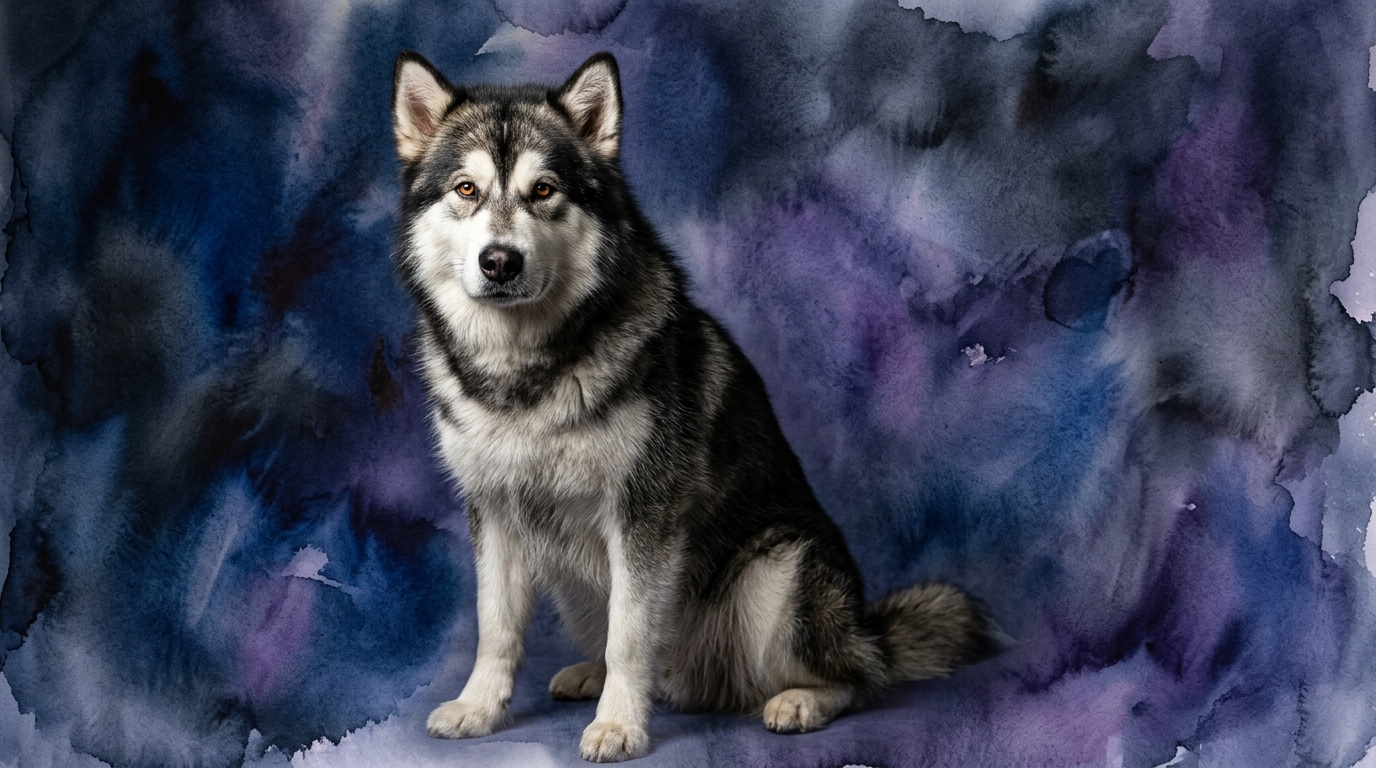
The Alaskan Malamute, while ranking #50, presents a different cognitive blueprint, reflecting its heritage as a robust working dog. Its 'Problem Solving' also stands at 4/5, showcasing an ability to overcome challenges, often through independent thought. However, its 'Training Speed' is rated 2/5, suggesting a more deliberate and often self-directed learning process. 'Social Intelligence' at 3/5 implies a capacity for connection, yet with a stronger independent streak, while 'Memory' at 4/5 allows it to recall experiences and learned behaviors effectively. A 5/5 'Instinctive Drive' in the Malamute is expressed through its powerful urge to pull, explore, and operate within a pack structure.
Where the Shetland Sheepdog Excels Cognitively
The Sheltie's cognitive superiority often manifests in its exceptional trainability and responsiveness. Its perfect 5/5 'Training Speed' means it typically requires fewer repetitions to master a new command or trick compared to many other breeds. This rapid acquisition of knowledge, coupled with its 5/5 'Memory,' allows Shelties to build an extensive repertoire of behaviors and routines, making them prime candidates for advanced obedience, agility, and other dog sports where precision and quick thinking are paramount. Owners often observe their Shelties anticipating commands or adjusting their performance based on subtle cues, a testament to their keen observational skills and ability to generalize learned behaviors.
Furthermore, the Sheltie’s 4/5 'Social Intelligence' equips it with a nuanced understanding of human communication. They are often highly attuned to their owner's moods, body language, and vocal inflections, which aids in seamless cooperation and strengthens the human-animal bond. This social acumen, combined with their strong 'Instinctive Drive' to work closely with a handler, means a Sheltie is often seeking direction and thrives on collaborative tasks. Their herding background has honed their ability to process multiple pieces of information simultaneously—such as the movement of livestock, the handler’s whistle, and the terrain—and react swiftly and appropriately, a complex cognitive feat.
Where the Alaskan Malamute's Cognition Shines
The Alaskan Malamute's cognitive strengths are rooted in its demanding history as a sled dog, requiring robust independence and endurance. Its 4/5 'Problem Solving' is not about quick obedience but about figuring out how to achieve a goal, often with a pragmatic, self-reliant approach. For instance, a Malamute might assess the most efficient path through deep snow or devise a clever way to access a desired object, even if it means bending rules. This problem-solving often manifests as resourcefulness in challenging environments, a critical trait for survival and successful work in harsh conditions. Their 5/5 'Instinctive Drive' is a powerful engine of resilience and determination, driving them to push forward against obstacles, whether physical or mental.
While their 'Training Speed' is lower at 2/5, this doesn't imply a lack of mental capacity, but rather a strong will and an inclination to evaluate commands rather than immediately comply. A Malamute might pause, consider if a task is worthwhile, or if there’s a more 'Malamute-approved' way to do it. Their 4/5 'Memory' ensures they recall both positive and negative experiences, meaning consistent, fair training is crucial for building trust and cooperation. Their 'Social Intelligence' at 3/5 suggests they are social creatures within their pack, but their interaction with humans often carries a dignified independence, appreciating partnership over subservience. This breed excels in tasks requiring stamina, independent decision-making, and an unwavering commitment to a goal, such as long-distance trekking or carting.
Training Dynamics: Responsiveness vs. Resourcefulness
When considering ease of training, the Shetland Sheepdog generally presents a more straightforward path for the average owner. Their 5/5 'Training Speed' and #6 Coren rank mean they are typically eager to please and quick to pick up new cues. Shelties respond well to positive reinforcement methods, thriving on praise and rewards, and their strong 'Social Intelligence' allows them to quickly understand what is expected of them. Their inherent desire to work collaboratively makes them highly biddable, meaning they are often keen to engage in structured training sessions and readily accept guidance. This responsiveness is a direct result of their selective breeding for cooperative herding, where split-second decisions based on handler commands were crucial.
The Alaskan Malamute, with its 2/5 'Training Speed' and #50 Coren rank, requires a different approach. They are not less intelligent, but their intelligence is applied differently. Malamutes possess an independent thought process, often evaluating if a command aligns with their own perceived best interest or if there's a more interesting alternative. This can be perceived as stubbornness but is actually a manifestation of their problem-solving and self-reliance, traits vital for a sled dog making decisions far from a human handler. Training a Malamute demands immense patience, consistency, and creative motivational techniques, often relying on high-value rewards and making training feel like a game or a challenge rather than a directive. Owners must build a strong, respectful bond, understanding that a Malamute will partner with you, not simply obey.
Matching Breed to Lifestyle: Active Engagement vs. Independent Exploration
For active owners who thrive on structured engagement and desire a highly responsive canine partner for sports or intricate training, the Shetland Sheepdog is an exceptional choice. Their boundless energy and cognitive capacity for learning make them ideal companions for activities like agility, obedience trials, flyball, or even advanced trick training. Shelties require consistent mental stimulation to prevent boredom, and their strong 'Instinctive Drive' for herding can be channeled into constructive outlets, demanding an owner who is ready to provide regular, varied mental and physical challenges. They are also excellent companions for active families who enjoy daily walks, runs, and interactive play sessions that tap into their quick minds.
The Alaskan Malamute, while also requiring significant physical activity, suits owners who appreciate a more independent companion for rigorous outdoor adventures. Their incredible stamina and 5/5 'Instinctive Drive' make them perfect for long hikes, backpacking, skijoring, or even pulling carts. However, their physical activity often needs to be more self-directed or focused on their inherent drive, rather than intricate, handler-dependent tasks. Relaxed owners, in the traditional sense, might find the Malamute's needs overwhelming, as their independence requires consistent, firm, but fair leadership and extensive socialization to manage their strong will. They are best suited for individuals or families who embrace a robust, outdoorsy lifestyle and understand that their canine partner will often have their own strong opinions and require space to express their natural behaviors.
The Verdict
Choose the Shetland Sheepdog if you seek a highly responsive, eager-to-please companion for advanced training, dog sports, and a deep, collaborative bond. Their rapid learning and social acumen make them excellent partners for intricate activities and responsive family life.
Opt for the Alaskan Malamute if you desire a robust, independent adventure partner with immense stamina and a resourceful mind, and you are prepared for consistent, patient training to foster a respectful partnership.
🧠 Find Your Pet's IQ Score
Our Pet IQ Lab assessment covers 25+ tests across 5 cognitive dimensions — personalized to your breed.
Take the Full IQ Test →Frequently Asked Questions
Do Shetland Sheepdogs need a lot of exercise?
Yes, Shetland Sheepdogs are active dogs that require regular physical activity and significant mental stimulation. Their herding background means they thrive on structured play, training, and activities that challenge their quick minds and bodies, preventing boredom.
Are Alaskan Malamutes good for first-time dog owners?
Alaskan Malamutes are generally not recommended for first-time dog owners due to their strong will, independent nature, and significant exercise requirements. They need consistent, experienced leadership and extensive socialization to thrive.
Which breed is better with children?
Both breeds can be good with children with proper socialization and training, but their approaches differ. Shetland Sheepdogs are often gentle and playful, while Alaskan Malamutes can be tolerant and protective, though their size and independence mean supervision is always key.