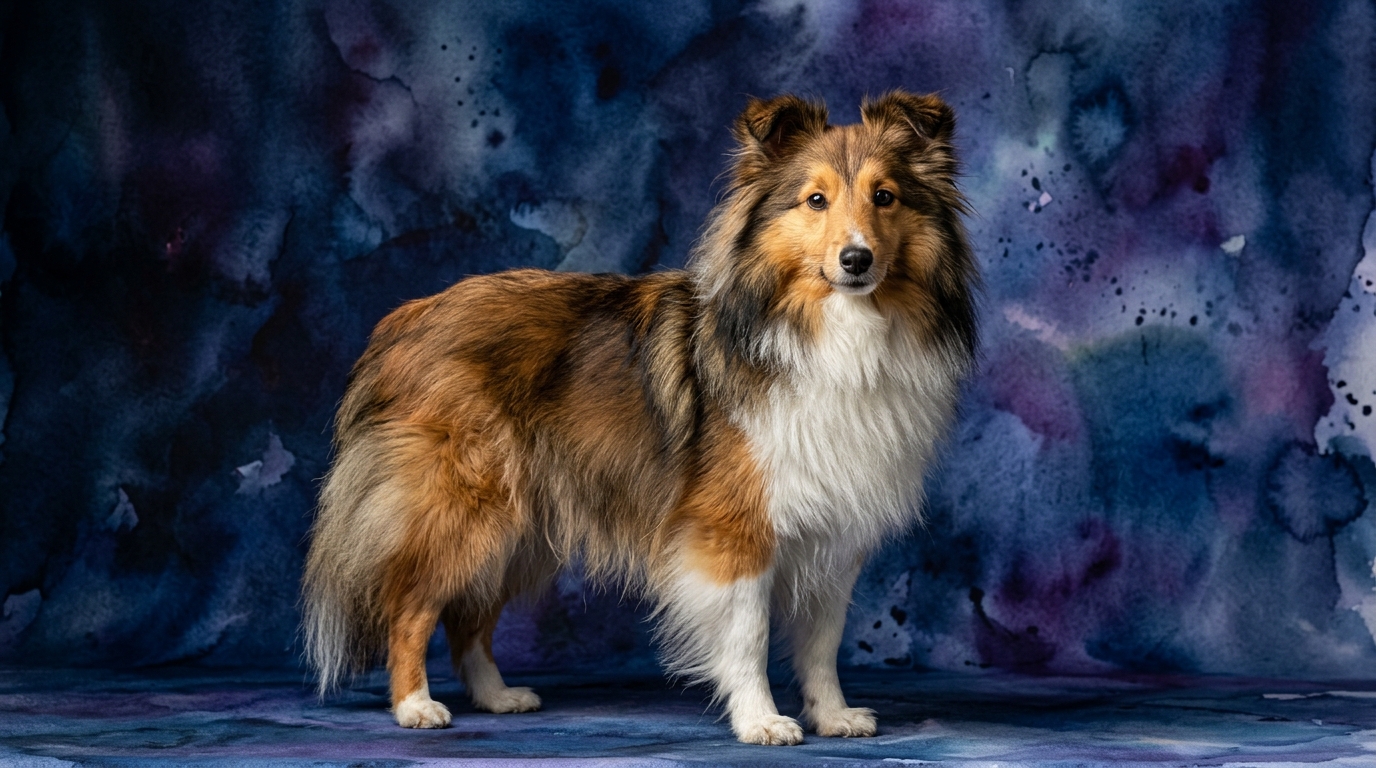
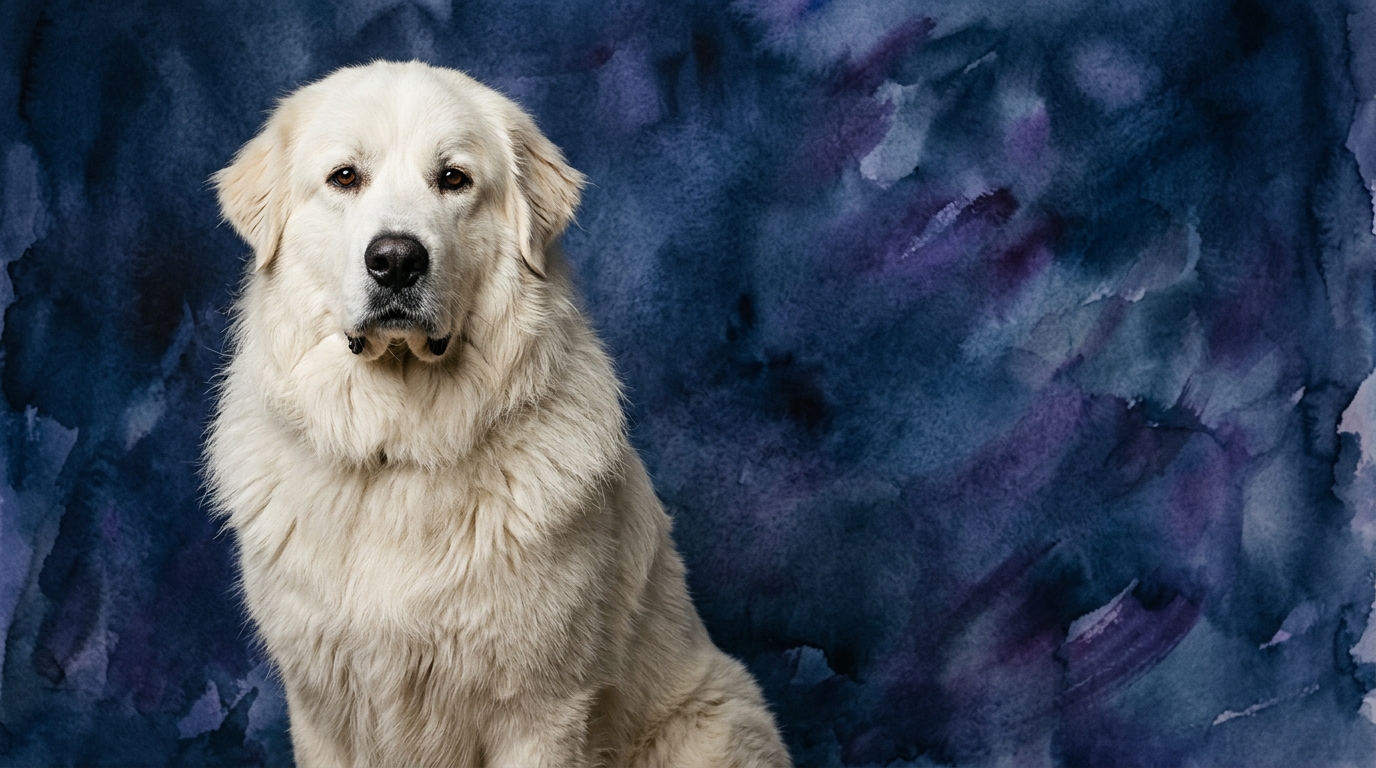
Side-by-Side IQ Profile: Shetland Sheepdog vs. Great Pyrenees
The Cosmic Pet Pet IQ Lab employs five key dimensions to evaluate canine intelligence, offering a nuanced view beyond simple obedience. Let's examine how the Shetland Sheepdog and Great Pyrenees score across these metrics, considering their Coren ranks of #6 and #64 respectively.
**Shetland Sheepdog (Coren Rank #6): The Agile Mind** Originating from the Shetland Islands, these dogs were bred to herd sheep over rugged terrain, demanding quick thinking and responsiveness.
* **Problem Solving (4/5):** Shelties exhibit a strong aptitude for figuring out novel situations. They can quickly assess environmental cues, learn complex sequences, and adapt their behavior to achieve desired outcomes, whether it's navigating an agility course or deciphering a puzzle toy. Their cognitive flexibility allows them to strategize and learn from experience effectively.
* **Training Speed (5/5):** This breed is renowned for its exceptional ability to grasp new commands and routines with minimal repetition. Their eagerness to please their handlers, combined with their sharp focus, makes them incredibly receptive students, often mastering complex tasks in very few sessions.
* **Social Intelligence (4/5):** Shelties are highly attuned to human emotions and intentions. They excel at reading body language and vocal tones, allowing them to anticipate their owner's wishes and respond appropriately. This deep understanding fosters strong, responsive partnerships.
* **Instinctive Drive (5/5):** Their herding instincts are profoundly ingrained, manifesting as a powerful desire to work, organize, and control movement. This drive translates into focused engagement during training and a diligent approach to tasks, providing a strong internal motivation for activity.
* **Memory (5/5):** Shelties possess a remarkable capacity for recall. They retain commands, routines, and specific learned behaviors over long periods, making them consistent performers once a skill is established. This strong memory contributes significantly to their rapid training speed and reliability.
**Great Pyrenees (Coren Rank #64): The Independent Thinker** Hailing from the Pyrenees Mountains, this breed was developed to guard livestock autonomously, often without direct human supervision, against predators.
* **Problem Solving (3/5):** Great Pyrenees are capable problem solvers, particularly when it comes to assessing threats and maintaining the safety of their charge. However, their problem-solving tends to be independent and self-directed, focusing on practical, real-world guarding scenarios rather than abstract puzzles or human-directed tasks. They will evaluate a situation and act on their own judgment.
* **Training Speed (3/5):** While capable of learning, the Great Pyrenees typically requires more patience and repetition during training. Their independent nature means they often weigh the perceived value of a command against their own judgment or priorities. They are not inherently driven by the desire to please in the same way a Sheltie is, which can make training a slower process.
* **Social Intelligence (3/5):** Pyrs form deep, protective bonds with their families, but their social intelligence is geared more towards watchful vigilance than interactive engagement. They are discerning observers, understanding the dynamics of their 'flock,' but may not display the same overt responsiveness to human emotional cues as a more people-centric breed.
* **Instinctive Drive (3/5):** The core of the Pyr's instinctive drive is guardianship. This manifests as a strong territorial instinct and a calm, watchful presence, ready to act decisively if a threat arises. It's a drive for self-sufficiency and protection, rather than a collaborative work ethic or a desire for constant activity.
* **Memory (3/5):** Great Pyrenees have a solid memory for important information related to their territory, perceived threats, and established routines that directly impact their guarding duties. However, their recall for arbitrary commands or complex sequences not directly tied to their primary function might not be as immediate or persistent as breeds with higher scores.
Where the Shetland Sheepdog Wins Cognitively
The Shetland Sheepdog's cognitive strengths shine in areas requiring collaboration, precision, and rapid adaptation. Their exceptional training speed (5/5) and memory (5/5) mean they can acquire and retain a vast repertoire of commands, making them stellar candidates for advanced obedience, rally, and agility sports. A Sheltie excels at multi-step commands, such as "go find your leash, bring it here, then sit," demonstrating their capacity for sequential thinking and recall. Their high social intelligence (4/5) allows them to anticipate an owner's next move or mood, leading to a remarkably fluid partnership. For instance, a Sheltie might pick up on subtle shifts in an owner's body language or tone, preemptively offering a desired behavior or seeking comfort. This breed's strong instinctive drive (5/5) translates into focused engagement, where they channel their natural herding tendencies into directed tasks, showing immense enthusiasm for learning and performing. They aren't just learning commands; they are actively engaging their minds to solve the "puzzle" of what their human wants. This cognitive profile makes them highly responsive and versatile, capable of mastering intricate patterns and responding reliably even in distracting environments.
Where the Great Pyrenees Wins Cognitively
The Great Pyrenees' cognitive advantages lie in their independent judgment and nuanced assessment of their environment, skills honed over centuries of autonomous livestock guardianship. Their problem-solving (3/5), while not focused on human-directed puzzles, is highly effective in their core role: discerning legitimate threats from harmless occurrences. A Pyr will independently patrol its territory, evaluate new sounds or smells, and decide on the appropriate response, often with a calm, deliberate approach that doesn't require constant human input. This self-reliance is a profound cognitive strength. Their instinctive drive (3/5) is geared towards vigilance and protection, meaning they possess an innate understanding of boundaries and the concept of 'their flock.' They display a deep, quiet social intelligence (3/5) within their family unit, not through eager interaction, but through a steadfast, watchful presence. They might not jump to perform tricks, but they are constantly processing environmental data, prioritizing the safety of their loved ones. For instance, a Pyr might subtly position itself between a child and a stranger, or alert to a distant anomaly long before a human notices it, demonstrating a keen, independent situational awareness that is their hallmark cognitive victory. Their memory (3/5), though not as quick for arbitrary commands, is robust for territorial knowledge and recognizing patterns of safety or threat, crucial for their guardian role.
Which is Easier to Train and Why
When considering ease of training, the Shetland Sheepdog clearly has the advantage. Their extraordinary training speed (5/5) means they pick up new commands with remarkable swiftness, often requiring only a few repetitions to solidify a behavior. This is further amplified by their high social intelligence (4/5) and strong desire to please, which makes them highly motivated to comply with human directives. Shelties thrive on positive reinforcement and the interactive process of learning, viewing training as a collaborative game. Their keen memory (5/5) ensures that once a command is learned, it is retained, making consistency in performance a hallmark of the breed. For example, a Sheltie will typically respond to a "sit" command almost instantly, eager for the praise or treat that follows.
The Great Pyrenees, conversely, presents a more significant training challenge due to their inherent independence and self-reliant nature. With a training speed of 3/5, they require considerably more patience, consistency, and understanding. Pyrs were bred to make their own decisions in the field, not to blindly follow human commands. Their problem-solving (3/5) and instinctive drive (3/5) are geared towards autonomous guarding, meaning they often assess whether a command aligns with their own perceived priorities. They might "learn" a command but choose not to execute it if they don't see the immediate value or if it conflicts with their protective instincts. For instance, a Pyr might eventually learn "come," but if they perceive a potential threat or a reason to remain vigilant, they might ignore the command. Training a Pyr is less about eliciting immediate obedience and more about building a respectful relationship where they choose to cooperate, often requiring stronger motivation and a deeper understanding of their independent spirit. This isn't a deficit in their intelligence, but a difference in how their intelligence is wired to function.
Which Suits Active Owners vs. Relaxed Owners
The choice between these two breeds often hinges on an owner's lifestyle and their willingness to engage in specific types of activity.
The Shetland Sheepdog is an ideal companion for active owners who are prepared to provide significant mental and physical stimulation. Their high energy levels, coupled with a powerful instinctive drive (5/5) and a desire for engagement, mean they thrive when given a 'job' to do. This could involve participating in dog sports like agility, obedience, flyball, or herding trials, all of which leverage their exceptional problem-solving (4/5) and training speed (5/5). An owner who enjoys daily long walks, interactive play sessions, and consistent training will find a Sheltie to be an incredibly rewarding and responsive partner. They are not content to simply lounge; their minds and bodies crave purposeful activity and interaction. An owner seeking a dog that is constantly "on" and eager to participate in family activities will find the Sheltie a perfect match.
The Great Pyrenees, on the other hand, is generally better suited for owners who might be described as 'relaxed' in terms of high-intensity, structured activities, but who are nevertheless attentive and understanding of their unique needs. While they still require regular exercise – typically consisting of long, leisurely patrols of a secure yard or property – their activity level is not about intense bursts or complex maneuvers. Their instinctive drive (3/5) is focused on watchful guardianship, meaning they are often content to observe their surroundings from a comfortable vantage point. They are not dogs that typically excel or even enjoy fast-paced dog sports. Instead, they thrive with owners who appreciate their calm, independent nature and who can provide ample space for them to fulfill their guardian role. A "relaxed" owner for a Pyr is someone who understands that while the dog may not need constant interactive play, it requires a secure environment, consistent (though patient) training, and a deep appreciation for its self-sufficient presence. They are well-suited to households with acreage or a large, securely fenced yard where they can patrol and maintain their vigilant watch.
The Verdict
If you desire a highly interactive, trainable, and agile companion eager to learn and excel in dog sports or advanced obedience, and you are prepared to provide consistent mental and physical engagement, the Sheltie is an exceptional choice.
If you seek a calm, independent, and steadfast guardian, appreciate a self-sufficient companion that excels at watchful protection rather than constant interaction, and can provide a secure environment for their patrols, the Great Pyrenees will be a devoted member of your family.
🧠 Find Your Pet's IQ Score
Our Pet IQ Lab assessment covers 25+ tests across 5 cognitive dimensions — personalized to your breed.
Take the Full IQ Test →Frequently Asked Questions
Are Great Pyrenees difficult to train?
While not 'difficult' in the sense of being untrainable, Great Pyrenees are independent thinkers, requiring more patience and consistency than breeds eager to please. Their training success hinges on understanding their self-reliant nature and finding motivations beyond simple human approval.
Which breed is better with children?
Both breeds can be good with children, but in different ways. Shelties are often playful and interactive, thriving on shared activities, while Great Pyrenees are typically gentle, patient, and naturally protective, viewing children as part of their flock to be guarded.
Do Shetland Sheepdogs bark a lot?
Yes, Shelties are known for being quite vocal. Their strong herding instincts and vigilance make them prone to barking at perceived threats, new sounds, or even out of excitement, which requires consistent training to manage.