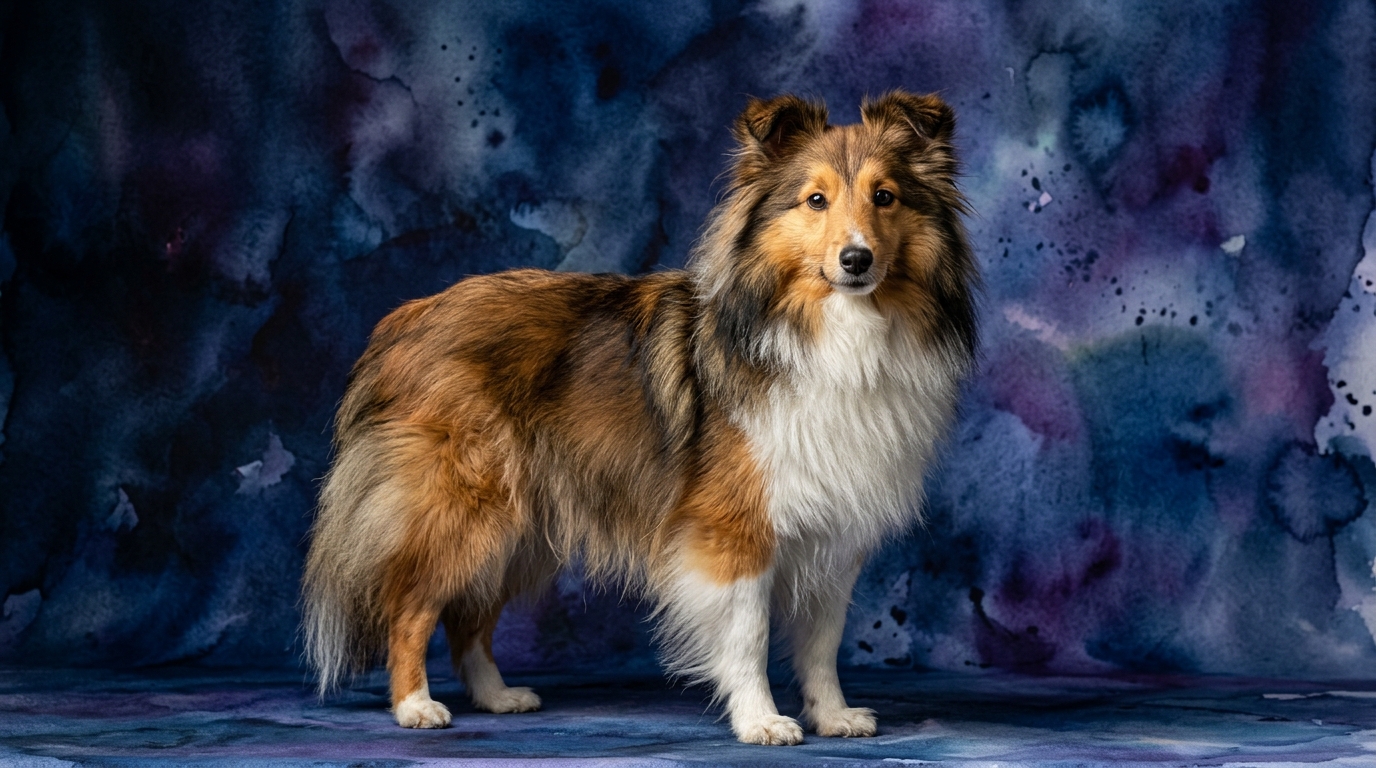
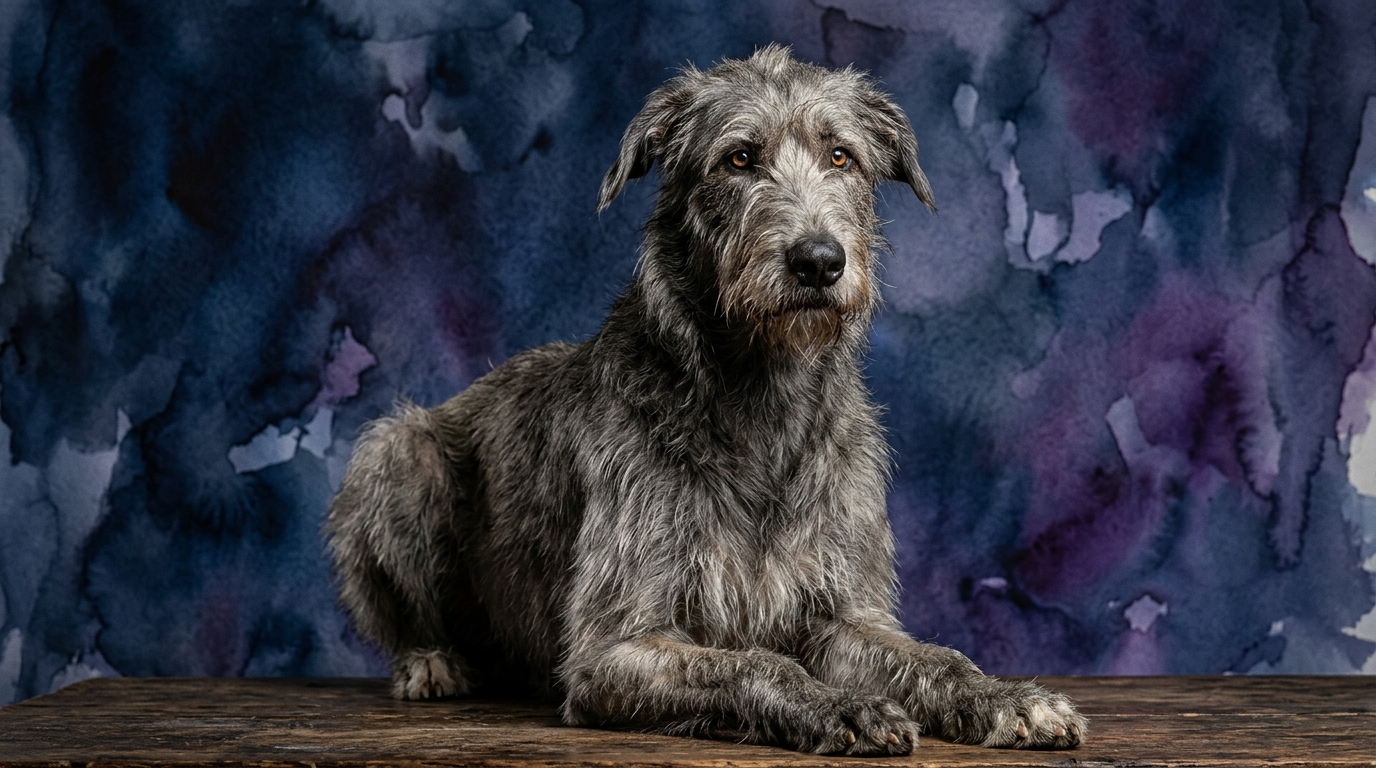
Side-by-Side IQ Profile: Sheltie vs. Wolfhound
**Shetland Sheepdog:** As Coren-ranked #6, the Sheltie's cognitive blueprint is optimized for intricate tasks and rapid learning.
**Problem Solving (4/5):** Shelties exhibit strong cognitive flexibility, adept at navigating complex environments and figuring out multi-step tasks. Their historical role required quick, independent decisions, fostering a mind that can assess and resolve novel situations.
**Training Speed (5/5):** These dogs are exceptionally quick learners, absorbing new commands and routines with remarkable speed. Their eagerness to engage and sharp focus make them highly receptive to instruction, often mastering concepts in very few repetitions.
**Social Intelligence (4/5):** Shelties are attuned to human cues and social dynamics, making them excellent companions who understand household rules and expectations. They can read moods and adapt behavior, demonstrating a nuanced understanding of their social environment.
**Instinctive Drive (5/5):** The herding instinct is profoundly embedded in the Sheltie's makeup, manifesting as a strong desire to organize and work collaboratively. This drive fuels their focus and persistence in tasks, even those unrelated to herding.
**Memory (5/5):** With an exceptional capacity for recall, Shelties retain learned behaviors, routes, and associations over long periods. This robust memory contributes significantly to their training prowess and ability to navigate various situations.
**Irish Wolfhound:** Not Coren-ranked, the Wolfhound's cognitive strengths lie in a more measured, independent approach, reflecting their sighthound heritage.
**Problem Solving (3/5):** Irish Wolfhounds possess a moderate capacity for problem-solving, generally preferring straightforward solutions rather than intricate puzzles. While capable, they may require more guidance to break down complex tasks.
**Training Speed (3/5):** Wolfhounds learn at a steady pace, requiring consistent and patient repetition to solidify new commands. Their independent nature means they might not always prioritize human instruction, demanding a deliberate training approach.
**Social Intelligence (3/5):** These gentle giants are sociable and form strong bonds, yet might not always display the same intricate understanding of subtle human cues. They thrive on clear communication and consistent social interaction.
**Instinctive Drive (3/5):** The Irish Wolfhound's instinctive drive leans towards their sighthound heritage – a powerful urge to chase. While present, this drive is often less generalized than a herding dog's and can be directed with patient training.
**Memory (3/5):** Wolfhounds have a good memory for routines and familiar people, but their recall for specific, complex sequences of commands may be less precise than a breed with a higher memory score.
Where the Shetland Sheepdog Wins Cognitively
The Shetland Sheepdog's cognitive strengths are particularly evident in their agility and adaptability. Their problem-solving (4/5), coupled with perfect scores in training speed and memory (5/5 each), means they excel at learning and applying complex action sequences. For instance, a Sheltie can quickly grasp an intricate agility course, remembering obstacle order and executing them with precision after minimal instruction. This involves processing spatial information and performing multi-part routines at speed. Their instinctive drive (5/5) isn't just about herding; it translates into a profound work ethic and desire for purpose, making them eager participants in any task. This high drive, combined with superior social intelligence (4/5), ensures they are not only capable of understanding complex instructions but are also highly motivated to comply and cooperate. They anticipate cues and respond with enthusiasm, making them champions in obedience, rally, and other performance sports where rapid learning and precise execution are paramount.
Where the Irish Wolfhound Wins Cognitively
While the Irish Wolfhound might not match the Sheltie's speed in complex cognitive tasks, their unique strengths lie in calm discernment and an impressive capacity for independent thought in specific contexts. Their problem-solving score of 3/5 reflects a measured approach. A Wolfhound might not quickly solve intricate puzzle feeders, but they master assessing their environment for threats, relying on keen senses and courage. Their social intelligence (3/5) manifests as deep, unwavering loyalty and a calm presence, allowing them to be incredibly perceptive of a household's overall emotional atmosphere without needing to engage in complex interactive games. They excel in situations requiring patience and a strong, steady presence. Their memory (3/5) is more than sufficient for remembering safe boundaries, familiar faces, and comforting home routines, contributing to their reputation as gentle and reliable companions, rather than requiring recall of intricate command sequences. Their cognitive strength is in their understated wisdom and ability to remain composed in various situations, a different kind of mental fortitude.
Which is Easier to Train and Why
Based on The Cosmic Pet Pet IQ Lab scores, the Shetland Sheepdog is demonstrably easier to train due to its exceptional training speed (5/5) and instinctive drive (5/5). Shelties absorb new commands and behaviors with remarkable alacrity, often requiring only a few repetitions. Their inherent desire to work and please their handler means they actively seek to understand and comply. For example, teaching a Sheltie to heel or perform a "stay" is often quick because they are highly focused and motivated by praise, eager to engage. In contrast, the Irish Wolfhound, with a training speed of 3/5 and instinctive drive of 3/5, requires a more patient and persistent approach. Their sighthound heritage means they can be more independent and less inherently driven to follow human directives. While capable of learning, a Wolfhound might require more consistent reinforcement and creative motivation to maintain focus, often needing more repetition to solidify concepts.
Suitability for Active vs. Relaxed Owners
The Shetland Sheepdog is an ideal match for active owners who thrive on engagement and mental stimulation. Their high scores in problem-solving (4/5), training speed (5/5), and instinctive drive (5/5) mean they flourish with consistent mental challenges, structured training, and activities like agility or obedience. An owner who enjoys teaching new tricks, participating in dog sports, or embarking on varied walks will find a Sheltie an enthusiastic and capable partner. Their strong social intelligence (4/5) also makes them eager participants in family activities, requiring inclusion. Conversely, the Irish Wolfhound is better suited for relaxed owners who appreciate a calm, dignified presence and a less frenetic pace. While they need regular, moderate exercise, their cognitive profile (problem solving 3/5, training speed 3/5, social intelligence 3/5) suggests they are not driven by a constant need for complex mental tasks. An owner enjoying quiet evenings, leisurely strolls, and a loyal, gentle companion without constant demand for "work" will find the Wolfhound's temperament and cognitive leanings a perfect fit.
The Verdict
Choose a Shetland Sheepdog if you are an active individual or family seeking a highly trainable, mentally agile companion eager to learn and participate in complex activities.
Opt for an Irish Wolfhound if you desire a calm, loyal, and gentle giant who thrives on a steady routine and a more relaxed pace of life.
🧠 Find Your Pet's IQ Score
Our Pet IQ Lab assessment covers 25+ tests across 5 cognitive dimensions — personalized to your breed.
Take the Full IQ Test →Frequently Asked Questions
Are Shetland Sheepdogs good for first-time dog owners?
With their high training speed and eagerness to please, Shetland Sheepdogs can be excellent for first-time owners willing to invest in consistent training and provide ample mental and physical stimulation. Their responsiveness makes the learning process rewarding for both dog and owner.
Do Irish Wolfhounds require a lot of exercise despite their relaxed nature?
While Irish Wolfhounds are generally relaxed indoors, they do require regular, moderate exercise to maintain their large frames and overall health. Daily walks and opportunities to stretch their long legs in a secure area are essential, but they don't typically need high-intensity, prolonged activity.
How do the social intelligence scores impact household dynamics for these breeds?
A Sheltie's higher social intelligence (4/5) means they are often more attuned to family dynamics and human emotions, potentially anticipating needs and responding subtly. An Irish Wolfhound's social intelligence (3/5) indicates they form deep bonds and are loyal, but might require clearer communication and may not pick up on nuanced cues as readily, valuing consistency and a calm environment.