Side-by-Side Cognitive Profiles
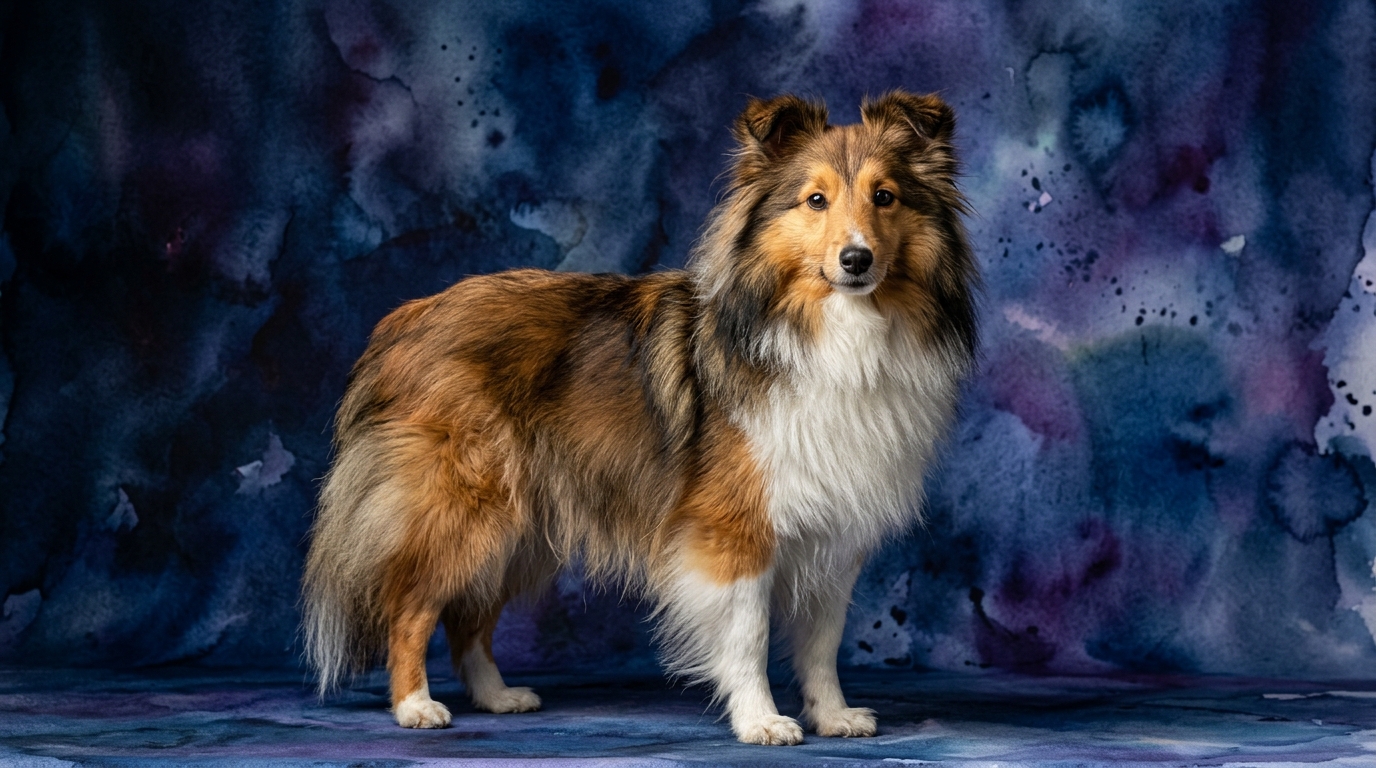
The Cosmic Pet Pet IQ Lab provides a structured framework for understanding canine cognitive abilities across five key dimensions. For the Shetland Sheepdog, ranked #6 by Coren's intelligence scale, we see a profile geared towards intricate tasks and cooperation. Their Problem Solving is rated 4/5, indicating a robust capacity for evaluating novel situations and devising effective solutions, often showing foresight in navigating complex environments or tasks. Training Speed is an exceptional 5/5, reflecting an eagerness to learn and strong focus that allows them to grasp new commands and routines with remarkable swiftness, often requiring fewer repetitions. Social Intelligence stands at 4/5, meaning these dogs exhibit a nuanced understanding of human cues and emotional states, fostering strong bonds and adapting their behavior to various social contexts. Their Instinctive Drive is a powerful 5/5, rooted in a deep-seated desire to organize, control movement, and work collaboratively, translating into focused engagement. Finally, their Memory is also 5/5, demonstrating outstanding recall of learned behaviors, past experiences, and spatial layouts, enabling them to retain complex information over long periods.
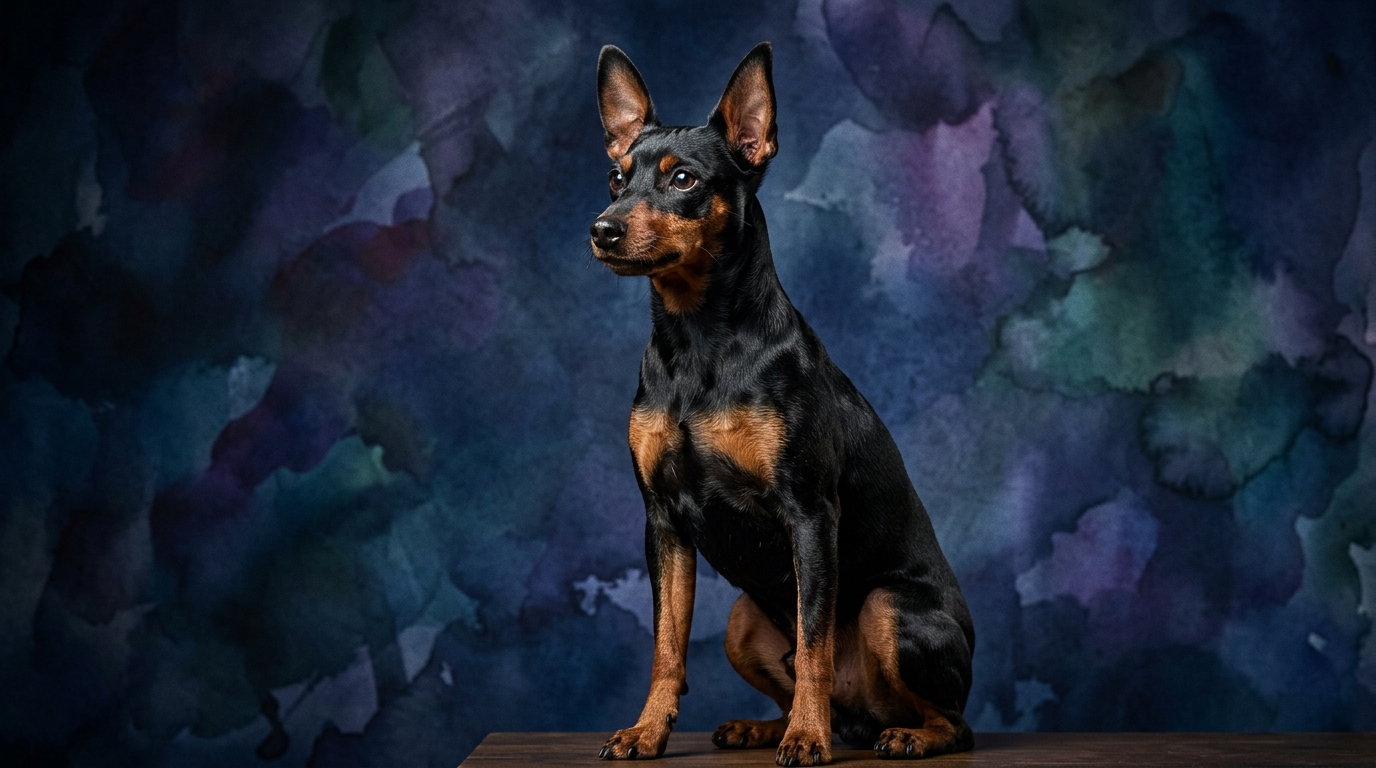
In contrast, the Miniature Pinscher, not Coren-ranked, presents a profile more aligned with vigilant companionship and self-reliance. Their Problem Solving is rated 3/5, indicating they approach challenges with a moderate degree of adaptability, often relying on learned patterns or trial-and-error rather than complex abstract reasoning. Training Speed is 3/5; while capable of learning, Min Pins typically require consistent, patient repetition to solidify new commands and behaviors, taking a moderate amount of time to achieve proficiency. Their Social Intelligence is 3/5, meaning they form strong attachments to their primary caregivers and can read familiar human emotions, though their social radar might be less expansive or subtle than some breeds when interacting with strangers or novel social situations. Instinctive Drive is also 3/5, often channeled into alertness, territorial patrolling, and a prey drive for small vermin, rather than complex cooperative tasks, reflecting a more independent working style. Their Memory is rated 3/5, possessing a functional recall for routines and familiar commands, but they may require refreshers for less frequently practiced skills or intricate sequences.
Where the Shetland Sheepdog Wins Cognitively
The Sheltie's cognitive profile paints a picture of a highly adaptable and cooperative thinker. Their 4/5 in Problem Solving means they don't just react; they strategize. This can manifest in figuring out how to open child-proof latches or navigating obstacle courses with minimal guidance, leveraging their spatial awareness and planning. The 5/5 in Instinctive Drive, rooted in their herding heritage, translates into a profound capacity for sustained focus on a task and an innate understanding of patterns and order, which is a significant cognitive asset. They excel at deciphering and responding to complex sequences of commands, as their 5/5 Memory ensures they recall intricate routines effortlessly. This combination of strong problem-solving and memory, coupled with a powerful drive to engage, makes them exceptional candidates for advanced obedience, agility, and even service roles. Their 4/5 Social Intelligence also enables them to anticipate human intentions and respond with precision, a valuable trait in any working partnership.
Where the Miniature Pinscher Wins Cognitively
While the Miniature Pinscher's overall scores are moderate, their cognitive strengths are uniquely suited to their role as vigilant companions. Their 3/5 in Problem Solving, while not as high as the Sheltie's, often manifests as cleverness in their immediate environment, such as finding creative ways to reach a favorite toy or alerting their owner to the slightest anomaly. Their 3/5 Instinctive Drive, though not for herding, fuels a keen sense of observation and territorial awareness, making them effective watchdogs. This drive translates into a persistent focus on their immediate surroundings and an acute ability to detect changes, which is a specific form of environmental problem-solving. Their social intelligence, rated 3/5, is often intensely focused on their chosen family, allowing them to form deep, personal bonds and understand the nuances of their owner's mood within that intimate circle. This specific social aptitude, combined with their robust memory for routines (3/5), means they can be highly tuned to their household's rhythm and preferences, becoming a highly personalized, if not broadly adaptable, companion.
Which is Easier to Train and Why
In the realm of trainability, the Shetland Sheepdog holds a distinct advantage, primarily due to their 5/5 Training Speed and 5/5 Instinctive Drive. Shelties possess an intrinsic desire to work with their human partners, absorbing new commands and concepts with remarkable speed. Their herding background instills a deep attentiveness and responsiveness, making them highly biddable. They are motivated by the satisfaction of a job well done and the positive interaction with their owner, which fuels their learning process. A Sheltie will often pick up a new trick in just a few repetitions, eager to please and quick to understand the correlation between action and reward. Their advanced social intelligence also helps them to quickly understand what is expected of them. In contrast, the Miniature Pinscher, with a 3/5 Training Speed, requires a more patient and consistent approach. While capable of learning, their independent nature and lower instinctive drive for cooperative tasks mean they might need more repetitions and stronger, more varied motivators to maintain focus. Their problem-solving often leans towards self-interest, meaning training needs to be framed in a way that clearly benefits them, rather than relying solely on their desire to cooperate. This isn't to say Min Pins cannot be trained; rather, their training journey demands more perseverance and creativity from the owner to keep them engaged and solidify new behaviors.
Which Suits Active Owners vs. Relaxed Owners
The cognitive profile of the Shetland Sheepdog makes them an ideal match for active owners who relish engaging their canine companions in mentally and physically stimulating activities. Their 4/5 Problem Solving and 5/5 Instinctive Drive mean they thrive when given tasks, whether it's learning complex agility courses, participating in rally obedience, or even mock-herding games. They require consistent mental engagement to prevent boredom, which could manifest as undesirable behaviors. An owner who enjoys teaching new tricks, exploring varied environments, and providing a structured 'job' will find a Sheltie to be an enthusiastic and capable partner. Conversely, the Miniature Pinscher, with its 3/5 scores across the board, can be a better fit for owners seeking a companion with a more moderate activity level, but who still appreciate a spirited presence. While they enjoy walks and playtime, their need for structured, complex mental challenges is generally lower than a Sheltie's. They are content patrolling their yard, engaging in short bursts of play, and cuddling on the couch. A relaxed owner who values a watchful, devoted, and moderately active companion, and who is prepared for consistent but less intense training, will find the Min Pin to be a rewarding addition to their home.
The Verdict
Choose a Shetland Sheepdog if you're an active owner seeking a highly trainable, cooperative partner eager for mental challenges and complex tasks like agility or advanced obedience.
Opt for a Miniature Pinscher if you desire a vigilant, devoted companion with a moderate activity level, whose specific problem-solving and social intelligence shine in a close-knit family setting.
🧠 Find Your Pet's IQ Score
Our Pet IQ Lab assessment covers 25+ tests across 5 cognitive dimensions — personalized to your breed.
Take the Full IQ Test →Frequently Asked Questions
Do Shetland Sheepdogs need a lot of mental stimulation?
Yes, Shelties, with their 4/5 Problem Solving and 5/5 Instinctive Drive, thrive on consistent mental engagement. Without sufficient mental challenges, they can become bored, potentially leading to anxiety or undesirable behaviors.
Are Miniature Pinschers difficult to train?
Miniature Pinschers, with a 3/5 Training Speed, are not inherently difficult but require more patience and consistency than breeds with higher scores. Their independent nature means training must be engaging and clearly beneficial to them.
How do their social intelligence scores impact household dynamics?
The Sheltie's 4/5 Social Intelligence allows them to adapt well to various social situations and read family cues broadly. The Min Pin's 3/5 Social Intelligence focuses more intensely on their immediate family, making them deeply devoted to their chosen people but potentially more reserved with strangers.