Side-by-Side IQ Profile: Herding Wit vs. Hound Instinct
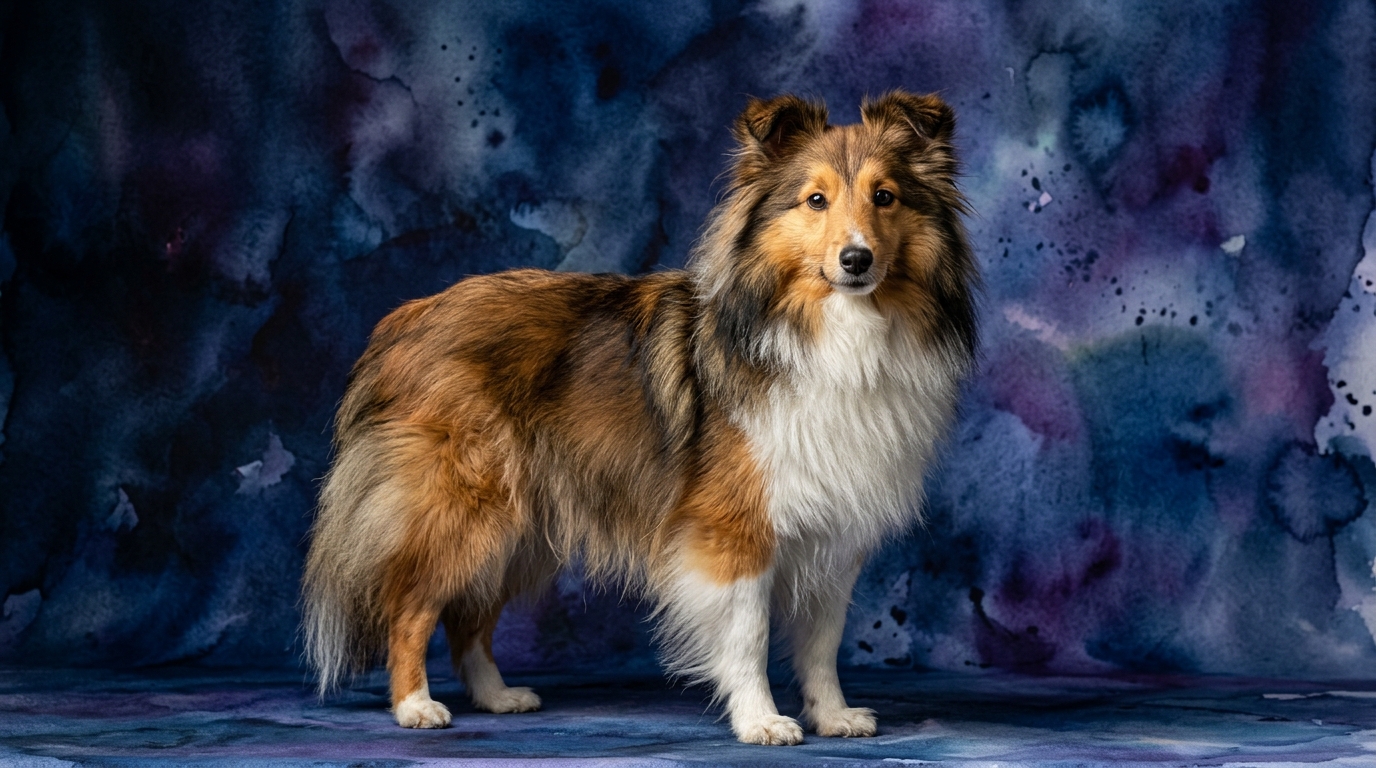
The Cosmic Pet Pet IQ Lab's assessment provides a granular view into the cognitive makeup of both the Shetland Sheepdog and the Norwegian Elkhound. For the Shetland Sheepdog, a member of the Herding group, its Coren rank of #6 reflects a profound capacity for complex thought and rapid learning. Its Problem Solving score of 4/5 indicates an adeptness at figuring out novel situations, often by observing and adapting. A Training Speed of 5/5 means Shelties typically grasp new commands and routines with exceptional swiftness, often requiring fewer repetitions than many other breeds. Social Intelligence at 4/5 points to their nuanced understanding of human cues and emotional states, making them highly responsive companions. Their Instinctive Drive, also 5/5, is rooted in their heritage of managing livestock, manifesting as a strong desire to organize, chase, and control movement. Finally, a Memory score of 5/5 ensures they retain learned behaviors and experiences over long periods, contributing to their consistent performance.
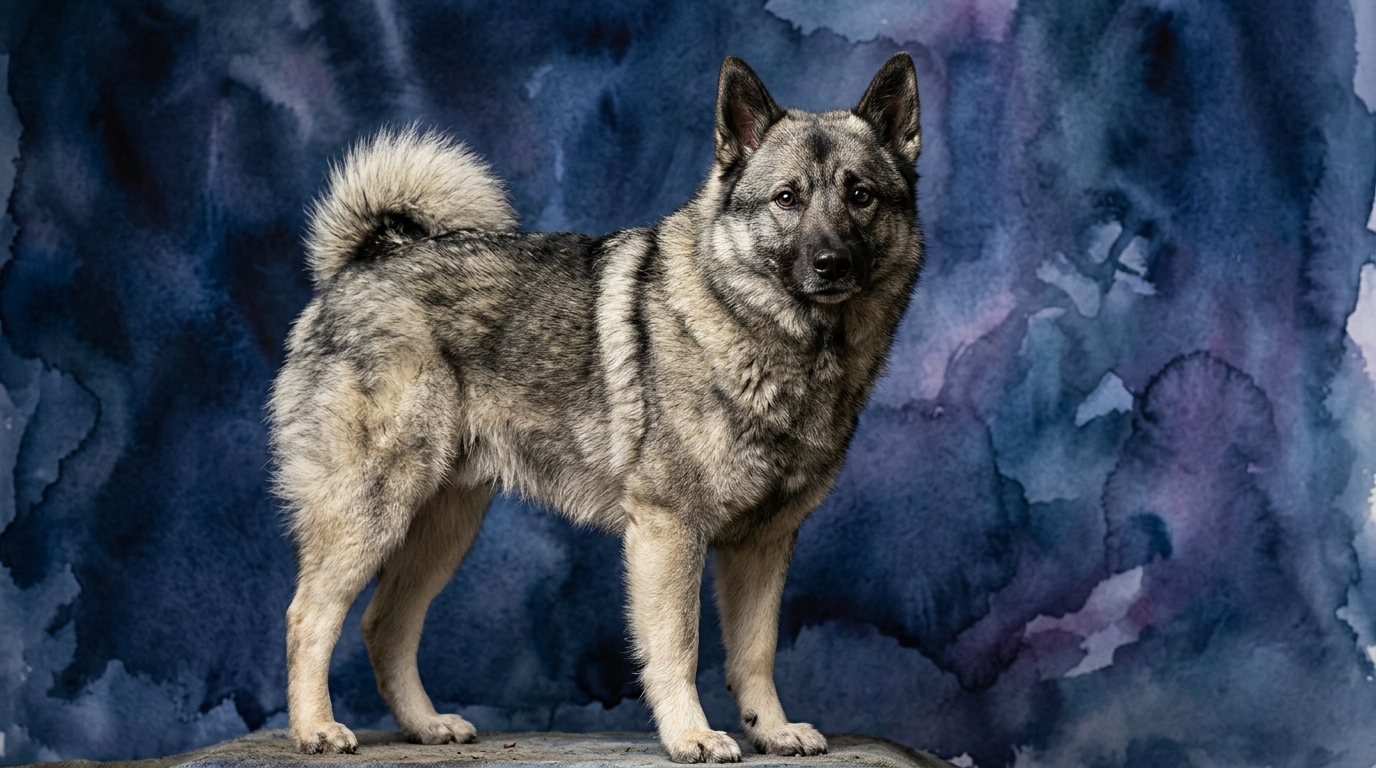
In contrast, the Norwegian Elkhound, a robust Hound breed, holds a Coren rank of #36, indicative of a different cognitive emphasis. Its Problem Solving score of 4/5 suggests a capable mind, particularly in scenarios related to its historical role, such as tracking and independent decision-making in the field. The Training Speed of 4/5, while still commendable, implies they might require a bit more patience and varied approaches compared to the Sheltie, as their independent nature can sometimes overshadow a desire to please. Social Intelligence at 3/5 highlights a more self-reliant disposition; Elkhounds are often less overtly concerned with human social dynamics, preferring to engage on their own terms. Their Instinctive Drive of 3/5 is primarily focused on scent work and endurance, rather than the intricate control seen in herding breeds. An impressive Memory score of 4/5 allows them to recall intricate scent trails and navigation paths, crucial for their hunting heritage, though perhaps not as universally applied to obedience tasks as the Sheltie's memory.
Where the Shetland Sheepdog Excels Cognitively
The Shetland Sheepdog's cognitive strengths are particularly evident in its exceptional Training Speed and Memory, both scoring 5/5. This translates into a dog that not only picks up new commands at an astonishing pace but also retains them with remarkable consistency. For instance, a Sheltie can often master a complex agility course or a series of obedience commands after only a few repetitions, unlike breeds that might need dozens. Their high Social Intelligence (4/5) further enhances this, as they are acutely tuned into human intentions and body language, allowing them to anticipate and respond to cues with precision. This makes them highly effective in roles requiring tight human-dog collaboration, such as competitive obedience, agility, or even service work, where understanding subtle signals is paramount. Their strong Instinctive Drive (5/5) means they possess a natural inclination to work and engage, making them eager participants in mentally stimulating activities that satisfy their innate desire for purpose.
Where the Norwegian Elkhound's Cognition Shines
While the Norwegian Elkhound's Coren rank is lower, its cognitive profile reveals distinct advantages, particularly in areas demanding independent thought and sustained focus. Its Problem Solving score of 4/5, combined with a robust Memory (4/5), makes the Elkhound adept at navigating complex environments and remembering intricate pathways, skills honed over centuries of tracking game in challenging terrain. For example, an Elkhound can meticulously follow a scent trail for hours, making independent decisions about direction and obstacles without constant human direction. Their Instinctive Drive (3/5), though lower than the Sheltie's, is intensely focused on scent-driven exploration and endurance. This translates into a profound capacity for sustained, self-directed work, where the reward is often the pursuit itself rather than direct human praise. While their Social Intelligence (3/5) might suggest a less 'people-pleasing' demeanor, it underpins their ability to work autonomously, making them excellent partners for tasks requiring perseverance and self-reliance rather than constant social feedback.
Training Dynamics: Sheltie's Eagerness vs. Elkhound's Independence
When it comes to training, the differences between these two breeds are quite pronounced, largely due to their disparate scores in Training Speed and Social Intelligence. The Shetland Sheepdog, with its 5/5 Training Speed and 4/5 Social Intelligence, is generally considered far easier to train. They possess an inherent desire to cooperate and understand human intent, making them highly receptive to positive reinforcement. A Sheltie will often watch its owner intently, eager to learn what is expected, and their sharp memory ensures that once a command is grasped, it sticks. This translates into rapid progress in obedience, tricks, and specialized tasks, as they thrive on the mental engagement and social interaction provided by training.
The Norwegian Elkhound, by contrast, presents a different training experience. Its 4/5 Training Speed, combined with a 3/5 Social Intelligence, means they can learn, but their independent nature often requires more patience and creative motivation. An Elkhound might understand a command but choose not to execute it if it doesn't align with its current interest, such as a compelling scent. Their problem-solving abilities are geared towards self-directed hunting tasks, not necessarily towards pleasing a human with a quick 'sit.' Effective training for an Elkhound often involves making the training itself a game or linking it to their natural drives, such as scent work, rather than relying solely on their desire for social approval. Consistency and clear, firm guidance, along with understanding their hound motivations, are key to successful Elkhound training.
Matching Breeds to Lifestyles: Active Engagement vs. Robust Exploration
The cognitive profiles of the Shetland Sheepdog and Norwegian Elkhound also guide their suitability for different owner lifestyles. The Shetland Sheepdog, with its high scores in Instinctive Drive (5/5), Training Speed (5/5), and Social Intelligence (4/5), thrives with active owners who enjoy engaging in structured activities. These dogs require consistent mental stimulation through training, puzzles, and interactive play, often excelling in dog sports like agility, flyball, or obedience. They are well-suited for owners who want a highly collaborative companion eager to participate in daily routines and learn new skills. A relaxed owner who cannot provide this level of mental and physical engagement might find a Sheltie becoming restless or developing undesirable behaviors due to boredom.
The Norwegian Elkhound, while also active, suits owners who appreciate a more independent and robust companion, especially those who enjoy outdoor adventures. Their high Problem Solving (4/5) and Memory (4/5) scores, combined with an Instinctive Drive (3/5) geared towards endurance and scent work, mean they excel in activities like hiking, tracking, or long-distance walks where they can explore and follow scents. They are less about precise, rapid obedience and more about sustained, purposeful activity. While they enjoy companionship, their lower Social Intelligence (3/5) suggests they are content with a degree of independence. Owners who prefer a dog that can accompany them on long, self-directed explorations rather than constant, intricate interaction will find the Elkhound a rewarding partner. A truly 'relaxed' owner who provides minimal exercise or mental outlets would likely find an Elkhound challenging, as their need for physical exertion and independent exploration is significant.
The Verdict
Choose the Shetland Sheepdog if you seek a highly trainable, socially astute companion eager for collaborative activities and rapid learning in a variety of settings.
Opt for the Norwegian Elkhound if you desire an independent, robust partner for sustained outdoor exploration and appreciate a dog that thinks for itself, especially in scent-driven pursuits.
🧠 Find Your Pet's IQ Score
Our Pet IQ Lab assessment covers 25+ tests across 5 cognitive dimensions — personalized to your breed.
Take the Full IQ Test →Frequently Asked Questions
Which breed is better for first-time dog owners?
The Shetland Sheepdog's high trainability and strong desire to please generally make it a more forgiving and adaptable choice for first-time dog owners. Their responsiveness simplifies the learning process for both dog and human.
Do Norwegian Elkhounds need a lot of exercise?
Yes, Norwegian Elkhounds require substantial daily exercise to satisfy their instinctive drive for endurance and exploration. Long walks, hikes, or opportunities for sustained outdoor activity are crucial for their physical and mental well-being.
Are Shetland Sheepdogs good with children?
Shetland Sheepdogs can be excellent family dogs, often gentle and patient with respectful children, especially if socialized well from a young age. Their social intelligence helps them adapt to family dynamics.