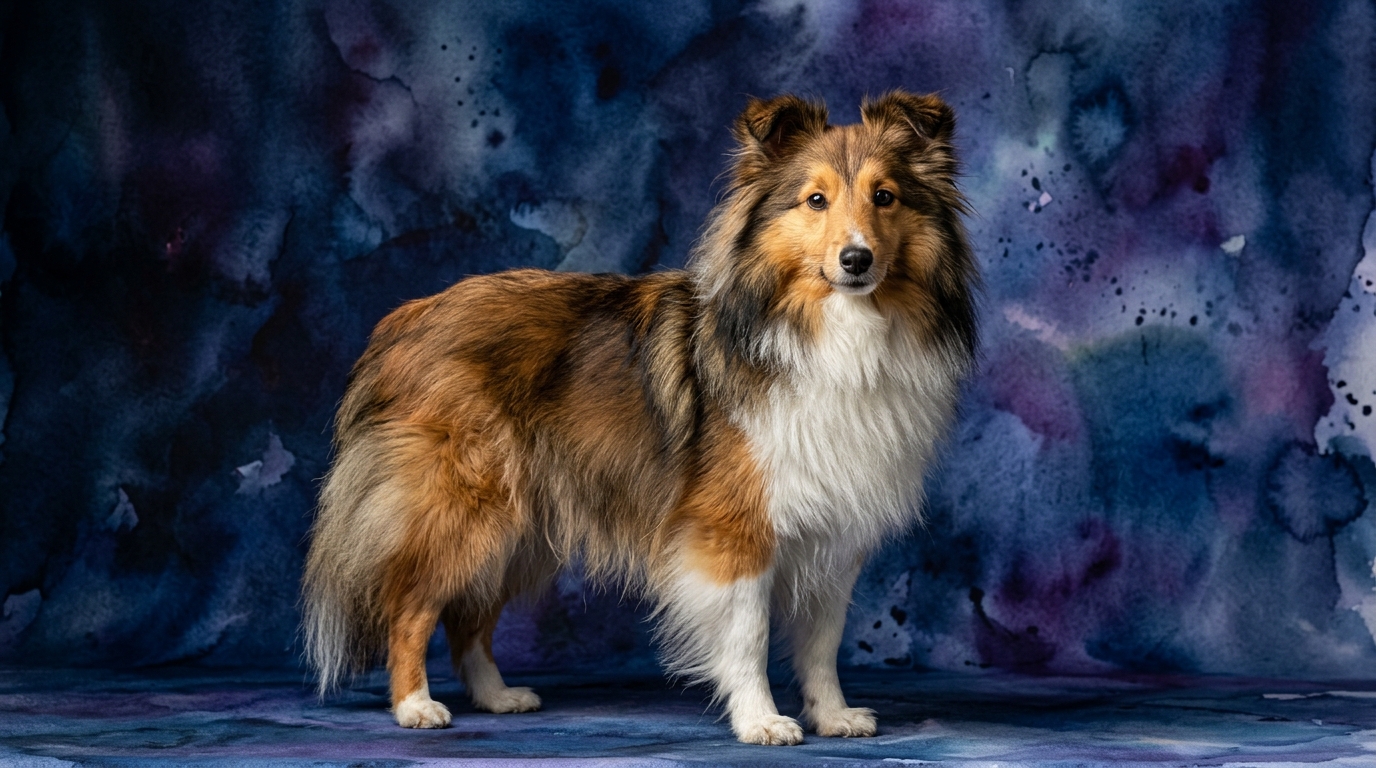
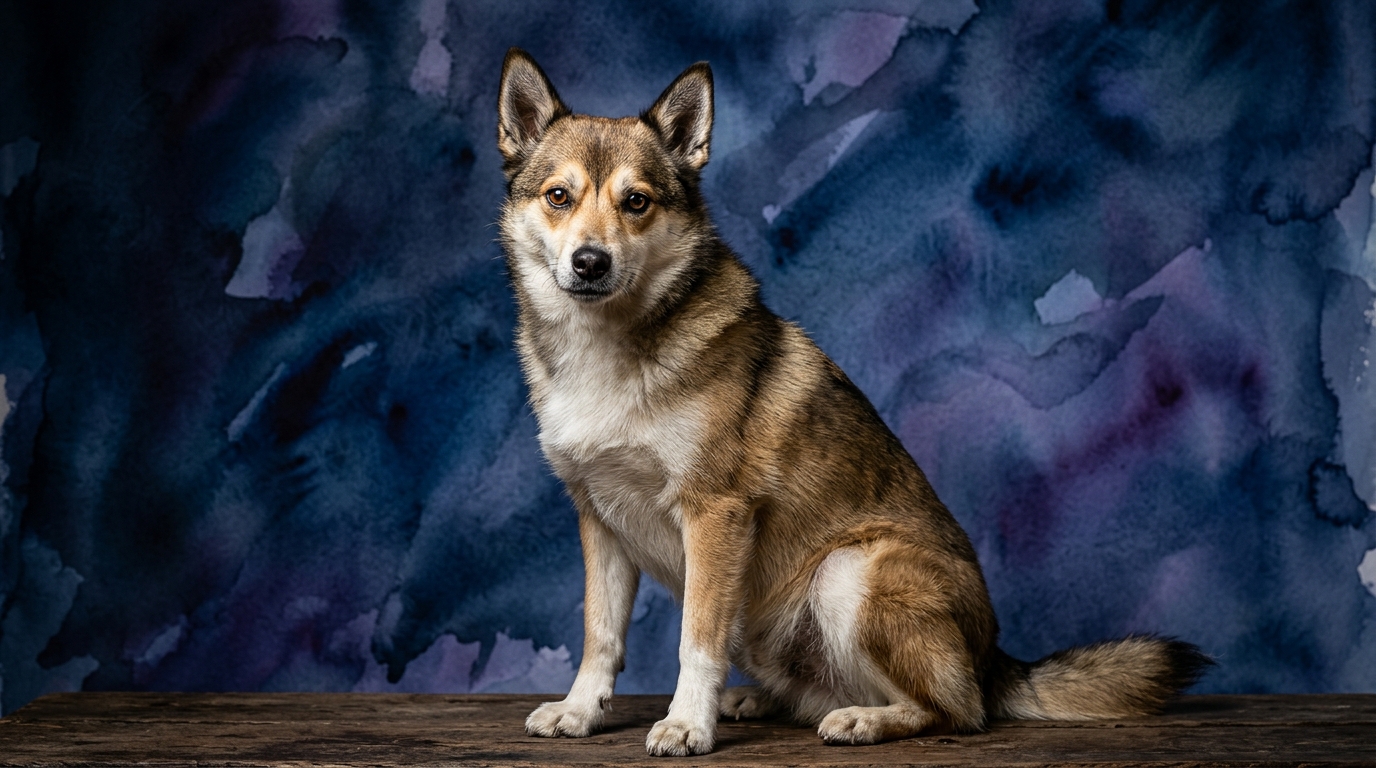
Side-by-Side IQ Profile: Sheltie vs. Lundehund
At The Cosmic Pet Pet IQ Lab, we evaluate canine intelligence across five key dimensions, offering a nuanced understanding beyond simple ranking. For the Shetland Sheepdog, a breed renowned for its herding acumen, its cognitive profile reflects a highly responsive and collaborative intellect. Its Problem Solving is rated 4/5, indicating a strong capacity for analyzing novel situations and devising effective solutions, often in real-time response to environmental shifts or human direction. Training Speed earns a perfect 5/5, showcasing an exceptional ability to rapidly acquire and retain new commands and complex behavioral sequences. Social Intelligence stands at 4/5, highlighting their deep attunement to human cues, emotions, and intentions, making them intuitive partners. The Instinctive Drive is a robust 5/5, rooted in their herding heritage, manifesting as a powerful intrinsic motivation for purpose, organization, and activity. Finally, their Memory is also a 5/5, demonstrating an outstanding capacity for recalling extensive repertoires of learned behaviors, routines, and environmental details over extended periods.
In stark contrast, the Norwegian Lundehund presents a cognitive profile shaped by an entirely different evolutionary path, that of a specialized puffin hunter in rugged coastal environments. Its Problem Solving is rated 3/5, suggesting a moderate ability to navigate challenges, often leaning on independent exploration and physical adaptability rather than relying on human guidance for solutions. Training Speed also sits at 3/5; while capable of learning, they typically require more repetition and patience due to their independent streak and less inherent desire to please. Social Intelligence is 3/5; they form strong bonds but can be more reserved and less overtly expressive or attuned to subtle human social cues compared to breeds bred for close collaboration. Their Instinctive Drive is a 3/5, reflecting a specialized drive for independent exploration, climbing, and foraging in challenging terrains, rather than a generalized working ethic. Memory is similarly rated 3/5, indicating a functional recall of learned behaviors and routines, but perhaps not the same depth or complexity as breeds with higher scores in this dimension.
Where the Shetland Sheepdog Wins Cognitively
The Shetland Sheepdog’s cognitive strengths shine brightly in areas demanding quick comprehension and collaborative execution. Their remarkable training speed, rated 5/5, means they can grasp new commands and multi-step routines almost effortlessly, often after just a few repetitions. This makes them exceptional candidates for advanced obedience, agility, and even intricate trick training, where their ability to link actions with verbal cues is paramount. Furthermore, their powerful instinctive drive, also a 5/5, translates into an inherent desire for purpose and engagement, channeling their energy into productive tasks rather than aimless activity. This drive, coupled with their 5/5 memory, allows them to recall extensive repertoires of commands and complex sequences, performing with precision and consistency in demanding environments like herding trials or search and rescue scenarios. Their intelligence is finely tuned for understanding and responding to human direction, making them incredibly intuitive partners, a trait reinforced by their historical placement at Coren rank #6 for working intelligence.
Where the Norwegian Lundehund Wins Cognitively
While the Lundehund's overall scores appear lower in a generalized comparative framework, their cognitive architecture represents a highly specialized form of intelligence, purpose-built for their unique historical role. Their problem-solving, rated 3/5, is not necessarily about human-centric tasks but rather an exceptional capacity for navigating complex, tight, and often vertical environments. Their ancient job involved hunting puffins in rocky crevices, demanding an unusual degree of physical and spatial problem-solving, like dislocating shoulder joints to squeeze into impossibly small spaces. This translates into a unique environmental awareness and an independent, exploratory approach to challenges. Their instinctive drive, also 3/5, is less about collaborative herding and more about self-directed investigation and persistence in solitary tasks. This breed exhibits a tenacious, independent spirit, making them adept at figuring things out on their own terms, relying on their physical adaptations and inherent curiosity to overcome obstacles in their environment, a cognitive trait that served them well as independent hunters.
Which is Easier to Train and Why?
Without question, the Shetland Sheepdog presents a significantly easier training experience for most owners. Their 5/5 training speed is a testament to their innate desire to learn and their eagerness to please their human companions. Shelties absorb new commands like sponges, often picking up basic obedience in a matter of days or weeks with consistent positive reinforcement. Their high social intelligence (4/5) means they are highly motivated by praise and connection, readily forming a strong working bond. They thrive on clear direction and respond enthusiastically to opportunities for mental engagement. In contrast, the Norwegian Lundehund, with its 3/5 training speed and social intelligence, requires a different approach. Their independent nature and historical role as solitary hunters mean they are less inherently inclined to blindly follow commands. Training a Lundehund demands immense patience, creativity, and a deep understanding of their unique motivations. They often need to understand the 'why' behind a command or perceive a clear benefit to themselves before complying, making them more challenging for novice trainers seeking rapid results, as they often prefer to think for themselves rather than simply obey.
Suitability for Active vs. Relaxed Owners
The Shetland Sheepdog is unequivocally suited for active owners who can provide ample mental stimulation and physical exercise. Their high instinctive drive and cognitive capacity demand a lifestyle rich in purpose, whether it's participating in dog sports like agility, flyball, or obedience, or simply engaging in daily, structured play and training sessions. A Sheltie thrives when given a 'job,' and without sufficient outlets for their sharp minds and energetic bodies, they can become bored, leading to undesirable behaviors such as excessive barking or destructive chewing. Conversely, while not entirely 'relaxed,' the Norwegian Lundehund can be a better fit for owners who appreciate a dog with bursts of energy followed by periods of independent relaxation. They enjoy exploring, climbing, and using their unique physical attributes, but their activity isn't always human-directed. They don't typically demand the constant, collaborative engagement of a Sheltie; instead, they might prefer to investigate their surroundings or simply observe from a comfortable perch, making them suitable for owners who enjoy a more independent canine companion who is self-sufficient in their play and exploration.
The Verdict
For those seeking a highly trainable, exceptionally responsive, and collaborative canine partner that excels in performance sports and thrives on shared mental challenges, the Shetland Sheepdog is the clear choice.
If you are drawn to a unique, independent, and physically agile companion with a specialized problem-solving intellect geared towards environmental exploration, and you possess the patience for unconventional training, the Norwegian Lundehund could be your ideal match.
🧠 Find Your Pet's IQ Score
Our Pet IQ Lab assessment covers 25+ tests across 5 cognitive dimensions — personalized to your breed.
Take the Full IQ Test →Frequently Asked Questions
Is the Norwegian Lundehund difficult to live with due to its independence?
Not necessarily difficult, but different. Their independence means they might not be as overtly 'needy' for constant human interaction as some breeds, appreciating their personal space. While they form deep bonds, they are often content observing or exploring on their own terms.
Can a Shetland Sheepdog be a good apartment dog?
Yes, a Shetland Sheepdog can adapt to apartment living provided their significant needs for mental and physical exercise are consistently met. Daily structured walks, interactive puzzle toys, and regular training sessions are crucial to prevent boredom and ensure a well-adjusted companion in a smaller space.
Do Lundehunds have any specific training challenges related to their unique physical traits?
While their physical traits are remarkable adaptations for their historical role, they don't directly pose training challenges in terms of learning commands. However, their extreme physical dexterity and flexibility, combined with their independent nature, can mean they are adept at escaping enclosures or climbing fences, which requires vigilant management and secure environments.