Side-by-Side Cognitive Profiles: Herder vs. Hunter
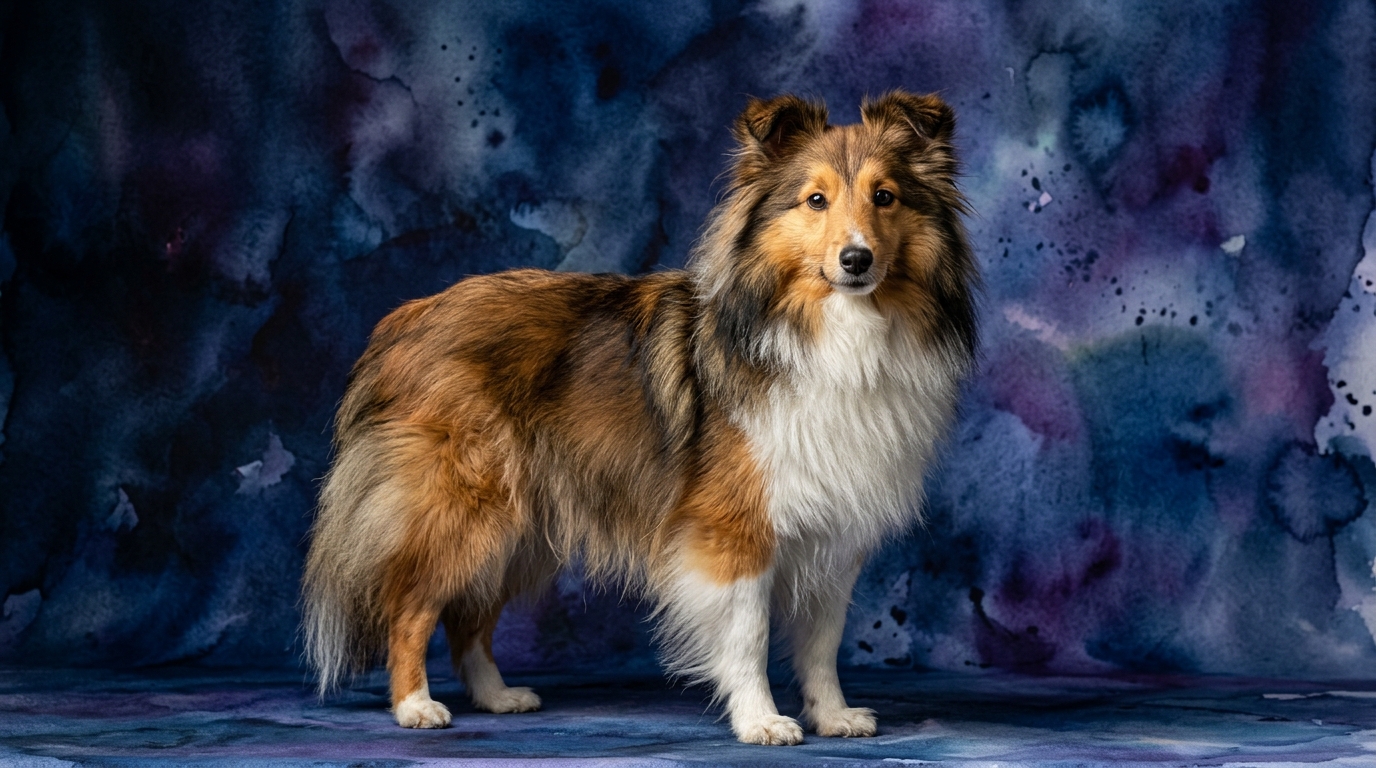
The Shetland Sheepdog, often referred to as a 'Sheltie,' stands as a testament to working breed acumen, securing a Coren rank of #6. Their cognitive profile reflects this, starting with a Problem Solving score of 4/5, indicating a capacity for complex thought and adaptive strategy, particularly in dynamic, task-oriented scenarios. Their Training Speed is an exceptional 5/5, meaning they absorb new commands and routines with remarkable alacrity. Social Intelligence, rated at 4/5, highlights their attunement to human cues and family dynamics, making them highly responsive companions. An Instinctive Drive of 5/5 underscores their inherent herding motivation, often expressed as a desire to gather or manage. Finally, their Memory, also a 5/5, ensures excellent retention of learned behaviors and experiences, contributing to their reputation for reliability.
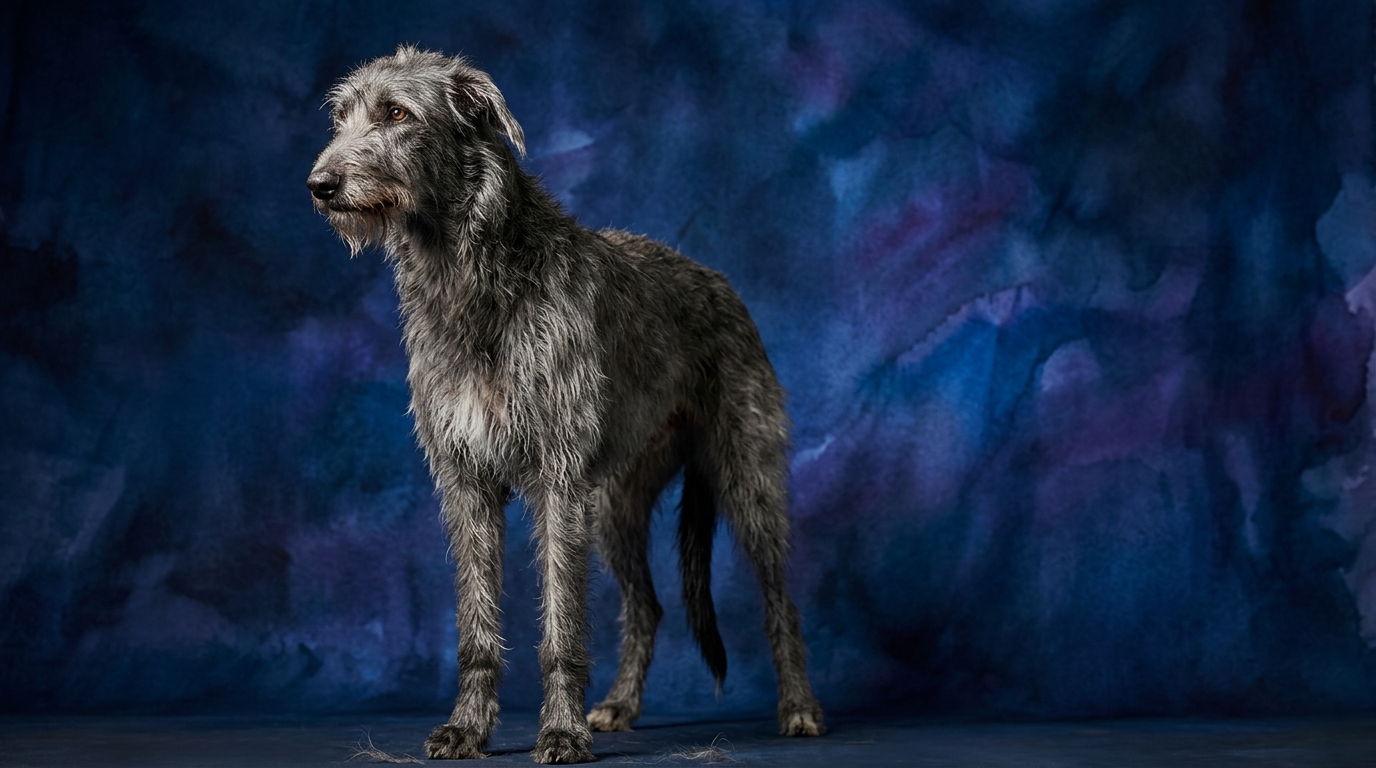
In contrast, the Scottish Deerhound, a majestic sighthound, operates from a different cognitive blueprint, not appearing on Coren's traditional ranking, which often undervalues breeds driven by independent thought and sensory pursuit. Their Problem Solving is rated at 3/5; they can navigate challenges, especially those related to securing comfort or pursuing a visual target, but may show less enthusiasm for abstract puzzles. Training Speed for a Deerhound is 3/5, suggesting they require more consistent reinforcement and patience, as their motivation is often intrinsic rather than solely people-pleasing. Social Intelligence at 3/5 means they understand human interactions but frequently choose to engage on their own terms, exhibiting a dignified independence. Their Instinctive Drive, also 3/5, is primarily focused on the chase, a powerful prey drive that defines their historical role. Memory at 3/5 indicates they retain information, but non-instinctive commands might need more frequent refreshers compared to a Sheltie.
Where the Shetland Sheepdog Excels Cognitively
The Shetland Sheepdog's cognitive strengths are deeply rooted in their history as diligent herders. Their 4/5 Problem Solving ability shines when faced with tasks requiring sequential steps or adapting to changing variables, like navigating an agility course or learning complex trick routines. This isn't just about following commands; it's about understanding the 'why' behind the action and adjusting their approach. Their 5/5 Training Speed and Memory work in tandem, allowing them to rapidly acquire a vast repertoire of commands and retain them over time, making them exceptionally consistent performers in obedience or competitive events. Furthermore, their 4/5 Social Intelligence means they are adept at reading subtle human body language and vocal tones, enabling them to anticipate needs or respond precisely to cues, fostering a deeply communicative partnership.
Where the Scottish Deerhound's Mind Finds Its Niche
While not geared for the same type of structured problem-solving as a herding breed, the Scottish Deerhound possesses a distinct set of cognitive advantages, particularly in areas demanding independent decision-making and sensory acuity. Their 3/5 Problem Solving, though lower, is highly effective in contexts relevant to their sighthound heritage; they excel at figuring out the most direct path to a perceived target or finding the most comfortable sunbeam. This independent thought, driven by visual stimuli and a pursuit instinct, means they are not easily deterred by minor obstacles when focused on a goal. Their 3/5 Instinctive Drive, while specific to prey, represents a powerful, unwavering focus once engaged, showcasing a different kind of mental tenacity. They are masters of observation, capable of spotting distant movement and assessing a situation from a unique, often detached, perspective.
Training Dynamics: Sheltie's Eagerness vs. Deerhound's Dignity
When it comes to training, the differences between these two breeds become particularly apparent. The Shetland Sheepdog's 5/5 Training Speed means they are typically a joy to teach, eager to please and quick to pick up new concepts, often requiring only a few repetitions to solidify a behavior. Their high Social Intelligence and Memory ensure they are not only fast learners but also reliable in recalling commands in various environments. This makes them highly suitable for owners who enjoy structured training, dog sports, or want a companion who quickly integrates into household routines. Their eagerness to engage makes positive reinforcement highly effective, as they thrive on interaction and mental stimulation.
The Scottish Deerhound, with a 3/5 Training Speed, approaches learning with more deliberation. They are not unintelligent, but their motivation often stems from their own desires rather than a strong drive to please. Training a Deerhound requires patience, consistency, and understanding their independent nature. They respond best to positive, reward-based methods that make training feel like a game or a beneficial exchange, rather than a demanding task. Owners should expect to invest more time in repetition and finding high-value motivators to maintain their focus, especially when competing with their powerful visual instincts. Their training success often relies on the trainer's ability to make learning engaging and relevant to the Deerhound's inherent drives, rather than relying solely on compliance.
Matching Canine Minds to Lifestyles: Active Engagement vs. Serene Companionship
The cognitive profiles of these breeds strongly dictate the type of lifestyle they will thrive in. The Shetland Sheepdog, with its robust problem-solving, rapid training speed, and high instinctive drive, is an ideal match for active owners who relish engaging their dog's mind daily. They require consistent mental stimulation through training, puzzles, or dog sports like agility, obedience, or herding trials. Owners who enjoy teaching new tricks, participating in canine activities, or simply having a highly responsive and interactive companion will find the Sheltie's cognitive makeup incredibly rewarding. Their need for a 'job' means they are best suited for environments where their intellect is regularly challenged.
The Scottish Deerhound, on the other hand, suits owners who appreciate a more relaxed, yet still active, companionship. While they possess a powerful instinct for a full-speed chase, their cognitive needs lean less towards constant structured tasks and more towards periods of intense physical exertion followed by long stretches of serene rest. Owners who enjoy long, free-running walks in secure areas where their Deerhound can stretch its legs and engage its sighthound instincts, but who also appreciate a calm, dignified presence indoors, will find a perfect partner. Their independent mind means they are not constantly seeking direction, making them suitable for individuals who value a dog's self-possessed nature and are comfortable with a less overtly 'busy' canine companion.
The Verdict
Choose a Shetland Sheepdog if you desire a highly trainable, eager-to-please companion who thrives on mental challenges and active participation in various dog sports or advanced obedience.
Opt for a Scottish Deerhound if you appreciate a dignified, independent companion who enjoys bursts of high-speed activity followed by quiet relaxation, and whose training journey rewards patience and understanding of their unique sighthound drives.
🧠 Find Your Pet's IQ Score
Our Pet IQ Lab assessment covers 25+ tests across 5 cognitive dimensions — personalized to your breed.
Take the Full IQ Test →Frequently Asked Questions
Are Shetland Sheepdogs good for first-time dog owners?
Yes, their eagerness to learn, high trainability, and social intelligence often make them suitable for first-time dog owners who are committed to providing consistent training and mental stimulation. They respond well to positive reinforcement and clear communication.
Do Scottish Deerhounds require a lot of exercise?
Scottish Deerhounds require regular opportunities for running at full speed in a safe, enclosed area to satisfy their sighthound instincts, typically for 20-30 minutes daily. Beyond this, they are generally calm indoors and content with moderate walks.
Which breed is more prone to separation anxiety?
Shetland Sheepdogs, with their strong social intelligence and desire for interaction, can be more prone to developing separation anxiety if left alone for extended periods without adequate mental and physical outlets. Scottish Deerhounds, due to their independent nature, tend to handle solitude better, though no dog should be left isolated excessively.