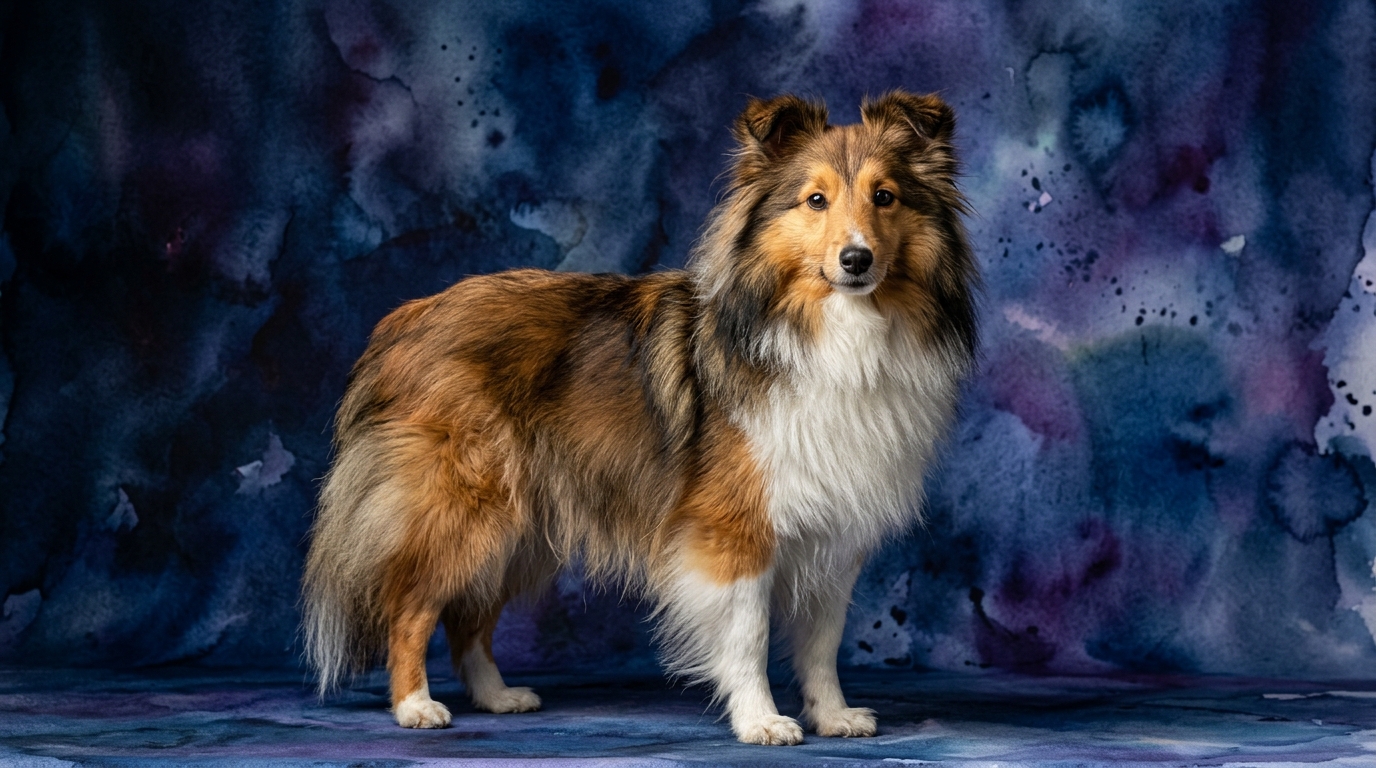
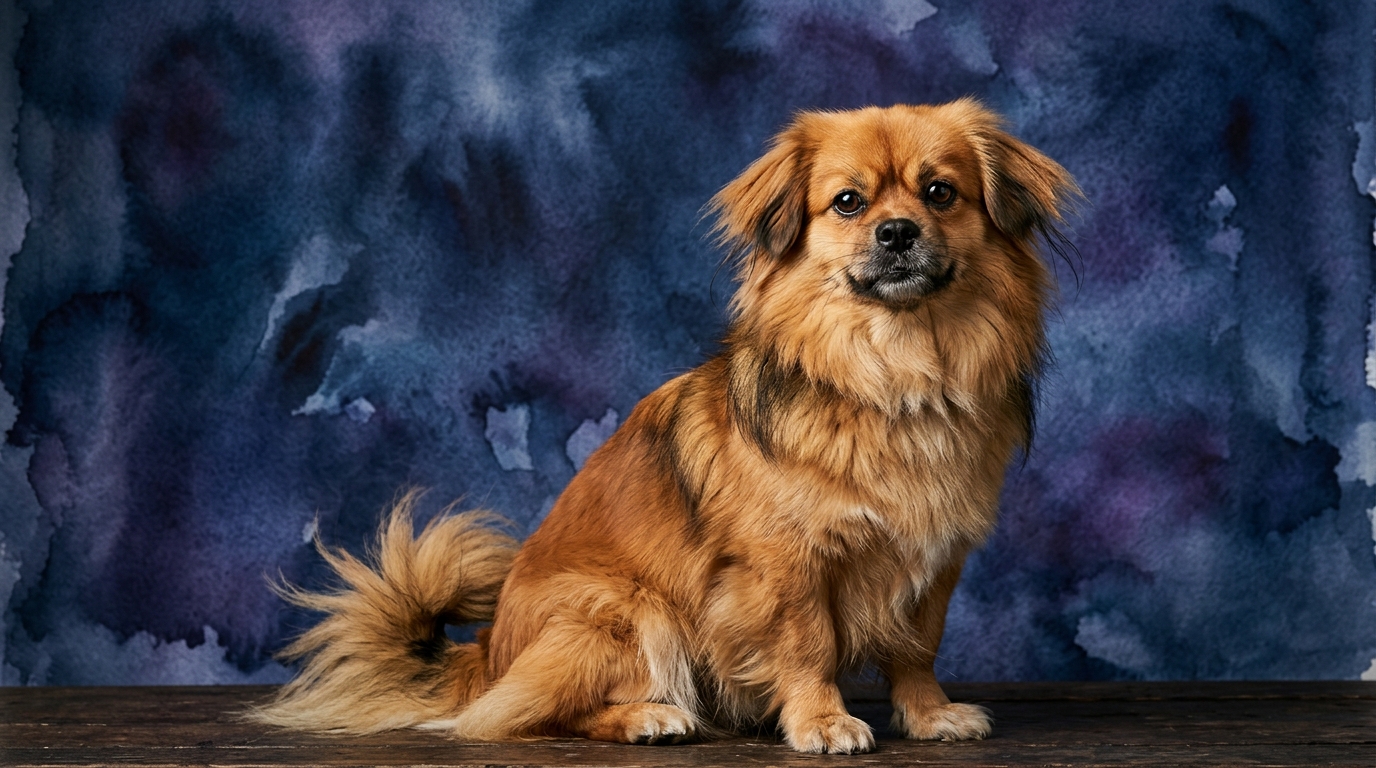
Side-by-Side Cognitive Profiles: Sheltie vs. Tibbie
The Cosmic Pet Pet IQ Lab provides a fascinating lens through which to view breed-specific cognitive strengths. For the Shetland Sheepdog, a Herding Group member, its profile reflects a deeply engaged mind: Problem Solving at a robust 4/5, Training Speed at a swift 5/5, Social Intelligence at 4/5, Instinctive Drive at an active 5/5, and Memory at an impressive 5/5. This breed also holds a notable Coren rank of #6, placing it among breeds that demonstrate a profound capacity for understanding and executing commands.
In contrast, the Tibetan Spaniel, a companion breed from the Non-Sporting Group, presents a different cognitive blueprint. Its scores are consistently moderate: Problem Solving 3/5, Training Speed 3/5, Social Intelligence 3/5, Instinctive Drive 3/5, and Memory 3/5. The Tibetan Spaniel is not listed in Coren's ranking, suggesting its cognitive strengths might manifest in ways less aligned with traditional obedience metrics, focusing instead on adaptability and companionship rather than complex task execution or rapid command acquisition. These distinct profiles hint at very different experiences for their human companions.
Where the Shetland Sheepdog's Cognition Excels
The Shetland Sheepdog's cognitive profile showcases a remarkable aptitude for learning and executing complex tasks. Its 4/5 in Problem Solving means it can adeptly navigate novel situations, figure out puzzles, and often anticipates outcomes, making it a capable partner in agility or advanced obedience. The Sheltie's 5/5 Training Speed is a testament to its eagerness and capacity for rapid command acquisition; it picks up new cues and behaviors with minimal repetition, often internalizing them after just a few sessions. This swiftness is coupled with a 5/5 Memory, allowing Shelties to retain extensive repertoires of commands, tricks, and routines over long periods, making them excellent candidates for advanced training and canine sports.
Furthermore, the Sheltie's 5/5 Instinctive Drive, rooted in its herding lineage, translates into a strong desire to work and a focused intensity when engaged in activities. This isn't just about physical activity; it's a cognitive drive to organize, control, and participate, which when channeled appropriately, makes them incredibly purposeful. Their 4/5 Social Intelligence helps them tune into human cues, understand social hierarchies, and respond appropriately within a family dynamic, often forming deep, communicative bonds with their primary caregivers. This combination of abilities renders the Sheltie particularly suited for roles requiring sustained mental engagement and precise execution.
Cognitive Strengths of the Tibetan Spaniel
While the Tibetan Spaniel's cognitive metrics are generally moderate, these scores reflect a distinct and valuable set of strengths, particularly for an owner seeking a different kind of companion. Its 3/5 in Problem Solving indicates a capacity for independent thought and navigating daily life effectively, without necessarily seeking out complex mental challenges. This moderate drive for solving intricate puzzles can be an advantage, as it means they are often content with simpler routines and less prone to inventing their own 'problems' out of boredom, which can be a blessing for owners with less time for intensive mental stimulation.
The Tibbie's 3/5 Instinctive Drive suggests a more relaxed approach to life; they are less compelled by an inherent 'job' or constant activity. This translates into a calmer presence in the home, often content to observe and participate on their own terms rather than constantly seeking direction. Their 3/5 Social Intelligence means they are affectionate and attuned to their family, but often with a degree of self-sufficiency. They enjoy companionship without being overly demanding of constant interaction, striking a balance that can be appealing to those who appreciate a dog with its own quiet dignity and a less intense need for constant validation or instruction. Their moderate Memory (3/5) means they retain important information and routines, but might not be burdened by recalling every minute detail or past transgression, contributing to their generally cheerful and adaptable disposition.
Training Engagement: Who Learns Faster?
When it comes to the training ring, the Shetland Sheepdog clearly demonstrates a quicker acquisition of behaviors. With a Training Speed of 5/5 and Memory of 5/5, Shelties grasp new commands and sequences with remarkable alacrity. Their Herding Group background instills a profound willingness to collaborate and follow direction, often viewing training as an engaging mental exercise. They thrive on positive reinforcement and the challenge of mastering new skills, making them a joy for experienced trainers or those eager to delve into advanced obedience, agility, or rally.
The Tibetan Spaniel, with its 3/5 Training Speed and Memory, presents a different training journey. While certainly capable of learning, they typically require more patience, repetition, and a consistent approach. Their companion background means they are often more independent in spirit, occasionally choosing to assess whether a command is truly worth their effort rather than blindly complying. Owners might find success by making training sessions fun and varied, keeping them short, and leveraging positive reinforcement to encourage their more self-sufficient nature. A Tibbie might not learn a ten-step routine in a week, but they will learn crucial house rules and basic commands with consistent, gentle guidance, albeit at their own considered pace.
Lifestyle Match: Active Engagement vs. Relaxed Companionship
For owners seeking an active and mentally stimulating partnership, the Shetland Sheepdog is often an ideal match. Their high scores in Problem Solving (4/5), Instinctive Drive (5/5), and Social Intelligence (4/5) mean they flourish with regular mental challenges, structured activities, and ample opportunities to engage their minds and bodies. They are often happiest when they have a 'job,' whether it's herding, agility, advanced obedience, or even just complex puzzle toys and daily training sessions. Shelties thrive in environments where their cognitive abilities are consistently engaged, making them excellent companions for hikers, runners, or those involved in dog sports who desire an eager and responsive partner.
Conversely, the Tibetan Spaniel's cognitive profile aligns beautifully with a more relaxed and less demanding lifestyle. Their moderate scores across the board (3/5 in most categories) indicate a dog that is content with a comfortable routine, moderate daily walks, and plenty of quality time with their family on the couch. While they enjoy play and interaction, their lower Instinctive Drive means they aren't constantly seeking intensive mental or physical tasks. They adapt well to apartment living and are often satisfied with being a watchful, affectionate presence, making them suitable companions for individuals or families seeking a charming, independent, yet loving dog that doesn't require an extensive commitment to structured activities or advanced training.
The Verdict
Choose the Shetland Sheepdog if you desire a highly trainable, mentally agile partner for activities like dog sports or advanced obedience, thriving on consistent mental engagement and a purposeful role.
Opt for the Tibetan Spaniel if you prefer a self-sufficient, adaptable companion content with a relaxed lifestyle, moderate activity, and affectionate, independent presence without intense training demands.
🧠 Find Your Pet's IQ Score
Our Pet IQ Lab assessment covers 25+ tests across 5 cognitive dimensions — personalized to your breed.
Take the Full IQ Test →Frequently Asked Questions
Do Shetland Sheepdogs require a lot of mental stimulation?
Yes, Shetland Sheepdogs, with their high Problem Solving (4/5) and Instinctive Drive (5/5), absolutely thrive on mental challenges. Providing puzzle toys, consistent training, and learning new tricks is crucial to keep their minds engaged and prevent boredom-related behaviors.
Are Tibetan Spaniels difficult to train due to their moderate scores?
Tibetan Spaniels are not difficult to train, but they require a different approach compared to breeds with higher training speeds. Their moderate Training Speed (3/5) means patience, positive reinforcement, and making sessions fun and engaging will yield the best results for consistent learning.
Which breed is better for first-time dog owners?
The better breed depends entirely on the owner's lifestyle and commitment. A Shetland Sheepdog suits a first-timer willing to dedicate significant time to training and mental enrichment, while a Tibetan Spaniel might be more forgiving for those seeking a charming companion with less intensive cognitive demands.