Side-by-Side Cognitive Profiles: Herding Acuity vs. Sighthound Instinct
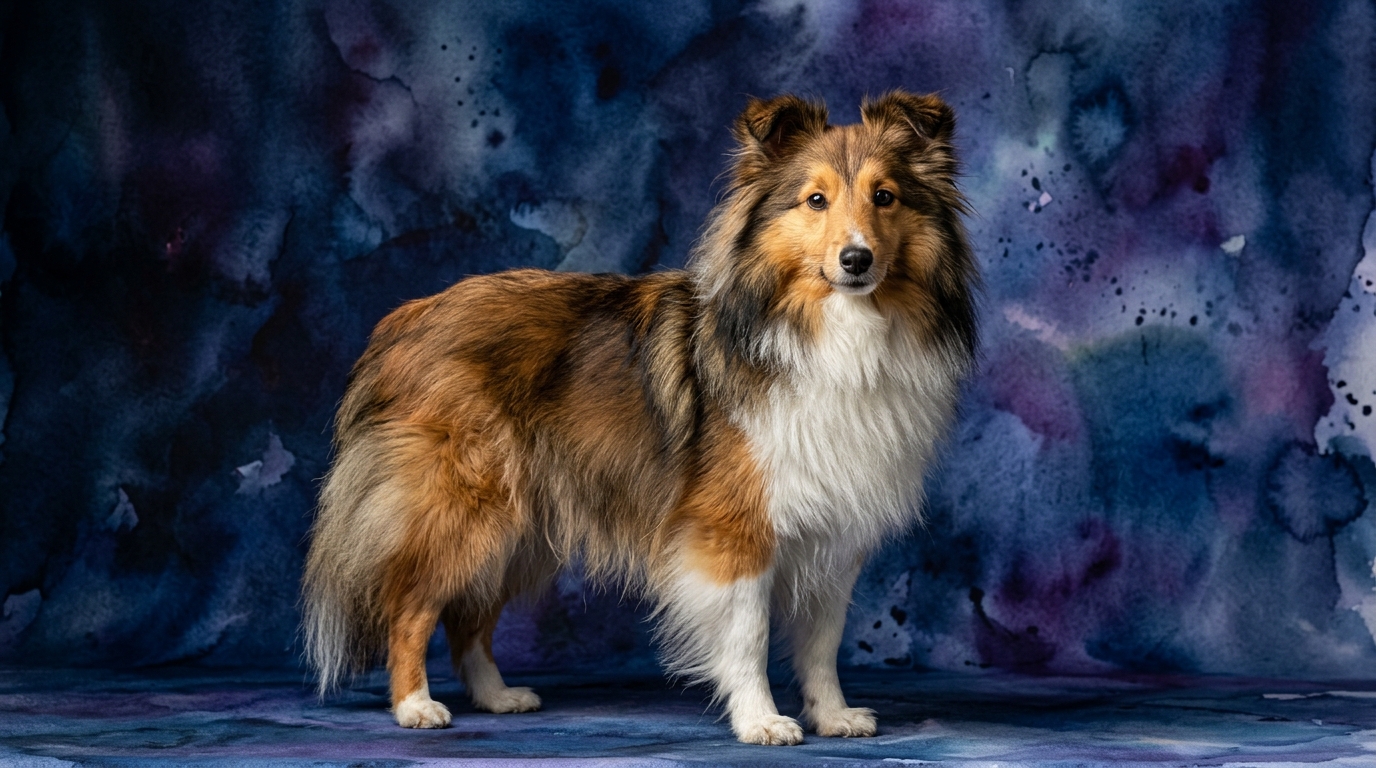
At The Cosmic Pet Pet IQ Lab, we analyze canine intelligence across five key dimensions, providing a nuanced understanding beyond simple 'smart' labels. The Shetland Sheepdog, a member of the Herding Group with a Coren rank of #6, presents a profile reflecting its demanding historical role. Its Problem Solving is rated 4/5, indicating a strong capacity to figure out complex situations independently. Training Speed, at a perfect 5/5, signifies exceptional eagerness and rapid command acquisition. Social Intelligence, essential for collaborative work, stands at 4/5, while its Instinctive Drive, encompassing its herding impulse, is a formidable 5/5. Memory, crucial for retaining complex sequences, also achieves a top score of 5/5.
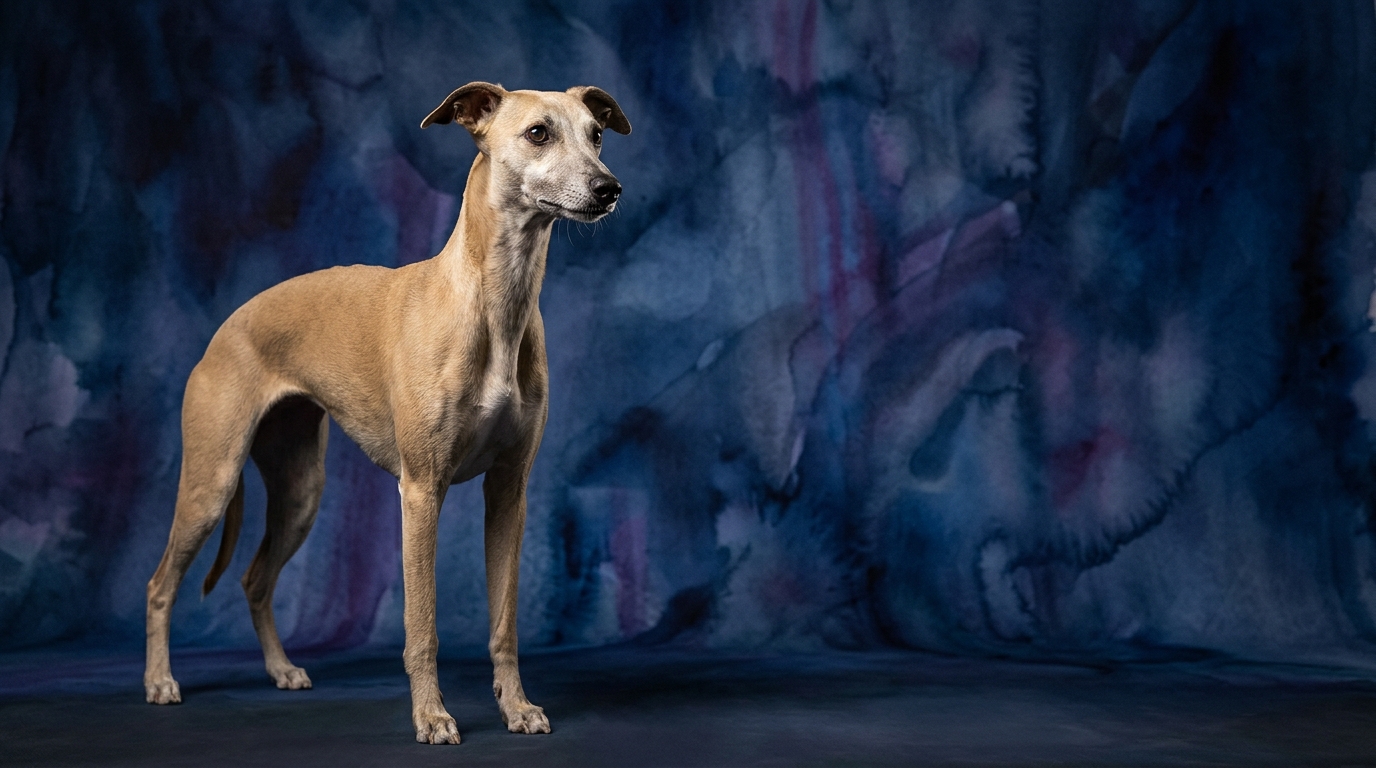
Conversely, the Whippet, a graceful member of the Hound Group and holding a Coren rank of #51, exhibits a cognitive makeup tailored for speed and independent pursuit. Its Problem Solving score is 3/5, suggesting practical, situation-specific solutions rather than intricate planning. Training Speed is rated 2/5, indicating a more independent learning style that requires patience and understanding. Social Intelligence matches the Sheltie at 4/5, highlighting their capacity for connection despite their hunting roots. Instinctive Drive, focused on prey detection and chase, is a powerful 5/5, reflecting their sighthound heritage. Memory, while sufficient for daily life, is rated 3/5, implying less emphasis on retaining extensive command repertoires.
Where the Shetland Sheepdog Excels Cognitively
The Shetland Sheepdog's cognitive strengths are deeply rooted in its pastoral heritage, where it needed to interpret and respond to a shepherd's subtle cues while managing livestock. Its exceptional Training Speed (5/5) means it processes new commands with remarkable alacrity, often grasping concepts in just a few repetitions. This rapid learning curve makes them highly amenable to advanced obedience, intricate agility courses, and even complex trick training, thriving on the challenge of mastering new skills.
Furthermore, the Sheltie's superior Memory (5/5) allows them to retain extensive repertoires of commands and multi-step sequences, a vital asset for a working dog that might need to execute a series of actions far from its handler. This robust memory, combined with a Problem Solving score of 4/5, empowers them to adapt learned behaviors to novel situations, such as navigating an unfamiliar agility course or figuring out how to retrieve a toy from a tricky spot. Their strong Social Intelligence (4/5) also means they are highly attuned to human intentions and emotional states, making them excellent partners in tasks requiring close collaboration and mutual understanding.
Where the Whippet's Cognitive Strengths Lie
While the Whippet's cognitive profile differs from the Sheltie's, it possesses unique strengths honed by its role as a sighthound. Its Instinctive Drive (5/5) is a prime example, manifesting as an unparalleled ability to spot, track, and pursue moving objects with incredible focus and speed. This isn't merely a physical attribute; it's a cognitive process involving rapid visual processing, immediate decision-making, and an unwavering commitment to the chase, demanding a specific kind of problem-solving in dynamic, high-speed environments.
The Whippet's Problem Solving at 3/5, while lower than the Sheltie's, reflects a different kind of practical intelligence. They are adept at finding the quickest path to a perceived 'prey' or navigating open spaces with efficiency, relying on their keen senses and independent judgment rather than intricate, handler-directed strategies. Their Social Intelligence (4/5), equal to the Sheltie's, suggests a capacity for strong bonds and understanding within their immediate social circle, often expressed through quiet companionship rather than overt biddability. This allows them to integrate well into family life, offering affectionate, calm presence when not engaged in a sprint.
Training: A Tale of Two Temperaments
When it comes to training, the differences between these two breeds become particularly apparent, largely due to their disparate Training Speed scores. The Shetland Sheepdog, with its 5/5 Training Speed, is often described as a dream to train. Their eagerness to please, coupled with their sharp memory and high social intelligence, means they pick up new commands with remarkable speed and enthusiasm. They thrive on positive reinforcement, praise, and the mental engagement that training provides, often viewing it as a rewarding collaborative game. This makes them excellent candidates for competitive obedience, rally, and any activity requiring precise, consistent responses.
The Whippet, with a Training Speed of 2/5, presents a different training experience. This is not to say they are untrainable, but rather that their learning style is more independent and less driven by a desire to constantly please. Whippets require patience, consistency, and a deep understanding of their sighthound nature. They may learn commands more slowly, needing more repetitions, and might choose to obey only if they perceive a benefit or if the request doesn't conflict with a more compelling instinct, like chasing a squirrel. Training sessions should be kept positive, engaging, and relatively short to maintain their interest, focusing on building a relationship based on trust rather than strict adherence.
Matching Breeds to Lifestyles: Active Engagement vs. Relaxed Companionship
The cognitive and temperamental distinctions between Shetland Sheepdogs and Whippets also dictate their suitability for different owner lifestyles. The Shetland Sheepdog thrives with active owners who can provide consistent mental stimulation and physical activity. Their high instinctive drive (5/5) and problem-solving ability demand a 'job,' whether it's through herding, agility, obedience, or even complex puzzle toys. Owners who enjoy structured activities, daily training sessions, and long, engaging walks will find a Sheltie to be a highly rewarding and responsive companion. A Sheltie left without sufficient mental challenge can become bored and develop undesirable behaviors, channeling their intelligence into less constructive outlets.
In contrast, the Whippet suits owners who appreciate a dog with bursts of intense activity followed by extended periods of calm. While they need regular opportunities to sprint in a securely fenced area, their exercise needs are often met with a few energetic runs a day, followed by quiet relaxation indoors. Their independent nature means they are often content to lounge near their people, making them excellent companions for more relaxed owners who enjoy peaceful downtime. However, it's crucial that owners understand and cater to their powerful instinctive drive (5/5) for chasing, ensuring safe environments for them to express this natural behavior without risk.
The Verdict
Choose a Shetland Sheepdog if you're an active owner seeking a highly biddable, intelligent partner for complex training, dog sports, and consistent mental engagement.
Opt for a Whippet if you appreciate an affectionate, independent companion who enjoys short bursts of intense activity followed by long, calm periods of relaxation at home.
🧠 Find Your Pet's IQ Score
Our Pet IQ Lab assessment covers 25+ tests across 5 cognitive dimensions — personalized to your breed.
Take the Full IQ Test →Frequently Asked Questions
Are Shetland Sheepdogs good for first-time dog owners?
Yes, Shetland Sheepdogs can be excellent for first-time owners who are committed to providing consistent training and mental stimulation. Their eagerness to please and high trainability make the learning process rewarding, but their energy and intelligence require dedication.
Do Whippets need a lot of exercise?
Whippets need regular exercise, but not necessarily a high volume. They thrive on short, intense bursts of running in a safe, fenced area, rather than endurance activities. After a good sprint, they are typically content to relax indoors, making them good apartment dwellers if their exercise needs are met.
Which breed is better with children?
Both breeds can be good with children when properly socialized and raised. Shetland Sheepdogs often enjoy interacting and playing, while Whippets tend to be gentle and tolerant, though they might prefer quieter interactions. Supervision is always recommended with any dog and child.