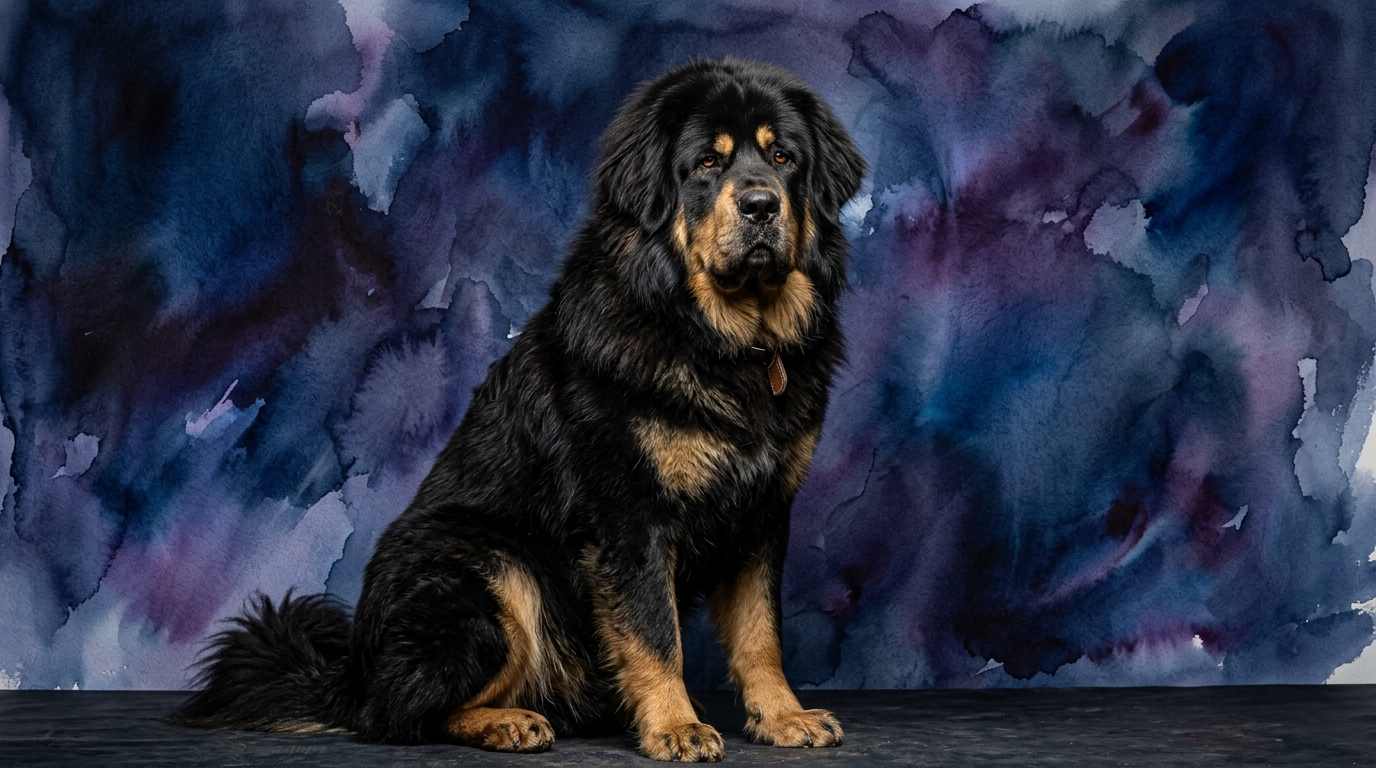
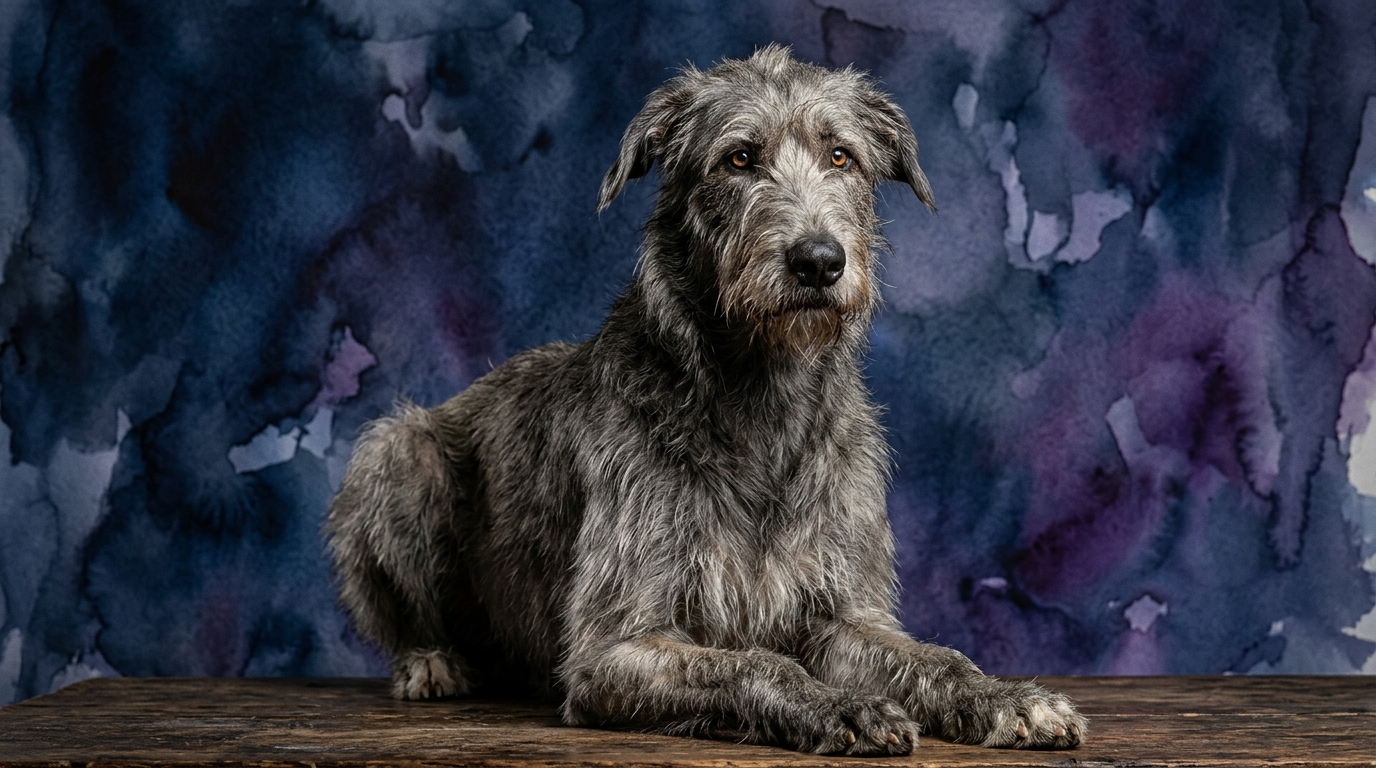
Side-by-Side IQ Profile: Tibetan Mastiff vs. Irish Wolfhound
At The Cosmic Pet Pet IQ Lab, we evaluate canine intelligence across five key dimensions. For both the Tibetan Mastiff and the Irish Wolfhound, each dimension scores 3 out of 5, indicating a solid, functional intelligence. However, the *manifestation* of this intelligence is profoundly shaped by their breed-specific histories and temperaments.
For the **Tibetan Mastiff**, their 3/5 scores break down as follows: **Problem Solving (3/5)**: This breed approaches problem-solving with a pronounced focus on observation and independent decision-making, particularly concerning the security of their territory and the safety of their family. They excel at assessing potential threats, such as unusual noises or unfamiliar presences, and devising strategies to deter them, often preferring to analyze a situation thoroughly before initiating action, rather than relying on immediate human instruction. Their intelligence here is about vigilance and strategic self-sufficiency. **Training Speed (3/5)**: Training a Tibetan Mastiff demands exceptional consistency, patience, and a deep understanding of their independent spirit. While they are fully capable of learning commands and routines, their pace is often measured, and they frequently weigh the perceived value or necessity of a command against their own judgment or inherent guarding instincts. They reliably internalize rules and boundaries crucial for their protective role, albeit on their own unique timeline and often with a 'what's in it for me?' attitude. **Social Intelligence (3/5)**: Their social intelligence is deeply rooted in profound loyalty to their immediate human family and a cautious, discerning approach to outsiders. Tibetan Mastiffs form intense, lasting bonds with their chosen pack, accurately reading their emotions, intentions, and even subtle shifts in mood. However, they maintain a distinctly reserved and often aloof demeanor towards strangers, employing keen observational skills to evaluate new individuals. This score reflects a selective but profound understanding of social dynamics within their established circle, coupled with a highly developed ability to identify potential threats or non-threats in novel encounters. **Instinctive Drive (3/5)**: The dominant instinctive drive in a Tibetan Mastiff is unwavering territorial guardianship. This manifests as an innate, powerful need to patrol, observe, and protect their perceived domain and its inhabitants, often expressed through watchful vigilance from a vantage point and a deep, resonant, warning bark. Their drive is less about active pursuit or playful engagement and more about deterrence through presence and a keen awareness of environmental changes and potential intrusions, making them natural sentinels. **Memory (3/5)**: Tibetan Mastiffs possess a robust and enduring memory, particularly for people, places, and routines directly associated with their territory and family. They meticulously remember past interactions, both positive and negative, and apply these memories to future judgments about individuals or situations, demonstrating a long-term recall for friend or foe. This strong cognitive function is paramount for their role as a discerning guardian, allowing them to distinguish between familiar, trusted individuals and potential threats with remarkable precision over extended periods.
The **Irish Wolfhound**, also scoring 3/5 across the board, utilizes their cognitive abilities in ways reflecting their sighthound heritage: **Problem Solving (3/5)**: Irish Wolfhounds exhibit problem-solving skills primarily in contexts related to their sighthound heritage, focusing on dynamic environmental interaction. This includes navigating varied terrain efficiently during a chase, anticipating the movements of a distant object, or finding the most direct path across an open field. They demonstrate an efficient, often instinctive, approach to overcoming physical obstacles or strategizing during open-field pursuits. While not typically inclined towards complex puzzle-solving games, their intelligence shines in tasks requiring quick assessment of spatial dynamics and rapid, coordinated physical responses. **Training Speed (3/5)**: Training an Irish Wolfhound can be a rewarding experience, as they generally possess a gentle, cooperative nature and a desire to please, though their sighthound instincts can sometimes lead to momentary distraction. They are capable of learning a wide range of commands and excel with positive reinforcement, but their independent streak means that consistent, engaging training methods are essential to maintain their focus, especially outdoors. Their learning pace is steady and reliable, building effectively on repetition and clear, gentle communication. **Social Intelligence (3/5)**: Irish Wolfhounds display a notably gentle, amiable, and often empathetic social intelligence, eager to engage affectionately with their family and generally tolerant of strangers, though they are not without their own quiet discernment. They are highly sensitive to human moods and seek companionship, often acting as calm, comforting presences. Their social understanding is geared towards harmonious interaction within their human family and with respectful visitors, demonstrating a remarkable capacity for gentle communication and emotional attunement. **Instinctive Drive (3/5)**: The primary instinctive drive of the Irish Wolfhound is deeply rooted in their history as a large game hunter—the powerful impulse to spot, chase, and pursue. This manifests as exceptional visual acuity, an irresistible urge to run at high speed in open spaces, and a strong prey drive, particularly towards small, fast-moving objects or wildlife. While domesticated, this core drive remains influential, dictating their need for secure outdoor areas and appropriate, safe outlets for their natural inclinations. **Memory (3/5)**: Irish Wolfhounds demonstrate a good and consistent memory for established routines, familiar people, and learned commands. They can recall training cues effectively and recognize individuals they’ve met before, often greeting them with a characteristic quiet enthusiasm. Their memory aids significantly in navigating their environment, adapting to their household's rhythm, and remembering where their favorite napping spots are, contributing to their generally agreeable and predictable nature once routines are well-established.
Where the Tibetan Mastiff Wins Cognitively
The Tibetan Mastiff truly excels in cognitive areas directly tied to their ancient role as a steadfast, independent guardian. Their superior problem-solving manifests in their remarkable ability to independently assess complex environmental cues and determine the most effective course of action to protect their territory and family, often without explicit human direction. This involves nuanced judgment in distinguishing between, for example, a harmless mail carrier and a potential intruder, a skill honed by centuries of solitary watchfulness. Their social intelligence, while selective, allows for an unparalleled depth of understanding within their immediate family unit, enabling them to anticipate needs and moods with uncanny accuracy, making them exceptionally attuned and devoted companions to their chosen few. Furthermore, their memory for specific threats, safe individuals, and the intricate boundaries of their perceived territory is exceptionally robust, contributing directly to their consistent, reliable, and highly discerning protective behavior.
Where the Irish Wolfhound Wins Cognitively
The Irish Wolfhound's cognitive strengths are deeply rooted in their sighthound heritage, particularly in their dynamic interaction with the physical environment. They demonstrate a specialized form of problem-solving centered on spatial awareness, rapid environmental scanning, and dynamic target tracking, making them exceptionally adept at navigating varied terrains and anticipating movement during high-speed pursuits. This involves quick visual processing and instantaneous decision-making in open spaces, rather than prolonged strategic contemplation. Their instinctive drive, focused intensely on chase and pursuit, is a testament to their exceptional visual acuity and ability to react instantaneously to distant, fast-moving stimuli. This breed's gentle and adaptable social intelligence, while different from the Mastiff's fierce loyalty, allows for a broader, more harmonious interaction with various people and situations, showcasing a remarkable capacity for calm, tolerant, and empathetic engagement.
Training Dynamics: A Tale of Two 3/5s
Despite both breeds scoring 3/5 in training speed, the *approach* to training and the *types* of training that prove easier differ significantly due to their inherent temperaments. The Irish Wolfhound generally presents an easier training experience for basic obedience and house manners due to their amiable nature, desire to please, and greater willingness to cooperate with human instruction. Their potential for distraction by visual stimuli, a strong remnant of their sighthound instincts, requires consistent positive reinforcement and engaging methods to maintain focus, particularly outdoors, but they typically absorb commands steadily and without much resistance. In contrast, the Tibetan Mastiff’s profound independence, inherent self-reliance, and deep-seated guardian mentality mean they often question the utility or necessity of a command, leading to a slower, more deliberate training process for conventional obedience. While they are fully capable of learning and remembering, their compliance is often conditional on their own judgment of the command's relevance and their respect for the trainer. Training a Tibetan Mastiff is less about rapid acquisition of tricks and more about establishing a clear, respectful partnership built on unwavering trust and consistent boundaries, often requiring more patience, a firm but fair hand, and a deep understanding of their unique, ancient mindset.
Lifestyle Match: Active vs. Relaxed Owners
When considering an active versus relaxed lifestyle, these two breeds present distinct needs that owners must carefully evaluate. The Irish Wolfhound, despite their calm and often 'couch potato' demeanor indoors, is better suited for owners who can provide regular opportunities for bursts of high-intensity activity. Their sighthound heritage dictates a crucial need for daily, secure off-leash running in a large, fenced area where they can stretch their immense limbs and satisfy their inherent chase instinct safely. While they enjoy lounging around the house, denying them these essential physical outlets can quickly lead to restlessness, destructive behaviors, or anxiety. Conversely, the Tibetan Mastiff, while certainly requiring a secure, large yard for self-directed patrolling and observation, is generally more suited for relaxed owners in terms of *direct, interactive* activity demands. They are not typically inclined towards strenuous, interactive exercise like fetching, jogging long distances, or agility. Their exercise often consists of self-directed vigilance and a few leisurely walks. What they demand, however, is a relaxed owner who can consistently provide clear, confident leadership and a predictable, calm environment, understanding their deep-seated need for independent oversight of their domain rather than constant interactive engagement.
The Verdict
Choose the Tibetan Mastiff if you seek a fiercely loyal, independent guardian who thrives on observing and protecting its domain with deliberate intelligence, and you are prepared for a dog that values its own judgment in training.
Opt for the Irish Wolfhound if you desire a gentle, amiable giant who enjoys bursts of spirited running and cooperative training, and appreciates a calm, affectionate presence in the home.
🧠 Find Your Pet's IQ Score
Our Pet IQ Lab assessment covers 25+ tests across 5 cognitive dimensions — personalized to your breed.
Take the Full IQ Test →Frequently Asked Questions
Do Tibetan Mastiffs and Irish Wolfhounds get along with other pets?
Tibetan Mastiffs can coexist peacefully with other pets if raised with them from a young age and properly socialized, though their guardian instincts may lead to wariness of new animal introductions. Irish Wolfhounds are generally good with other dogs due to their gentle nature, but their strong prey drive requires careful management around smaller, fast-moving pets.
Are these breeds good for first-time dog owners?
Neither breed is typically recommended for first-time dog owners. Both require experienced owners who understand their unique temperaments, significant size, and specific training and socialization needs. The Tibetan Mastiff's independence and guarding instincts, and the Irish Wolfhound's sighthound drives and large size, demand confident and consistent handling.
How much grooming do Tibetan Mastiffs and Irish Wolfhounds require?
Tibetan Mastiffs have a dense double coat that requires regular brushing, especially during shedding seasons, to prevent matting and manage loose hair. Irish Wolfhounds have a wiry, rough coat that needs weekly brushing and occasional hand-stripping to maintain its texture and minimize shedding, along with regular care for their beard and furnishings.