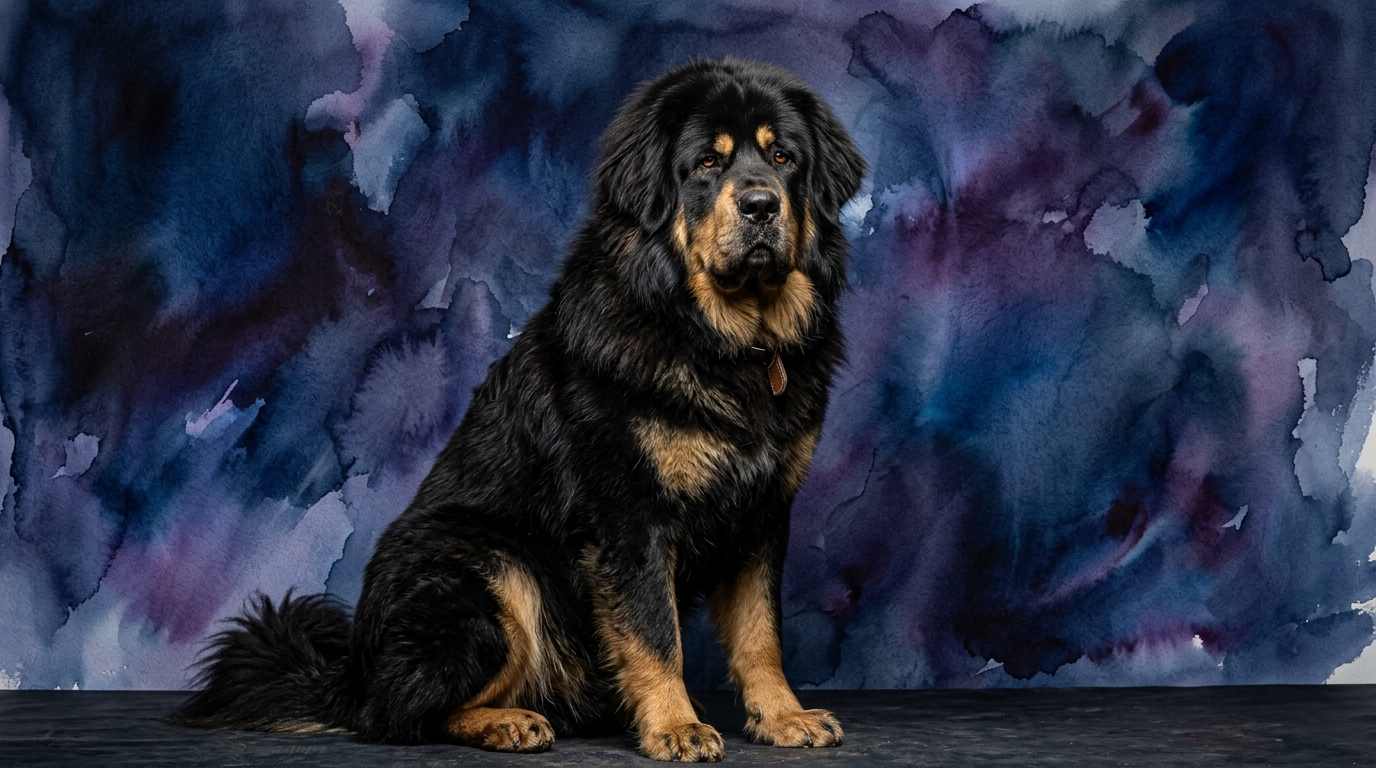
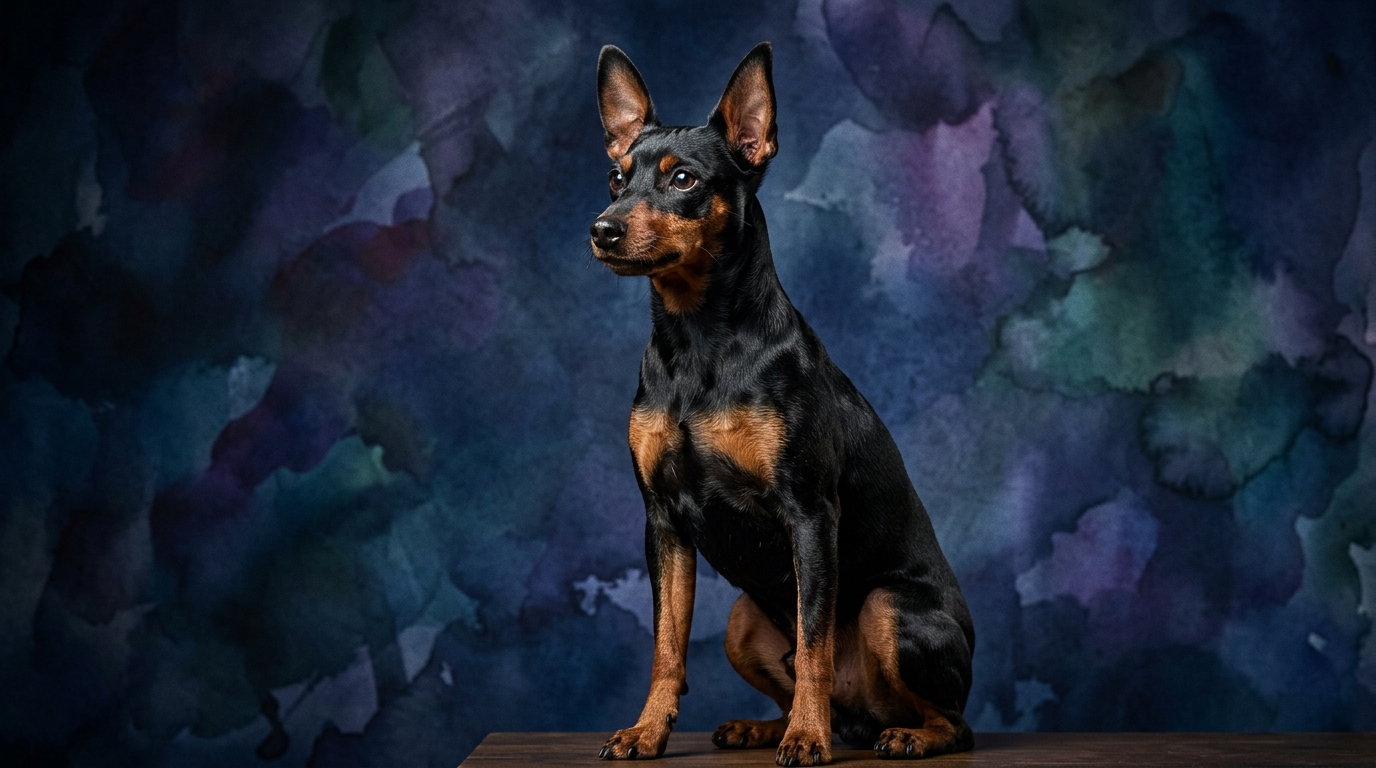
Side-by-Side IQ Profile: Tibetan Mastiff vs. Miniature Pinscher
Despite both breeds scoring 3/5 across all five cognitive dimensions in the Pet IQ Lab, the manifestation of these scores differs dramatically due to their distinct evolutionary paths and temperaments. Understanding these nuances is key to appreciating their unique mental makeups.
The **Tibetan Mastiff**, a majestic guardian breed, processes the world with a deliberate, independent mindset, honed by centuries of solitary watchfulness.
* **Problem Solving (3/5):** These colossal guardians excel at independent, situational problem-solving, particularly when it pertains to their perceived territory or family. Their solutions are often deliberate and self-reliant, reflecting centuries of guarding livestock and property without constant human direction. They might not quickly solve novel puzzle toys designed for immediate rewards, but they exhibit nuanced strategic thinking in assessing and neutralizing perceived threats or managing their environment.
* **Training Speed (3/5):** The Tibetan Mastiff learns commands at a moderate pace, but their formidable independence means they often evaluate whether a command aligns with their own agenda. They are not dogs that blindly obey; rather, they process instructions and decide if compliance is warranted. This cognitive deliberation can make training appear slower, as consistent motivation and a strong, respectful bond are essential for their cooperation rather than rote memorization.
* **Social Intelligence (3/5):** Their social acumen is highly discerning. Tibetan Mastiffs possess a profound understanding of their immediate family unit, exhibiting deep loyalty and protective instincts. With strangers, their social intelligence manifests as careful observation and a reserved, often aloof demeanor, accurately assessing intentions before acceptance. They read subtle cues within their established 'pack' and can be surprisingly gentle, yet their protective instincts are always finely tuned.
* **Instinctive Drive (3/5):** Driven by a powerful, ancient guarding instinct, their cognitive processes are heavily geared towards vigilance and protection. This translates to an inherent drive to patrol, observe, and react to changes in their environment. Their decisions are often rooted in this deep-seated need to secure their territory and family, making them acutely aware of their surroundings and potential intruders, a cognitive trait that requires careful management in a domestic setting.
* **Memory (3/5):** Tibetan Mastiffs possess a robust memory, particularly for people, places, and experiences related to their territory and family. They remember perceived threats, safe individuals, and established routines with precision. This long-term memory contributes to their consistent guarding behavior and allows them to build enduring bonds, though it also means they don't easily forget negative experiences or perceived slights.
The **Miniature Pinscher**, often dubbed the 'King of Toys,' approaches cognition with a spirited, bold, and often opportunistic flair, despite their small stature.
* **Problem Solving (3/5):** Miniature Pinschers exhibit a clever, often opportunistic approach to problem-solving. They are adept at figuring out how to get what they want, whether it's navigating obstacles to reach a favorite toy or using their charm to solicit attention or treats. Their solutions are typically quick and decisive, driven by their energetic and assertive nature. They may not engage in complex abstract reasoning but excel at practical, immediate challenges within their environment.
* **Training Speed (3/5):** These spirited dogs learn quickly, often grasping new commands with enthusiasm. However, their training speed can be tempered by their independent streak and propensity for distraction. While they can pick up cues rapidly, maintaining their focus and ensuring consistent execution requires engaging methods and patience. Their cognitive processing is fast, but their 'what's in it for me?' attitude means they need strong motivation to perform reliably.
* **Social Intelligence (3/5):** Miniature Pinschers display a vibrant social intelligence, keenly observing human and animal interactions. They are often alert and can be quite expressive, communicating their desires and moods effectively. While deeply devoted to their families, their social acumen includes a tendency to be wary of strangers and other dogs, often asserting their presence with confidence. They quickly learn who is part of their inner circle and who is not.
* **Instinctive Drive (3/5):** Despite their 'Toy' classification, Miniature Pinschers retain a strong, terrier-like instinctive drive, particularly for chasing small prey and asserting dominance. This drive manifests as high energy, alertness, and a determined pursuit of perceived 'intruders' (squirrels, leaves, unfamiliar sounds). Their cognitive focus is often on movement and their surroundings, making them excellent watchdogs with a persistent, sometimes relentless, drive.
* **Memory (3/5):** Miniature Pinschers possess a good working memory for routines, commands, and the people they interact with regularly. They remember where their favorite toys are hidden and recall training cues effectively. Their memory contributes to their consistent behavior patterns and their ability to anticipate events, though their strong immediate drives can sometimes override learned behaviors if not reinforced.
Where the Tibetan Mastiff Wins Cognitively
The Tibetan Mastiff's cognitive strengths truly shine in areas demanding independent decision-making and long-term vigilance. Their capacity for sustained, nuanced environmental monitoring, assessing threats over extended periods without direct human instruction, far surpasses the Miniature Pinscher. This breed excels in a deep, intrinsic understanding of boundaries and the complex social dynamics within their established family, relying on a memory that stores detailed information about perceived friend or foe, crucial for their guardian role.
Where the Miniature Pinscher Wins Cognitively
Conversely, the Miniature Pinscher exhibits a distinct cognitive edge in agility-based problem-solving and immediate adaptability within a domestic setting. Their quick processing of environmental changes and their ability to devise rapid, often charming, strategies to achieve immediate goals—like getting a toy or attention—demonstrates a different kind of mental nimbleness. They are particularly adept at reading human emotional states and adjusting their behavior to elicit desired responses, a form of social manipulation the more stoic Mastiff rarely employs.
Which is Easier to Train and Why?
While both breeds are rated 3/5 in training speed, their approaches to learning differ significantly, impacting perceived ease of training. The Miniature Pinscher, with its energetic and attention-seeking nature, often learns commands rapidly when motivated by treats or praise, though their independent streak and proneness to distraction mean consistency is key. Their smaller size also makes managing their physical responses less challenging. The Tibetan Mastiff, however, learns at a deliberate pace and evaluates commands against their own strong will and ingrained purpose. Training a Mastiff requires immense patience, respect for their independence, and a deep understanding of their guardian mindset; compliance is often earned through trust and mutual respect rather than simple repetition. Their sheer size also means that any lack of training translates to significant physical challenges, making the process more demanding.
Which Suits Active Owners vs. Relaxed Owners?
The Miniature Pinscher is ideally suited for active owners who relish regular engagement, whether through brisk walks, interactive play, or canine sports. Their high energy levels and mental alertness demand consistent outlets to prevent boredom and destructive behaviors; they thrive on being involved in daily activities. Conversely, the Tibetan Mastiff, while requiring a secure, spacious environment for patrolling and exercise, is better suited for owners who understand and appreciate a more relaxed, watchful presence. While they need daily mental stimulation and physical activity, their energy is often expressed in quiet vigilance and purposeful movements rather than constant, high-intensity play. They suit owners who can provide ample outdoor space and who value a calm, independent companion.
The Verdict
Choose the Tibetan Mastiff if you seek a majestic, independent guardian with a profound sense of loyalty, an owner who appreciates a deliberate learner and can provide a spacious, secure environment for their watchful nature.
Opt for the Miniature Pinscher if you desire an energetic, bold companion who thrives on interaction and activity, an owner prepared to channel their spirited intelligence into engaging training and play.
🧠 Find Your Pet's IQ Score
Our Pet IQ Lab assessment covers 25+ tests across 5 cognitive dimensions — personalized to your breed.
Take the Full IQ Test →Frequently Asked Questions
Does the Tibetan Mastiff's independence make them difficult to live with?
Their independence means they are not always seeking human direction, which can be perceived as stubbornness. However, with consistent, respectful training and early socialization, their self-reliance translates into a calm, confident companion, not necessarily a difficult one.
Are Miniature Pinschers suitable for first-time dog owners?
While adaptable, their spirited nature and strong will can be challenging for first-time owners. They require consistent training, early socialization, and plenty of mental and physical stimulation to prevent unwanted behaviors, making them better suited for experienced individuals.
How do the exercise needs of these two breeds compare?
The Miniature Pinscher requires regular, brisk walks and interactive play to satisfy their high energy. The Tibetan Mastiff, while needing space to patrol and stretch, tends to have bursts of activity interspersed with long periods of quiet observation; their exercise is often more about purpose than sustained high intensity.