Side-by-Side IQ Profile: Tibetan Mastiff vs. Norwegian Elkhound
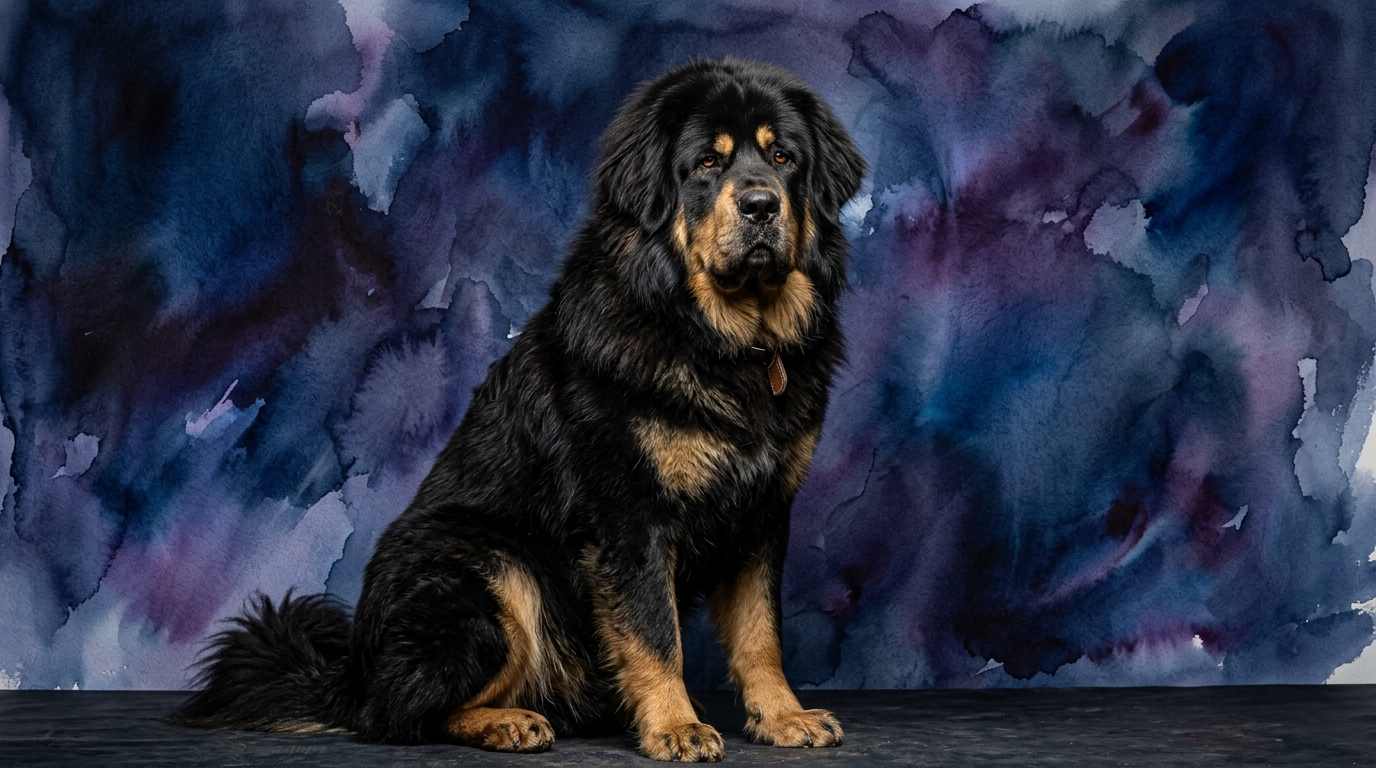
The majestic Tibetan Mastiff, a breed unranked by Coren but with a distinct cognitive blueprint, showcases a deliberate and independent intellect. Its problem-solving capacity, rated 3/5, indicates a thoughtful rather than reactive approach, where solutions are often derived from careful assessment of its environment and potential threats, favoring established methods or independent judgment over rapid innovation. Training speed, also at 3/5, suggests a moderate learning curve, requiring patient and consistent methods that respect its self-assured nature. The Mastiff's social intelligence, scoring 3/5, is acutely focused on its immediate family unit, enabling it to accurately read the intentions of its inner circle while maintaining a reserved, discerning stance toward outsiders. Its instinctive drive, at 3/5, is profoundly rooted in its ancient guarding heritage, manifesting as an innate vigilance and territorial protection rather than a constant need for activity. Finally, a memory score of 3/5 implies a solid recall for crucial routines and experiences pertinent to its role, remembering what is essential for its security and the well-being of its charge.
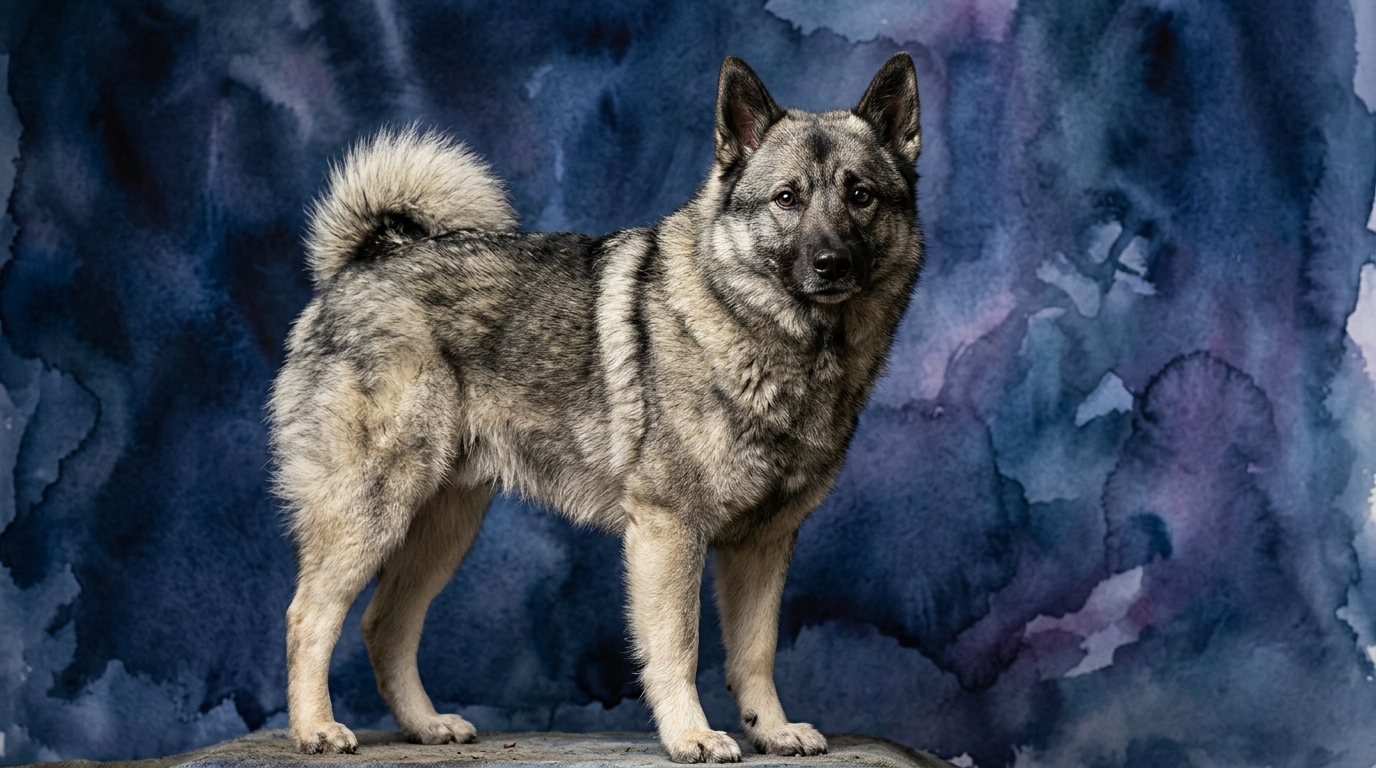
The Norwegian Elkhound, ranked a respectable #36 by Coren, presents a more agile and cooperative cognitive profile. Its problem-solving ability, rated 4/5, highlights a resourceful mind capable of quickly analyzing new situations and adapting strategies, a skill honed through centuries of tracking and hunting in challenging terrains. A training speed of 4/5 signifies a keen eagerness and capacity to rapidly absorb new commands and behaviors, making it a highly responsive student in varied learning scenarios. The Elkhound's social intelligence, similar to the Mastiff at 3/5, allows it to understand complex social cues, particularly within its working partnership with humans, fostering cooperative efforts. Its instinctive drive, also 3/5, is largely channeled into purposeful activities like scent work and endurance, reflecting its hunting background and a need for mental engagement. An impressive memory score of 4/5 underscores its excellent recall, allowing it to retain detailed information, from intricate scent trails to multi-step commands, ensuring reliable performance in demanding tasks.
Where the Tibetan Mastiff Wins Cognitively
The Tibetan Mastiff's unique cognitive strengths are rooted in its ancient role as a guardian. While its problem-solving score of 3/5 might suggest a less agile mind compared to some breeds, it signifies a deliberate, independent thought process crucial for a sentinel. These dogs excel in assessing environmental nuances and potential threats, making nuanced judgments without constant human direction. Their social intelligence, also rated 3/5, is finely tuned to discerning intentions within their perceived territory, allowing them to identify who belongs and who doesn't with remarkable accuracy. This translates to an unparalleled capacity for independent decision-making when protecting their family and property, often anticipating issues before they fully manifest, a skill forged over centuries of solitary vigilance. Their cognitive prowess lies not in speed, but in depth of assessment and unwavering resolve.
Where the Norwegian Elkhound Wins Cognitively
The Norwegian Elkhound shines with a cognitive profile built for active partnership and swift adaptation. Their 4/5 in problem-solving indicates a resourceful mind, adept at navigating complex scenarios and learning from experience, a trait invaluable for tracking game across varied terrains. This breed's training speed, also rated 4/5, points to a keen eagerness and ability to grasp new commands and sequences rapidly, making them highly responsive to varied instruction. Furthermore, their memory score of 4/5 suggests an excellent capacity for retaining detailed information, from intricate scent trails to multi-step commands, allowing them to perform complex tasks reliably and consistently. This combination makes them particularly effective in tasks requiring quick thinking, sustained focus, and a cooperative spirit with their human handler.
Training Dynamics: Elkhound's Eagerness vs. Mastiff's Deliberation
Comparing training ease reveals distinct approaches. The Norwegian Elkhound, with its 4/5 training speed and 4/5 memory, generally presents a more straightforward training journey. They possess an inherent enthusiasm for engaging with their human partners and demonstrate a quicker grasp of new concepts, retaining them effectively over time. Their historical role required close cooperation with hunters, fostering a desire to understand and execute commands. This breed thrives on positive reinforcement and varied training sessions, eagerly participating in activities that challenge their sharp minds and keen senses, making them rewarding to teach for owners who enjoy an active training partnership.
Conversely, the Tibetan Mastiff, with a 3/5 in both training speed and memory, requires a different methodology. While capable of learning, their independent and often resolute nature means they process commands at their own pace and might choose to comply only when they perceive a clear purpose or benefit. Training a Mastiff demands immense patience, consistency, and a deep understanding of their guardian instincts, focusing on building trust and demonstrating the value of cooperation rather than expecting immediate, eager obedience. Their 'why should I?' attitude contrasts sharply with the Elkhound's 'what do you want me to do?' mentality, necessitating a calm, confident leader who respects their autonomy while guiding them firmly.
Lifestyle Match: Active Engagement vs. Calm Vigilance
When considering lifestyle compatibility, the Norwegian Elkhound is a clear fit for active owners. Their instinctive drive (3/5) manifests as a need for purposeful engagement and mental stimulation, not just physical exercise. Owners who enjoy hiking, scent work, agility, or other activities that challenge their dog's problem-solving (4/5) and memory (4/5) will find the Elkhound a willing and capable partner. They thrive on having a 'job' and can become bored or mischievous without adequate mental outlets, requiring an owner committed to consistent interaction and varied activities that tap into their energetic and astute nature.
The Tibetan Mastiff, while physically imposing, often suits a more relaxed but highly responsible owner. Their instinctive drive (3/5) is primarily focused on surveying and guarding, not constant activity. They require a secure, established territory and consistent routines. While they need regular exercise, their cognitive needs are less about high-intensity mental tasks and more about providing a stable environment where their independent judgment and social intelligence (3/5) can be applied to their guardian role. They are content observing their domain, requiring an owner who respects their independent nature and provides consistent, calm leadership, understanding that their mental engagement is often expressed through watchful observation rather than active participation.
The Verdict
Choose a Tibetan Mastiff if you seek an independent, discerning guardian with a deep sense of loyalty, and you are prepared for a deliberate training approach and a dog whose cognitive strengths lie in independent judgment and territorial awareness.
Opt for a Norwegian Elkhound if you desire an engaging, agile partner eager to learn and participate in varied activities, appreciating a dog whose intelligence excels in quick problem-solving, efficient training, and reliable memory.
🧠 Find Your Pet's IQ Score
Our Pet IQ Lab assessment covers 25+ tests across 5 cognitive dimensions — personalized to your breed.
Take the Full IQ Test →Frequently Asked Questions
Are Tibetan Mastiffs difficult to train?
Tibetan Mastiffs are not inherently difficult to train, but they require a specific approach due to their independent nature and deliberate learning speed (3/5). Success comes from patient, consistent methods that appeal to their guardian instincts and build strong trust, rather than relying on rote obedience.
How much mental stimulation does a Norwegian Elkhound need?
Norwegian Elkhounds require a moderate to high level of mental stimulation, thanks to their 4/5 problem-solving and memory scores. Activities like puzzle toys, scent work, obedience training, and exploring new environments are crucial to keep their keen minds engaged and prevent boredom-related behaviors.
Which breed is better for a first-time dog owner?
Given its higher training speed (4/5) and more cooperative nature, the Norwegian Elkhound is generally a more suitable choice for a first-time dog owner willing to provide consistent mental and physical activity. The Tibetan Mastiff's independence and specific guardian instincts often require an owner with prior experience in managing strong-willed, large breeds.